 ALLPCB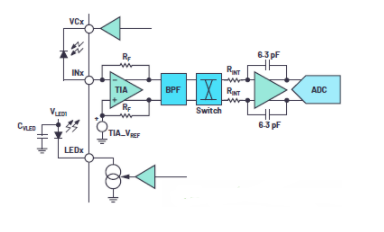
Single AFE Solution for Multi-Parameter Vital Signs Monitoring
Technical overview of a single AFE for multi-parameter vital signs monitoring, detailing PPG, SpO2, ECG, respiration, operating modes, and design trade-offs.



Technical overview of a single AFE for multi-parameter vital signs monitoring, detailing PPG, SpO2, ECG, respiration, operating modes, and design trade-offs.
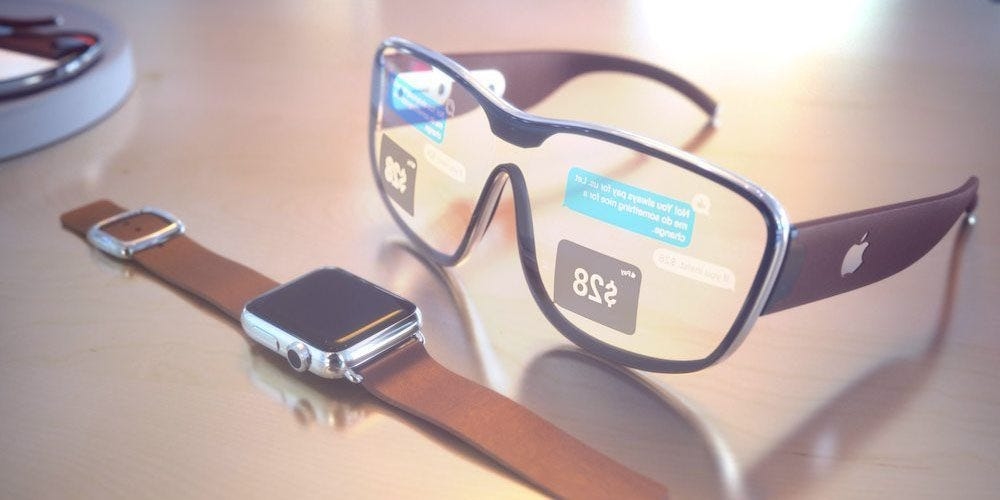
Review of ESD protection and PCB layout strategies for wearable AR devices, covering diode selection, placement, routing, and key protection parameters.
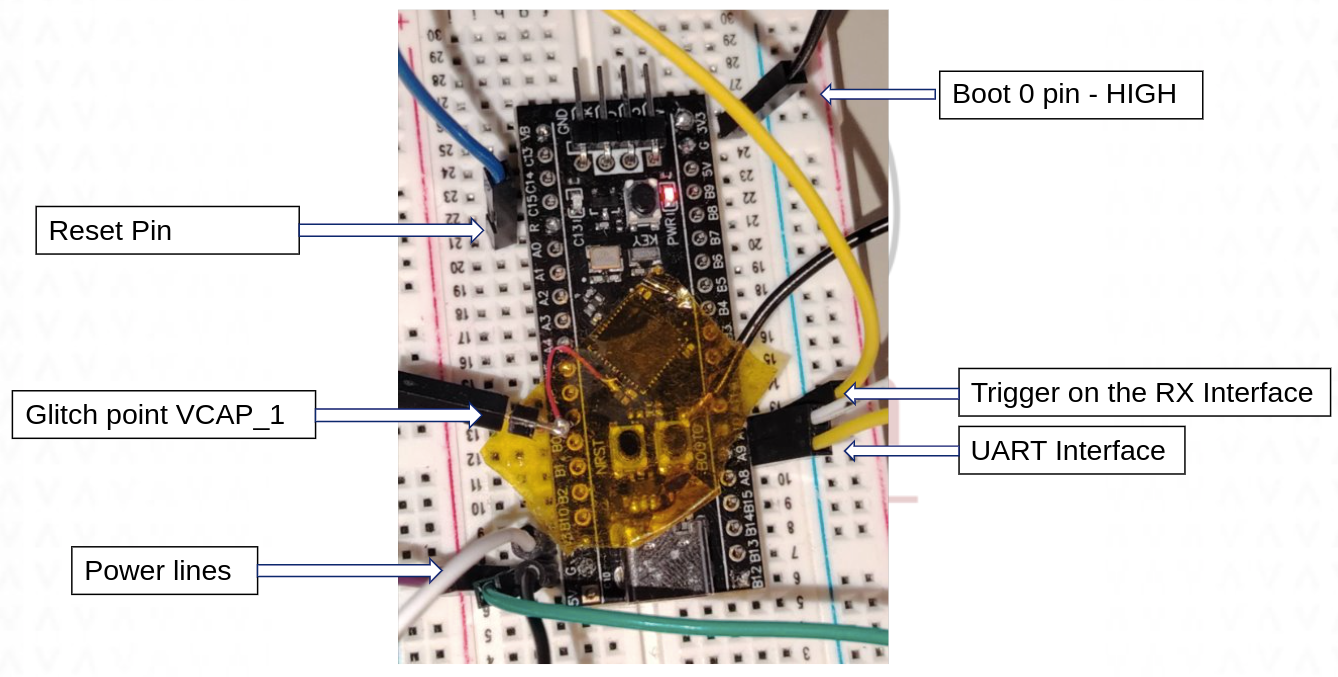
Preserving non-volatile data on STM32 during power loss: comparison of backup registers and internal flash, covering storage limits, access APIs, and design trade-offs.

Technical guide to ESD protection in wearables: choosing low-capacitance, low-clamp-voltage TVS diodes and compact packages to maintain signal integrity.
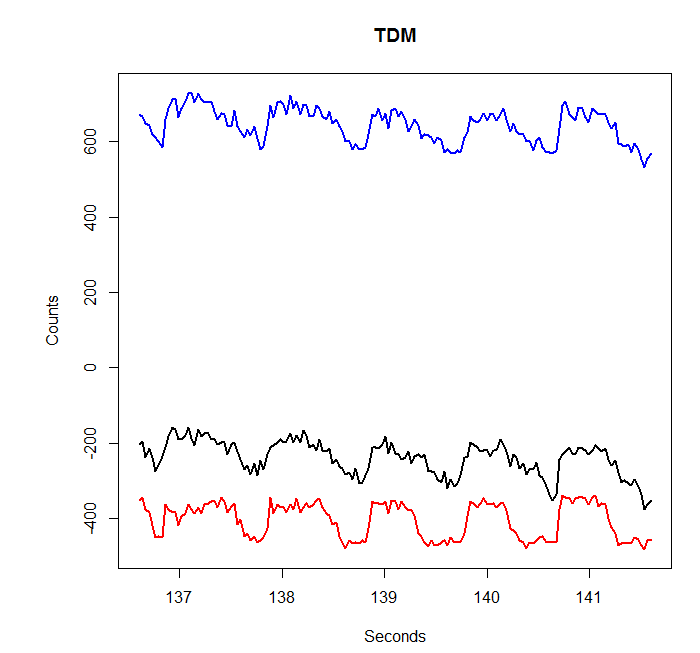
Phase-division multiplexing (PDM) using maximal-length (ML) sequences to improve SNR and per-source sampling efficiency in reflective pulse oximetry versus TDM.

TI bq25120 battery management solution for wearables and IoT: integrated charger, low 700 nA quiescent current, I2C-configurable LDO/buck and battery monitor.

nRF5340 details: dual-core Arm Cortex-M33 SoC with advanced security (CryptoCell-312, TrustZone), multi-protocol 2.4 GHz radio and Bluetooth 5.1 support for IoT.

Overview of embedded security for wearables using PSoC 64 Secure MCU: hardware root of trust, secure storage, hardware cryptography, TEE, and cloud integration for IoT devices.
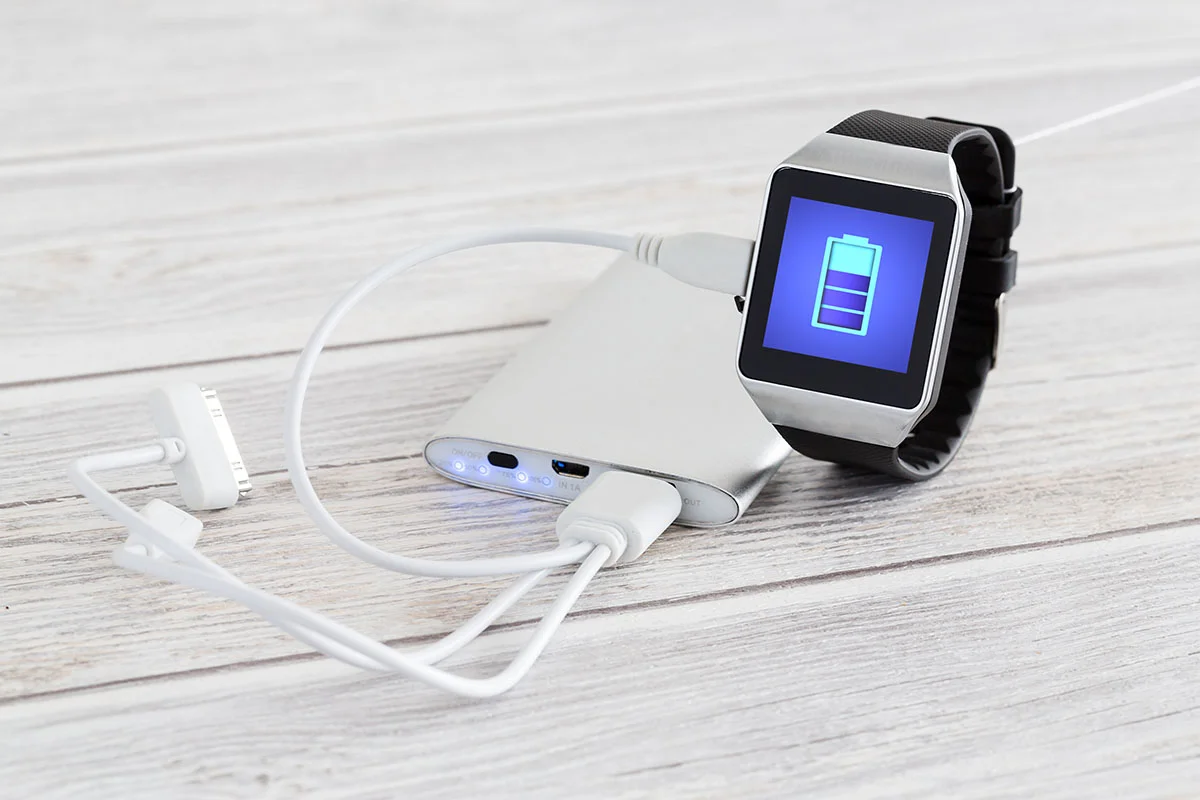
Examines how silicon vendors enable low-power wearables through power-efficient microcontrollers, radios, displays and power management to extend battery life.
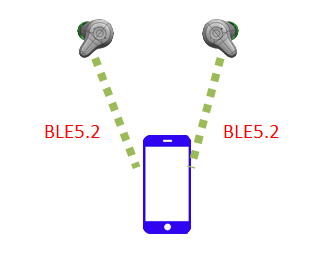
Overview of ultra-low-power MCU technology (SPOT) and low-power BLE solutions, including BLE 5.2 and LE Audio, for always-online IoT and wearable devices.
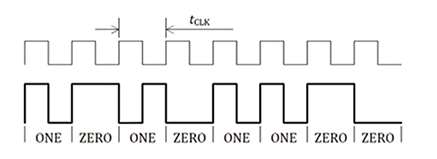
Technical overview of wireless charging for wearable devices: inductive and resonant principles, Qi communication, coil components, controllers, and design considerations.
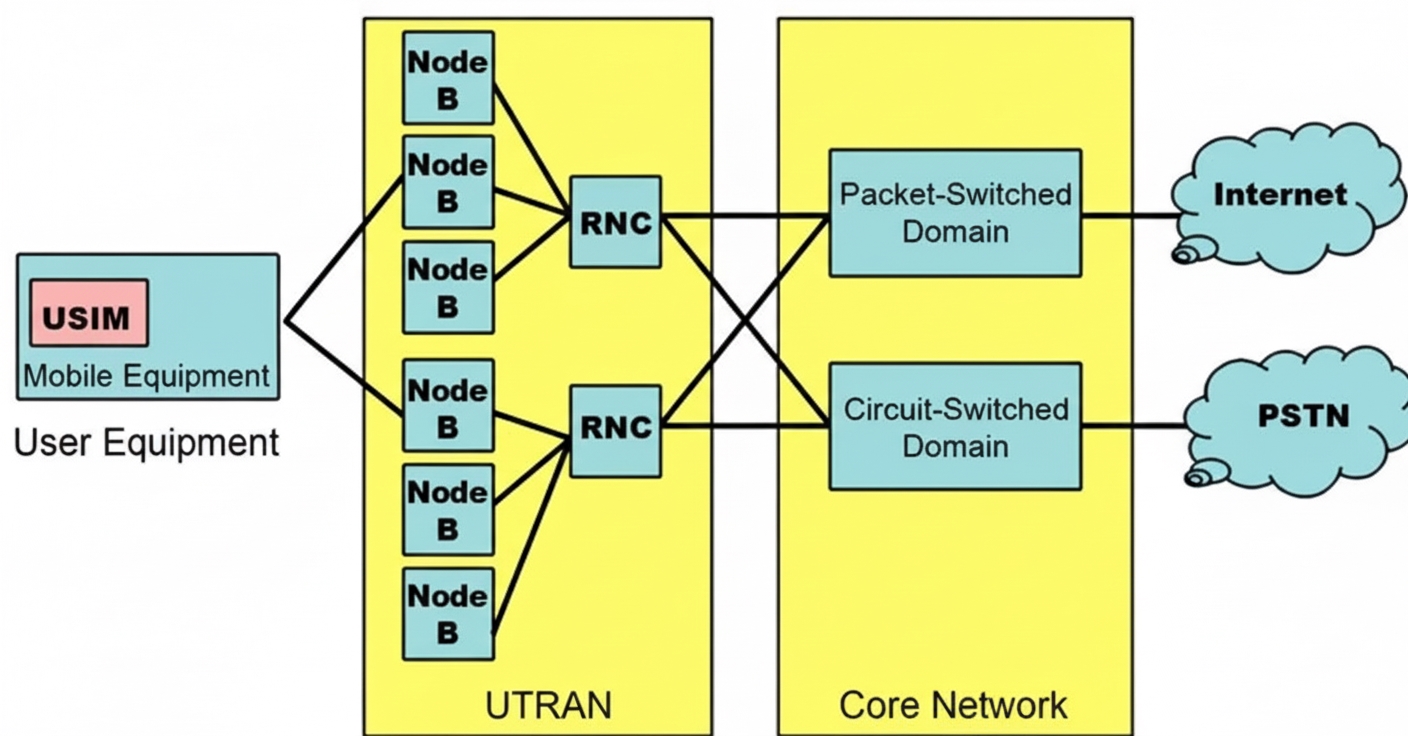
Practical guide to wearable PCBs covering substrate choices (FR4 vs Rogers), manufacturing tolerance, RF design, and RF transmission lines like microstrip and coplanar waveguide

Technical overview of the LTC4126 wireless charger receiver for wearables, detailing inductance-free DC-DC charge-pump, CC/CV charger, safety features, and ZVS transmitter pairing.
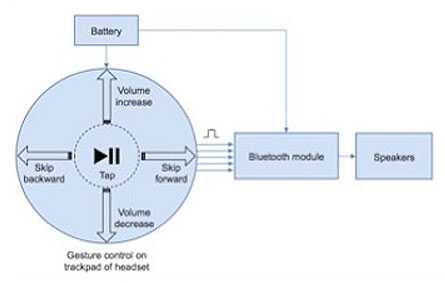
Technical overview of capacitive sensing for wearables: low-power touch and proximity design, wear detection, gesture touchpads, robustness, signal processing, and cost trade-offs.
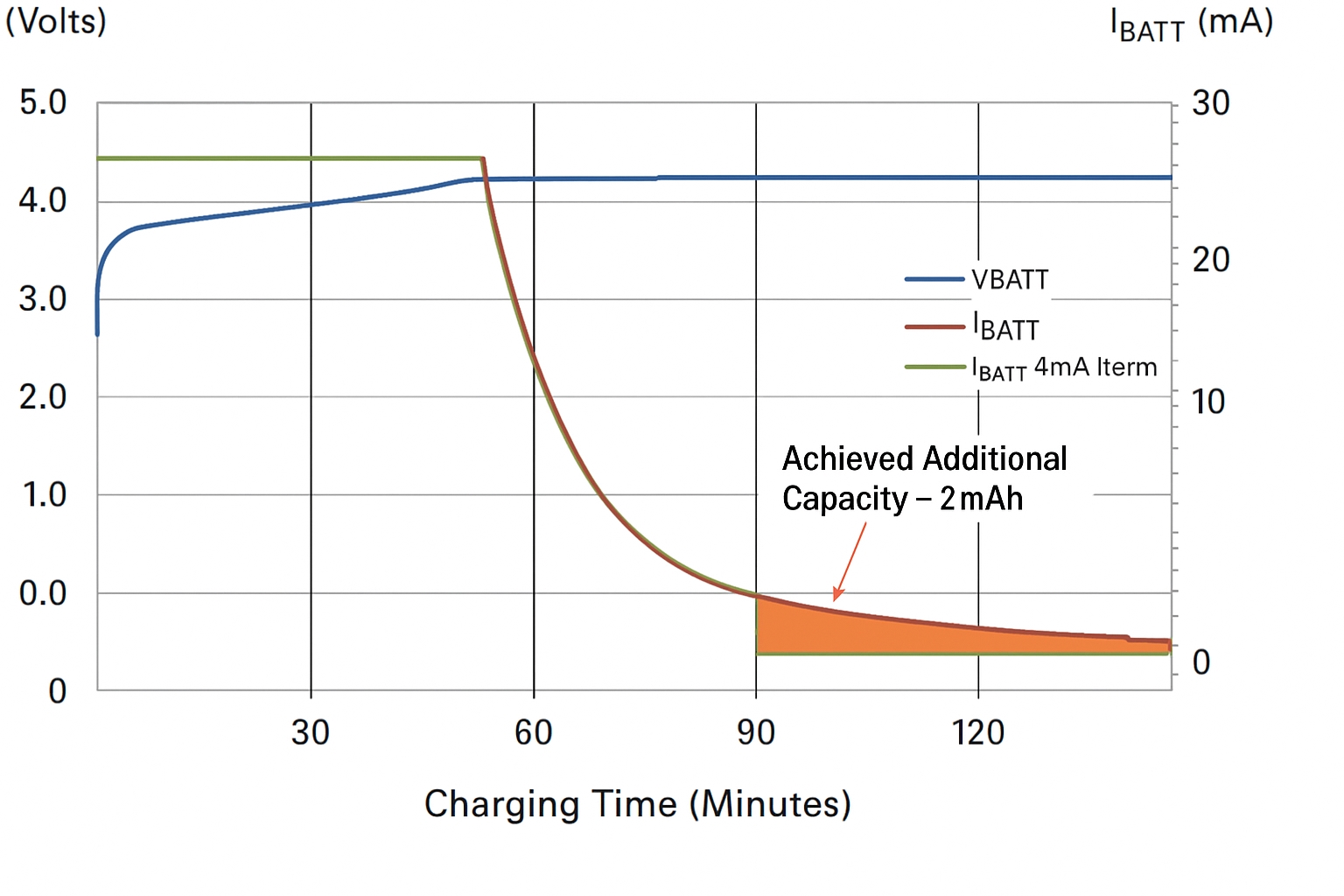
Overview of how battery capacity, leakage current and termination current affect runtime in low-power wearables, with charger IC recommendations.
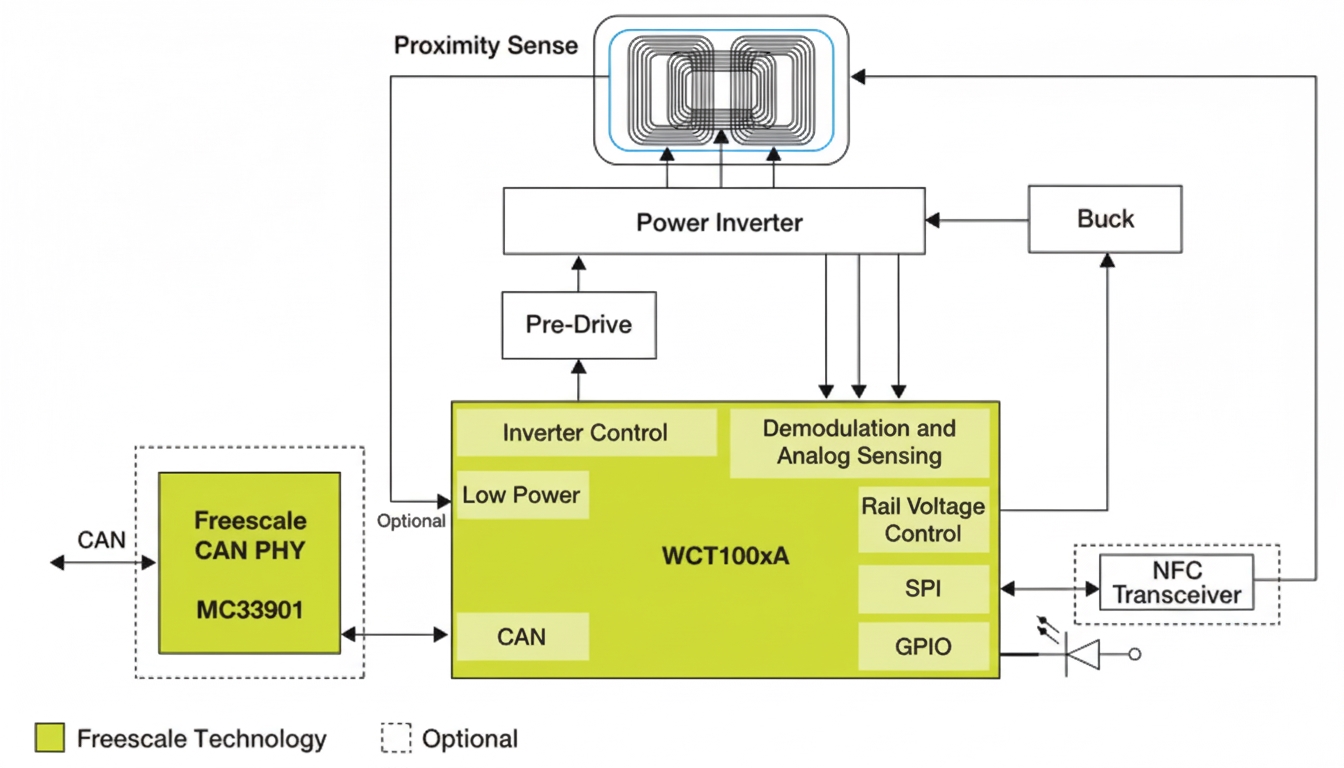
Overview of wireless charging technology and market adoption across wearables, automotive and mobile devices, highlighting receivers, transmitters and coils.
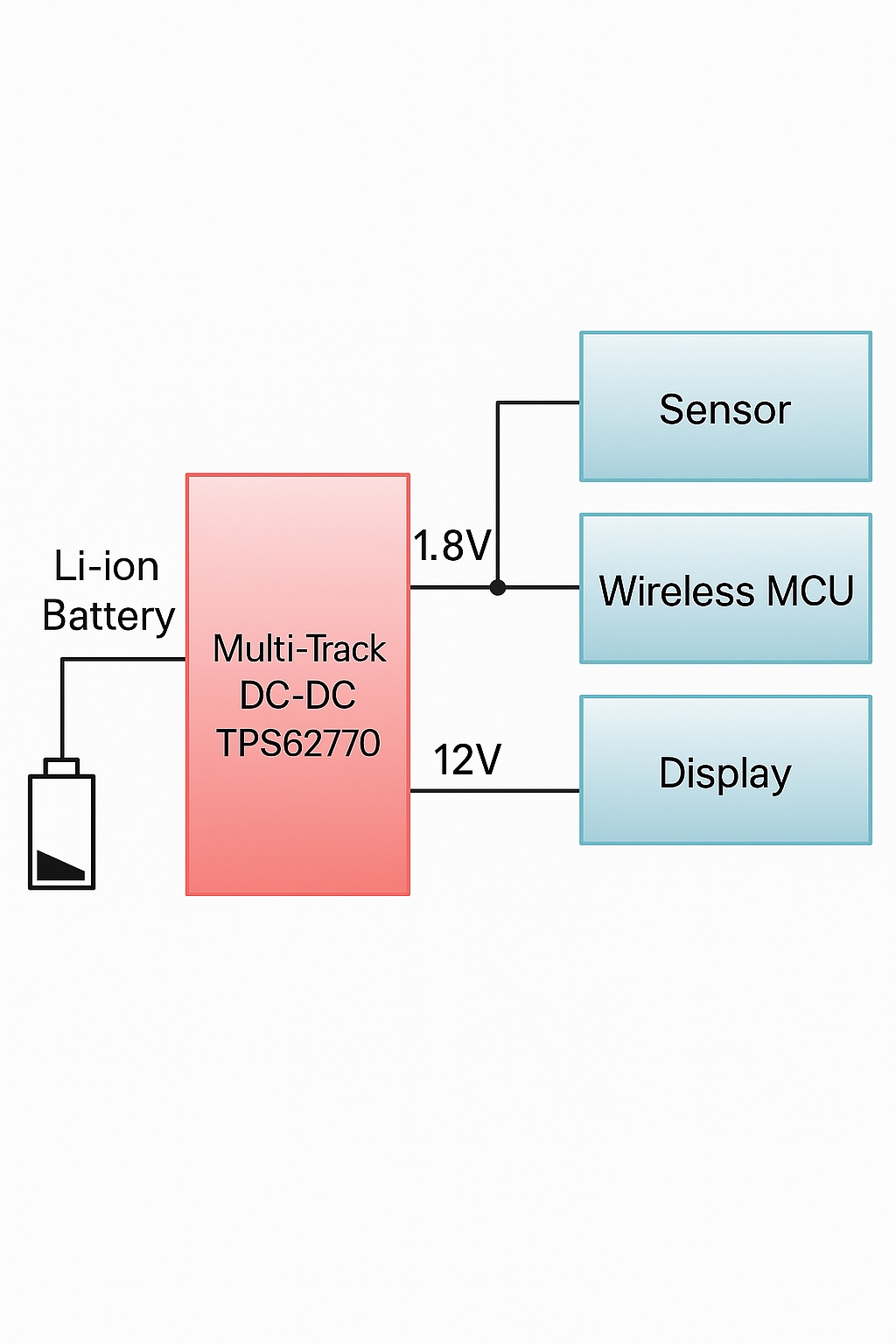
Overview of TI's TPS62770 multi-rail buck and boost DC/DC converter for wearables, highlighting low quiescent current, display/LED driving for PMOLED and LCD backlights.

Technical overview of HG-CVR smart fuel gauge (LC70920XF/LC709203F) using internal-resistance and voltage tracking to estimate RSOC with ±2.8% accuracy, low power.
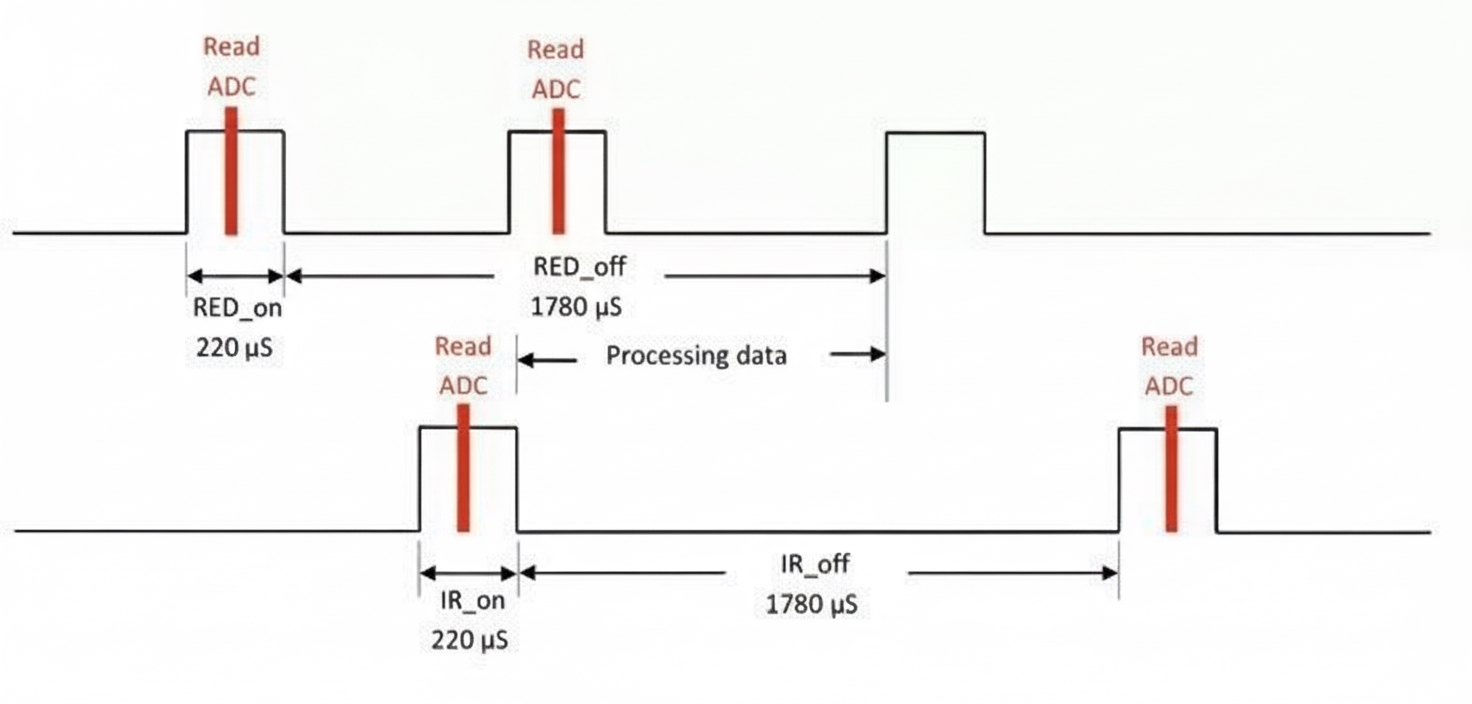
Technical overview of pulse oximetry: principles, SpO2 measurement, transmission vs reflection methods, signal conditioning and digital filtering for device design.

Overview of ESD protection and PCB layout for wearables, and UAV long-term tracking algorithm with altitude control for aerial robotics.