 ALLPCB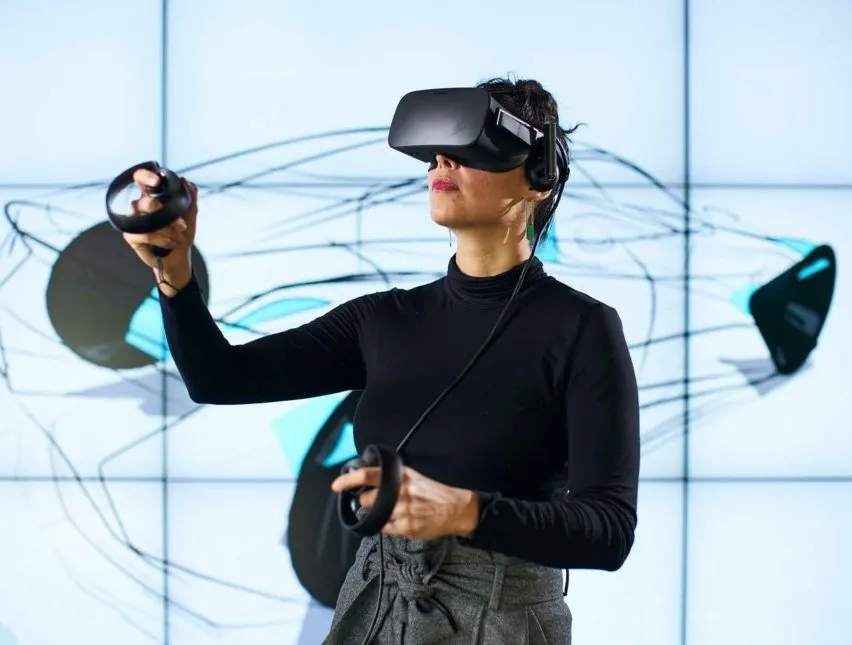
How Designers Can Transition to VR Design
Practical insights on transitioning to VR design: team roles, sketching, 3D tools, optics, motion design, and comfort principles focused on head tracking.



Practical insights on transitioning to VR design: team roles, sketching, 3D tools, optics, motion design, and comfort principles focused on head tracking.
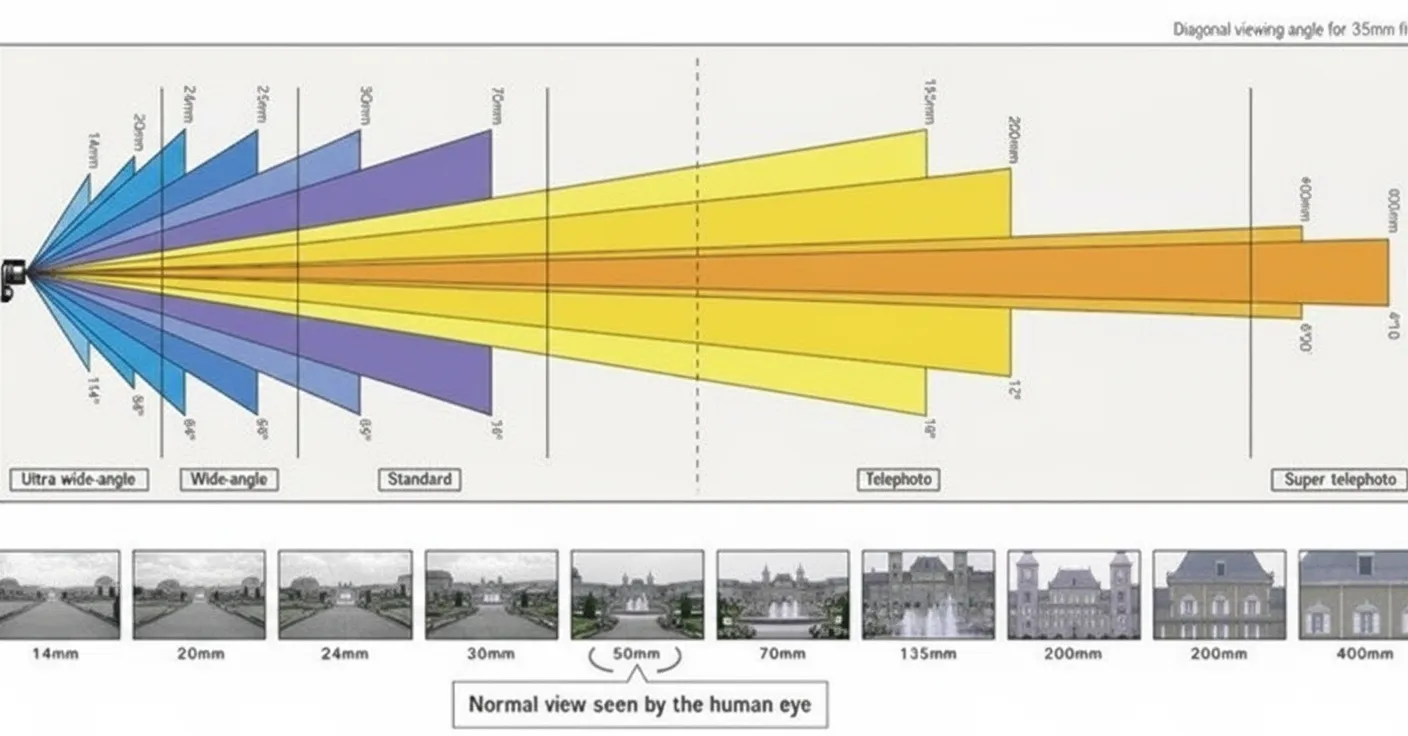
Technical overview of VR and FOV: definitions, history, and how field of view affects immersion and motion comfort in mobile and PC virtual reality.
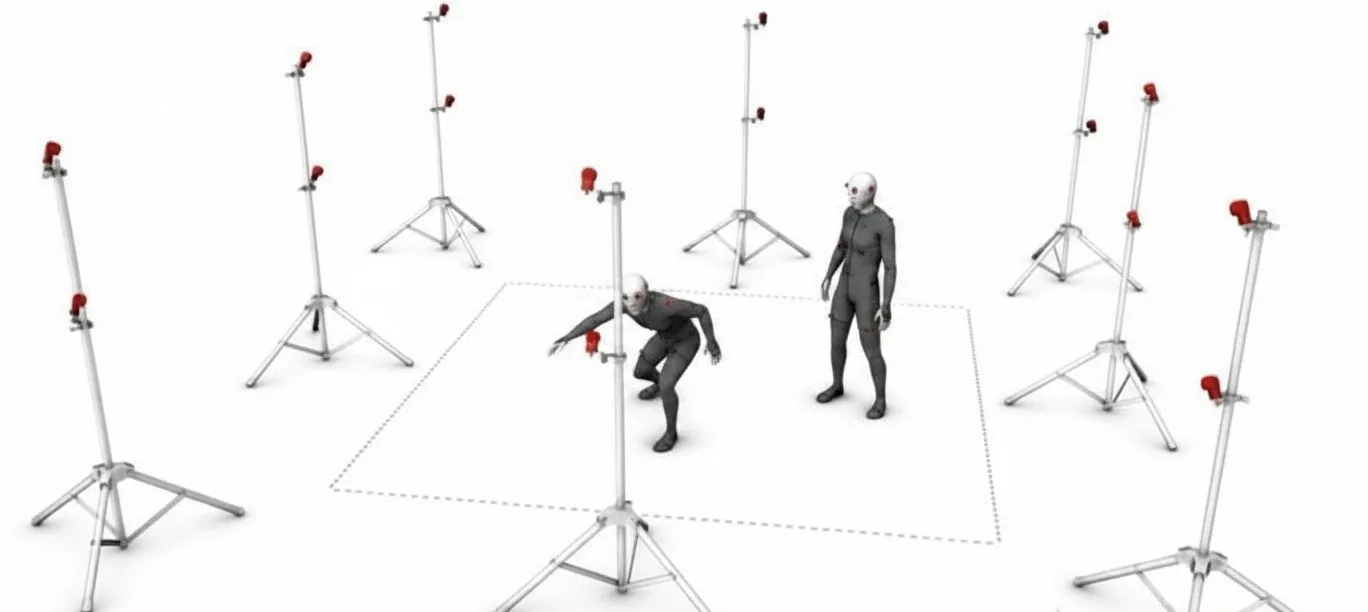
Technical examination of VR optical tracking and pose capture challenges, comparing star tracker and gyroscope errors on the Tong telescope and tracking workflows.
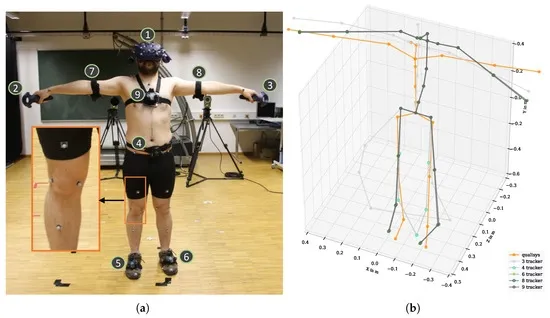
Overview of inertial motion capture systems and sensors: architecture, sensor fusion (accelerometer, gyroscope, magnetometer), and advantages for real?time tracking.
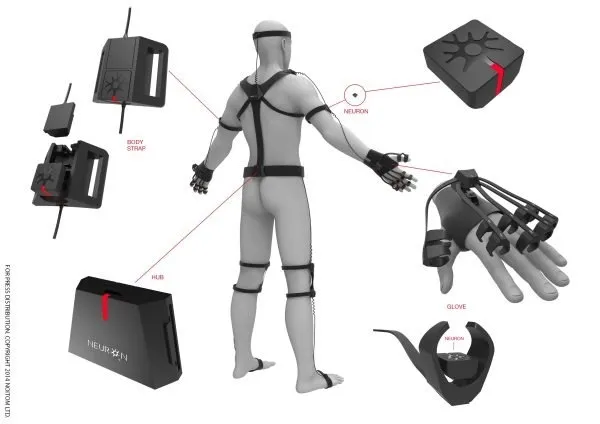
Inertial motion capture overview: principles of accelerometers, gyroscopes, magnetometers, sensor fusion and system architecture, applications and Xsens MVN example.
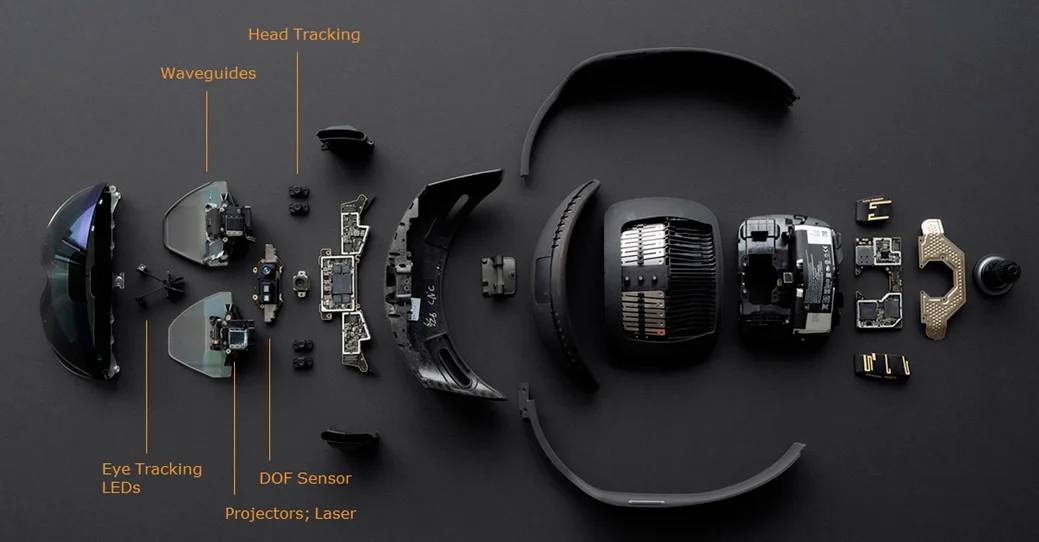
Technical overview of VR hardware components: display, processor, sensors, cameras, wireless, storage, battery and lenses; specs for resolution, latency and tracking.
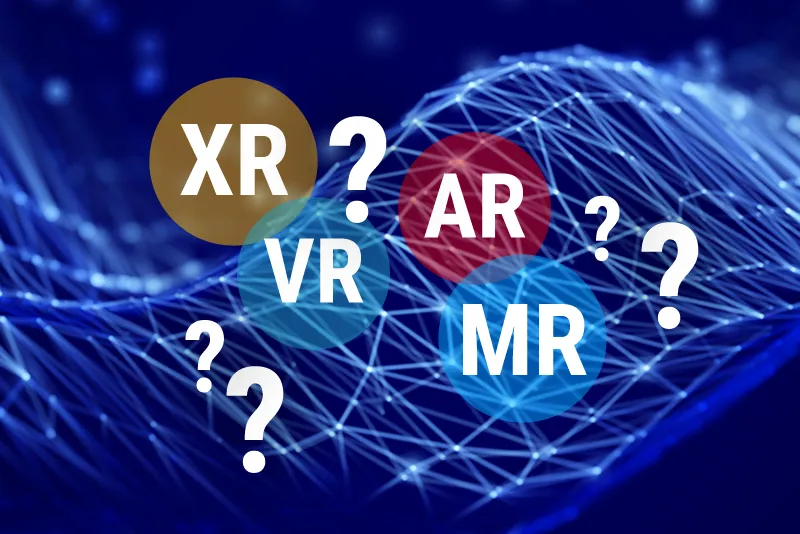
Technical overview of Virtual Reality (VR) and Augmented Reality (AR), defining each, citing device examples (Oculus, HTC Vive, Google Glass) and AR use cases.

Overview of virtual reality applications and simulation use cases across domains: medical training, entertainment, military/aerospace, urban planning, education, industrial.
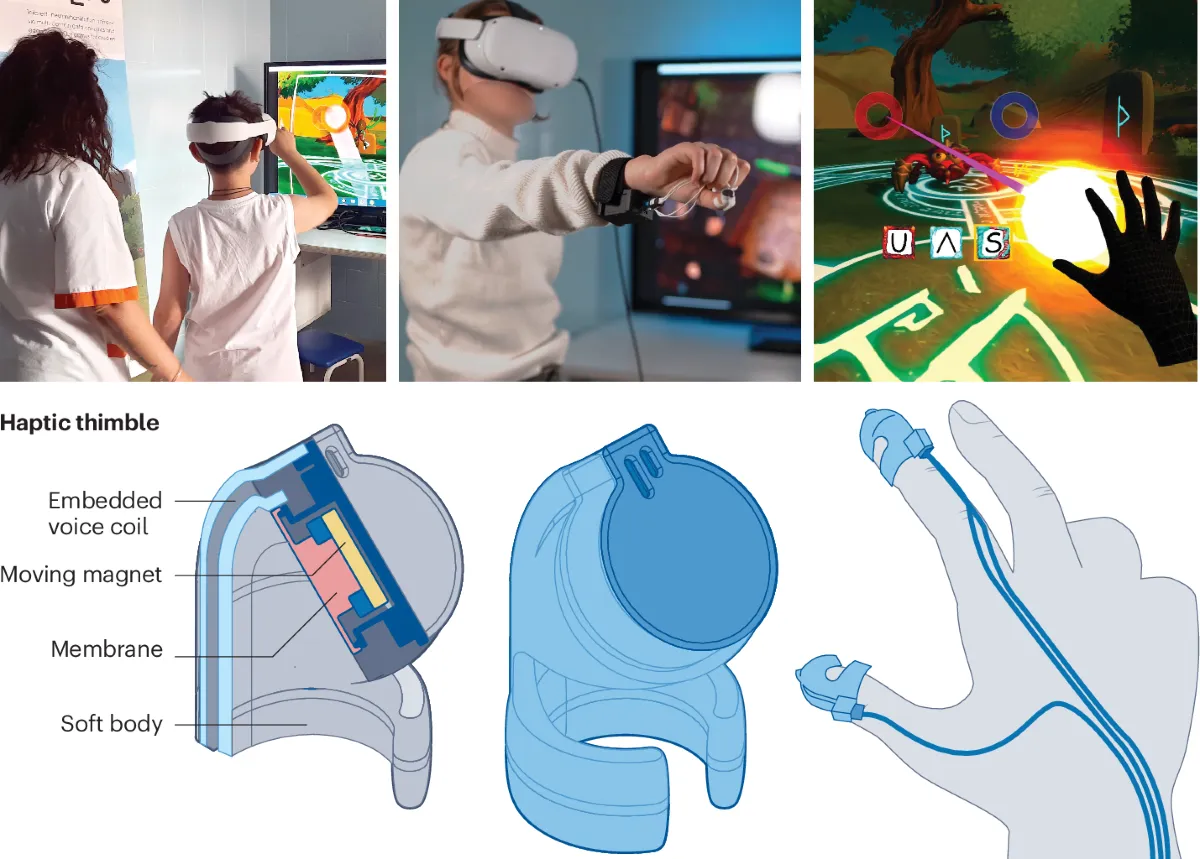
Technical overview of acoustic radiation pressure and airborne ultrasonic haptics, covering principles, tracking integration, implementations, and application scenarios.
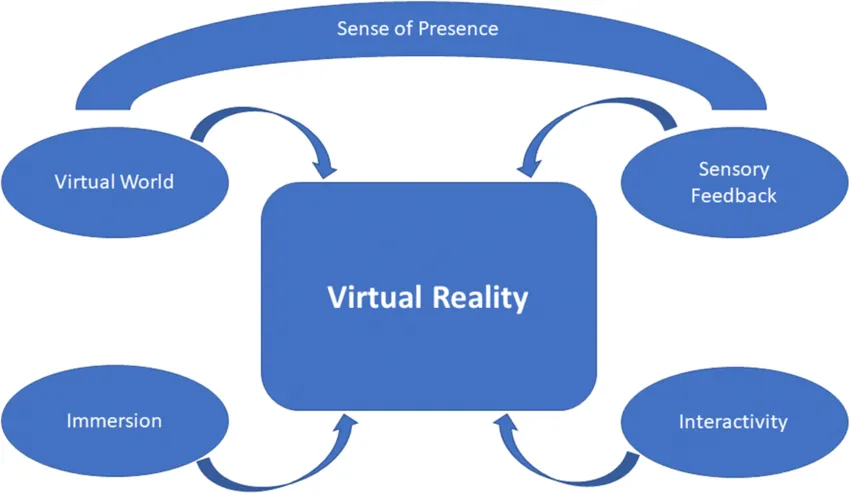
Technical overview of virtual reality components and methods: computer graphics, 3D modeling, collision detection, haptic feedback, spatial audio, and real-time rendering.
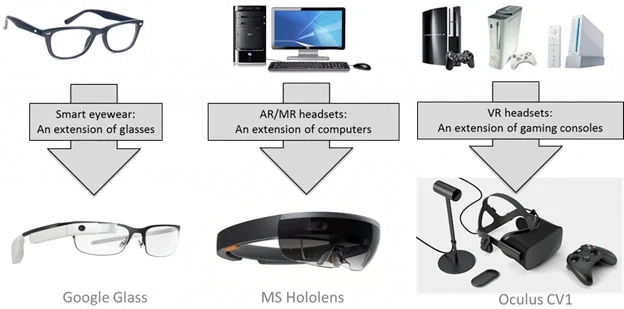
Virtual reality technologies: 3D modeling, stereoscopic displays, real-time rendering, 3D audio, HCI and collision detection techniques for immersive simulation.
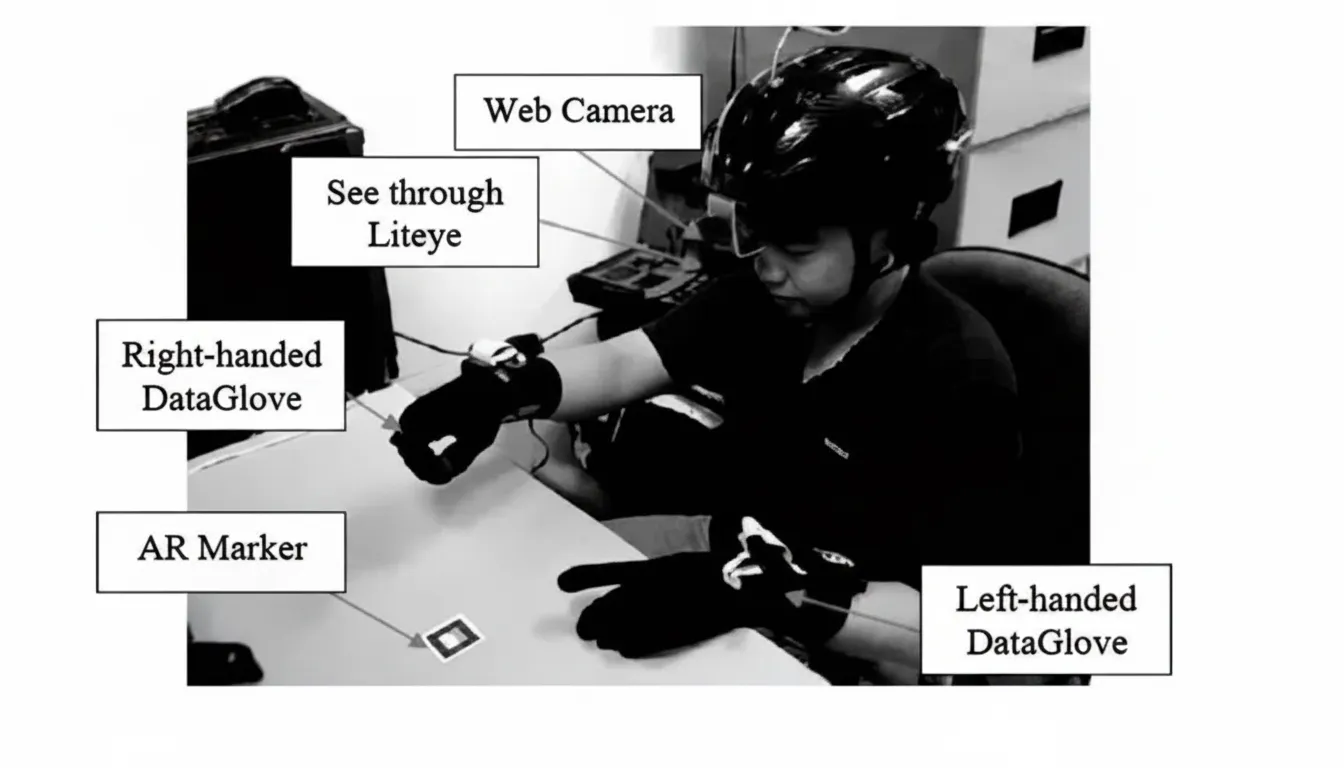
Technical overview of virtual reality (VR) technologies covering modeling, system architecture, perception (vision, audio, haptics), system engineering, applications and challenges.
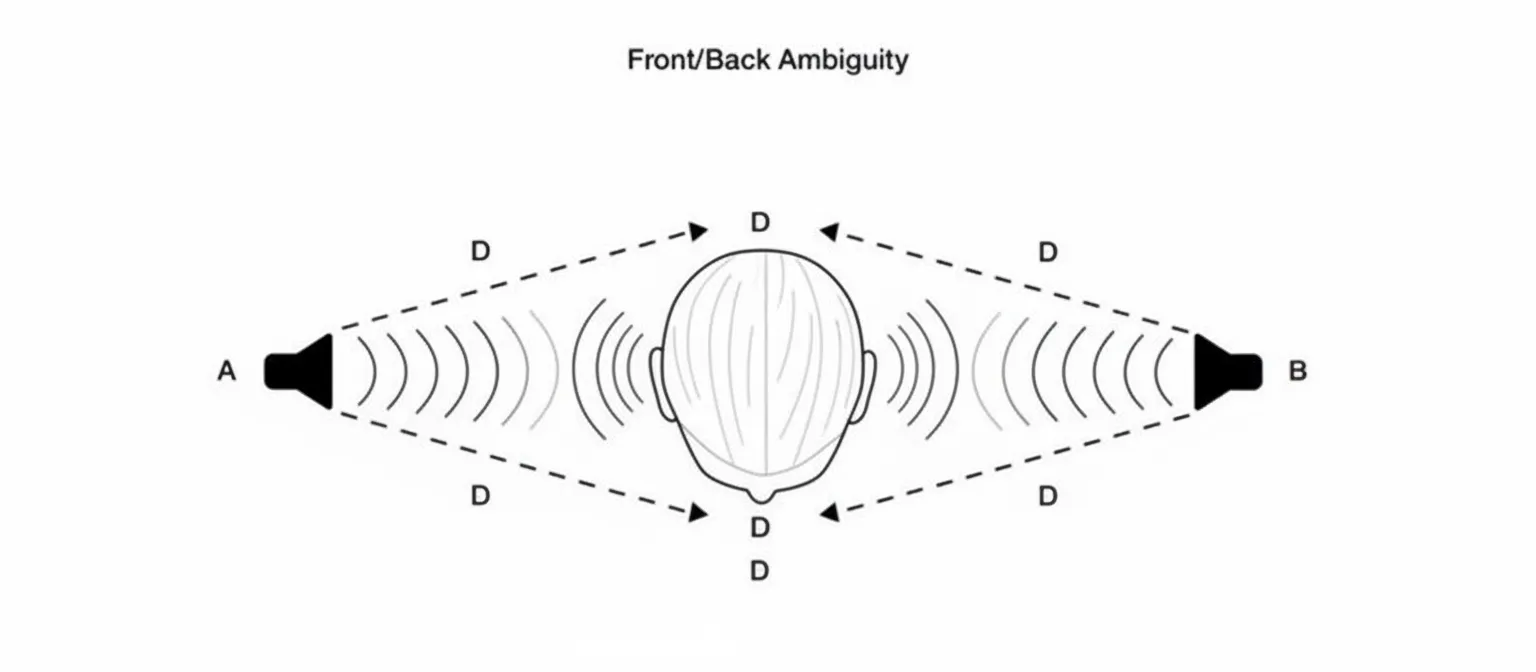
Overview of HRTF-based spatial audio: recording and application methods, head-tracking integration, and distance modeling techniques (loudness, reflections, attenuation).
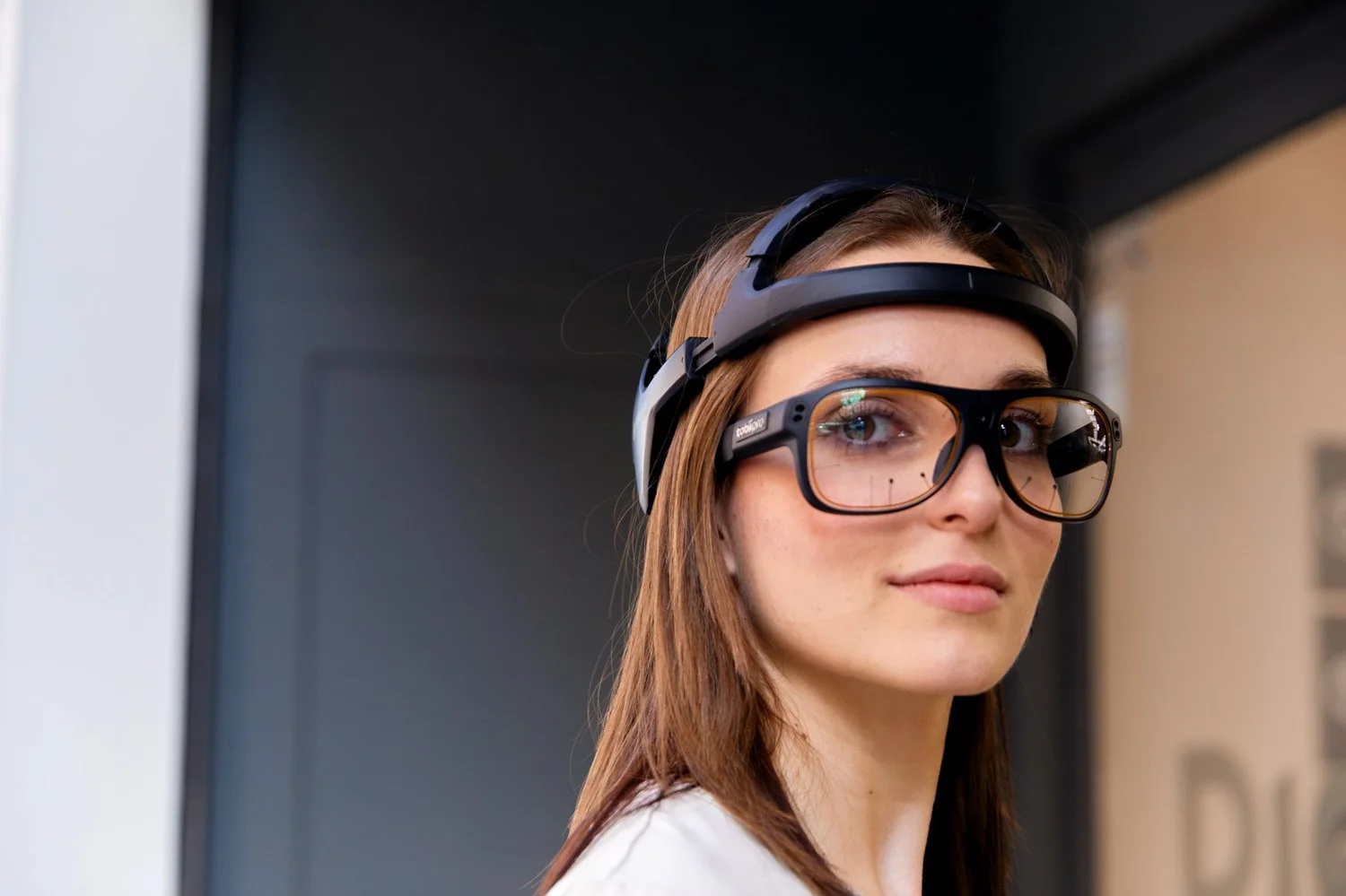
Review of eye tracking in VR: principles, benefits for reducing motion sickness and improving latency and immersion, plus sensor, power, and image-adjustment algorithm challenges.
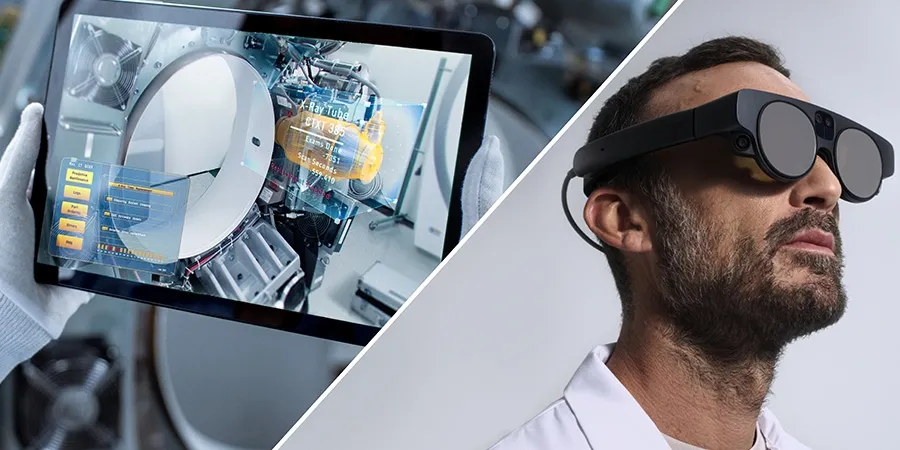
Technical overview of augmented reality displays—video-, optical-, and projection-based types—industry activity, challenges, and the potential of light-field displays
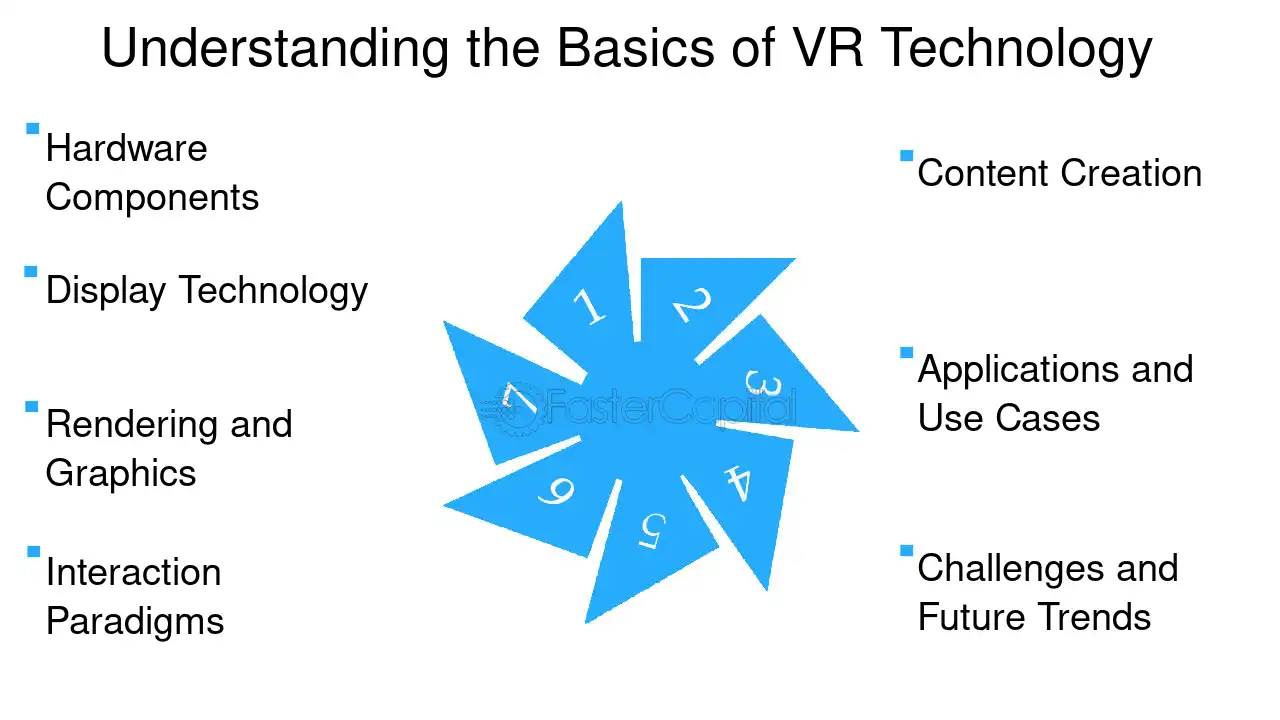
Technical overview of virtual reality: history, characteristics and key technologies, real-time 3D graphics, haptic feedback, plus medical applications.
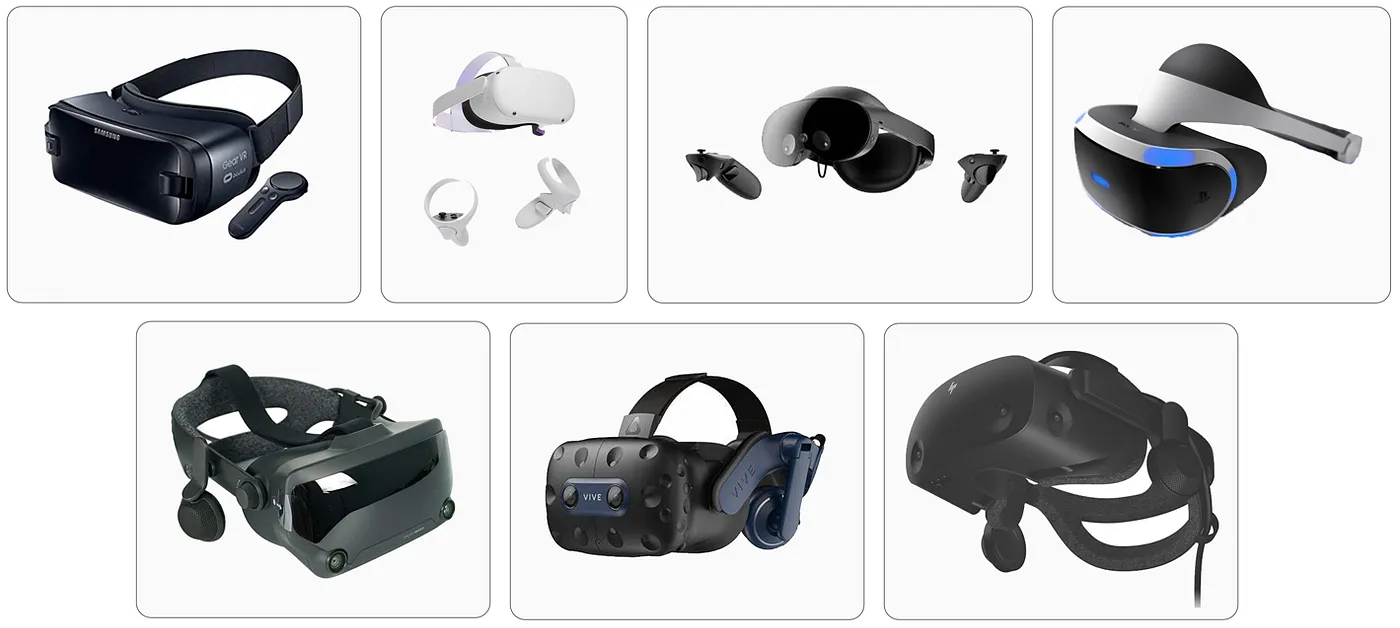
Overview of VR headsets, categories (tethered, standalone, mobile) and stereoscopic display principles including interlaced and frame?sequential methods.
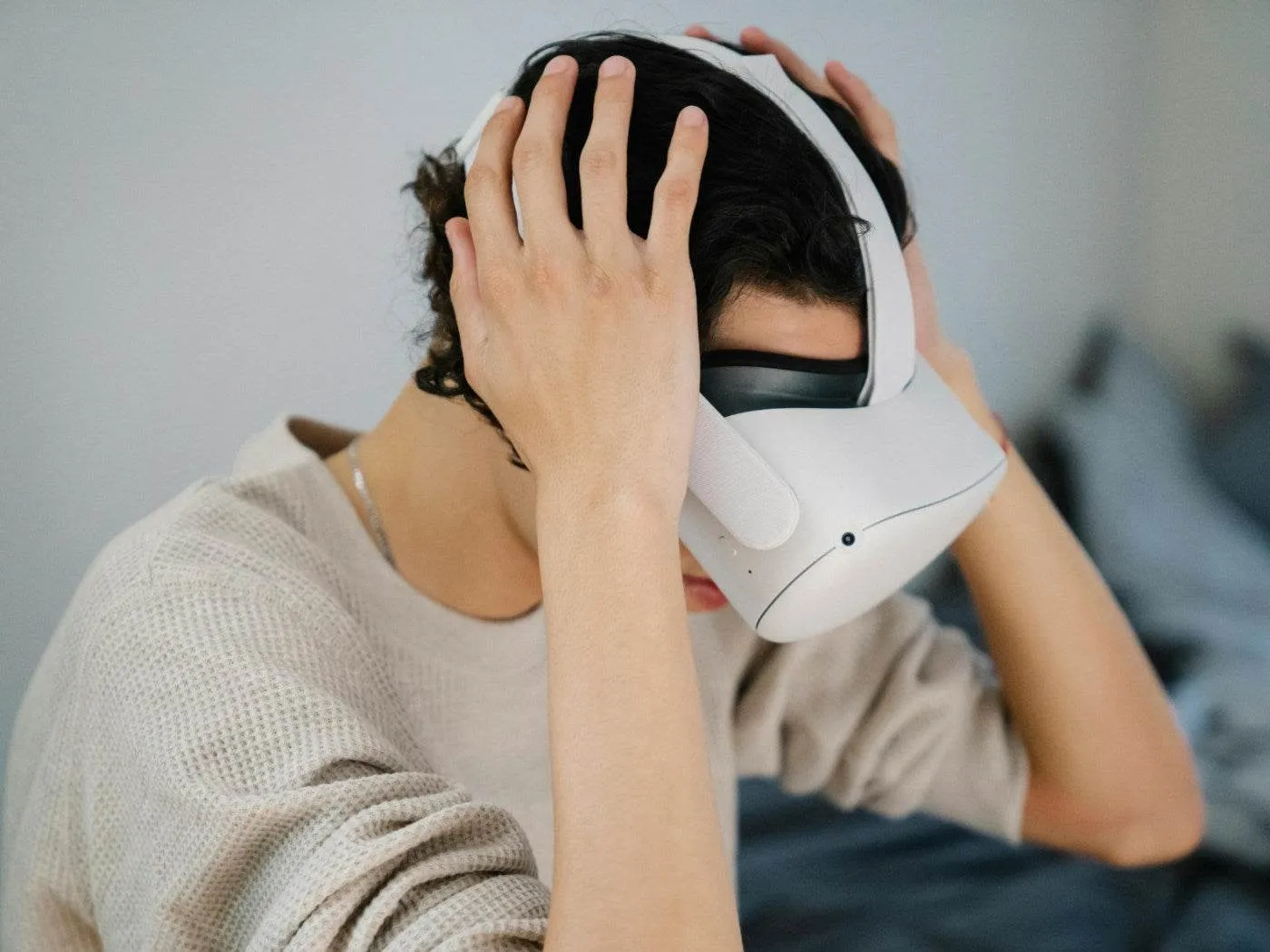
PS VR troubleshooting: adjust fit, focus and IPD to resolve blurry images; apply anti-fog treatments for lens fogging; use comfort settings and breaks to limit discomfort.
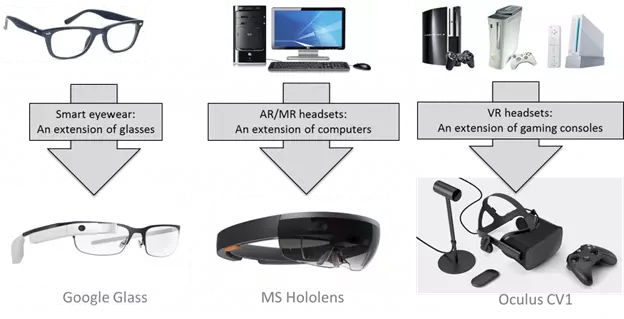
Technical overview of virtual reality and augmented reality: history, device categories, MR/CR distinctions, industry developments, and core interaction and computer vision technologies.
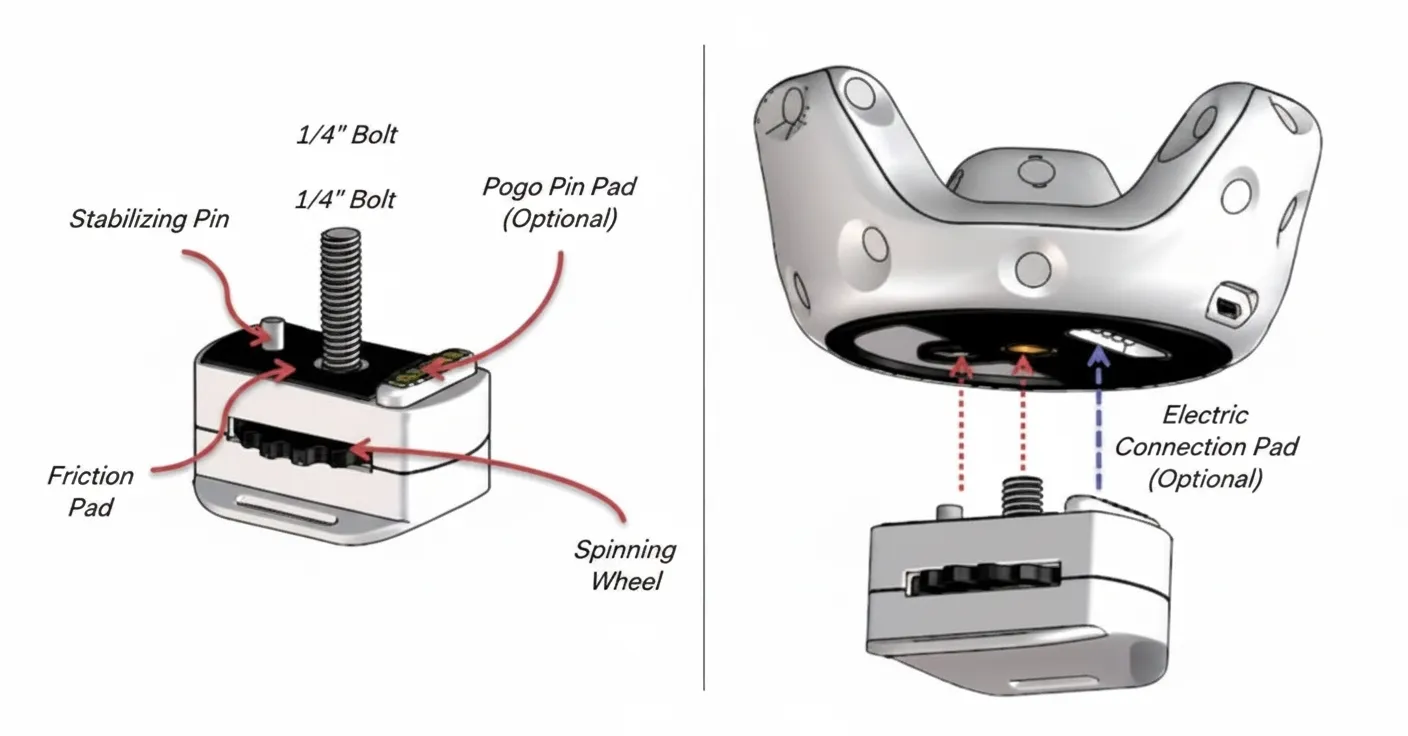
Technical overview of the Vive Tracker: developer documentation covering Pogo pin I/O, MicroUSB data, wireless USB 2.0 dongle, antenna clearance, 270° tracking FOV.