 ALLPCB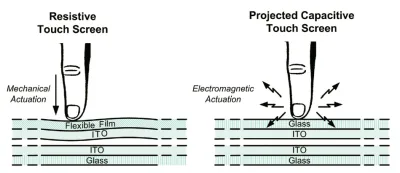
How to Tell Resistive vs Capacitive Touchscreens
Comparison of resistive touchscreen and capacitive touchscreen structures, detection methods, calibration, durability, visibility, and cost for device engineers.



Comparison of resistive touchscreen and capacitive touchscreen structures, detection methods, calibration, durability, visibility, and cost for device engineers.
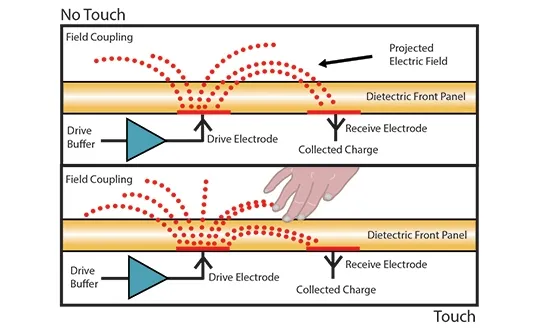
Technical overview of capacitive touchscreen operation, causes of touch position drift, calibration limits, mechanical constraints, and practical mitigation for designers.
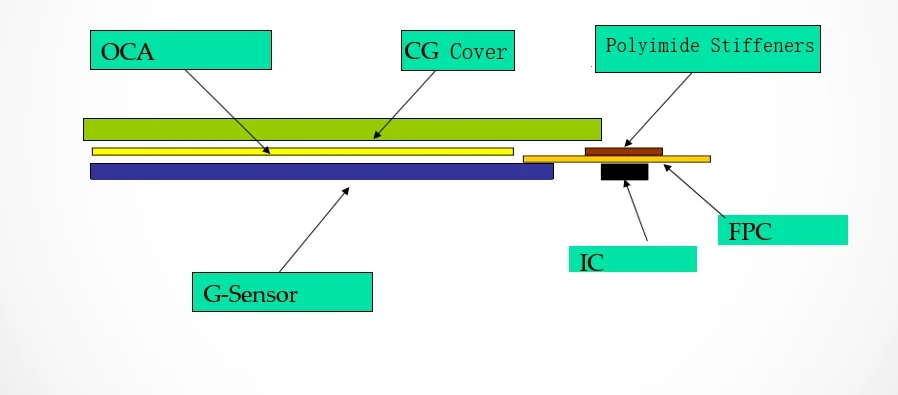
Technical overview of capacitive touchscreen design, projected capacitive operation, optical artifacts, false touches, and calibration and driver guidance for reliable operation.
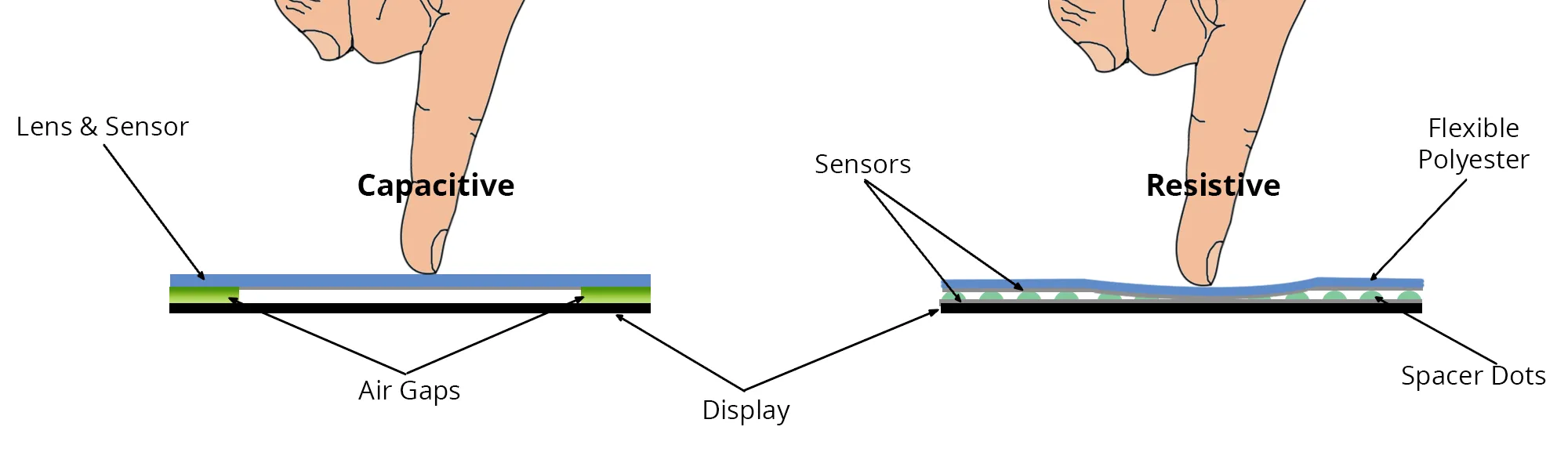
Technical comparison of capacitive touchscreens and resistive touchscreens, covering operating principles, mutual/self-capacitance, multi-touch and practical selection criteria.

Technical overview of face recognition: detection methods, feature types, challenges (illumination, pose, occlusion), applications and security concerns in biometric systems.
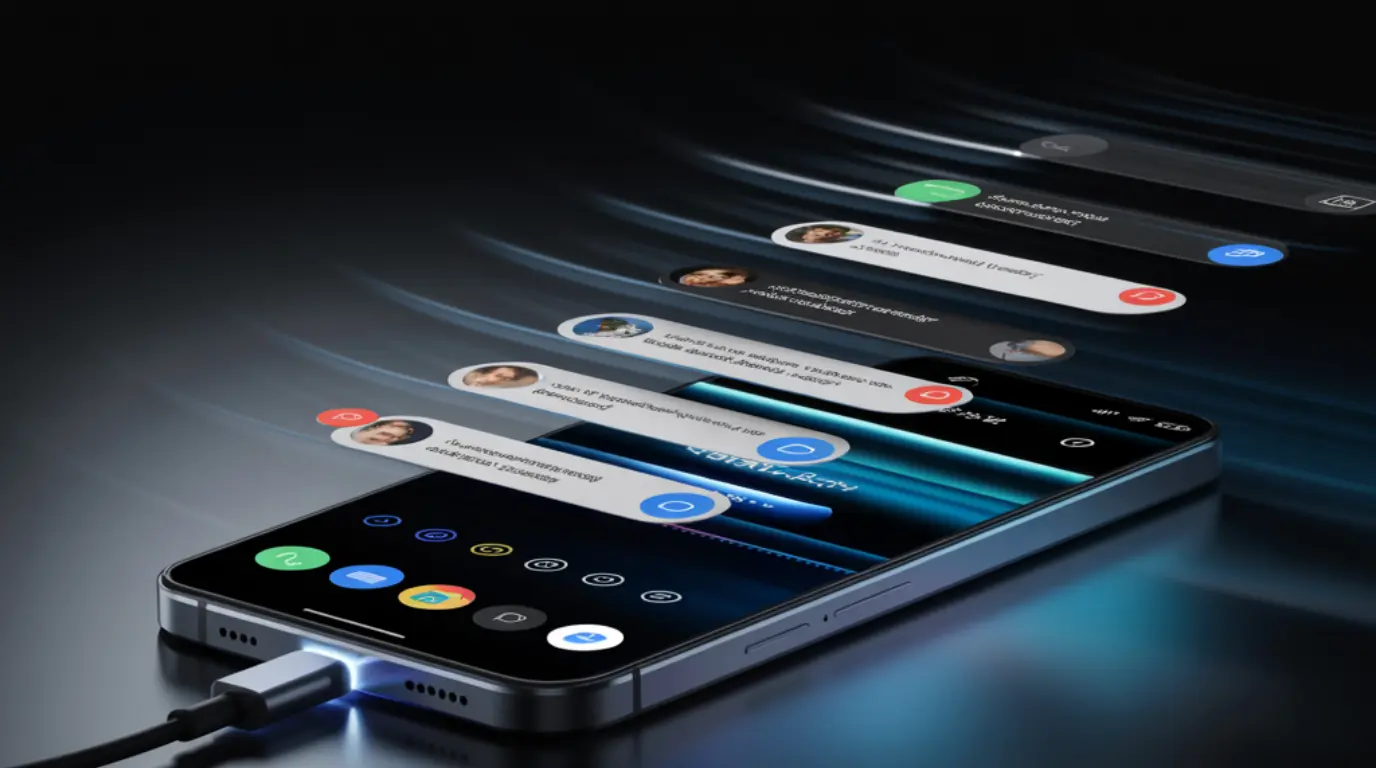
Explains how capacitive touchscreen errors while charging stem from power-supply instability and charger noise, and recommends using genuine chargers, filtering, or firmware fixes.
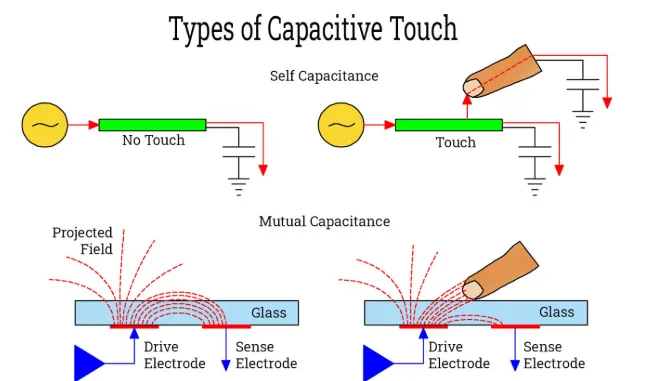
Technical overview of capacitive touchscreen structure, working principle, contact diameter, and response time, and their impact on sensitivity and perceived responsiveness.

Technical comparison of resistive touchscreen and capacitive touchscreen technologies for POS terminals, covering construction, operation, limitations, and suitability for retail use.
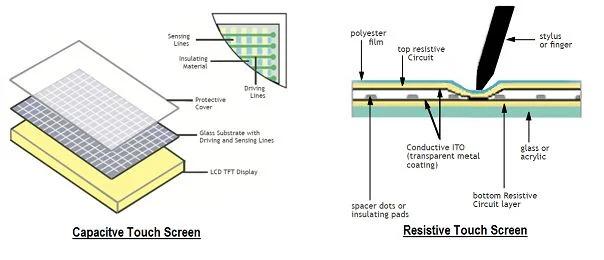
Comparison of resistive and capacitive touchscreens covering sensitivity, accuracy, durability, cost, multi-touch, and environmental tolerance.
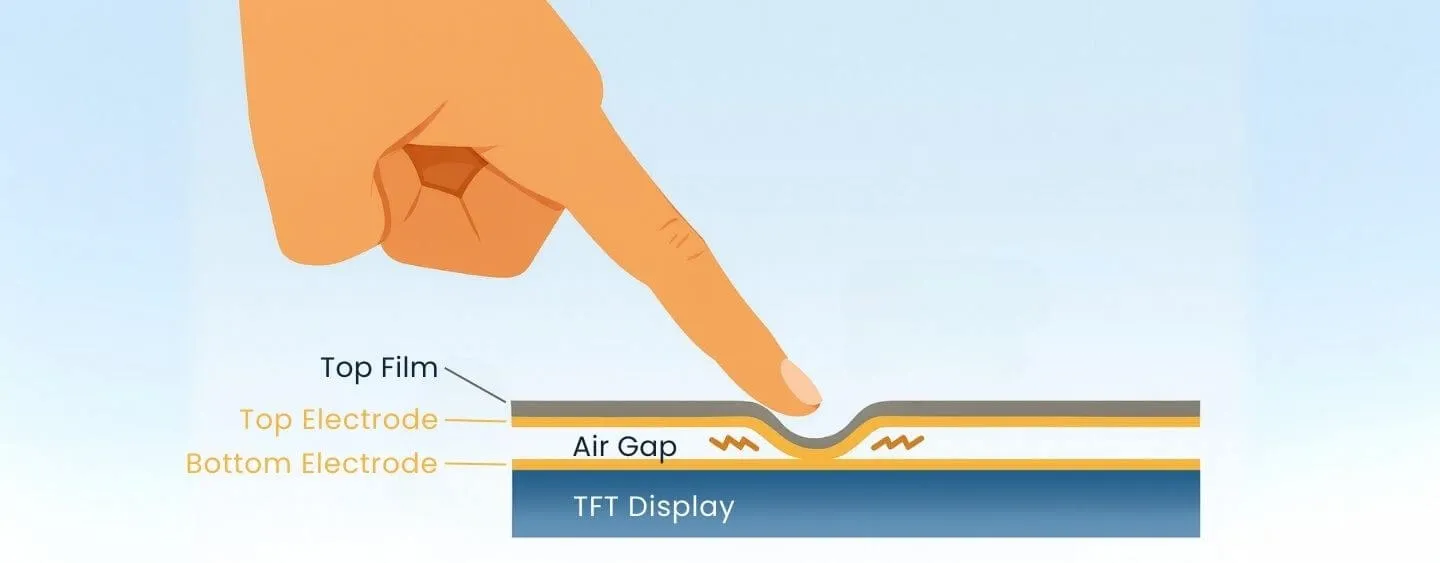
Explains differences between a capacitive touchscreen and a TFT LCD: the glass touch sensor detects input while the TFT LCD renders images, often stacked in smartphones.
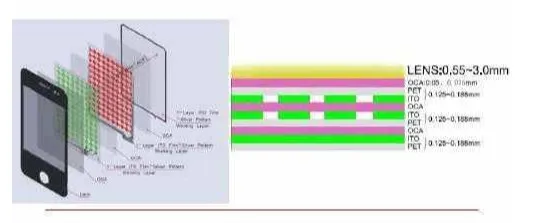
Explains why capacitive touchscreens require skin contact to register swipes, contrasts resistive touchscreens and styluses, and summarizes capacitive coupling principles.
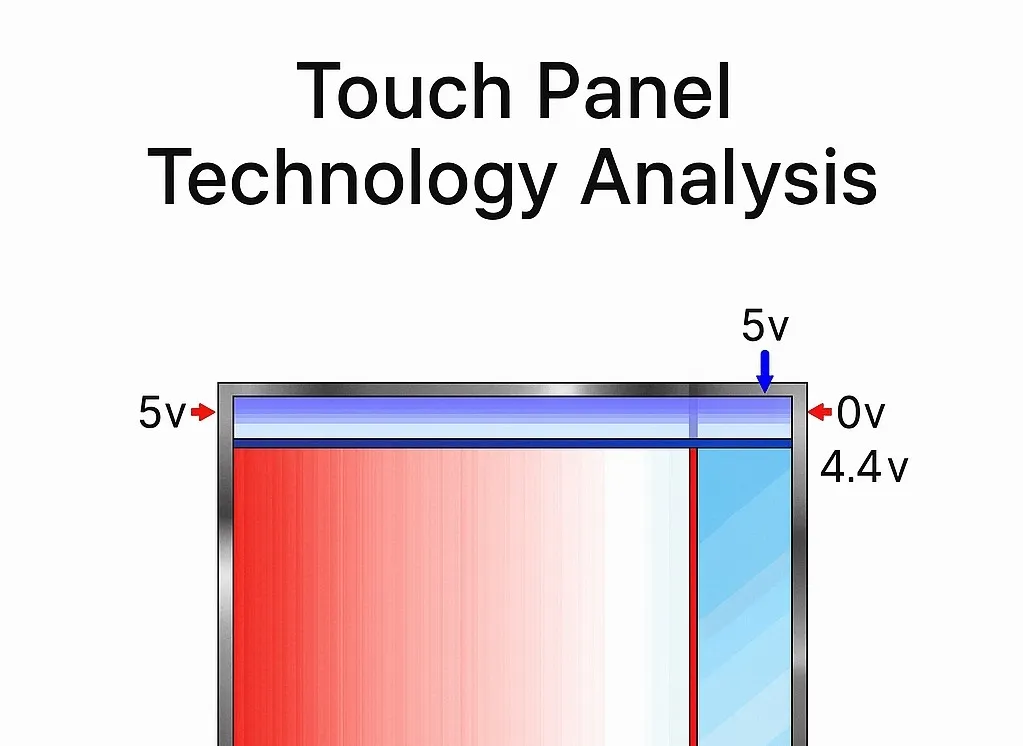
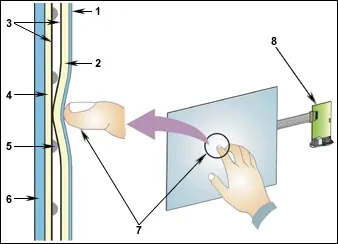
Overview of touch panel technologies comparing resistive touch panels (FG vs polyester-laminated safety) and capacitive touch panels, with optical transmittance and anti-glare
Technical overview of capacitive touchscreen operation: explains capacitance, ITO electrode grids, projected-capacitive multitouch sensing, and why protectors work but gloves fail.
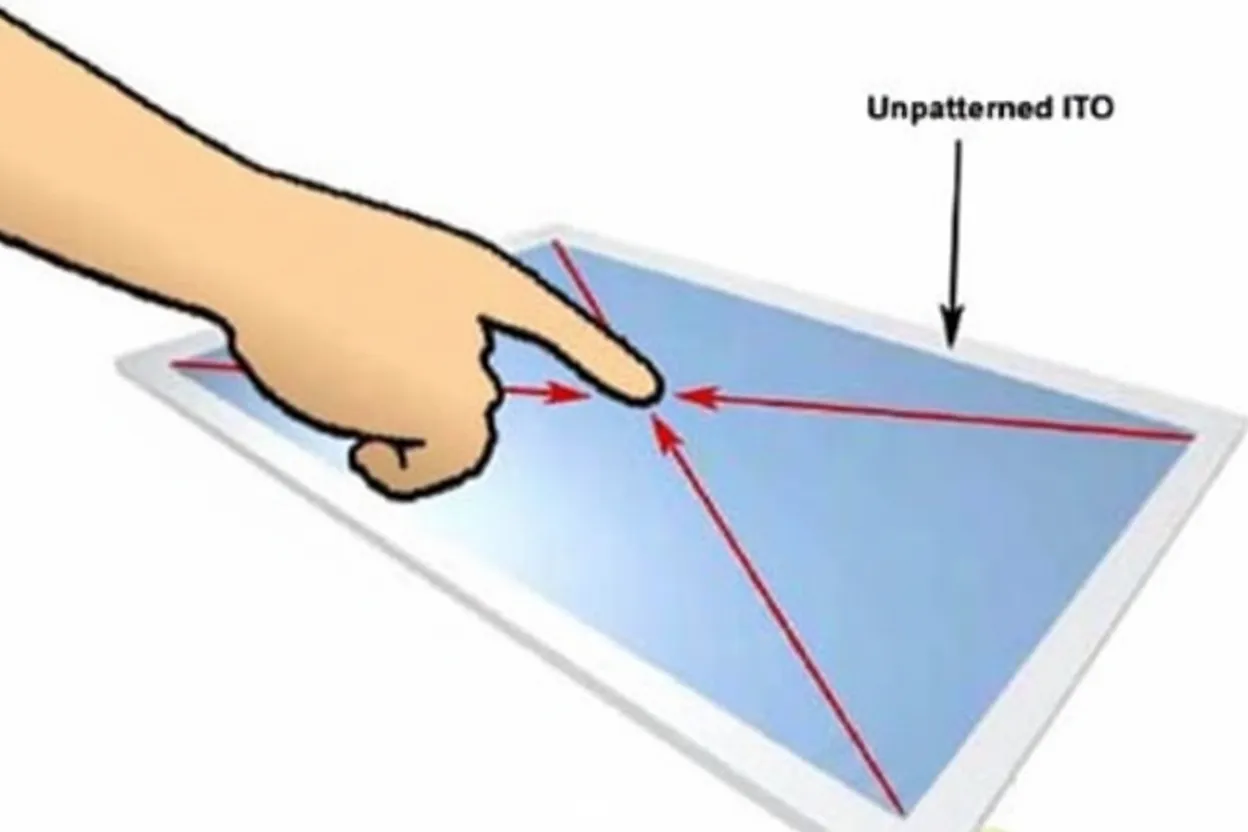
Explains capacitive screens, differences between surface and projective capacitive technology, and why multitouch depends on sensing architecture and controller design.
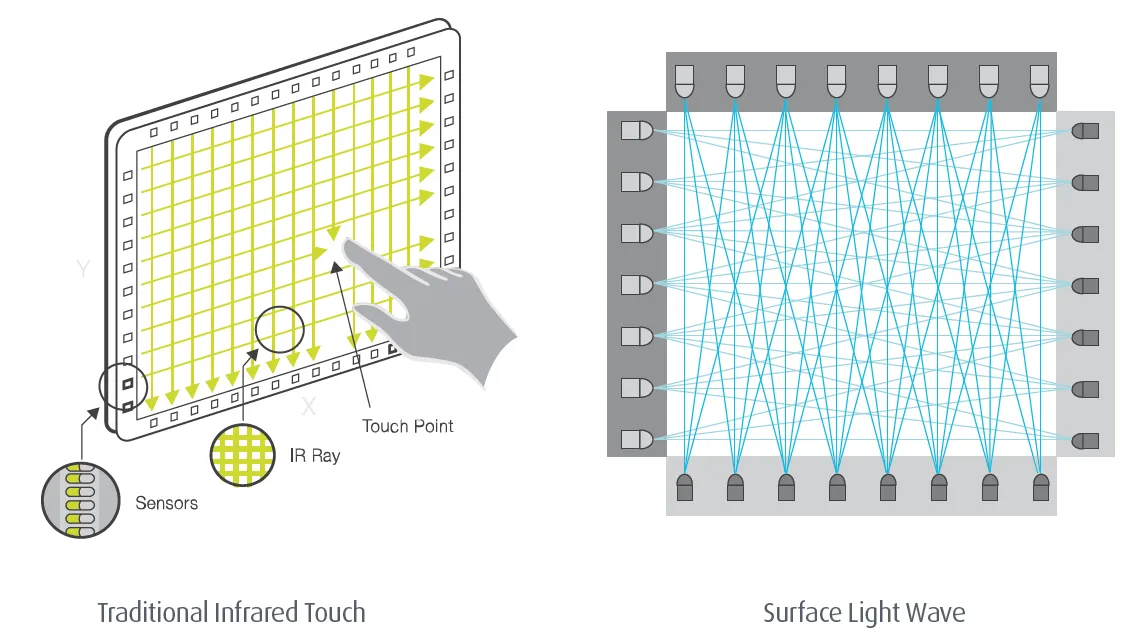
Surface Light Wave (SLW) multipoint touch technology detects 'net breaks' in a surface light network to locate multiple touch points and approximate object contours.
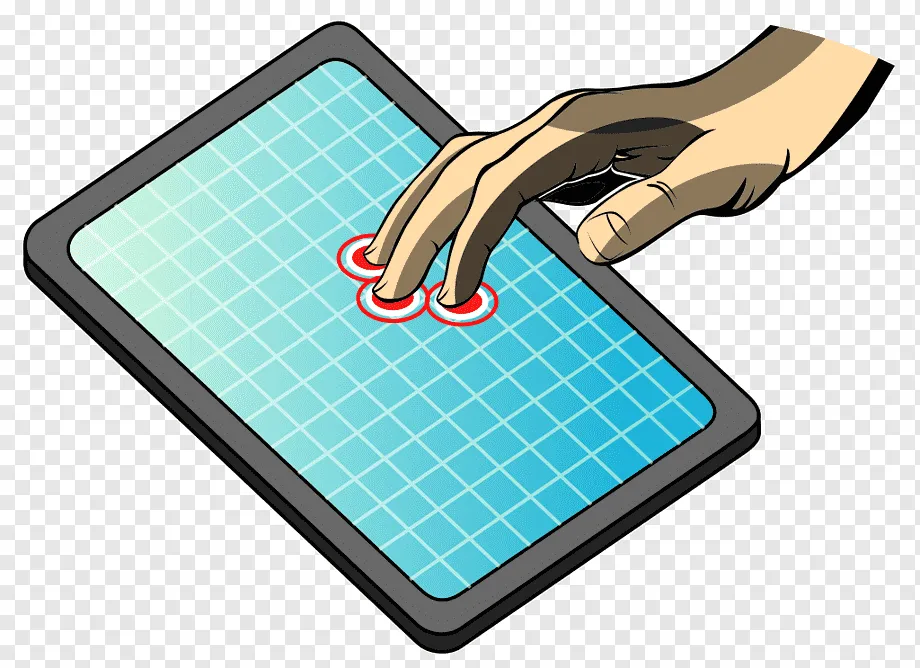
Technical overview of multi-touch technology: multi-point input, gesture recognition, and common implementations (LLP, FTIR, optical) for interactive displays.
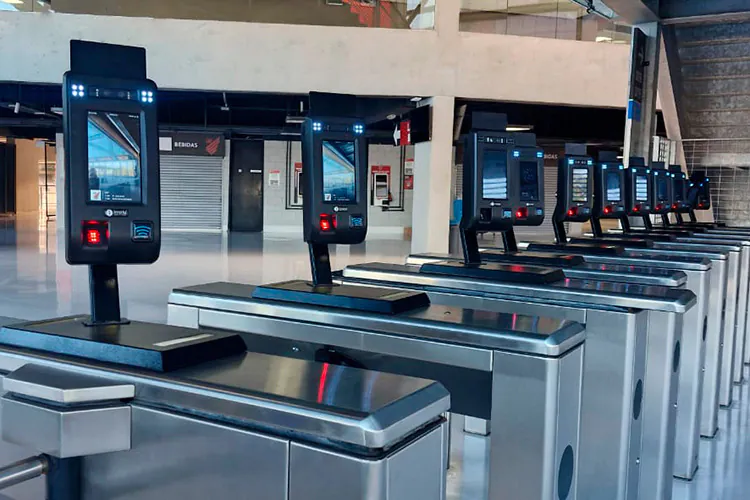
Technical overview of a stadium security system integrating face recognition with electronic ticketing for access control, real-time verification and liveness detection.
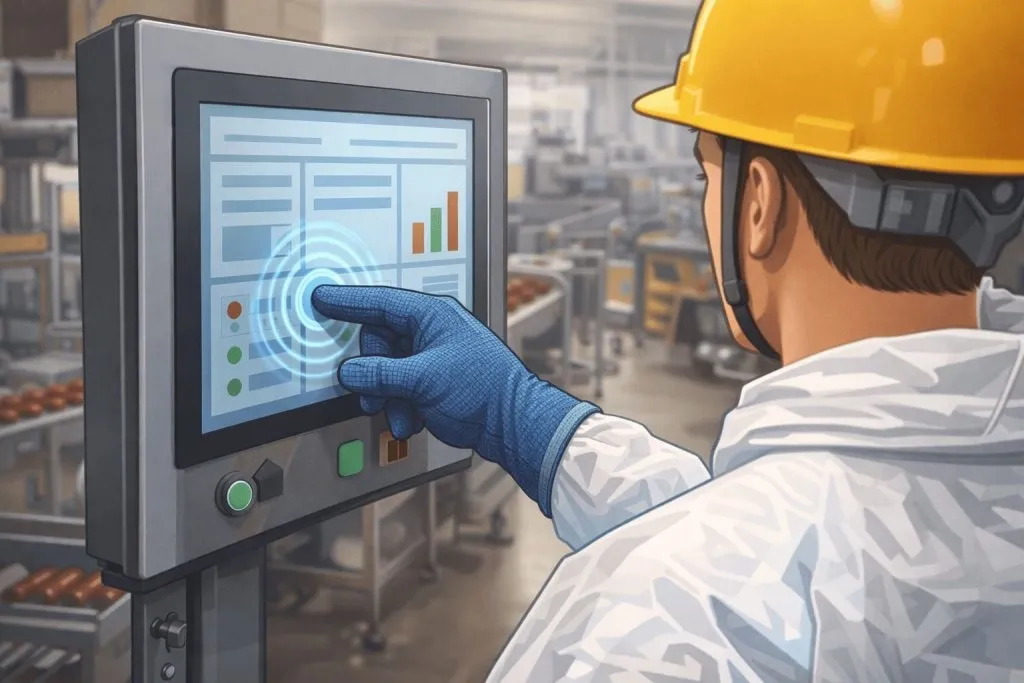
Overview of resistive touchscreen vs capacitive touchscreen operation, stylus input, why nonconductive gloves fail, and water effects on touch and fingerprint sensors.
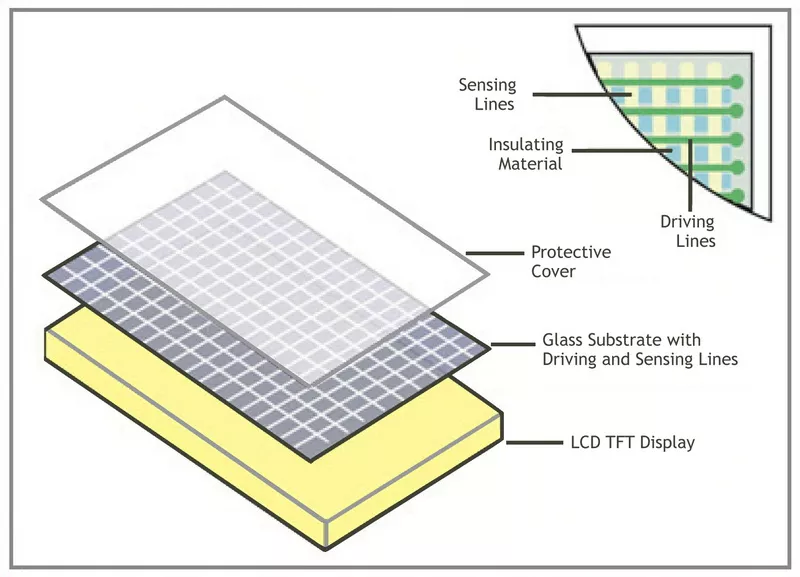
Overview of metal mesh as an ITO alternative for touch panels: materials, fabrication methods, adoption and key challenges in transmittance, line width, and durability.
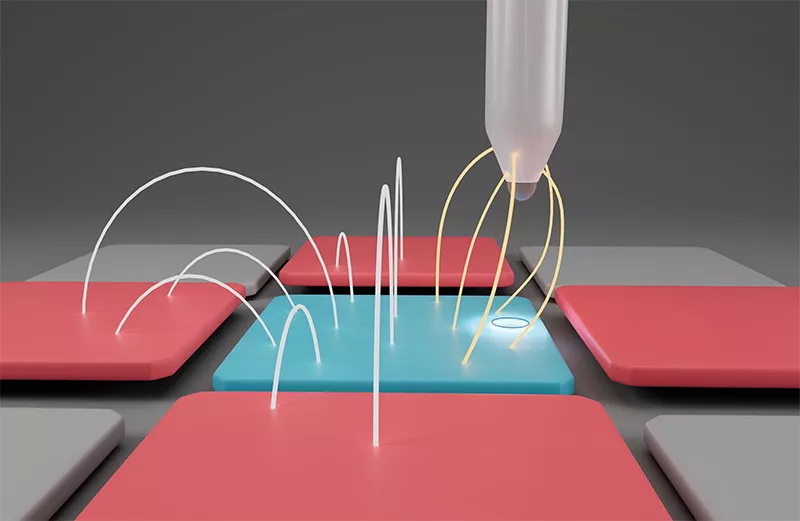
Technical overview of capacitive stylus materials, active vs passive operation, and how capacitive touchscreens detect input via surface capacitance and electrode current ratios.