ALLPCB


In the fast-evolving world of automotive electronics, how are manufacturers keeping up with the demand for compact, durable, and efficient systems? The answer lies in flexible PCBs. These innovative circuit boards are transforming the way automotive electronics are designed and manufactured, offering unmatched adaptability for modern vehicles. Whether it's for sensors, lighting, or vibration-resistant designs, flexible PCBs are bending the rules of traditional electronics manufacturing to meet the unique challenges of the automotive industry.
In this blog, we'll dive deep into the role of flexible PCBs in automotive applications. From their benefits in design to their specific uses in sensors and lighting, we'll explore how these boards are driving innovation. Let's uncover why flexible PCBs are becoming a game-changer for automotive PCB design and manufacturing.
What Are Flexible PCBs and Why Do They Matter in Automotive Design?
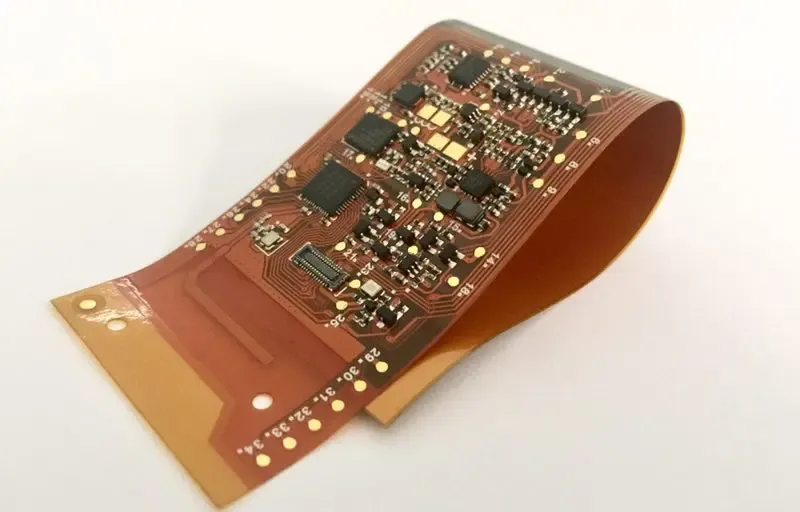
Flexible PCBs, or flex circuits, are printed circuit boards made from flexible materials like polyimide. Unlike rigid PCBs, they can bend, fold, and twist without breaking, making them ideal for tight spaces and complex designs. In the automotive industry, where space is often limited and components face harsh conditions, flexible PCBs offer a solution that traditional boards can't match.
The importance of flexible PCBs in automotive electronics lies in their ability to adapt to unique shapes and withstand environmental challenges. Cars are packed with electronics for everything from engine control to infotainment systems. Flexible PCBs allow designers to fit circuits into irregular spaces, reduce weight, and improve reliability under vibration and temperature changes. With the rise of electric vehicles (EVs) and advanced driver-assistance systems (ADAS), the demand for such adaptable and durable solutions is higher than ever.
The Benefits of Flexible PCBs in Automotive Electronics
Flexible PCBs bring several advantages to automotive manufacturing. Let's break down the key benefits that make them indispensable for modern vehicle electronics.
1. Space-Saving Design for Compact Automotive Systems
Modern vehicles are loaded with electronic components, but the space to house them is limited. Flexible PCBs can be folded or shaped to fit into narrow or irregular areas, such as behind dashboards or within door panels. This space-saving capability is critical for automotive PCB design, where every millimeter counts. For instance, a flex circuit can reduce the need for multiple connectors and cables, cutting down on bulk and simplifying assembly.
2. Lightweight Construction for Fuel Efficiency
Weight reduction is a top priority in automotive design, especially for electric vehicles where efficiency directly impacts range. Flexible PCBs are much lighter than their rigid counterparts because they use thinner materials and require fewer additional parts. This lightweight nature contributes to better fuel economy in traditional vehicles and extended battery life in EVs.
3. Enhanced Durability for Harsh Conditions
Automotive electronics face extreme conditions, including temperature swings, humidity, and constant vibration. Flexible PCBs are built to endure these challenges. Their materials are often resistant to thermal expansion, and their design minimizes stress points that could lead to cracks or failures. This makes them a go-to choice for vibration-resistant PCB applications in vehicles.
4. Cost-Effective Manufacturing and Assembly
While the initial cost of designing a flexible PCB may be higher, the overall manufacturing process can save money. Flex circuits reduce the number of components and connectors needed, lowering assembly time and labor costs. Additionally, their reliability reduces the likelihood of costly repairs or recalls due to electronic failures.

Applications of Flexible PCBs in Automotive Electronics
Flexible PCBs are used in various automotive systems, from critical safety components to aesthetic features. Here, we'll focus on their role in sensors and lighting, two areas where their unique properties shine.
Flexible PCB for Sensors: Precision in Tight Spaces
Sensors are the eyes and ears of modern vehicles, monitoring everything from engine performance to driver behavior in ADAS. Flexible PCBs for sensors are ideal because they can conform to small, oddly shaped areas where rigid boards wouldn't fit. For example, proximity sensors in bumpers or pressure sensors in seats often rely on flex circuits to maintain accuracy without adding bulk.
Moreover, flexible PCBs enhance signal integrity in sensor applications. Their design minimizes electromagnetic interference (EMI), ensuring that data from sensors is transmitted accurately. In a typical automotive sensor setup, a flexible PCB might handle impedance values as low as 50 ohms to maintain high-speed signal transmission, crucial for real-time safety systems.
Flexible PCB for Lighting: Efficiency and Aesthetics
Lighting in vehicles isn't just about visibility—it's also about style and energy efficiency. Flexible PCBs for lighting are widely used in LED systems for interior ambient lighting, headlights, and taillights. Their ability to bend allows designers to create sleek, curved lighting strips that enhance a car's look while saving space.
In terms of performance, flexible PCBs support high-density LED arrangements with efficient heat dissipation. They can handle current loads of up to 2 amps per trace in some designs, ensuring bright, consistent illumination without overheating. This makes them a perfect fit for modern automotive lighting systems that prioritize both form and function.

Vibration-Resistant PCB Design: A Must for Automotive Reliability
One of the standout features of flexible PCBs in automotive applications is their vibration resistance. Vehicles are constantly exposed to bumps, engine vibrations, and road conditions that can damage traditional rigid PCBs. A vibration-resistant PCB design using flexible materials absorbs shocks better and reduces the risk of solder joint failures or trace cracks.
In practice, flexible PCBs are often paired with strain relief techniques during installation to further enhance durability. For example, in engine control units (ECUs), a flex circuit might be mounted with dampening materials to withstand vibrations at frequencies up to 200 Hz, a common range for automotive environments. This resilience ensures that critical systems like braking or steering remain operational even under stress.
Challenges in Using Flexible PCBs for Automotive Applications
While flexible PCBs offer numerous benefits, they come with challenges that manufacturers must address to ensure optimal performance.
Complex Design and Manufacturing Process
Designing a flexible PCB for automotive use requires precision. Engineers must account for bend radius limits—typically a minimum of 10 times the thickness of the board—to avoid damaging traces. For a 0.1 mm thick flex circuit, this means a minimum bend radius of 1 mm. Miscalculations can lead to signal loss or mechanical failure, so advanced simulation tools are often used during the design phase.
Suggested Reading: Flexible PCB Manufacturing: A Step-by-Step Guide
Flexible PCB Design: Best Practices for Bendable Circuit Applications
Material Selection for Harsh Environments
Automotive electronics operate in extreme conditions, with temperatures ranging from -40°C to 85°C or higher. Flexible PCB materials must be chosen carefully to resist thermal degradation and maintain performance. Polyimide is a common choice due to its thermal stability, but it can be more expensive than other options, impacting overall costs.
Testing for Reliability
Before deployment, flexible PCBs must undergo rigorous testing to meet automotive standards like ISO 16750, which covers environmental conditions and electrical testing. Vibration tests might simulate 10 million cycles at varying frequencies to ensure the board won't fail in real-world conditions. This thorough testing adds time to the development process but is essential for safety and reliability.
Future Trends: The Road Ahead for Flexible PCBs in Automotive Electronics
The role of flexible PCBs in automotive manufacturing is only set to grow as vehicles become more connected and electrified. Here are a few trends shaping their future.
Integration with Electric Vehicles (EVs)
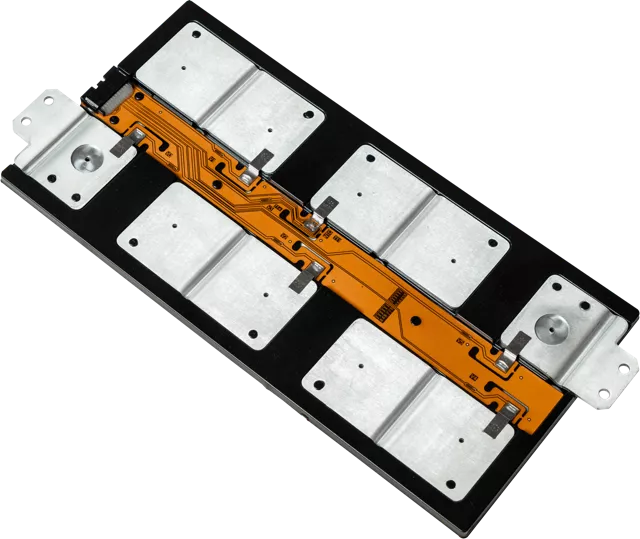
As EVs become mainstream, the need for lightweight, space-efficient electronics is critical. Flexible PCBs are being used in battery management systems (BMS) to monitor cell performance and optimize energy usage. Their ability to fit into compact battery packs while handling high current loads—sometimes up to 10 amps per trace—makes them invaluable.
Advancements in Autonomous Driving Systems
Autonomous vehicles rely on a network of sensors and cameras, all of which need reliable, compact circuitry. Flexible PCBs are at the forefront of this technology, enabling high-speed data transmission for real-time decision-making. Signal speeds in these systems can reach up to 5 Gbps, requiring precise PCB design to avoid latency or interference.
Sustainability in Manufacturing
The push for greener manufacturing is influencing PCB production. Flexible PCBs can reduce material waste by minimizing the need for additional connectors and cables. Additionally, advancements in recyclable flex materials are making them a more sustainable choice for automotive electronics.
How to Choose the Right Flexible PCB for Your Automotive Project
Selecting a flexible PCB for automotive applications requires careful consideration of several factors. Start by defining the environmental conditions your board will face, such as temperature ranges and vibration levels. Next, consider the space constraints and bend requirements to ensure the design won't compromise performance.
Work with a trusted PCB manufacturer who understands automotive standards and can provide materials suited for harsh conditions. Look for options with proven thermal resistance and low dielectric constants (around 3.4 for polyimide) to maintain signal integrity. Finally, prioritize thorough testing and validation to guarantee reliability in the field.
Conclusion: Flexible PCBs Are Driving the Future of Automotive Electronics
Flexible PCBs are revolutionizing automotive electronics manufacturing by offering solutions that rigid boards simply can't match. From space-saving designs to vibration-resistant durability, they meet the unique demands of modern vehicles with ease. Whether it's a flexible PCB for sensors ensuring precise data collection or a flexible PCB for lighting enhancing a car's aesthetic appeal, these circuits are paving the way for smarter, safer, and more efficient automotive systems.
As the industry moves toward electric and autonomous vehicles, the importance of flexible PCBs in automotive PCB design will only grow. Their ability to adapt, endure, and innovate makes them a cornerstone of the future of transportation. By embracing this technology, manufacturers can stay ahead in a competitive market while delivering cutting-edge solutions to drivers worldwide.