ALLPCB


HASL, or hot air solder leveling, remains one of the most widely used surface finishes for printed circuit boards because it provides a robust solderable coating at relatively low cost. In this process, flux serves as a critical chemical agent that prepares copper surfaces by removing oxides and contaminants. Proper flux selection and application directly influence solder wetting, joint reliability, and long-term board performance. Engineers must understand flux behavior to optimize manufacturing outcomes and meet quality requirements in demanding applications.
What Is Flux in HASL and Why It Matters
Flux in the HASL process is a chemical formulation applied to bare copper traces before immersion in molten solder. Its primary functions include oxide removal, surface tension reduction, and promotion of uniform solder wetting across the board. Without effective flux, solder would bead up or fail to adhere properly, leading to defects such as dewetting or incomplete coverage. Industry standards emphasize flux performance because it affects both immediate process yield and the long-term integrity of solder joints. Effective flux management also supports compliance with environmental and reliability expectations in modern electronics manufacturing.
Technical Principles of Flux in HASL
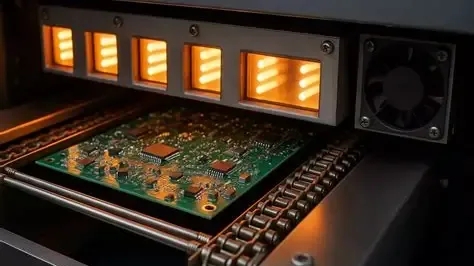
Flux operates through a combination of chemical and physical mechanisms during the brief contact time with molten solder. Activators within the flux chemically reduce metal oxides on the copper surface, exposing clean metal for intermetallic compound formation. Solvents and surfactants lower the surface tension of the molten solder, enabling it to flow evenly into vias, pads, and fine features. The flux must remain active at the elevated temperatures of the solder pot, typically around 250 degrees Celsius, while avoiding excessive charring or residue that could interfere with leveling. Controlled activation ensures reliable wetting without damaging the laminate or copper features. These mechanisms are governed by established specifications that classify flux activity levels and residue characteristics.
Types of Flux Used in HASL
Several flux categories are employed in HASL depending on board complexity, cleaning requirements, and end-use environment. Rosin-based fluxes offer moderate activity with relatively benign residues that may not always require removal. Water-soluble fluxes provide higher activity for challenging surfaces but necessitate thorough cleaning afterward to prevent corrosion. No-clean fluxes are formulated for minimal residue and are increasingly popular where post-process cleaning is undesirable. Low-solids fluxes reduce volatile organic compound emissions while maintaining adequate wetting performance. Selection among these types balances process speed, cleaning infrastructure, and reliability targets specified in relevant industry documents.
Flux Application Methods
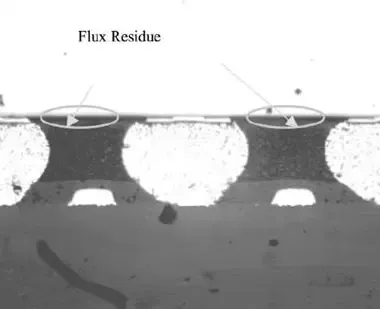
Flux can be applied through several proven techniques in HASL lines. Spray application delivers a uniform thin film across large panels and allows precise control of volume through nozzle pressure and speed. Foam or wave fluxers provide consistent coverage on both sides of the board in high-volume production. Dip coating suits smaller batches or prototype runs where simplicity is preferred. Regardless of method, the goal is even distribution without pooling or dry spots that could cause localized dewetting. Application parameters such as flux solids content, temperature, and dwell time must be monitored to maintain process stability and consistent solder leveling results.
Best Practices for Flux Application and Residue Management
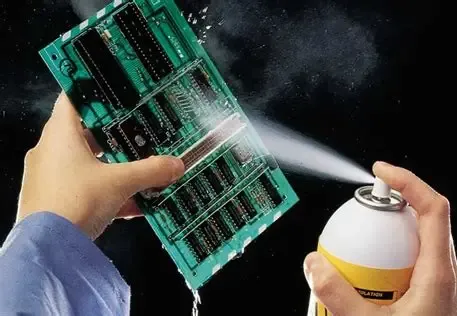
Process control begins with matching flux activity to the oxidation level of incoming copper and the required solder thickness. Boards should enter the flux station with minimal handling to avoid recontamination. After HASL, residue removal follows documented cleaning protocols when required, typically using aqueous or semi-aqueous systems matched to the flux chemistry. Monitoring ionic contamination levels after cleaning verifies that residues will not compromise long-term reliability. Regular maintenance of flux tanks prevents degradation of active ingredients and maintains consistent performance across production lots. These practices align with established soldering flux requirements that define acceptable activity levels and residue behavior.
Conclusion
Flux is indispensable in achieving reliable HASL finishes because it enables oxide removal and promotes consistent solder wetting on copper surfaces. Understanding the distinctions among flux types and selecting appropriate application methods allows manufacturers to balance process efficiency with quality outcomes. Attention to residue management further supports board reliability and compliance with industry expectations. Engineers who apply these principles systematically can optimize HASL processes for a wide range of electronic assemblies.
FAQs
Q1: What role does HASL flux play in achieving good solder wetting?
A1: HASL flux removes oxides from copper surfaces and reduces surface tension of molten solder, enabling uniform wetting and coverage across pads and traces during the leveling process.
Q2: How do different flux types affect post-HASL PCB cleaning requirements?
A2: Rosin and no-clean fluxes often leave residues that may not require aggressive cleaning, while water-soluble fluxes demand thorough aqueous cleaning to eliminate potentially corrosive materials and meet cleanliness standards.
Q3: What are common flux application methods used in HASL lines?
A3: Spray, foam, and dip methods are widely employed; each provides different levels of control over flux volume and uniformity depending on production volume and board geometry.
Q4: Why is flux residue removal important after HASL?
A4: Incomplete removal of active flux residues can lead to corrosion or electrical leakage over time, so proper cleaning ensures long-term reliability of the finished printed circuit board assembly.
References
IPC J-STD-004 — Requirements for Soldering Fluxes. IPC
IPC J-STD-001 — Requirements for Soldered Electrical and Electronic Assemblies. IPC
IPC-A-610 — Acceptability of Electronic Assemblies. IPC