ALLPCB


In the fast-evolving hospitality industry, hotel automation is transforming guest experiences and operational efficiency. At the heart of this revolution lies the design of smart hotel PCB (Printed Circuit Board) systems, which power IoT-enabled room controls. These advanced PCBs integrate wireless communication protocols, connect seamlessly with hotel management systems, and enable guest personalization like never before. But what exactly are these technologies, and how do they shape the future of hotels? In this blog, we’ll dive deep into the cutting-edge features of room control PCBs and explore how they drive automation in modern hotels.
What Are Room Control PCBs and Why Do They Matter?
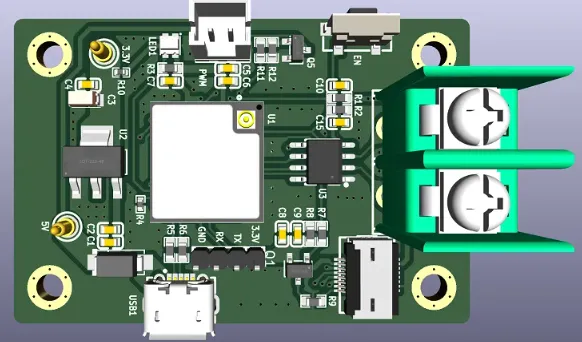
Room control PCBs are the backbone of smart hotel technology. These compact electronic boards manage and control various in-room systems, such as lighting, temperature, curtains, and entertainment devices. By embedding IoT (Internet of Things) capabilities, these PCBs allow hotels to automate processes, reduce energy consumption, and offer personalized experiences to guests. With the global smart hotel market expected to grow significantly by 2030, the role of advanced PCB design in hotel automation cannot be overstated.
For engineers and hotel technology innovators, understanding the intricacies of smart hotel PCB design is crucial. These boards must handle multiple inputs and outputs, support wireless communication protocols, and ensure reliable integration with hotel management systems. Let’s explore the key features that make these PCBs the future of hotel automation.
Key Features of IoT-Enabled Room Controls in Smart Hotels
IoT-enabled room controls are redefining how hotels operate by connecting devices and systems through a central PCB. Here are the standout features that make these controls indispensable:
1. Seamless Device Connectivity
Modern room control PCBs are designed to connect multiple devices within a hotel room. Using IoT technology, a single board can manage lighting dimmers, HVAC systems, smart locks, and even in-room tablets. This connectivity relies on low-power, high-speed microcontrollers with clock speeds often exceeding 100 MHz to ensure real-time response. For instance, a guest can adjust room temperature from a mobile app, and the PCB processes the command instantly, ensuring comfort without delay.
2. Energy Efficiency and Sustainability
Energy management is a critical aspect of hotel automation. Smart PCBs integrate sensors to detect occupancy and adjust power usage accordingly. For example, if a room is unoccupied, the PCB can lower the HVAC output and turn off lights, reducing energy consumption by up to 30%, according to industry studies. This not only cuts costs for hoteliers but also aligns with global sustainability goals.
Wireless Communication Protocols: The Backbone of Smart Hotel PCBs
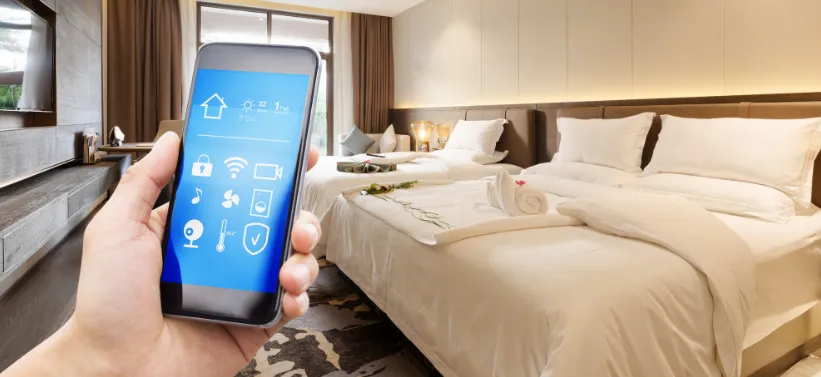
Wireless communication is at the core of IoT-enabled room controls, allowing seamless interaction between devices and hotel systems. Here’s how different protocols play a role in smart hotel PCB design:
1. Wi-Fi for High-Speed Data Transfer
Wi-Fi is a popular choice for smart hotel systems due to its high data transfer rates, often reaching up to 1 Gbps in modern setups. Room control PCBs use Wi-Fi modules to connect with hotel management systems, enabling real-time updates on room status and guest preferences. However, Wi-Fi can consume more power, so PCB designers often balance it with low-power modes to extend device lifespan.
2. Zigbee and Z-Wave for Low-Power Connectivity
For in-room device communication, protocols like Zigbee and Z-Wave are ideal. These operate at frequencies around 2.4 GHz and 900 MHz, respectively, with low power consumption and a range of up to 100 meters. A smart hotel PCB using Zigbee can connect up to 65,000 devices in a mesh network, making it perfect for large hotels with multiple rooms and systems.
3. Bluetooth Low Energy (BLE) for Guest Interaction
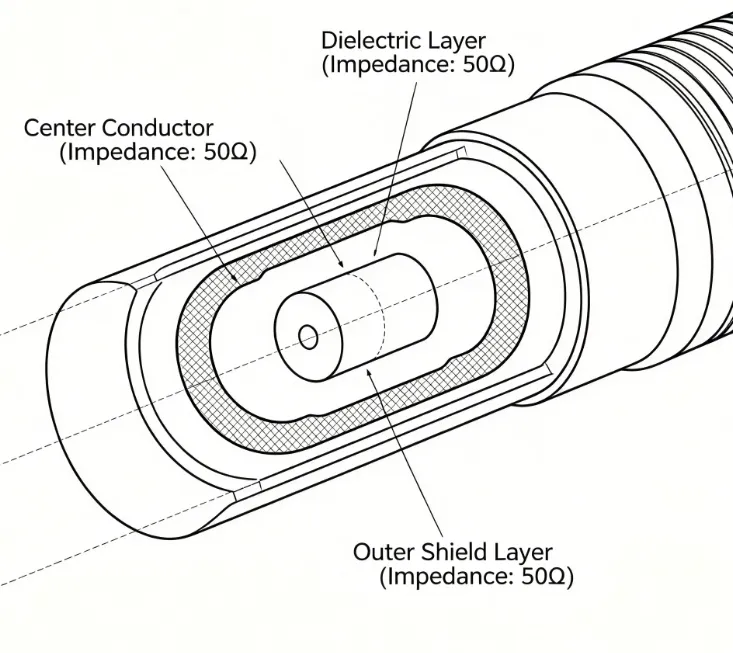
BLE is widely used for short-range communication between guest devices and room controls. With a typical range of 10-30 meters and data rates of up to 2 Mbps, BLE allows guests to unlock doors or control room settings via their smartphones. PCB designers must ensure minimal signal interference by optimizing antenna placement and maintaining impedance levels around 50 ohms for reliable connectivity.
Integration with Hotel Management Systems: Streamlining Operations
One of the most powerful aspects of smart hotel PCBs is their ability to integrate with hotel management systems (HMS). This integration allows for centralized control of operations and enhances both guest experience and staff efficiency. Here’s how it works:
1. Real-Time Data Synchronization
Room control PCBs communicate with the HMS to provide real-time updates on room status, such as occupancy, maintenance needs, or guest requests. For instance, when a guest checks out, the PCB can signal the HMS to adjust room settings and notify housekeeping—all without manual intervention. This synchronization relies on robust communication interfaces like UART or SPI, with data transfer speeds often exceeding 115,200 baud rates for minimal latency.
2. Automated Billing and Service Requests
Integration with HMS also enables automated billing for in-room services. If a guest orders room service through a smart tablet, the PCB relays the request to the HMS, which updates the guest’s bill instantly. This reduces errors and frees up staff for other tasks, improving overall efficiency.
Guest Personalization: Enhancing Experiences with Smart Technology
Guest personalization is a cornerstone of modern hospitality, and smart hotel PCBs play a pivotal role in delivering tailored experiences. With IoT-enabled PCBs, hotels can store guest preferences such as lighting levels, room temperature, and even TV channel selections. When a returning guest checks in, the PCB retrieves this data from the HMS and automatically adjusts the room settings. For example, a guest who prefers a cooler room at 18°C will find the HVAC preset to their liking upon arrival.
Design Challenges in Smart Hotel PCBs
While the benefits of smart hotel PCBs are clear, designing these boards comes with unique challenges. Engineers must address the following issues to ensure reliability and performance:
1. Power Management
Smart hotel PCBs often operate 24/7, managing multiple devices simultaneously. Efficient power management is critical to prevent overheating and extend board lifespan. Designers incorporate voltage regulators to maintain stable outputs (typically 3.3V or 5V) and use low-power components to minimize consumption, often targeting standby currents below 1 mA.
2. Signal Integrity and Interference
With multiple wireless protocols operating on a single PCB, signal interference is a concern. Engineers must carefully design trace layouts to maintain impedance matching (often at 50 ohms) and reduce crosstalk. Shielding techniques and ground planes are also essential to ensure clean signal transmission at frequencies up to 2.4 GHz.
3. Scalability and Compatibility
Hotels vary in size and technology needs, so PCBs must be scalable and compatible with different systems. Modular designs with expandable GPIO (General Purpose Input/Output) pins allow for easy upgrades, while standardized communication protocols ensure compatibility with various HMS platforms.
The Future of Hotel Automation: Trends to Watch
As we look ahead, several trends are shaping the future of hotel automation and smart PCB design. Based on insights from recent industry reports, here are some developments to keep an eye on:
1. AI Integration for Predictive Automation
Artificial Intelligence (AI) is increasingly being integrated into room control PCBs to enable predictive automation. For example, AI algorithms can analyze guest behavior patterns to anticipate needs, such as adjusting lighting before bedtime. This requires PCBs with higher processing power, often incorporating microcontrollers with speeds above 200 MHz.
2. Enhanced Security Features
With the rise of IoT, cybersecurity is a growing concern. Future smart hotel PCBs will likely include hardware-based encryption and secure boot mechanisms to protect data. These features ensure that guest information and room control commands remain safe from unauthorized access.
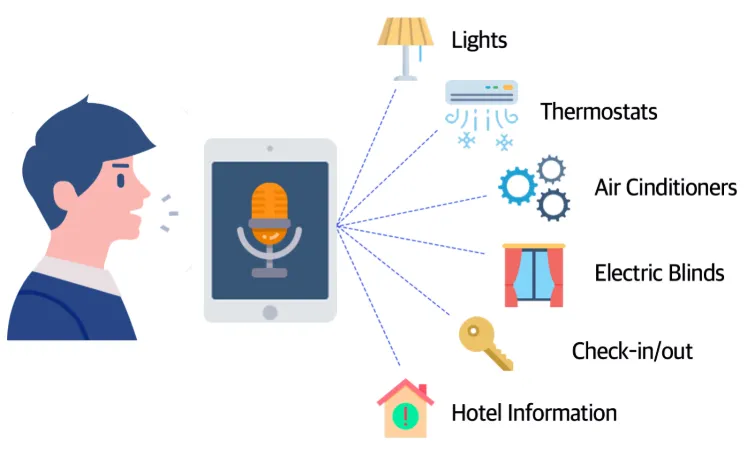
3. Voice-Controlled Systems
Voice assistants are becoming a staple in smart hotels. PCBs will need to support audio processing capabilities and low-latency communication to integrate with voice control devices. This trend enhances guest convenience by allowing hands-free operation of room features.
How ALLPCB Supports Smart Hotel PCB Development
At ALLPCB, we understand the unique demands of designing PCBs for hotel automation. Our advanced manufacturing capabilities ensure high-quality boards with precise trace widths (down to 0.1 mm) and layer counts tailored to complex IoT applications. Whether you’re developing a prototype for IoT-enabled room controls or scaling up production, our services provide the reliability and precision needed to bring your smart hotel solutions to life.
We also offer design support to optimize power efficiency and signal integrity, helping engineers overcome the challenges of wireless communication protocols and integration with hotel management systems. With fast turnaround times and strict quality control, we’re committed to powering the future of hotel automation.
Conclusion: Embracing the Future with Smart Hotel PCBs
The future of hotel automation lies in the innovative design of room control PCBs. From IoT-enabled room controls to seamless integration with hotel management systems, these boards are transforming how hotels operate and how guests experience their stays. By leveraging wireless communication protocols and prioritizing guest personalization, smart hotel PCB design is paving the way for more efficient, sustainable, and personalized hospitality solutions.
As technology continues to advance, staying ahead of trends like AI integration and enhanced security will be key for engineers and hoteliers alike. With the right PCB solutions, the possibilities for hotel automation are endless, promising a future where every guest stay is uniquely tailored and effortlessly managed.