 ALLPCB


Introduction
FR-4 PCBs serve as the backbone for countless electronic applications due to their balance of mechanical strength, electrical performance, and cost-effectiveness. As electric engineers designing or procuring boards, understanding FR-4 PCB industry standards becomes essential for mitigating risks in high-stakes environments like automotive controls or medical devices. These standards cover everything from material specifications to final assembly verification, ensuring boards withstand thermal cycling, mechanical stress, and environmental exposure. FR-4 PCB IPC standards, along with certifications like UL and compliance mandates such as RoHS and REACH, form a comprehensive framework that factory processes must adhere to rigorously. This article explores how these elements drive FR-4 PCB quality control and testing, providing factory-driven insights into achieving reliable production outcomes. By aligning with FR-4 PCB ISO standards, engineers can confidently specify boards that meet performance expectations without compromising on safety or longevity.
Understanding FR-4 Material and Its Core Specifications
FR-4, a flame-retardant glass-epoxy laminate, derives its designation from meeting specific fire safety criteria while offering robust insulation properties. Factory production begins with base materials defined under IPC-4101, which outlines requirements for laminates and prepregs used in rigid boards, including slash sheets like /24 for standard FR-4 grades. These specifications ensure consistent dielectric strength, peel strength, and dimensional stability across batches, critical for multilayer stackups. Engineers must verify that incoming materials align with these parameters to prevent issues like delamination during lamination cycles. Beyond material basics, performance qualifications fall under IPC-6012, establishing classes 1 through 3 for general, dedicated service, and high-reliability boards respectively. This structured classification allows precise matching of FR-4 PCB capabilities to application demands in controlled factory environments.
FR-4 PCB UL Certification: Prioritizing Flammability and Electrical Safety
UL certification plays a pivotal role in validating FR-4 PCB fire resistance, with the UL94 V-0 rating being the industry benchmark for self-extinguishing behavior after flame exposure. Factories conduct vertical burn tests on finished panels to confirm no sustained burning or dripping ignites underlying materials, directly tying into end-product safety for enclosed electronics. This certification also addresses comparative tracking index (CTI) for creepage and clearance under voltage stress, preventing insulation failures in humid conditions. For electric engineers, specifying UL-marked FR-4 ensures compliance with global safety directives without additional testing burdens. Integration of UL94 V-0 into FR-4 PCB UL certification processes reinforces factory quality gates, where non-conforming lots trigger rework or scrap. Overall, this certification bridges material properties to real-world hazard mitigation in deployed systems.
Environmental Compliance: RoHS and REACH in FR-4 PCB Production
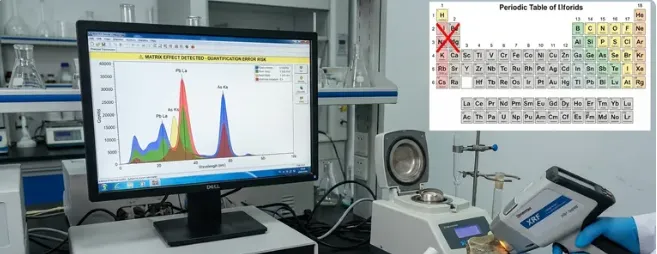
RoHS compliance restricts hazardous substances like lead, mercury, and certain flame retardants in FR-4 PCB materials and finishes, mandating factories to source verified suppliers. REACH extends this by regulating chemicals of very high concern across the supply chain, requiring declarations for epoxy resins and glass fabrics used in FR-4. Factory-driven implementation involves material datasheets review, incoming inspections, and process audits to maintain traceability from laminate to bare board. Electric engineers benefit from these measures as they reduce long-term reliability risks from material degradation or regulatory recalls. FR-4 PCB RoHS compliance and FR-4 PCB REACH compliance integrate seamlessly with IPC workflows, ensuring halogen-free options where specified without sacrificing performance. Proactive vendor qualification under these regimes minimizes supply disruptions in volume production.
Related Reading: Decoding RoHS Compliance: A Beginner's Guide for PCB Design
FR-4 PCB ISO Standards and Quality Management Systems
ISO 9001 provides the overarching quality management framework for FR-4 PCB production, emphasizing process controls, risk-based thinking, and continual improvement in factory operations. Certification requires documented procedures for supplier evaluation, in-process monitoring, and corrective actions, directly supporting consistent FR-4 PCB ISO standards adherence. Engineers can audit certified facilities confident in calibrated equipment and trained personnel handling critical steps like drilling and plating. This standard fosters a culture of defect prevention, aligning with IPC performance classes for class 3 high-reliability boards. Factories leverage ISO tools like FMEA to anticipate FR-4 warpage or voiding issues before they impact yield. Ultimately, FR-4 PCB ISO standards elevate from reactive inspection to proactive excellence in quality control.
FR-4 PCB Quality Control: Visual and Acceptability Criteria
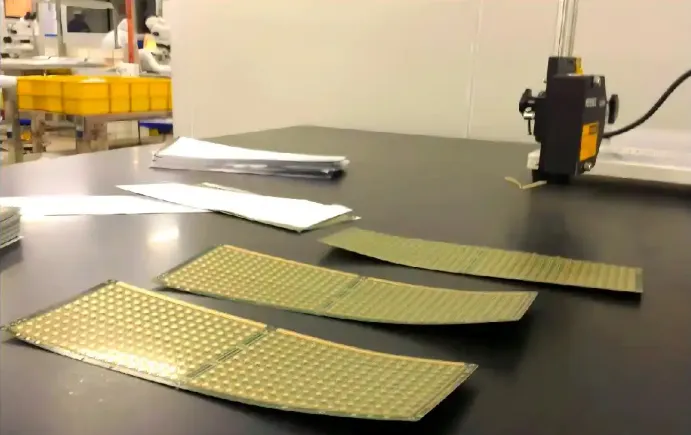
FR-4 PCB quality control hinges on IPC-A-600 acceptability criteria, which define visual and dimensional standards post-fabrication for classes 1, 2, and 3. Factories perform automated optical inspection (AOI) and manual verification for conductor spacing, solder mask registration, and plating uniformity on FR-4 surfaces. Non-conformances like mouse bites or measling trigger classification-specific dispositions, ensuring only qualified boards proceed to assembly. Electric engineers reference these criteria during design reviews to set realistic tolerances. Integrating FR-4 PCB IPC standards into QC protocols reduces field failures by addressing subtle defects early. This layered approach from raw material to finished panel guarantees reliability in demanding applications.

Comprehensive FR-4 PCB Testing Protocols
FR-4 PCB testing encompasses electrical, mechanical, and environmental validations per IPC-TM-650 methods, simulating operational stresses. Continuity, isolation, and high-voltage tests confirm via integrity and insulation resistance on production panels. Thermal shock and solder float exposures assess FR-4 stability under reflow profiles, while warpage measurements ensure planarity for assembly. Factories employ statistical process control to track parameters like Z-axis expansion, correlating to JEDEC moisture sensitivity levels. For high-reliability needs, ionic contamination and cross-section analysis verify plating thickness and void-free vias. These FR-4 PCB testing regimes, rooted in standardized protocols, provide quantifiable assurance of performance margins.
Related Reading: Introduction to PCB Testing: ICT, Flying Probe, and Functional Tests
Best Practices for FR-4 PCB Standards Compliance in Factory Settings
Start with supplier audits confirming IPC-4101-compliant FR-4 laminates and UL94 V-0 ratings to build a robust material foundation. Implement panel-level process controls, including bake-out for moisture and etchback monitoring for hole quality. Use design for manufacturability (DFM) checks against IPC-6012 to flag potential class 3 violations early. Maintain full traceability via lot coding and retain samples for failure analysis. Conduct periodic cross-audits blending ISO 9001 and RoHS/REACH documentation for holistic compliance. Electric engineers partnering with such factories experience fewer iterations, faster prototyping, and dependable volume ramps.
Conclusion
Adhering to FR-4 PCB industry standards transforms potential vulnerabilities into proven strengths across the production lifecycle. From IPC-defined material and performance specs to UL safety validations and RoHS/REACH environmental mandates, these frameworks ensure FR-4 boards deliver unwavering reliability. Factory insights reveal that integrated FR-4 PCB quality control and testing not only meet but exceed engineer expectations in critical applications. ISO standards further solidify this by embedding continuous improvement into operations. Prioritizing these elements equips teams to navigate complexities, fostering innovation without reliability trade-offs. Ultimately, standards-aligned FR-4 PCBs stand as the reliable choice for electric engineering excellence.
FAQs
Q1: What are the key FR-4 PCB IPC standards for quality assurance?
A1: FR-4 PCB IPC standards like IPC-4101 for base materials and IPC-6012 for rigid board performance define qualification criteria across classes 1 to 3. Factories use these for material specs, plating integrity, and thermal endurance testing. Compliance ensures dimensional stability and electrical reliability, critical for electric engineers specifying high-volume runs. Adherence minimizes defects like delamination or via failures.
Q2: How does FR-4 PCB UL certification impact design choices?
A2: FR-4 PCB UL certification, particularly UL94 V-0, confirms flame retardancy and CTI for safe operation in enclosures. Engineers select certified materials to meet safety regs without custom testing. Factory processes validate this via burn tests and tracking indices, supporting class 2/3 applications. It directly influences stackup decisions for thermal management.
Q3: Why is FR-4 PCB RoHS compliance essential in modern manufacturing?
A3: FR-4 PCB RoHS compliance eliminates restricted substances in resins, foils, and finishes, aligning with global directives. Factories enforce supplier declarations and XRF screening for traceability. Electric engineers avoid supply chain risks and enable EU market access. It pairs with REACH for comprehensive environmental stewardship without performance loss.
Q4: What role does FR-4 PCB testing play in ISO standards?
A4: Under FR-4 PCB ISO standards like 9001, testing protocols per IPC-TM-650 verify warpage, continuity, and contamination. Factories integrate these into QMS for process capability indices. Engineers gain confidence in field performance through data-driven validations. This systematic approach prevents escapes and supports certification audits.
References
IPC-6012F — Qualification and Performance Specification for Rigid Printed Boards. IPC, 2023
IPC-4101E — Specification for Base Materials for Rigid and Multilayer Printed Boards. IPC, 2010
IPC-A-600K — Acceptability of Printed Boards. IPC, 2020
ISO 9001:2015 — Quality Management Systems. ISO, 2015





