ALLPCB


Introduction
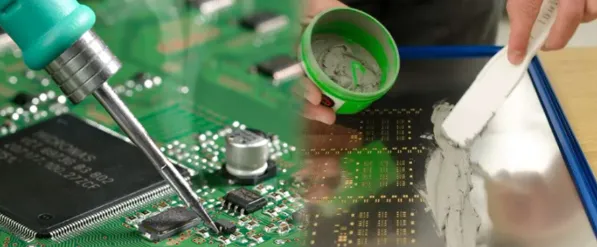
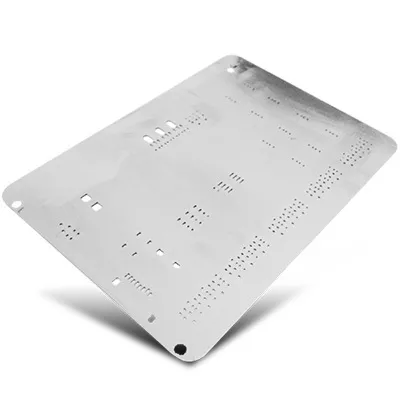
Stainless steel stencils serve as essential tools in surface-mount technology assembly lines where high production volumes demand repeatable and accurate solder paste application. These stencils consist of thin stainless steel sheets perforated with precisely formed apertures that align with component pads on printed circuit boards. Engineers favor them because the material maintains structural integrity through thousands of print cycles while resisting deformation under tension and cleaning processes. In automated assembly environments, consistent paste volume directly influences joint quality and overall yield. The durability of stainless steel reduces downtime associated with stencil replacement or rework.
What Is a Stainless Steel Stencil and Why It Matters
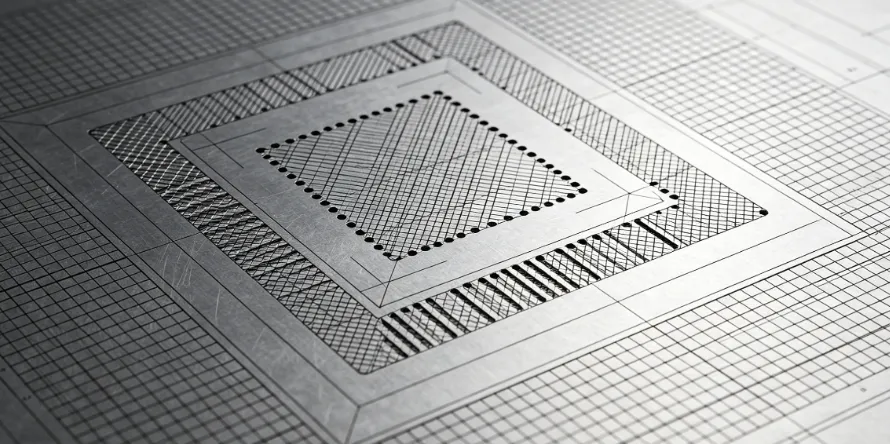
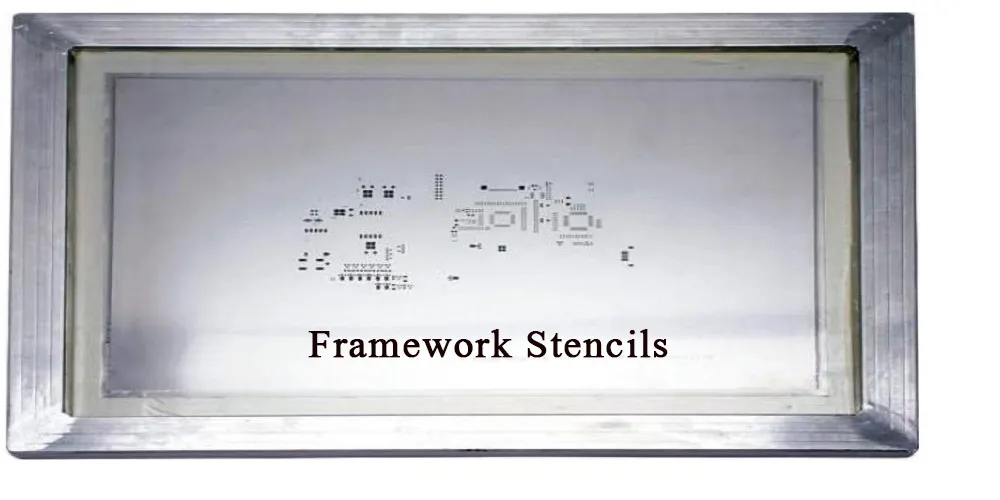
A stainless steel stencil functions as a precision mask that transfers solder paste onto PCB pads during the printing stage of automated assembly. Manufacturers typically produce these stencils through laser cutting, which creates clean, straight aperture walls that promote reliable paste release. Framed stencils incorporate a rigid frame that maintains uniform tension across the foil, supporting high-speed printing operations without flexing. In high-volume production, the choice of stencil material affects throughput, defect rates, and long-term operational costs. Stainless steel offers a balance of hardness and corrosion resistance that supports extended service life compared with softer alternatives.
Technical Principles of Stencil Performance
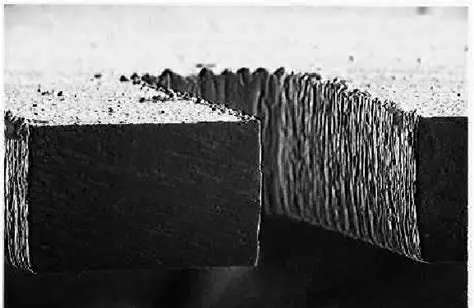
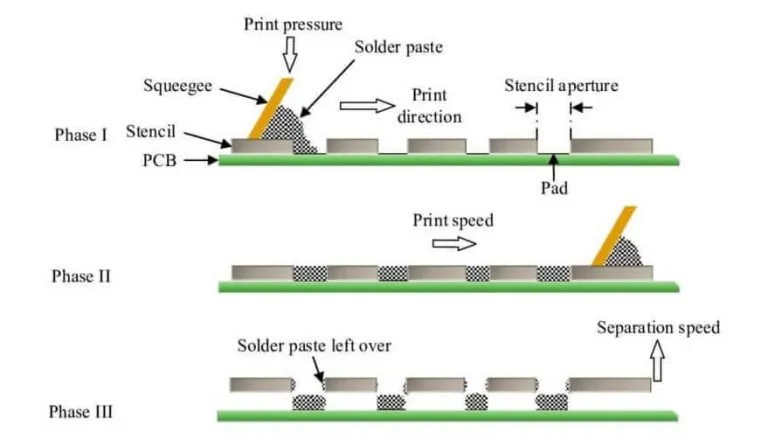
Laser cutting creates apertures with minimal taper and smooth sidewalls, allowing solder paste to release cleanly onto pads during squeegee action. The inherent stiffness of stainless steel helps maintain aperture geometry even when the stencil experiences repeated mechanical stress from printing and cleaning cycles. Material thickness selection influences paste volume; thicker foils deposit more paste for larger components, while thinner foils suit fine-pitch devices. Framed designs apply consistent tension that prevents foil distortion, ensuring alignment accuracy across large panels. Engineers evaluate stencil performance by considering factors such as aperture aspect ratio and area ratio, which govern paste transfer efficiency in automated lines.
Related Reading: How to Choose the Right Stencil Material: Stainless Steel vs. Nickel for PCB Assembly
Best Practices for Selection and Use
Engineers begin stencil selection by matching foil thickness and aperture design to the specific component mix and board layout requirements. Proper aperture sizing follows established guidelines that balance paste volume with release characteristics to minimize bridging or insufficient solder defects. Regular inspection of stencil condition, including checks for wear or residue buildup, supports consistent print quality throughout production runs. Cleaning protocols must avoid aggressive methods that could compromise the foil surface or aperture edges. When transitioning between different board designs, verification of alignment and tension in framed stencils helps maintain process stability.
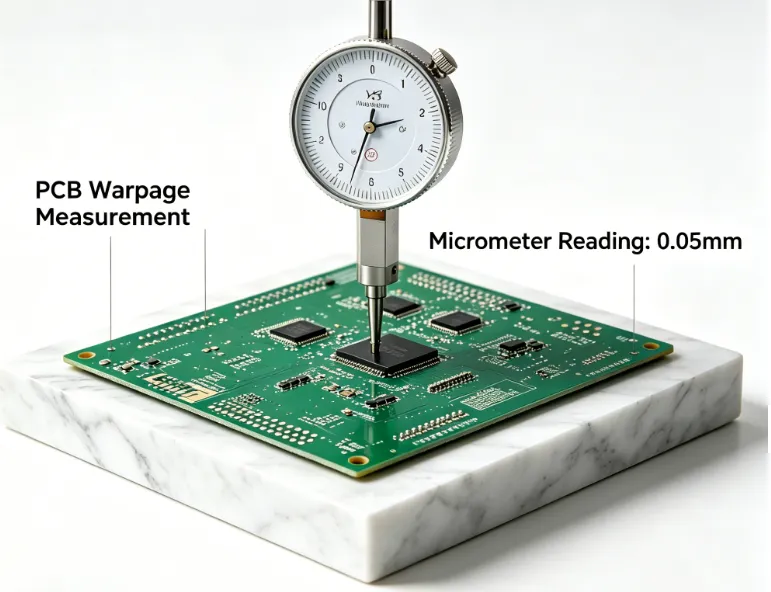
Troubleshooting common issues often starts with examining paste release behavior. Poor release may result from inadequate aperture wall smoothness or improper squeegee pressure settings. Adjusting print parameters or verifying stencil flatness can resolve many deposition inconsistencies without requiring stencil replacement. In high-volume settings, tracking stencil usage cycles allows teams to schedule preventive maintenance before performance degrades noticeably.
Insights from Assembly Operations
Production teams frequently observe that stainless steel stencils maintain dimensional stability better than polymer-based options when subjected to repeated thermal and mechanical cycling. This stability supports tighter process windows in lines running multiple shifts. When defects such as paste smearing appear, operators first verify stencil tension and cleanliness before adjusting other variables. Frameless stencils offer flexibility for prototype or low-volume work, yet framed versions provide the repeatability required for sustained high-volume output. Monitoring print quality metrics over time reveals the practical advantages of material durability in reducing overall process variation.
Related Reading: The Impact of Stencil Material on Solder Paste Transfer Efficiency: Stainless Steel vs. Nickel
Conclusion
Stainless steel stencils deliver the combination of precision, durability, and process compatibility needed for reliable high-volume PCB assembly. Their performance stems from material properties that support consistent aperture geometry and clean paste transfer across extended production runs. Following sound design practices and maintenance routines allows engineering teams to maximize yield while minimizing interruptions. As assembly requirements continue to evolve toward finer features and higher throughput, the attributes of stainless steel remain central to achieving stable results.
FAQs
Q1: What advantages does stainless steel stencil material durability provide in automated assembly?
A1: Stainless steel maintains aperture integrity and foil flatness through many thousands of print cycles, reducing the frequency of stencil changes and supporting consistent paste deposition in high-volume lines. This durability helps control process variation and supports higher overall equipment effectiveness when compared with less robust materials.
Q2: How does a laser cut stencil improve paste release during printing?
A2: Laser cutting produces smooth, low-taper aperture walls that minimize paste adhesion to the stencil surface. The resulting clean release supports accurate volume transfer onto pads, which is especially beneficial for fine-pitch components in automated assembly processes.
Q3: When should engineers choose a framed stencil versus a frameless option?
A3: Framed stencils are preferred for high-volume automated assembly because the rigid frame maintains uniform tension and alignment across large panels. Frameless versions suit lower-volume or prototype work where quick changes and lower cost take priority over long-term repeatability.
Q4: What role does stencil thickness play in solder paste volume control?
A4: Stencil thickness directly determines the amount of paste deposited per aperture. Engineers select thickness based on component requirements and board design to achieve adequate joint volume while avoiding excess that could cause bridging or other defects.