ALLPCB


Defining Framed and Frameless Stencils and Their Industry Relevance
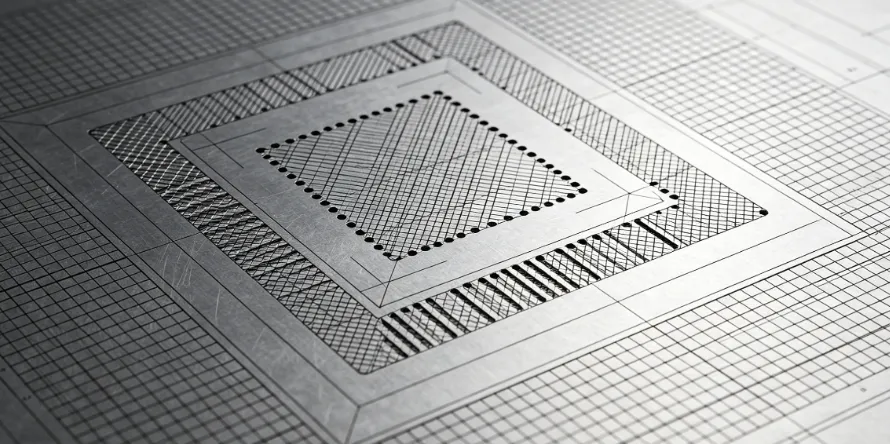
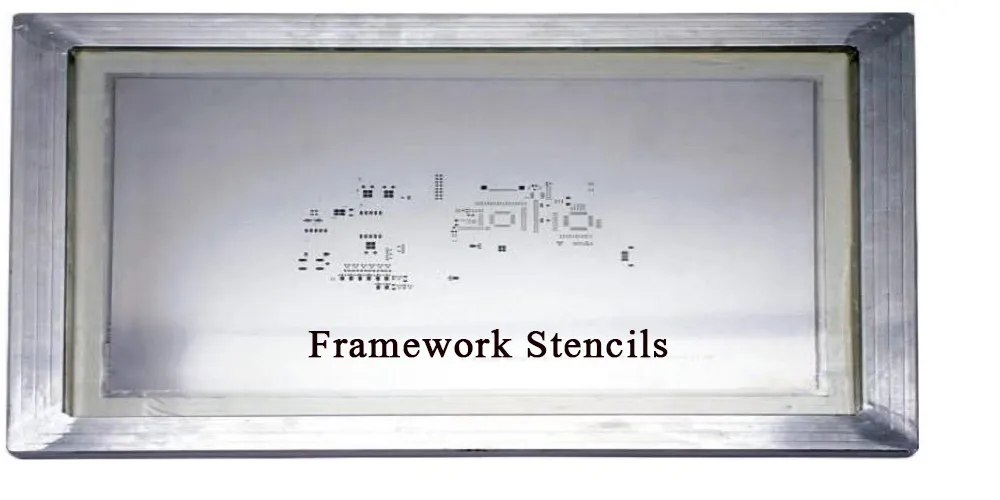
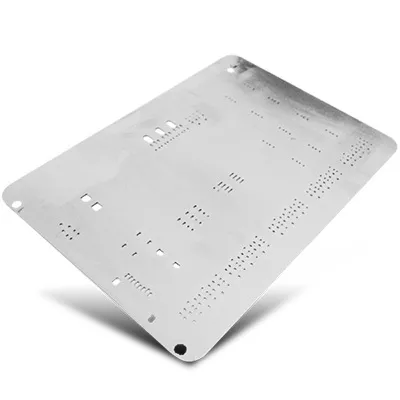
A framed stencil consists of a thin metal foil permanently attached to a rigid aluminum frame that maintains uniform tension across the entire printing area. In contrast, a frameless stencil comprises only the etched foil, which requires an external tensioning or mounting system during use. Both types follow the same basic principle of laser-cut or electroformed apertures that match the pad layout on the board, yet they differ significantly in handling characteristics and durability. Industry standards such as those outlined in IPC-7525 guide stencil design parameters including aperture size, wall angle, and foil thickness to ensure reliable paste release. Production teams must consider these distinctions early in process development because mismatched stencil type and volume requirements can lead to excessive rework or equipment downtime.
Framed stencils offer clear advantages in environments where the same design runs for thousands of boards. The built-in frame eliminates the need for repeated tension adjustments and provides inherent stability that reduces the risk of foil distortion over time. Frameless options, however, address situations where frequent design changes occur or where capital equipment budgets are constrained. Procurement and engineering groups often compare framed stencil advantages against frameless stencil cost when preparing capital expenditure requests or quoting new assemblies.
Technical Principles of Stencil Tension and Mounting Systems
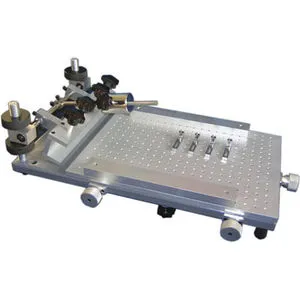
Stencil performance depends on maintaining consistent foil tension and precise alignment with the printed circuit board. In a framed stencil the aluminum frame distributes tension evenly, minimizing local variations that could cause the foil to sag or stretch during repeated printing cycles. Frameless stencils rely on stencil mounting systems that apply tension through mechanical clamps, vacuum tables, or pneumatic frames. These systems must be calibrated correctly to achieve comparable flatness; improper tensioning frequently results in uneven paste deposits or bridging defects.
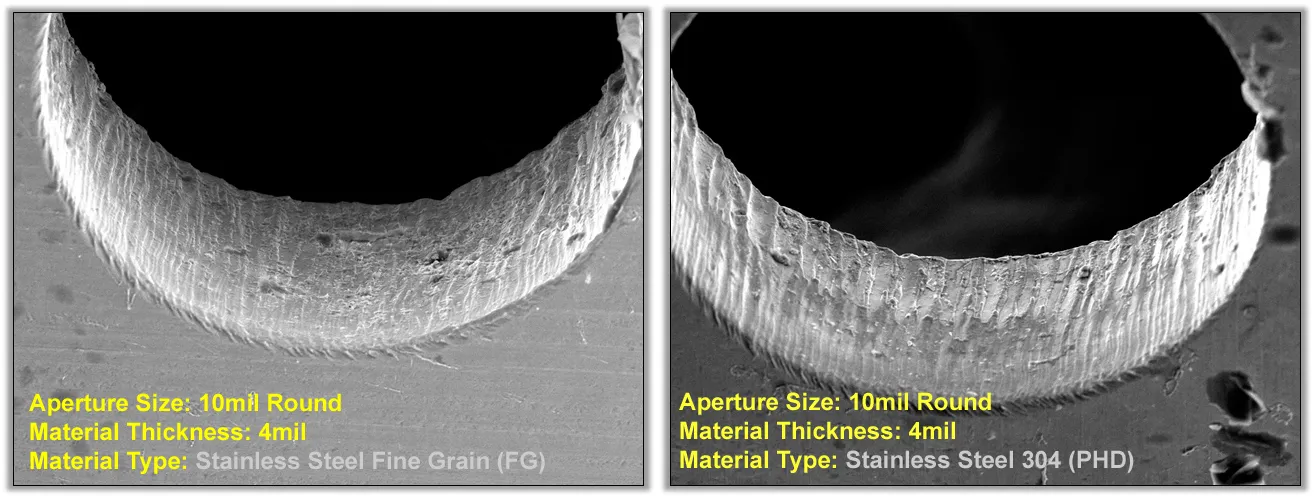
Foil thickness typically ranges from 0.1 mm to 0.2 mm depending on component pitch and paste volume requirements. Aperture geometry, including trapezoidal wall profiles, promotes clean paste release regardless of frame type. When operators troubleshoot inconsistent print volumes, they often trace the root cause to tension loss in frameless setups or frame deformation after extended high-volume runs. Standards such as J-STD-001 emphasize process control steps that include regular inspection of stencil condition to maintain acceptable solder joint quality.
Related Reading: SMT Stencils for Beginners: Choosing Materials and Techniques
Practical Guidance for Matching Stencil Type to Production Volume
High-volume stencil solutions favor framed designs because the rigid frame supports continuous operation with minimal intervention. Production lines running the same board for weeks or months achieve higher throughput and lower defect rates when tension remains constant without operator adjustments. Framed stencils also withstand the mechanical stresses of automated handling systems more reliably, reducing the frequency of foil replacement.
Prototype stencil options and low-volume manufacturing typically benefit from frameless designs. The lower material and fabrication cost of a frameless stencil allows multiple iterations during design validation without significant expense. Engineers can store several foils for different board revisions and mount only the required foil when needed. When transitioning from prototype to volume production, teams often begin with frameless stencils to validate the process and later adopt framed versions once the design stabilizes.
Troubleshooting common issues begins with verifying mounting system calibration on frameless stencils and inspecting frame integrity on framed units. Excessive paste smearing may indicate insufficient tension, while premature foil wear can result from over-tensioning or incompatible mounting hardware. Regular cleaning protocols and storage practices further extend stencil life in both configurations.
Related Reading: Framed vs. Frameless Stencils: Understanding the Pros and Cons for SMT Assembly
Selecting the Optimal Approach for Long-Term Manufacturing Efficiency
Teams should evaluate expected annual board volume, design change frequency, and available mounting equipment when deciding between the two stencil types. High-volume operations gain repeatability and reduced setup time from framed stencils, whereas facilities handling many unique assemblies realize cost savings and flexibility with frameless solutions supported by appropriate stencil mounting systems. Hybrid strategies, such as maintaining a small inventory of framed stencils for stable high runners and frameless foils for new products, allow organizations to balance capital investment with operational agility.
Process engineers document these decisions in manufacturing instructions so that subsequent builds follow consistent practices. Periodic review of print quality data helps confirm that the chosen stencil type continues to meet yield targets as production volumes evolve.
Conclusion
Framed and frameless stencils each serve distinct roles in surface mount assembly depending on production volume and operational priorities. Framed stencils deliver stability and repeatability suited to sustained high-volume runs, while frameless stencils provide economical flexibility for prototypes and variable workloads. Careful evaluation of tension requirements, mounting systems, and long-term cost structures enables engineering teams to select the configuration that supports both quality and efficiency goals.
FAQs
Q1: What are the main framed stencil advantages for high-volume production?
A1: Framed stencils maintain consistent foil tension without repeated adjustments, supporting stable paste deposition across thousands of boards. This reduces setup time and minimizes defects related to foil distortion. Production teams often select framed designs when the same assembly runs continuously for extended periods.
Q2: How does frameless stencil cost compare with framed options for prototype work?
A2: Frameless stencils typically involve lower initial fabrication expense because they omit the aluminum frame. This cost difference makes them practical when multiple design iterations are expected during development. Once the layout stabilizes, many teams transition to framed stencils for volume manufacturing.
Q3: What role do stencil mounting systems play when using frameless stencils?
A3: Stencil mounting systems apply and maintain the necessary tension on the foil during printing. Proper calibration of these systems ensures flatness and alignment comparable to a framed stencil. Regular verification of tension settings helps prevent print defects associated with foil sag or misalignment.
Q4: Which stencil type supports high-volume stencil solutions most effectively?
A4: Framed stencils generally provide the mechanical stability required for continuous high-volume operation. The rigid frame reduces the risk of tension loss and supports automated handling without frequent maintenance. Frameless alternatives remain viable when paired with robust mounting equipment and lower daily throughput.
References
IPC-7525: Stencil Design Guidelines for Printed Board Assemblies
IPC J-STD-001: Requirements for Soldered Electrical and Electronic Assemblies