ALLPCB


Overview
Healthcare systems are exploring ways to handle patient influx, reduce costs, and improve outcomes. One approach is distributed healthcare, which moves care away from traditional clinic visits toward continuous, at-home monitoring. Early-stage detection of disease, sometimes before visible symptoms appear, can reduce costs and improve outcomes. A practical benefit is that patients regularly collect physiological signals themselves rather than relying solely on clinician visits. Clinicians can then review this real-time data for earlier detection of conditions.
Market Context
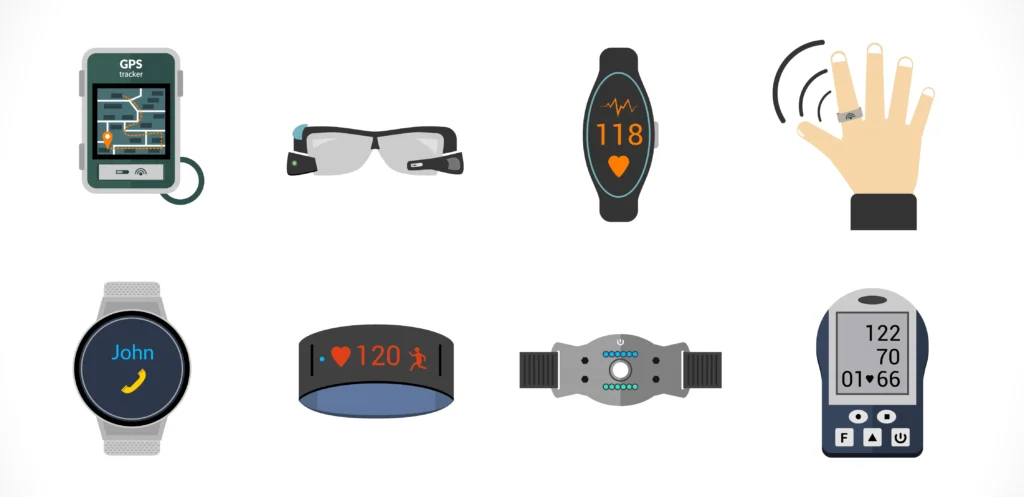
Analysts forecast the wearable health and wellness device market to grow at a 14% compound annual growth rate from 2019 to 2025. Shipments of wearable medical and health products were 347 million units in 2019 and are expected to reach 754 million units by 2025. While many devices are consumer-focused, medical wearables are gaining penetration. Consumer examples include wrist-worn devices that monitor heart rate and blood oxygen saturation (SpO2).

Remote Patient Monitoring (RPM) and COVID-19
Remote patient monitoring (RPM) gained attention before the COVID-19 pandemic and became more important during it. RPM enables data collection without in-person visits, helping to limit infectious spread while allowing continuous monitoring of patients. Medical wearables such as chest patches continuously measure and collect data every minute. These devices upload batch-collected data via a smartphone to the cloud, enabling cardiologists to detect episodes such as atrial fibrillation (AFib).
MAX86178 Analog Front End
The MAX86178 is an analog front end (AFE) that integrates three measurement systems on a single chip—optical, ECG, and bioimpedance—to obtain four common vital signs: electrocardiogram (ECG), heart rate (from ECG or optical PPG), blood oxygen saturation (SpO2), and respiratory rate (using bioimpedance or BioZ). The device supports synchronized optical PPG and ECG timing for reliable health metrics.
Using this solution, medical-device designers can replace traditional office-based monitoring systems with smaller, lower-power wireless devices suitable for continuous wear at home or work, reducing annual healthcare costs. The MAX86178 combines three clinical-grade subsystems on one chip: an optical PPG subsystem for heart rate and SpO2, a single-lead ECG subsystem, and a bioelectric/bioimpedance subsystem for respiratory-rate measurement. These functions are packaged in a compact 2.6 mm x 2.8 mm package for small wearable form factors.
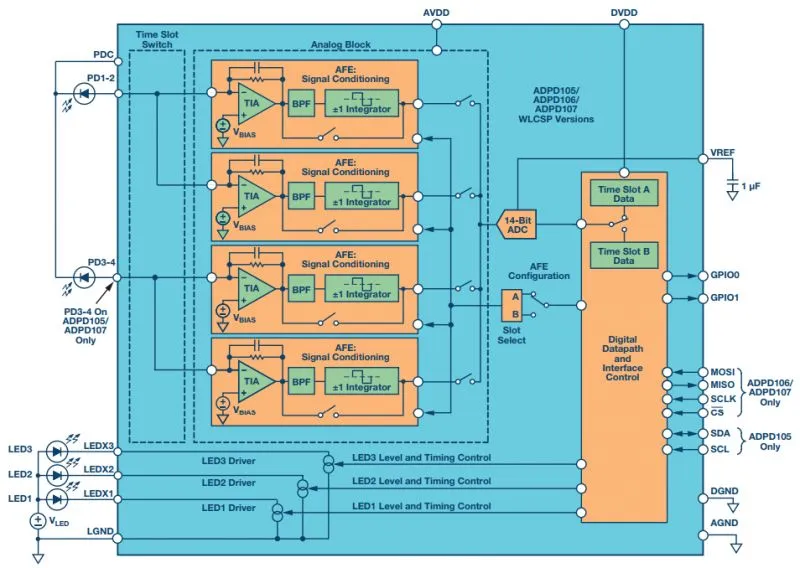
The device provides ultra-low-power modes and configurable options to optimize battery life for specific use cases, allowing next-generation RPM devices to operate at low power and either use smaller batteries or extend battery runtime. Figure 2 shows a typical remote monitoring system block diagram based on the device.
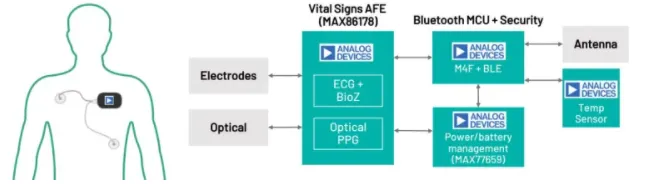
The device offers a 113 dB signal-to-noise ratio, enabling SpO2 measurement when worn on the wrist or chest across a range of skin tones and thicknesses, and in varied conditions.
Power Management with MAX77659
The MAX77659 power-management IC (PMIC) uses a single inductor to provide multiple output rails in a single-inductor multiple-output (SIMO) arrangement. The device integrates a switching-mode buck-boost charger and is designed for compact, fast charging of wearables, hearing aids, and IoT devices.
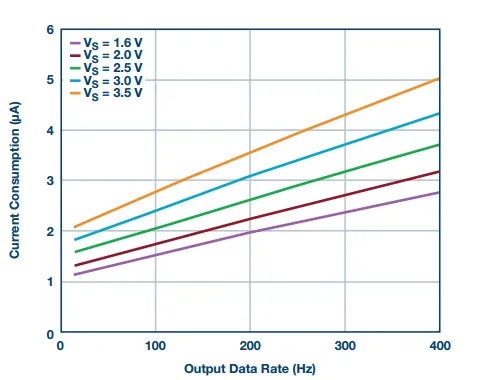
When platforms use multiple switching regulators, each channel typically requires a large inductor and discrete components. The MAX77659 SIMO architecture provides three switching outputs from a single inductor, reducing solution size and bill of materials. The PMIC integrates an internal switching charger and three independently programmable buck-boost regulators that share the single inductor, minimizing total solution footprint. These regulators operate at about 91% efficiency under medium to heavy loads and draw only 5 μA quiescent current under light-load conditions, extending battery life.
Using a single inductor can reduce BOM by about 60% and halve the total solution size. The MAX77659 supports autonomous headroom control to minimize voltage drop and reduce thermal dissipation while maintaining enough headroom to regulate charging current. With the built-in charger, the device can support rapid top-up charging; for example, a short 10-minute charge can yield several hours of runtime depending on system power.
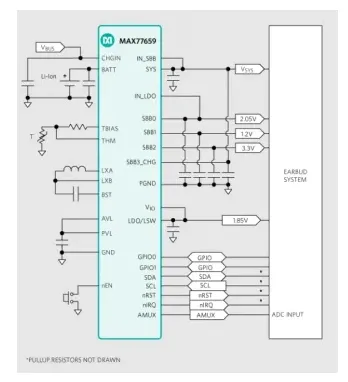
Because the integrated switching regulators are highly efficient, they extend battery life under typical load conditions while keeping light-load current consumption to single-digit microamps. Autonomous headroom control further reduces thermal losses by minimizing voltage drop while preserving headroom for charging regulation.