ALLPCB


Overview
Surface electromyography (sEMG) is a noninvasive, easy-to-use technique commonly applied to monitor health and support treatment. sEMG measurements depend critically on the interface between the skin and the electronic acquisition circuit. Commercial silver/silver-chloride (Ag/AgCl) electrodes used in many sEMG devices cannot form a robust, conformal interface that supports long-term, high-fidelity recordings. Advances in flexible materials and structural electronics provide new options for high-fidelity bioelectrical recording. Flexible electronic sEMG electrodes can achieve good skin conformity and biocompatibility, enabling seamless, highly conformal skin–electrode interfaces; some designs also allow substantial stretchability.
Design strategies for stretchable electrodes
Two main strategies are typically used to obtain stretchable electrodes. One uses complex mechanical layouts, such as serpentine traces, where nonstretchable conductors gain geometric deformability. The other embeds conductive fillers in intrinsically stretchable composites, for example hydrogels or PDMS loaded with silver flakes. Both approaches aim to improve conformal contact with skin that has large curvature or complex topography. Curved skin surfaces often overlay complex muscle distributions, such as in the throat and face, where many small muscles are present. Conventional bipolar disc sEMG collects signals from a single region, which can include overlapping muscles and thus may not isolate a specific muscle of interest. High-density sEMG (HD-sEMG) addresses these limitations by enabling quantitative spatial and temporal analysis of distinct muscle activity and the coordination among muscles.
New HD-sEMG electrode patch: fabrication and materials
Mems Consulting reported that researchers at South China University of Technology developed a stretchable, durable HD-sEMG electrode patch for classifying swallowing activities on complex epidermal surfaces. The patch provides long-term, stable sEMG monitoring resilient to motion artifacts, even under severe skin deformation. The work was published as "Stretchable and durable HD-sEMG electrodes for accurate recognition of swallowing activities on complex epidermal surfaces" in the journal Microsystems & Nanoengineering.
The electrode array in the patch uses stretchable silver electrodes as signal transmission channels. To fabricate the patch, the researchers first screen-printed the electrode array onto a thin commercial polyurethane (PU) substrate, then insulated it with a second thin adhesive wound-dressing film. This sandwich structure preserves stretchability and conformability across the patch. To improve ion-to-electron transduction at the skin interface, a conductive glycerol-water zwitterionic polymer hydrogel (GW-PA hydrogel) was applied. The GW-PA hydrogel was deposited and polymerized in situ on the silver electrodes to form GW-PA-gel-coated silver (GW-PA-Ag) electrodes that provide direct conductive contact between the patch and the skin. In addition, the GW-PA hydrogel forms numerous electrostatic interactions and hydrogen bonds with soft biological tissue, significantly improving adhesion to the skin. These features enable high-fidelity recording of jaw-associated electromyographic signals.
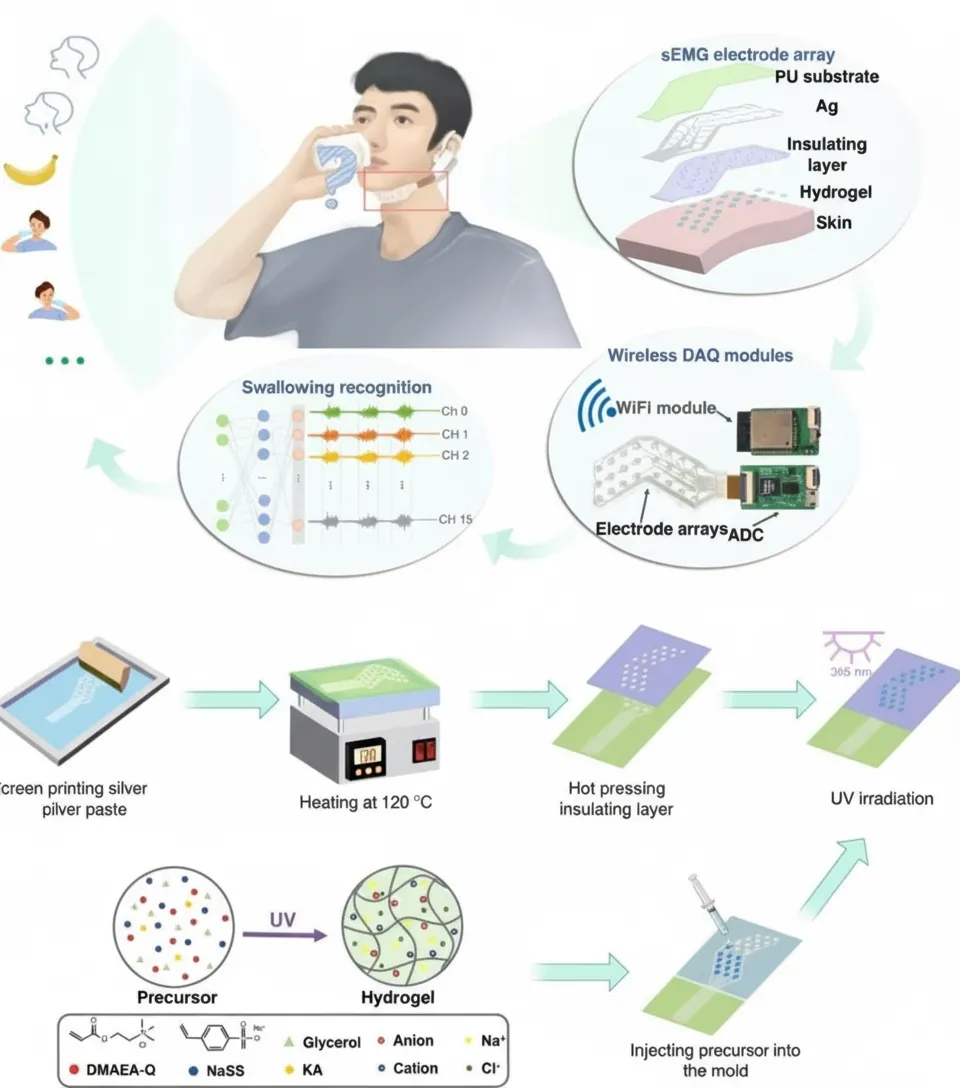
Figure 1. HD-sEMG electrode patch schematic.
Hydrogel mechanical properties
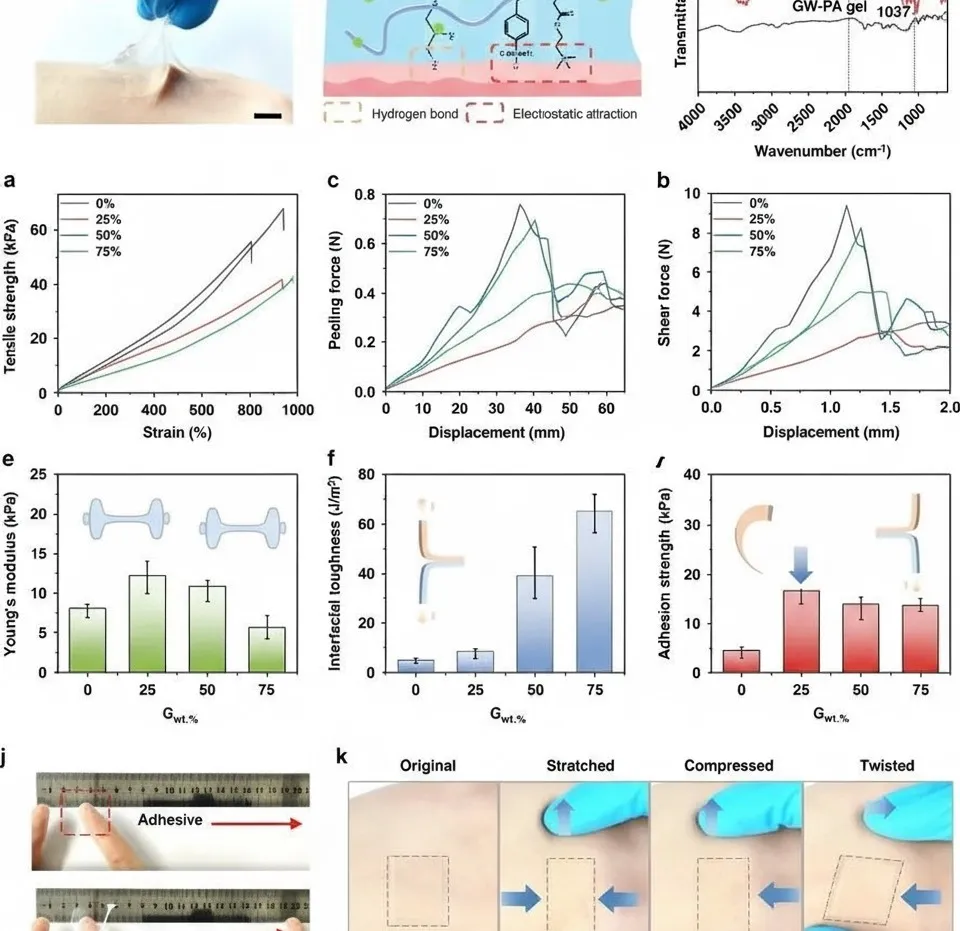
Figure 2. Mechanical properties of the glycerol-water zwitterionic polymer hydrogel (GW-PA).
Electrical characteristics of GW-PA-Ag electrodes
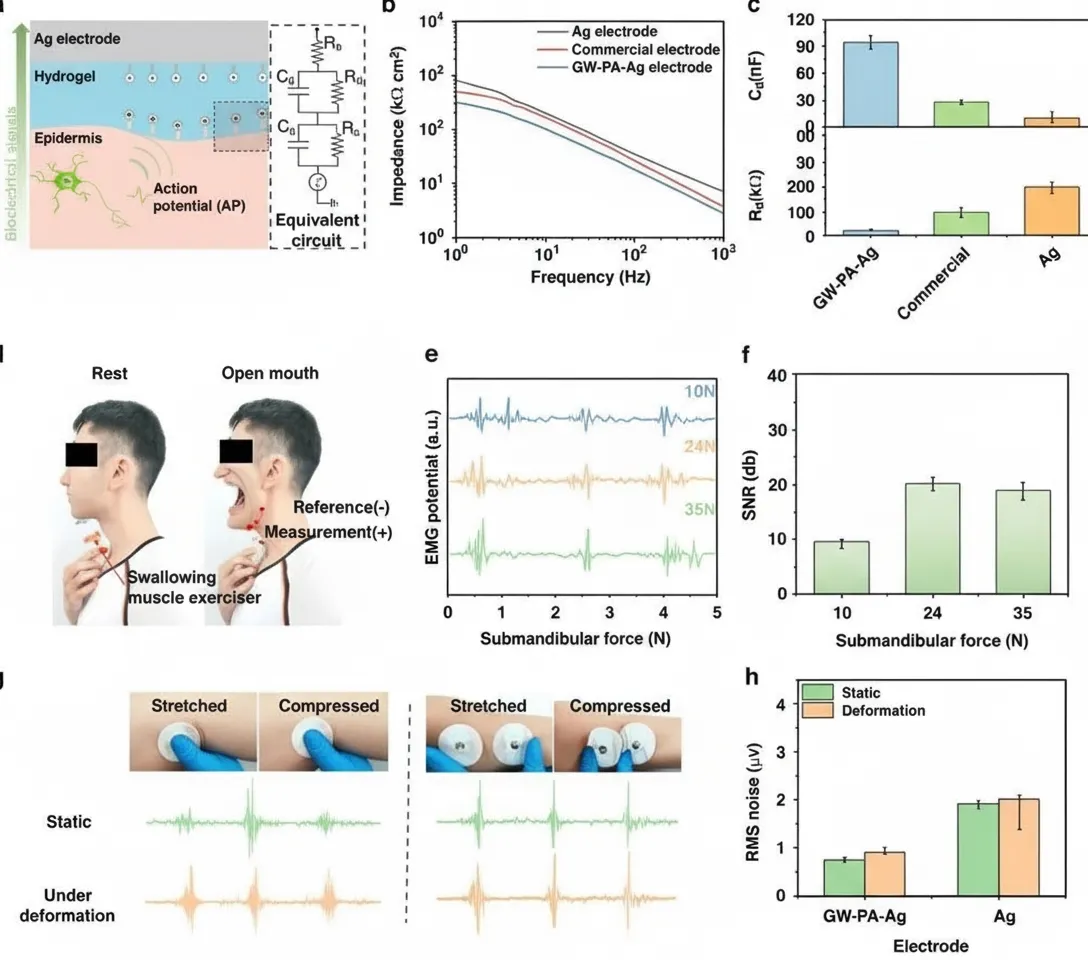
Figure 3. Electrical characteristics of GW-PA-Ag electrodes.
Adhesion, stretchability, and long-term stability
The produced electrodes exhibit a robust electrophysiological interface, with an adhesion strength of 22.8 N/m, an extensibility up to 1000%, and a skin-matched modulus of approximately 10 kPa. Importantly, during one-week sEMG monitoring the patch sustained strains up to 80% without mechanical delamination or moisture loss, avoiding degradation of signal quality due to glycerol incorporated into the gel network.
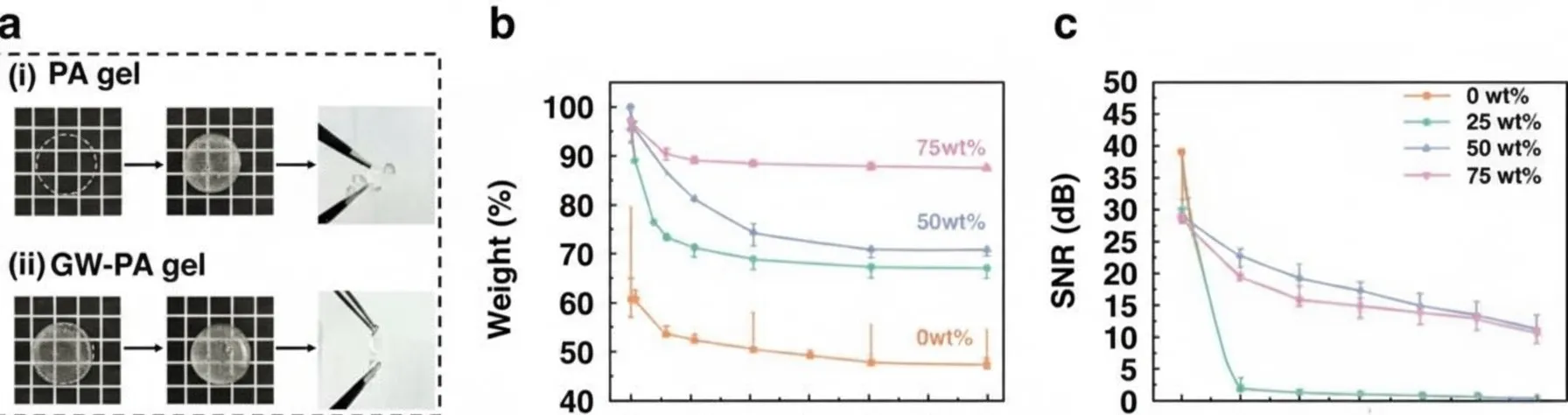
Figure 4. Long-term stability of GW-PA-Ag electrodes.
System integration and swallowing activity classification
To demonstrate practicality for monitoring the mylohyoid and infrahyoid muscle groups, the researchers integrated the patch with a 16-channel analog readout circuit and a WiFi module in an ear-worn wearable device for classifying swallowing activities. Combined with deep learning algorithms, the system identified and classified 11 different swallowing activities with an accuracy of 80%.
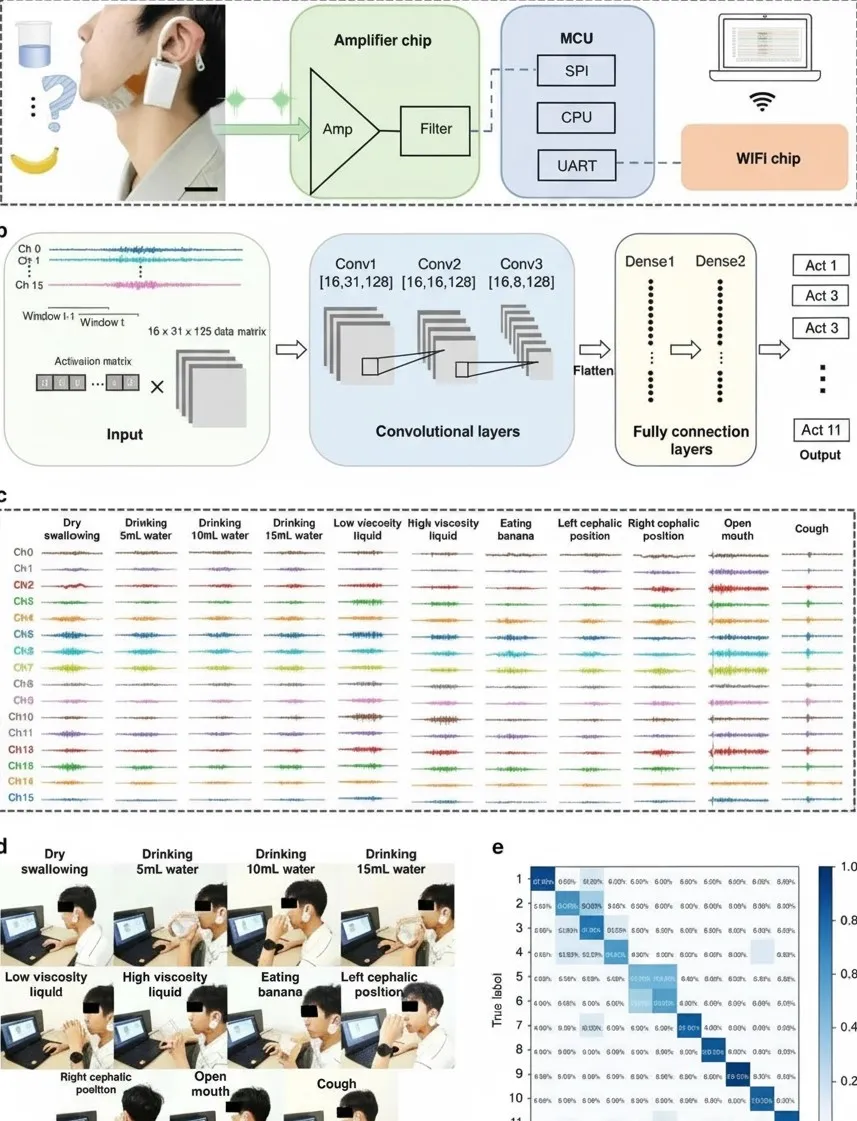
Figure 5. Classification of swallowing activities using the HD-sEMG electrode patch.
Conclusion
Using layer-by-layer printing and lamination, the study developed a stretchable HD-sEMG electrode array with a set of human–machine interface properties: conformal adhesion to skin, high electronic–ionic conductivity (reducing contact impedance), long-term environmental resistance to moisture evaporation, and epidermal biocompatibility. These properties make the electrode more suitable than many commercial alternatives for long-term, wearable, high-fidelity sEMG recording on complex skin surfaces. In systematic human experiments, the electrode demonstrated the ability to classify swallowing activities. Integrated into an ear-worn wearable and combined with machine learning algorithms, the patch decoded sEMG signals from the chin region and classified swallowing activities with practical accuracy, offering a potential route for screening and supporting treatment of dysphagia and for remote rehabilitation.