 ALLPCB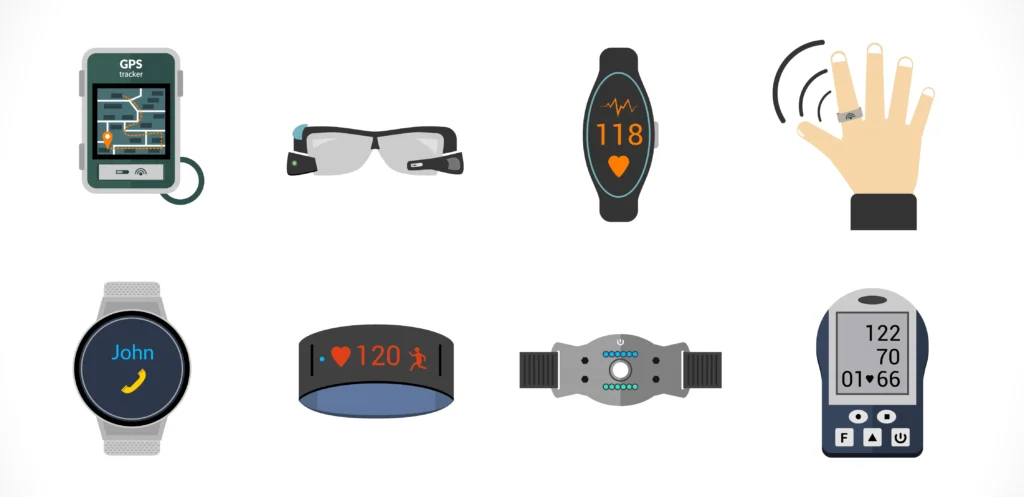
3 Common Charging Issues for Wearable Devices
Technical guide to selecting and troubleshooting linear chargers for wearable devices, covering bq24232, bq24040 and bq25100 issues like termination and oscillation.



Technical guide to selecting and troubleshooting linear chargers for wearable devices, covering bq24232, bq24040 and bq25100 issues like termination and oscillation.
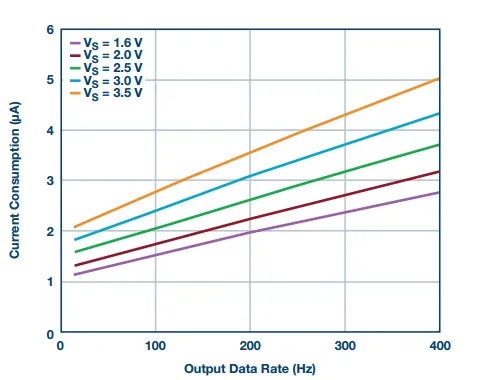
Analysis of MEMS accelerometer trade-offs for wearables, CBM, IoT and asset health monitoring, focusing on low power, bandwidth, noise, FIFO and on-chip features.
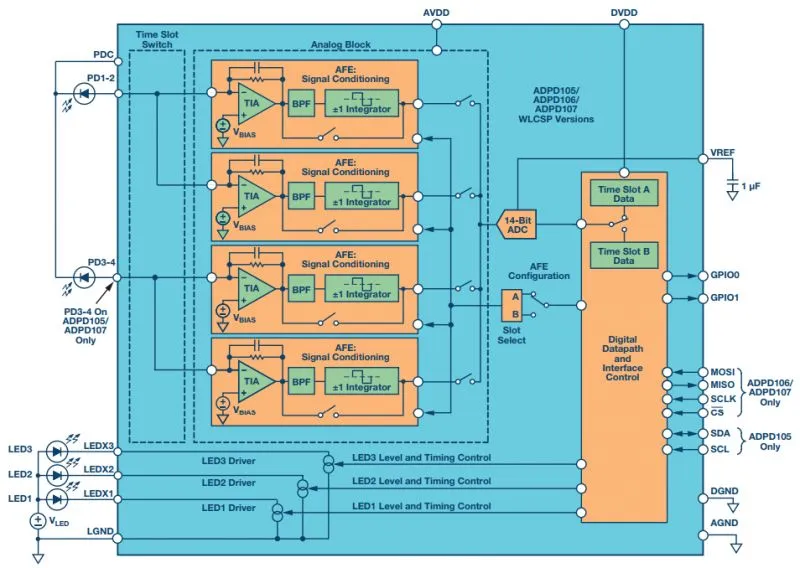
Technical overview of ADI's wearable VSM platform for engineers: sensor stack, PPG and ECG front ends, motion, EDA, temperature, and ADuCM3029 processing.
Technical and market overview of wearable devices, covering sensors, ultra-low power design, connectivity, AR/VR, industry bottlenecks and investment opportunities.
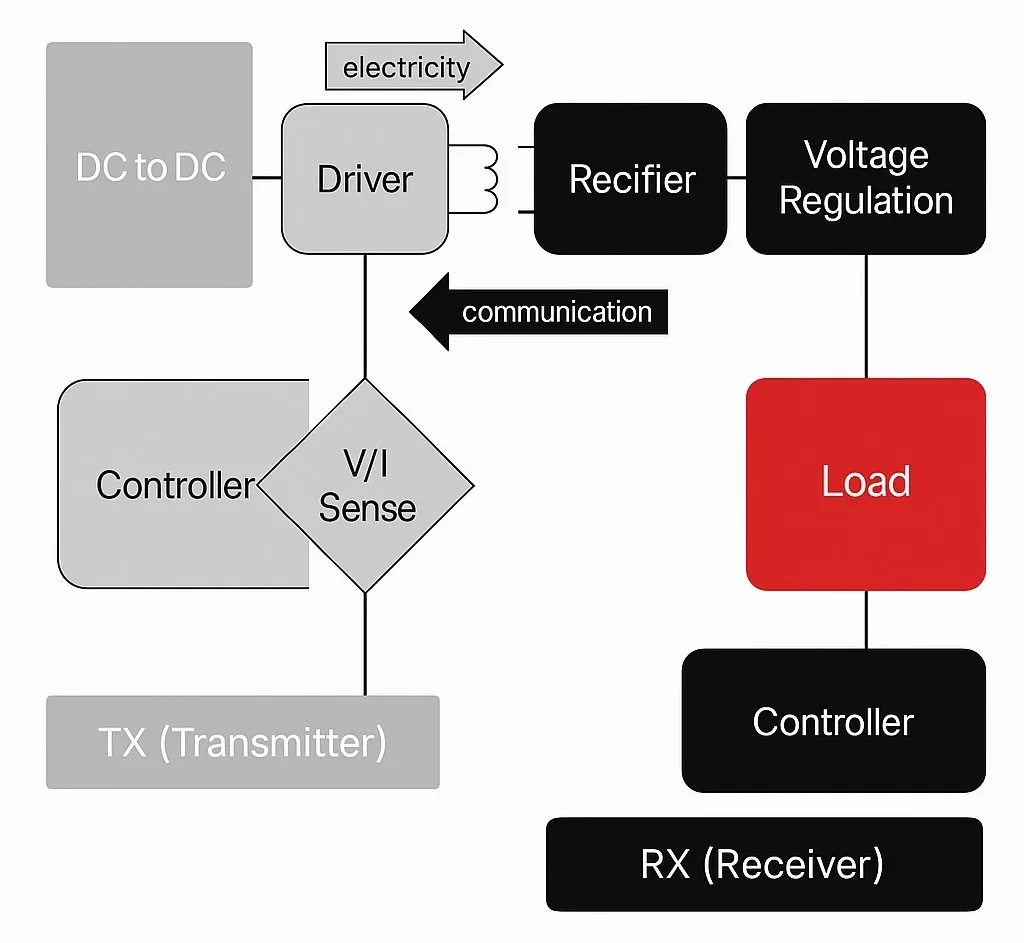
Technical overview of wireless charging market, circuit integration trends and five engineering considerations—driver integration, protocol emulation, thermal management, and efficiency.
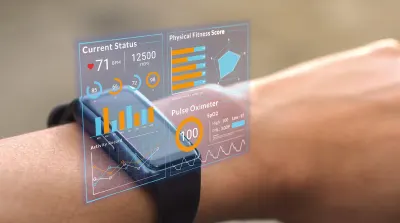
Power management and energy harvesting for medical wearables and remote patient monitoring, covering low?quiescent designs and LTC3331/LTC3107 implementations.
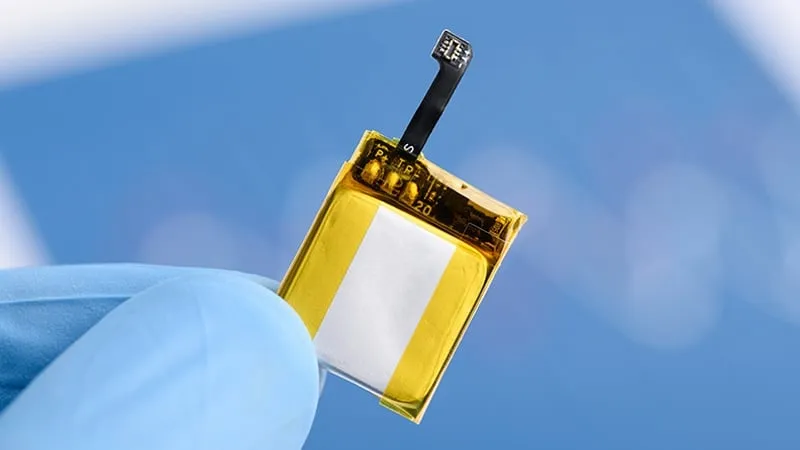
Wearable power design overview: programmable battery charging, precise sub-1mA charge termination, ultra-low quiescent-current DC/DCs, load switching and boost converters.
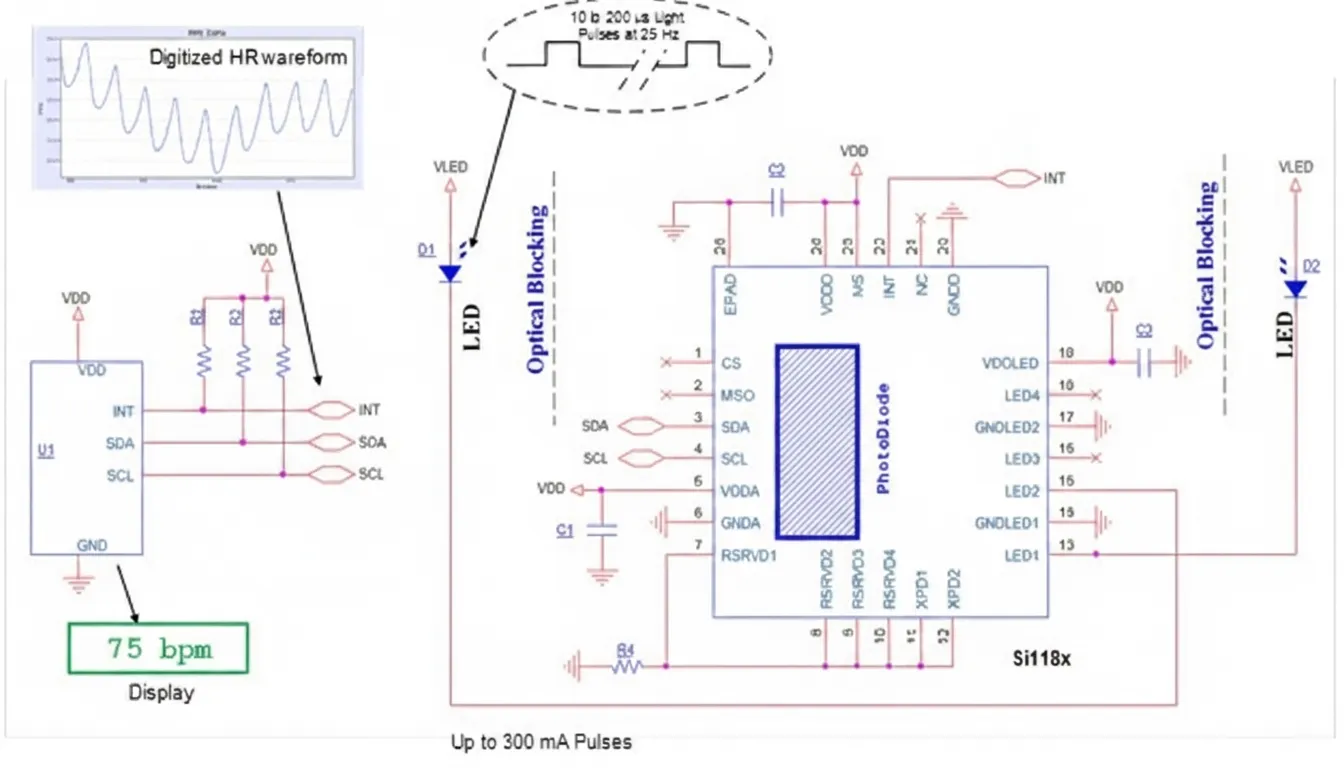
Technical overview of photoplethysmography (PPG) design for optical heart-rate monitoring, covering LEDs, photodiode interface, drivers, integration, and algorithm trade-offs.
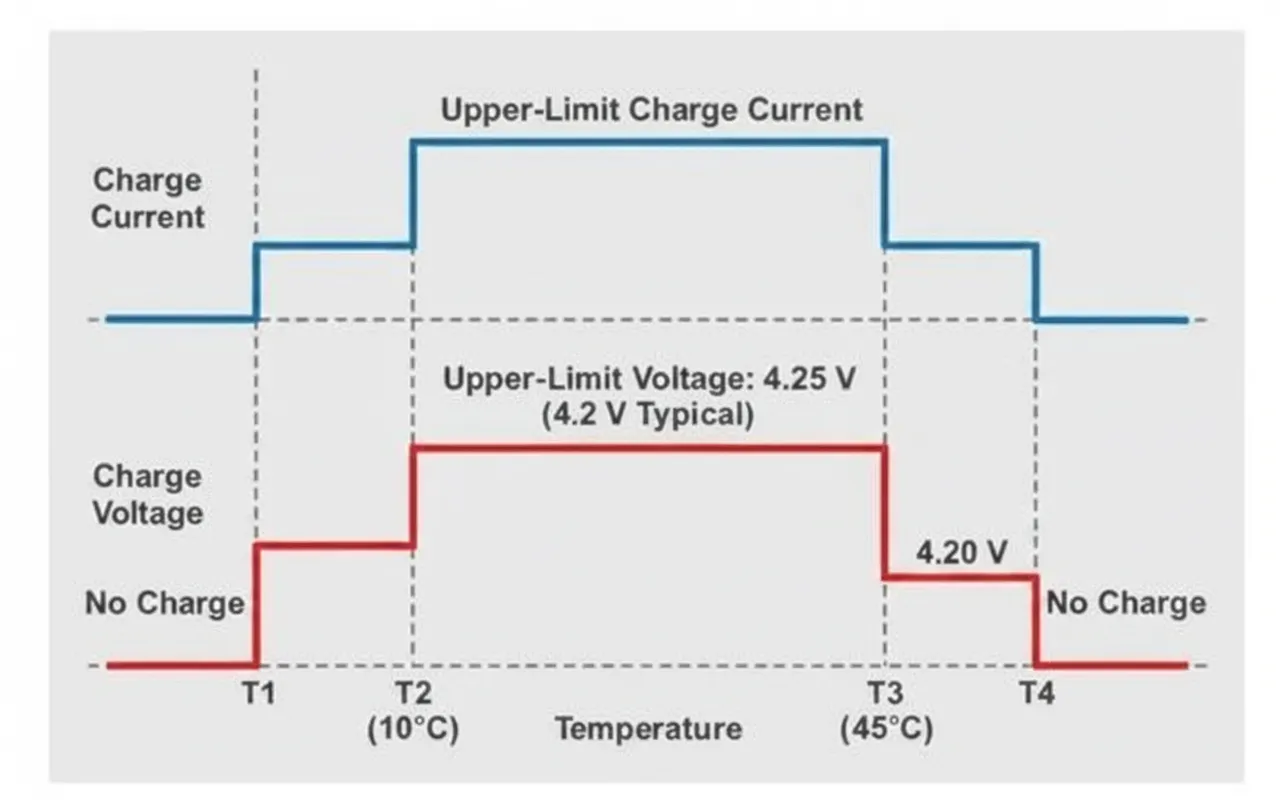
Overview of lithium-ion battery selection and CC/CV charging for wearables: JEITA temperature guidance, charging stages, safety features, and SoC-based battery management.
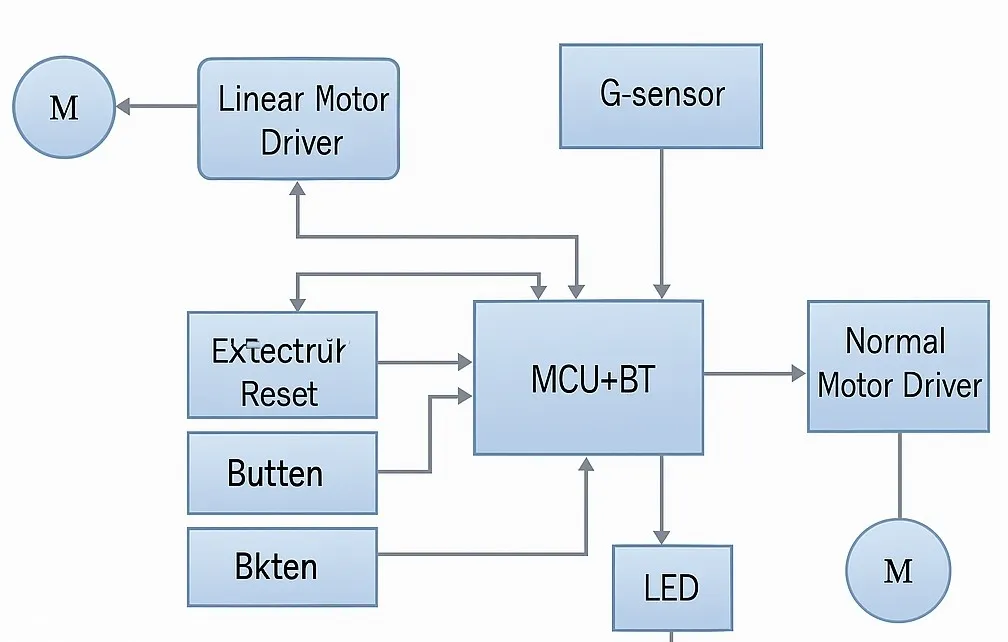
Technical design overview for a smart wristband: user requirements, BLE nRF51822 MCU and RF matching, three-axis accelerometer, battery options, system architecture and process.
Technical overview of DC-DC boost converters for portable/wearable devices: topologies, component selection, layout, and efficiency-focused design trade-offs and tools.
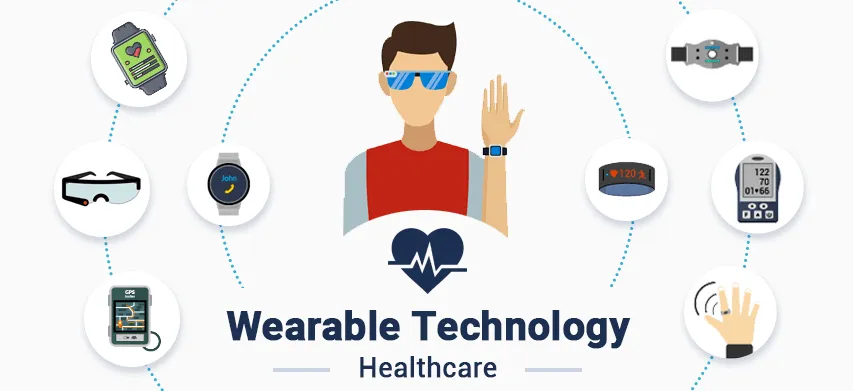
Analysis of wearable medical electronics market trends, sensor and algorithm requirements, and engineering approaches to improve device safety for clinical and consumer use.
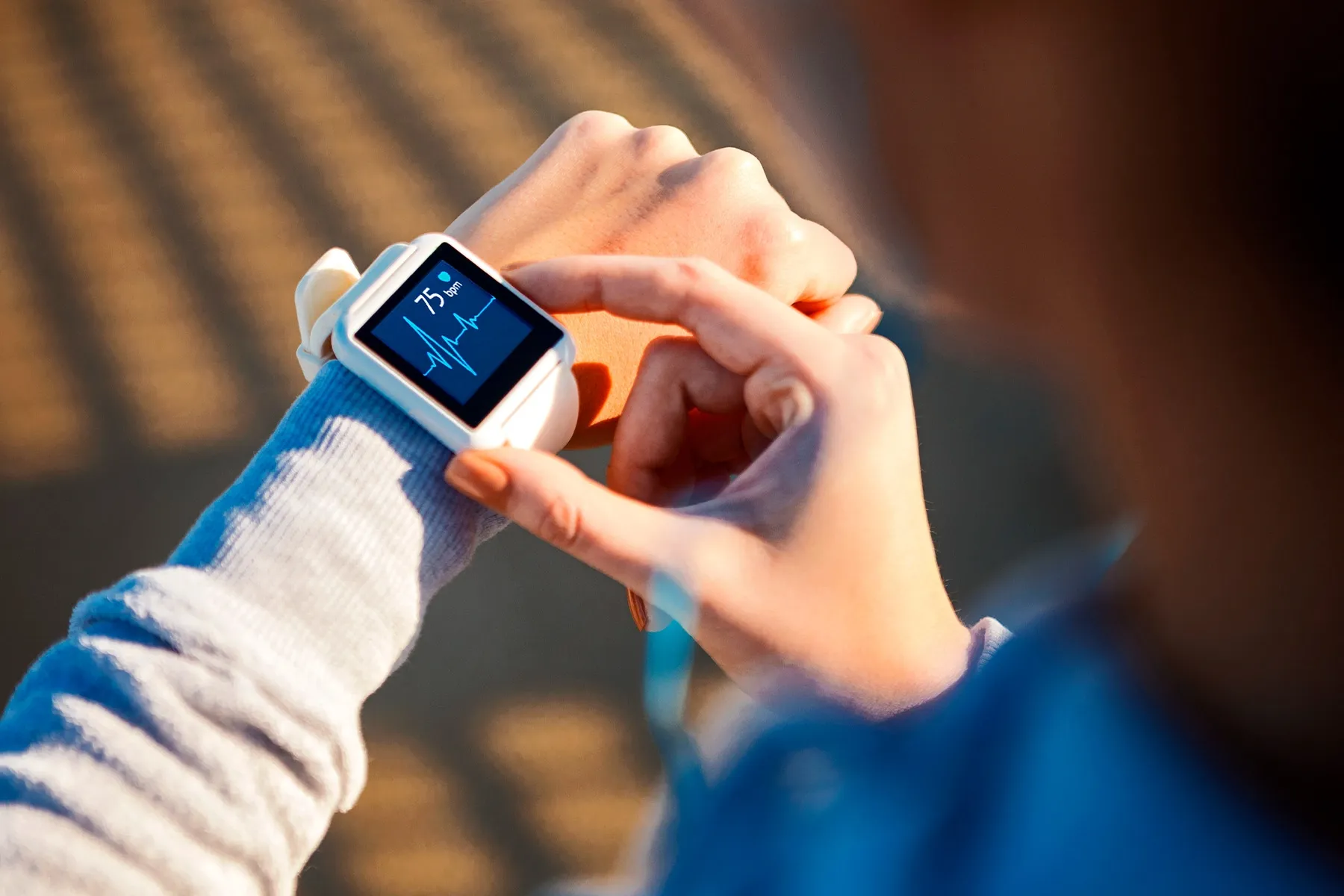
Analysis of shifting wearable expectations and AR headsets: on-device processing, machine learning integration, and evolving storage requirements for standalone devices.
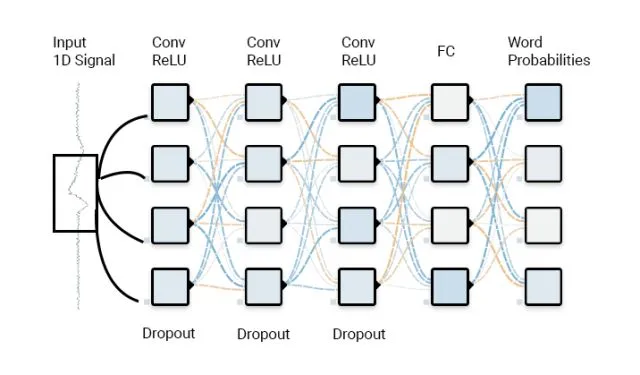
Overview of MIT's AlterEgo wearable that detects subvocalization via facial neuromuscular electrodes and neural networks, providing Bluetooth connectivity and bone?conduction feedback.
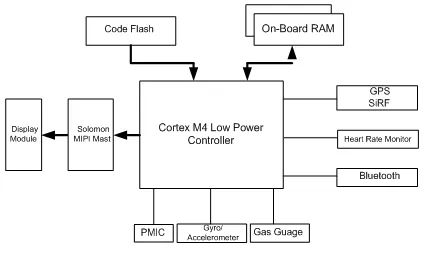
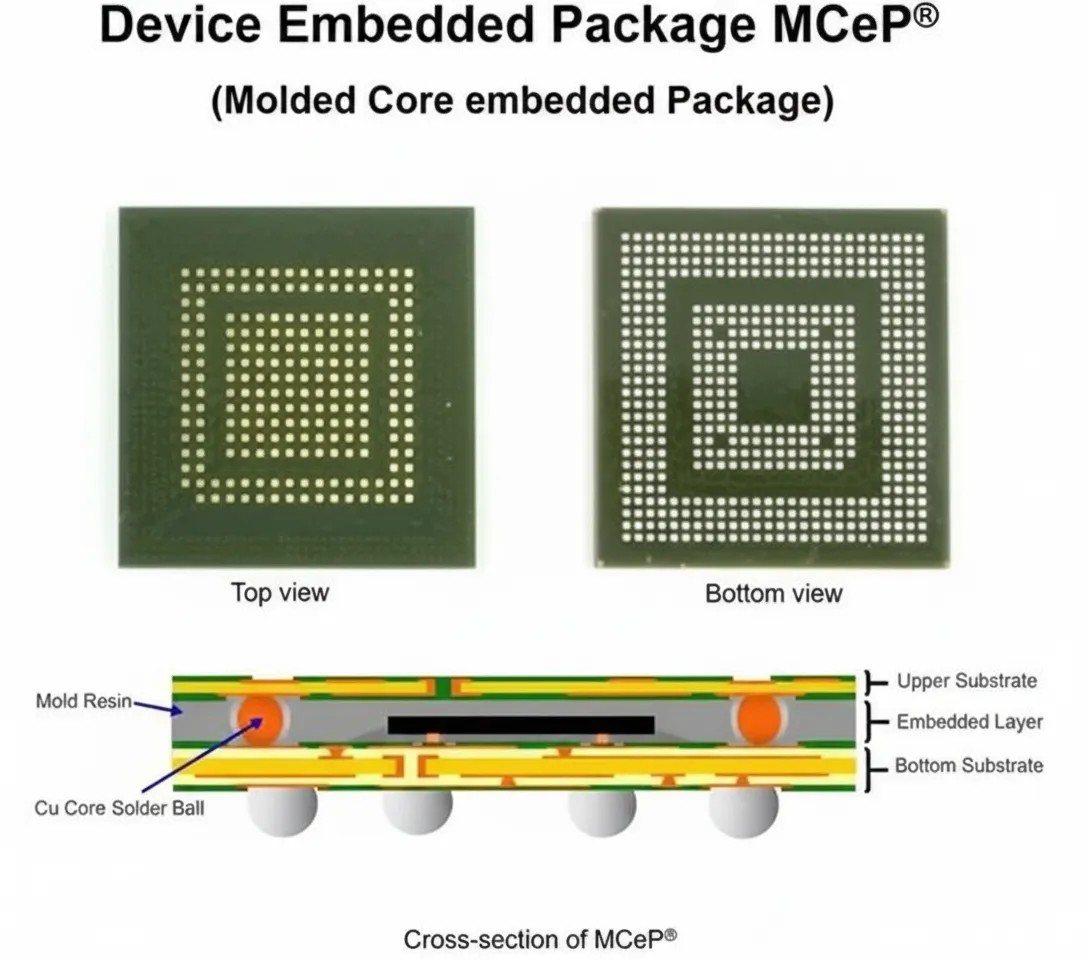
Overview of wearables IoT architecture and semiconductor needs, focusing on low-power memory and power/performance trade-offs for compact devices.
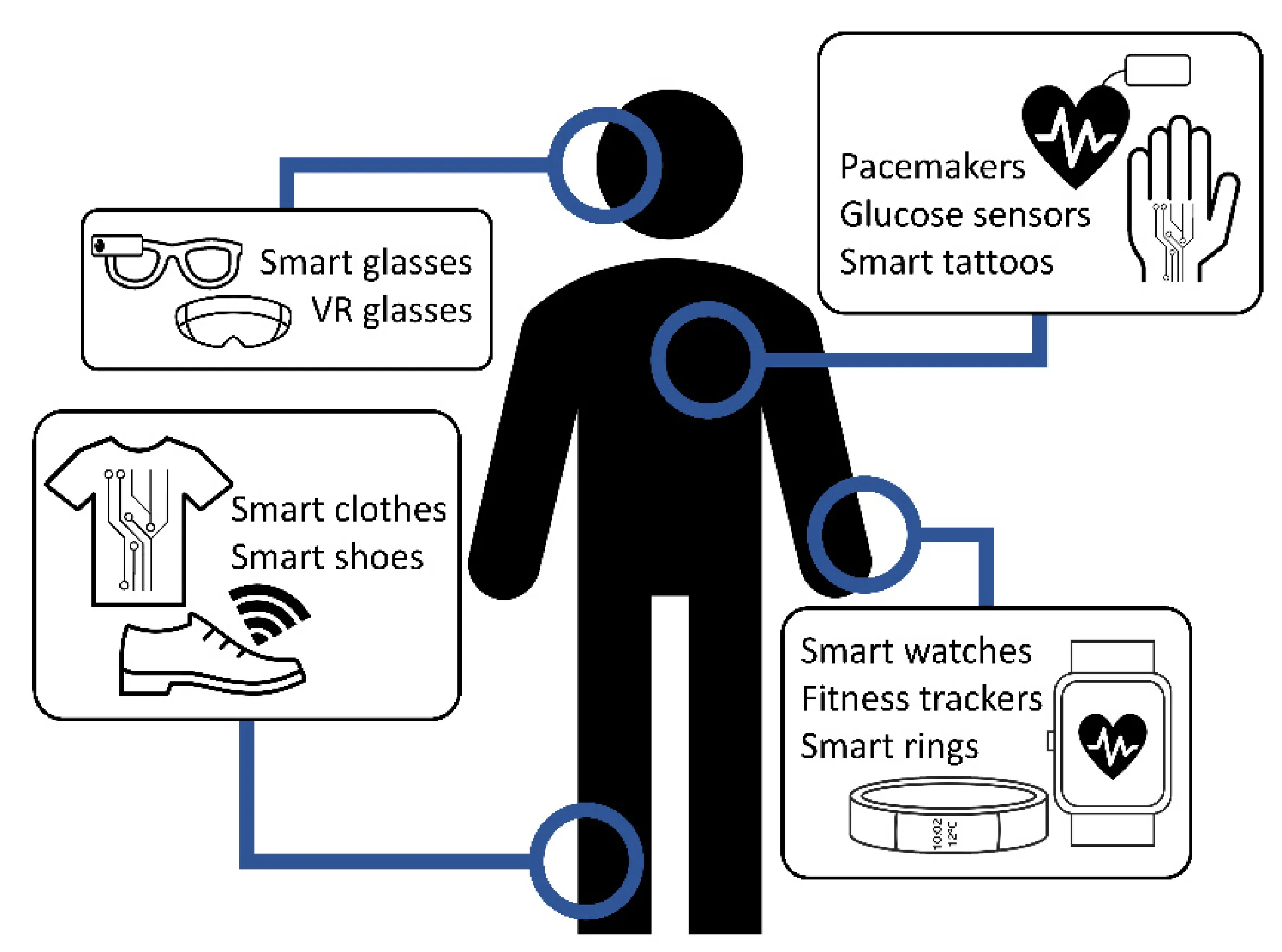
Low-power wearable design guide covering sleep modes, regulator and MOSFET selection, clock and RF optimization, and power budgeting to extend battery life.
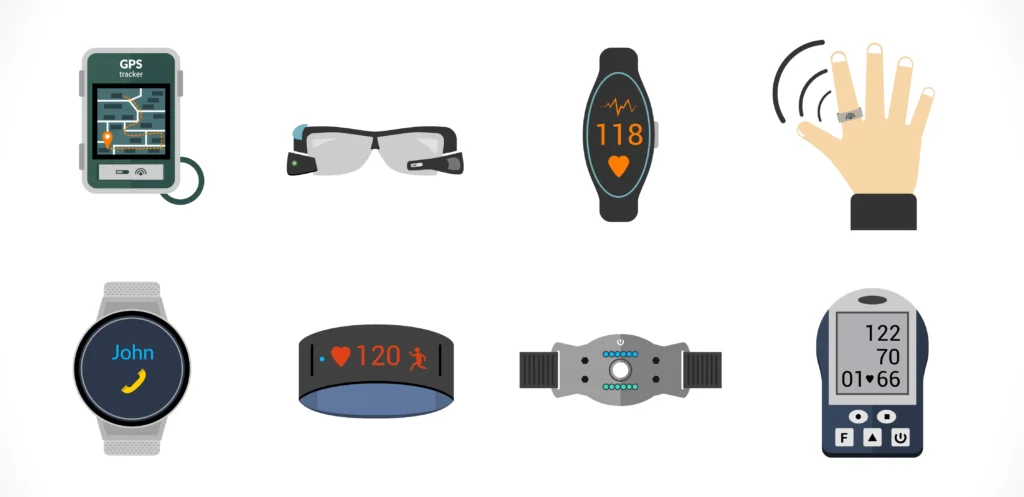
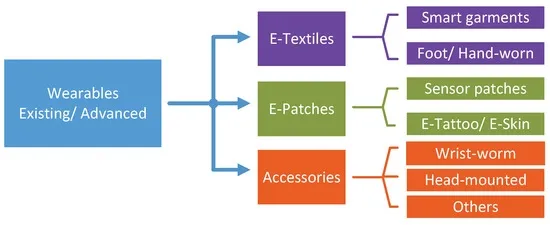
Overview of wearable technology: architectures, sensors, energy harvesting, smart coaching, virtual assistants and mobile health monitoring for engineers.
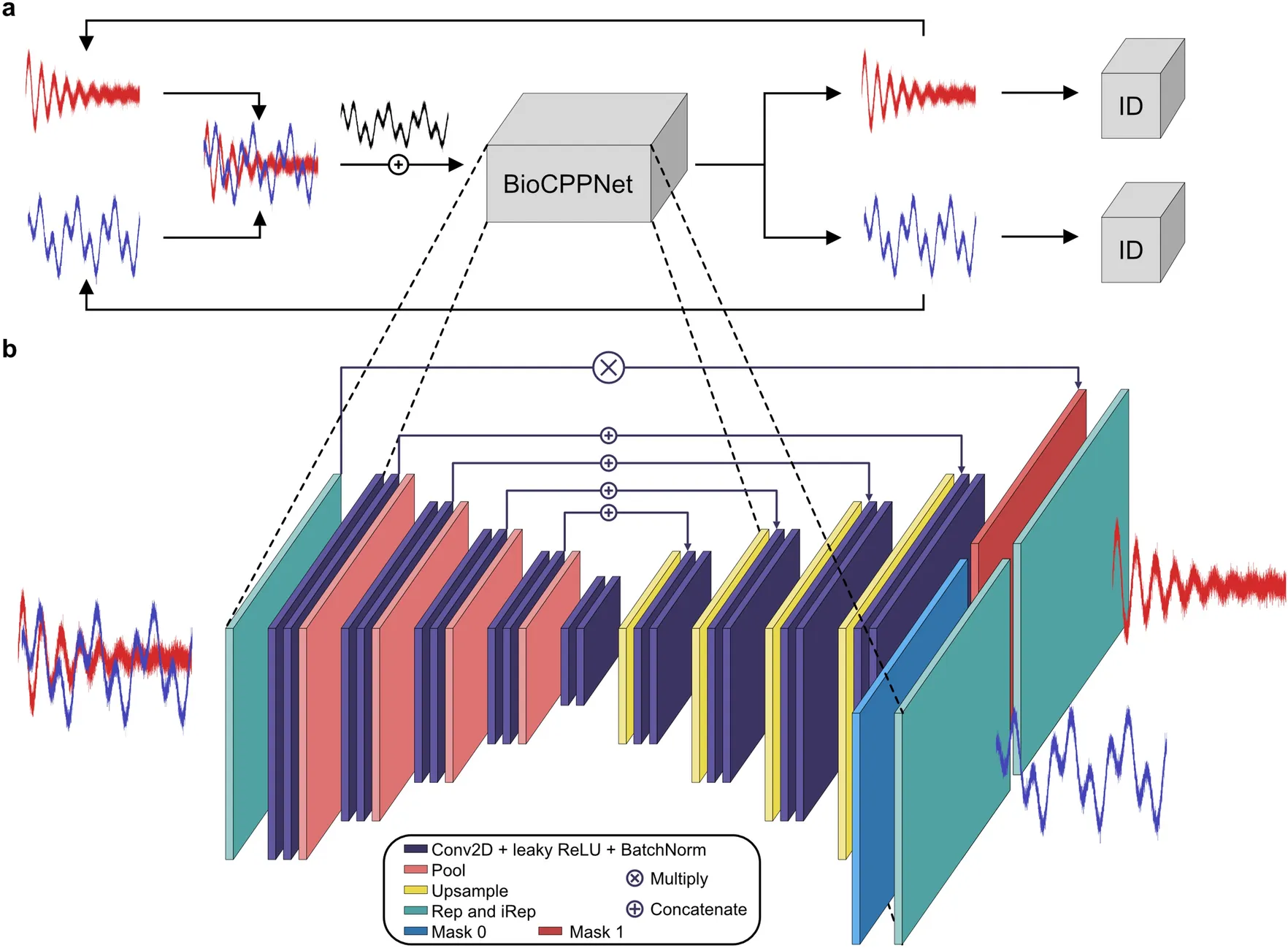
Overview of acoustic source separation techniques for embedded devices, detailing DNN and cochlear (CASA) methods to improve speech recognition in noisy environments.
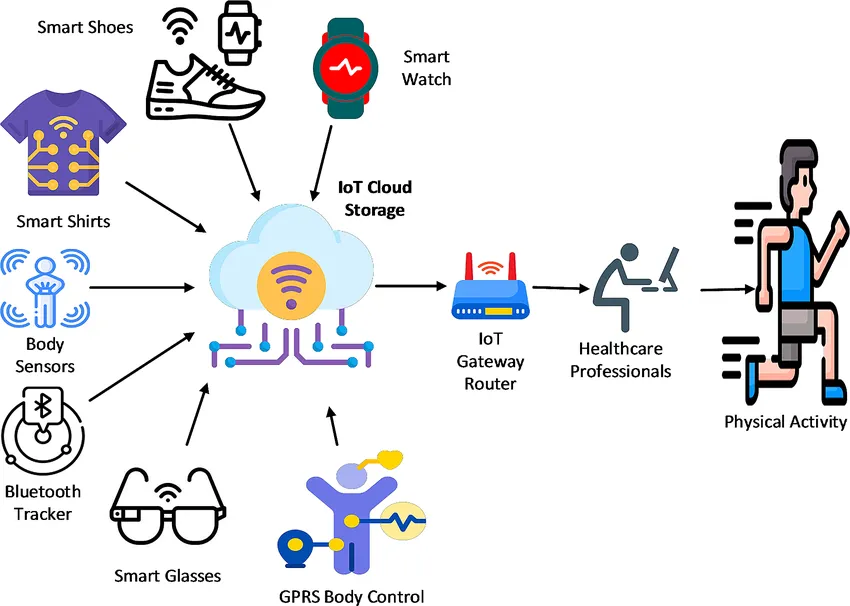
Technical guide to selecting accelerometers and MEMS sensors for wearables, CBM, IoT and asset monitoring—covers noise, bandwidth, g-range, power, FIFO and on-node features.
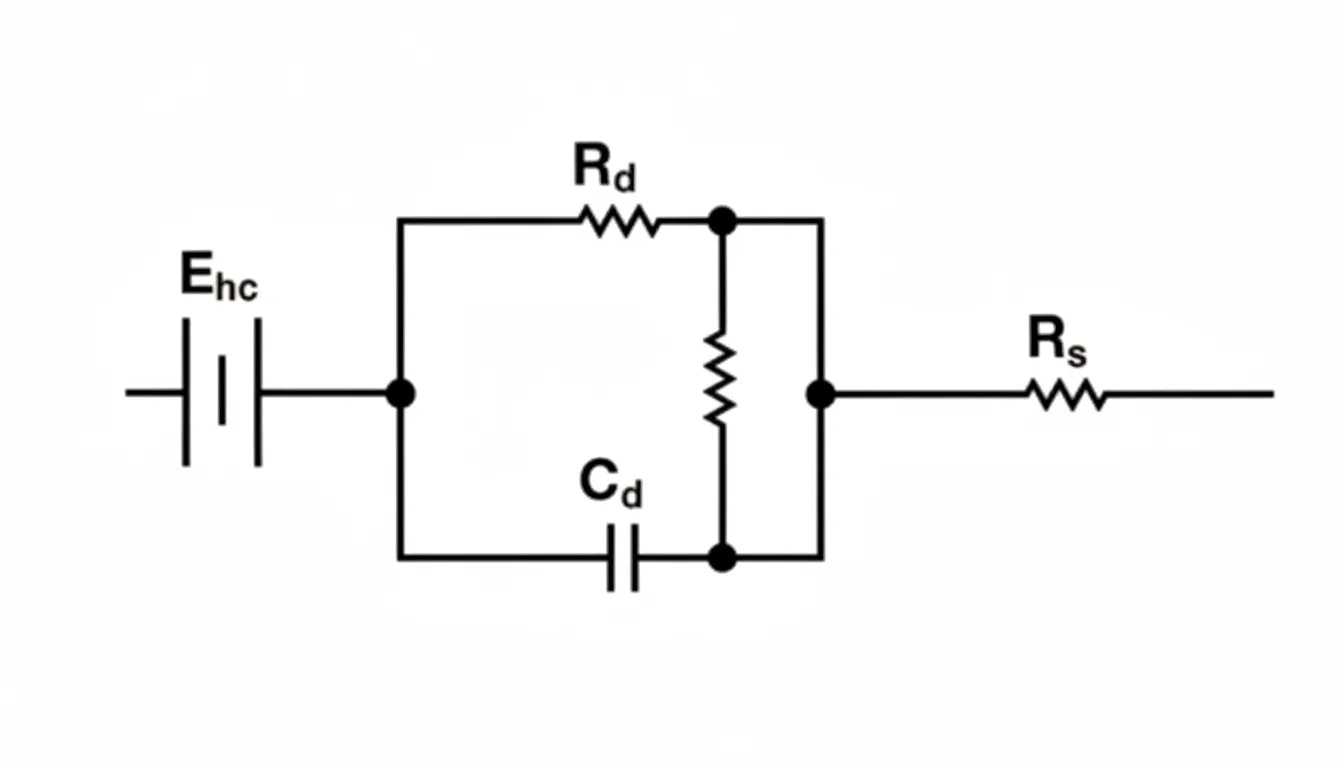
Technical overview of wearable bioimpedance measurement: electrode half-cell potential and electrode-to-skin impedance, IEC 60601 limits and ADuCM350 circuit solutions.