ALLPCB


Global semiconductor manufacturer ROHM (headquartered in Kyoto, Japan) has established mass-production technology for ultracompact short-wavelength infrared (SWIR) devices in a 1608 package (1.6 mm × 0.8 mm). The technology targets material-detection uses in portable devices, wearables, and hearables.
SWIR sensing: principle and applications
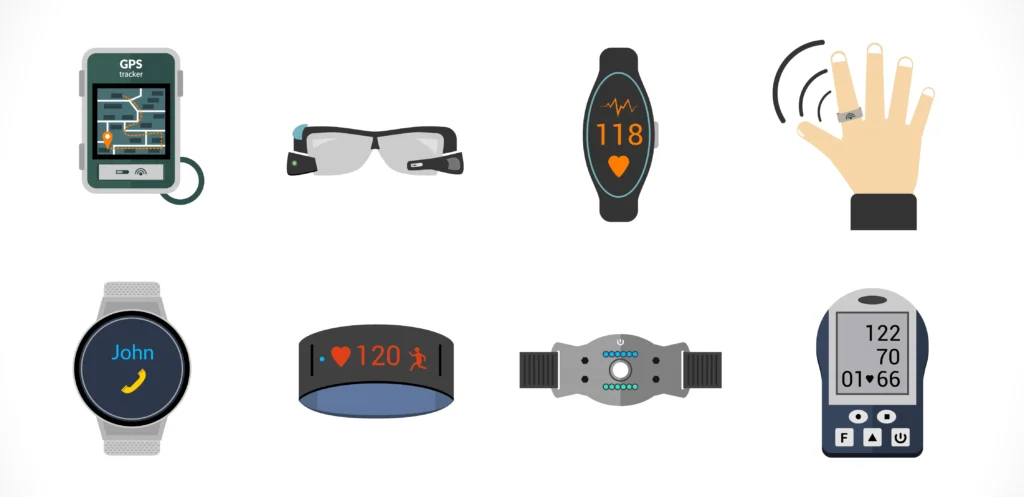
SWIR leverages the characteristic absorption of specific infrared wavelengths by water, ice, gases, and other substances. It is used for presence detection and compositional analysis. Potential applications include optical sources for blood-oxygen saturation and blood-glucose measurement in medical devices, moisture and sugar content assessment in produce, and sensing through OLED displays in portable equipment. SWIR is also being applied in health monitoring for wearables and hearables.
Technology and product overview
ROHM applied production know-how accumulated from mass production of visible and near-infrared LEDs to develop mass-production processes for small SMD SWIR devices in 1608 packages, covering both emitters and detectors. For emitter LEDs, the company plans a lineup combining different package shapes (molded and lens types) and wavelengths spanning 1050 nm to 1550 nm, totaling 10 models. For photodetectors, ROHM plans four models across two package sizes (1608 and 20125) and two photodetector active-area sizes.
ROHM expects to provide SWIR emitter and detector samples using this technology beginning March 2023. The company indicated the technology is intended to expand sensing capabilities in small-form-factor applications.
Compared with near-infrared (NIR), SWIR has longer wavelengths and greater penetration, making it less affected by sunlight and small particles such as smoke. Those characteristics can extend sensing to targets such as OLED displays, water, gases, and glucose. Currently, many SWIR products on the market are through-hole or larger modules aimed at communications and industrial analysis, while SMD parts suitable for small applications are limited. ROHM used its compound semiconductor LED production advantages to establish mass production for 1608-size SWIR devices.
ROHM SWIR device details
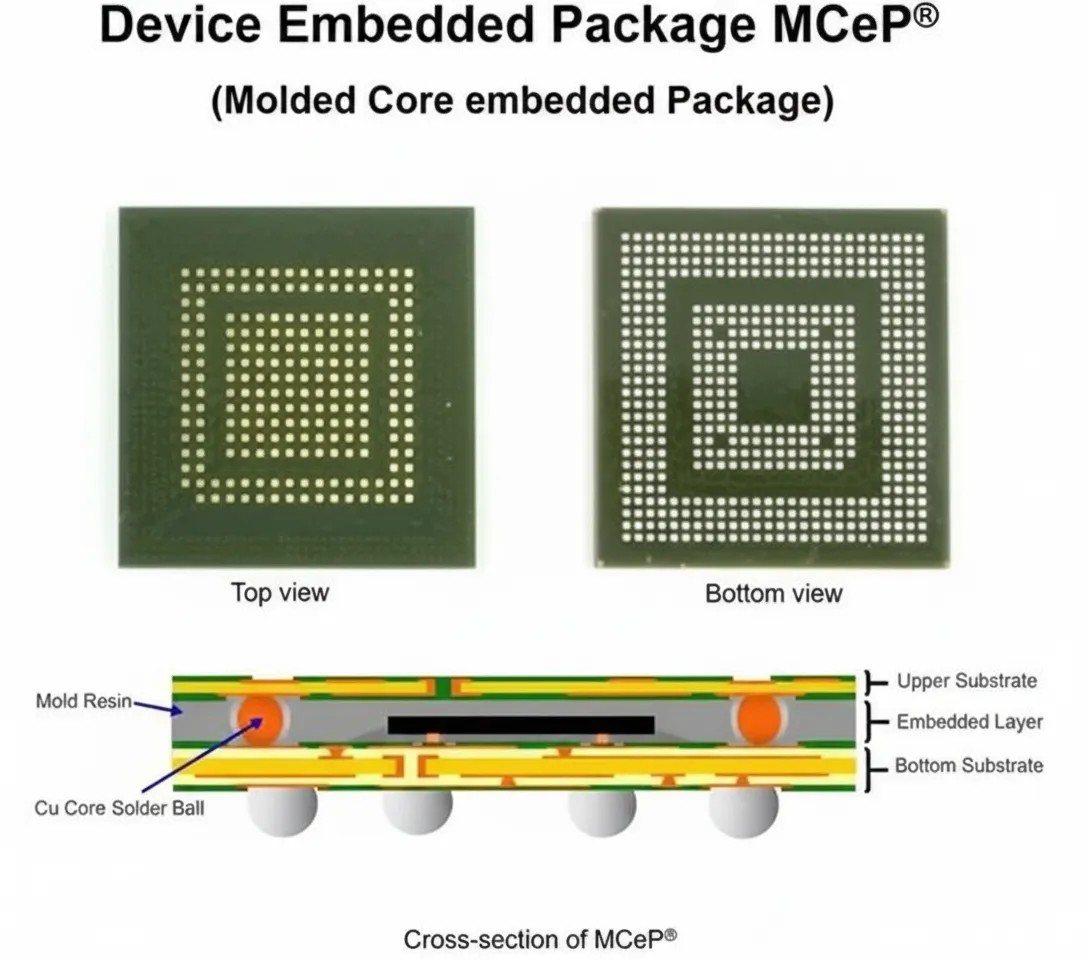
ROHM's SWIR devices, both emitters and detectors, use an ultracompact 1.6 mm × 0.8 mm SMD package. Combining small emitters and detectors reduces board area and enables sensing in space-constrained applications.
SWIR LED (emitter)
ROHM plans SWIR LEDs at five wavelengths to match different target absorption bands: 1050 nm, 1200 nm, 1300 nm, 1450 nm, and 1550 nm. In addition to standard molded packages, two lens-type SMD packages with narrower emission angles and higher radiance will be offered. The planned lineup of 10 models aims to expand detection capabilities for water, gases, glucose, and other targets.
SWIR photodiode (detector)
For SWIR photodiodes, there is a trade-off between active area, response speed, and sensitivity: small active areas favor fast response, while larger areas favor higher sensitivity. ROHM plans four detector models combining two active-area diameters and two package types. This allows selection based on application needs such as high-speed sensing or low-light detection.
Target applications
- Detection through OLED displays in portable devices
- Health monitoring for wearables and hearables
- Moisture detection in food and biological tissues, drug analysis, and inspection equipment
Glossary
SWIR: Short-wavelength infrared, typically referring to light in the 1000 nm to 2500 nm band.