ALLPCB


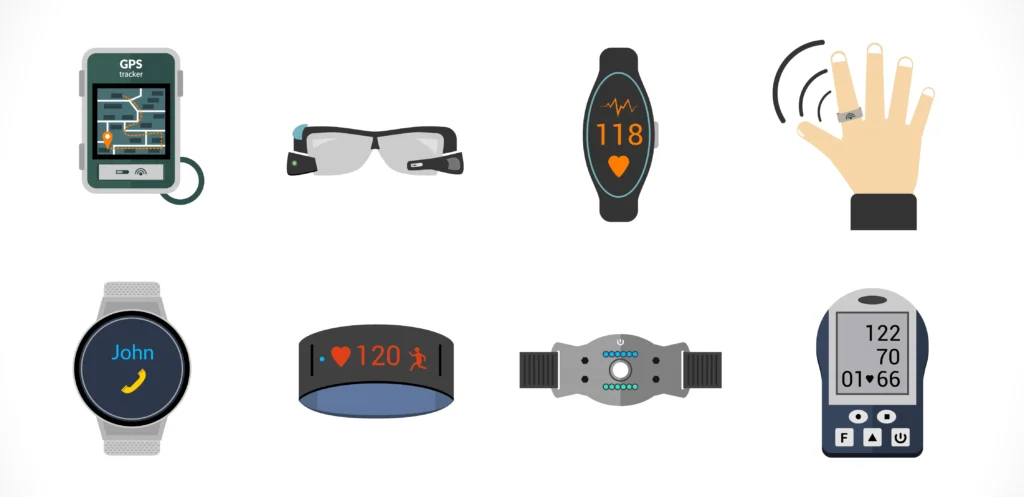
Google Glass and the iWatch signaled that wearable devices are becoming a mainstream trend. Wearables cover social interaction, entertainment, fitness, and navigation, but health management stands out as one of the most certain and potentially transformative applications.
Market Potential for Smart Wearables in Health
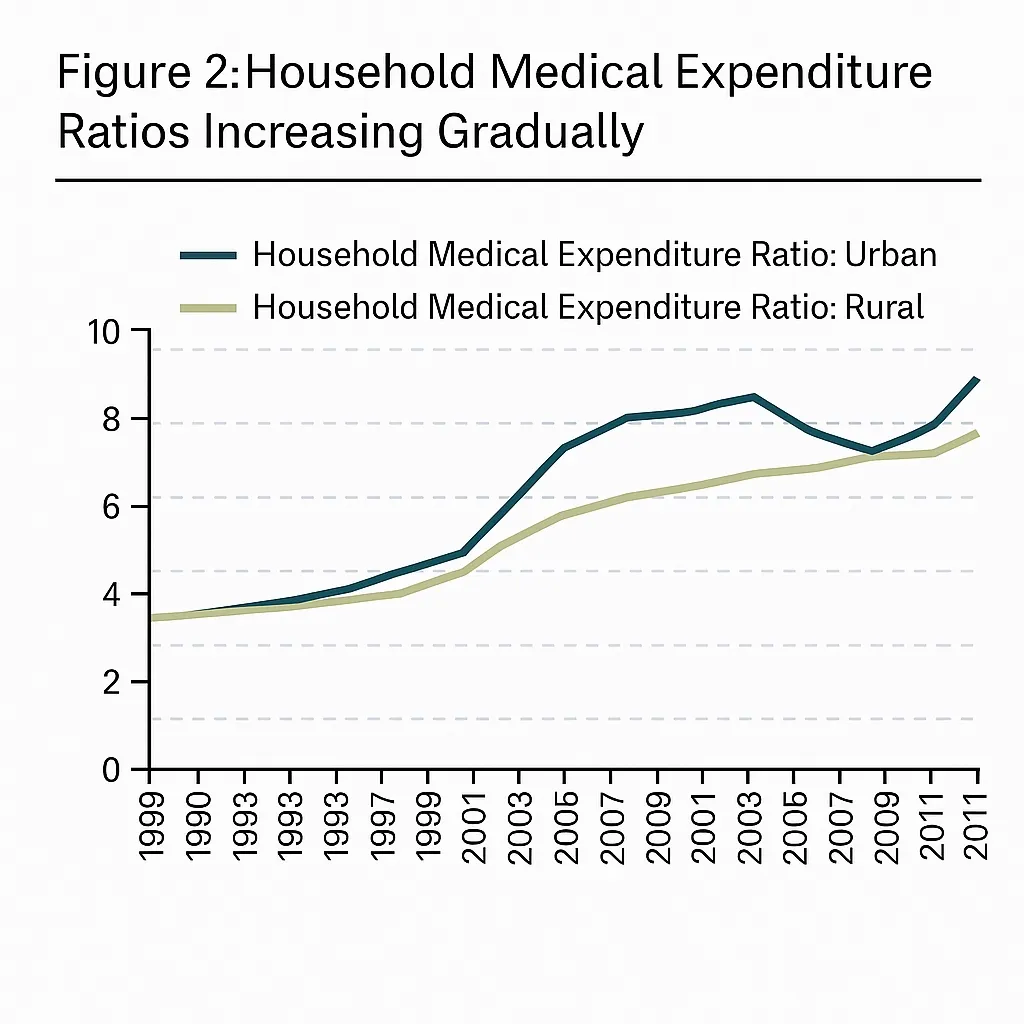
Health management shifts care from passive disease treatment to active health management, reducing medical costs and preserving health. While devices like Google Glass offer optional lifestyle enhancements, wearables for health address a universal need: everyone faces health risks, and rising health awareness expands the demand base for medical wearables. As living standards rise, healthcare spending in China has steadily increased from a relatively low baseline.
ABI survey data indicate that in 2012 there were about 30 million wireless wearable health sensors deployed in the medical electronics field, a 37% increase over 2011. ABI forecasts that remote patient monitoring and online professional medical applications will account for 20% of the total wearable wireless device market by 2017. BCCResearch projects the mobile health market growing from $9.8 billion in 2010 to $23 billion in 2015, a compound annual growth rate of 18.6%.
1. Aging Population and More Empty-Nest Seniors
The prevalence of disease among people over 65 is roughly 3 to 7 times that of adults aged 15 to 45. Accelerating population aging in China underpins healthcare growth. With increasing empty-nest and solitary elderly households, demand for wearable medical devices that enable remote, real-time monitoring will rise.
A 2011 plan issued by China's State Council General Office noted that population aging is accelerating, with a large and rapidly growing elderly population increasingly showing trends toward very old age and empty-nest households. Between 2020 and 2050 China is expected to enter an accelerated aging phase; due to high birth rates in the 1960s and 1970s, annual increases of about 6.2 million are expected during that stage, and by 2050 the elderly population is projected to exceed 400 million, reaching about 30% of the total population.
National surveys show that the proportion of empty-nest elderly households in Chinese cities has reached around 49.7%, and in large and medium-sized cities it is as high as 56.1%. Growth in solitary elderly households and rising labor costs are key drivers for demand in remote monitoring wearable devices.
2. Younger Onset of Chronic Diseases Increases Service Needs
China entered a high-burden period for chronic disease. According to the 2012 national chronic disease prevention and control plan, diagnosed chronic disease patients total 260 million. The major chronic diseases affecting public health include cardiovascular and cerebrovascular disease, malignant tumors, diabetes, and chronic respiratory disease. Chronic diseases account for about 85% of total deaths and roughly 70% of the disease burden. The chronic disease profile is characterized by large patient populations, high medical costs, long disease duration, and strong service demand.
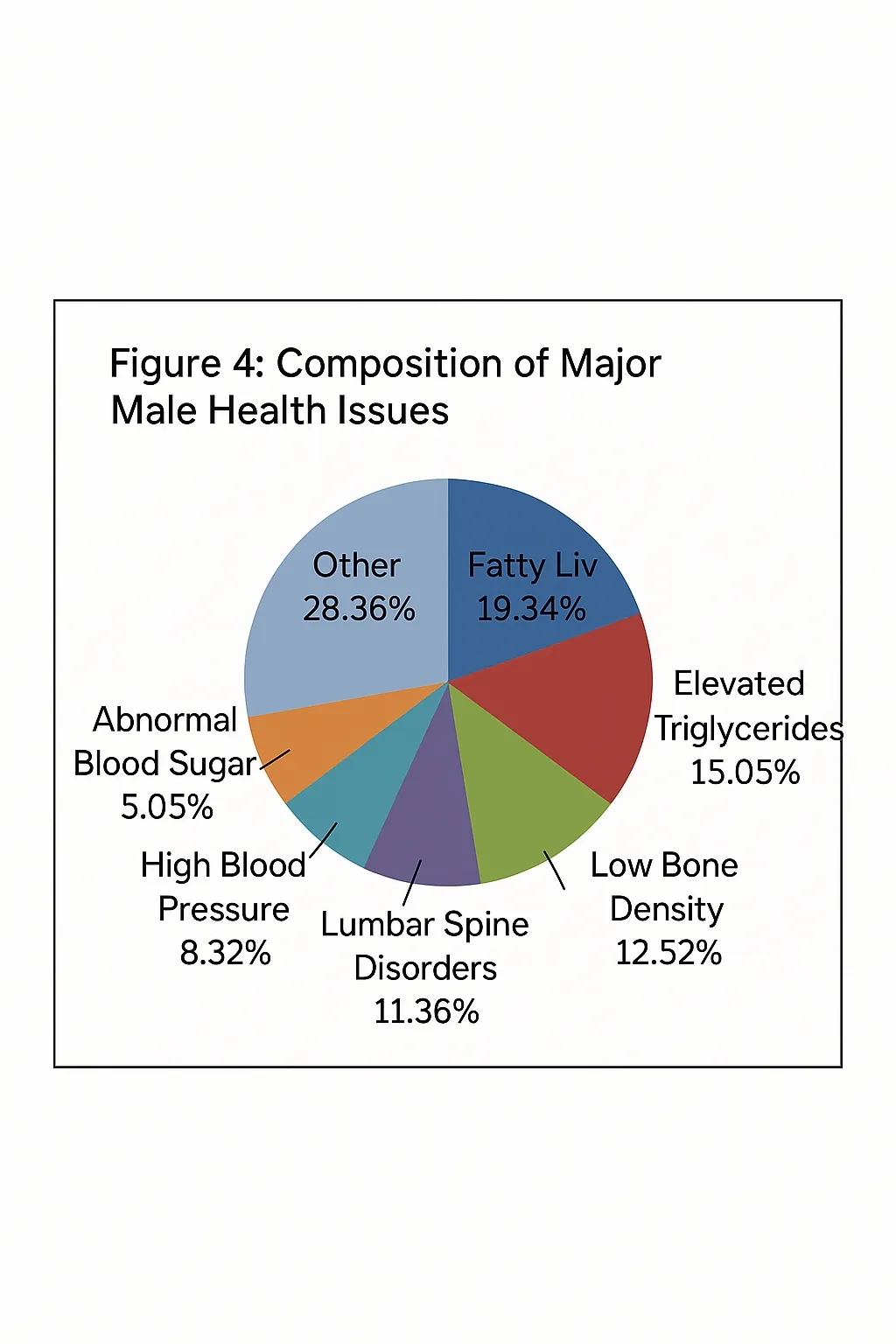
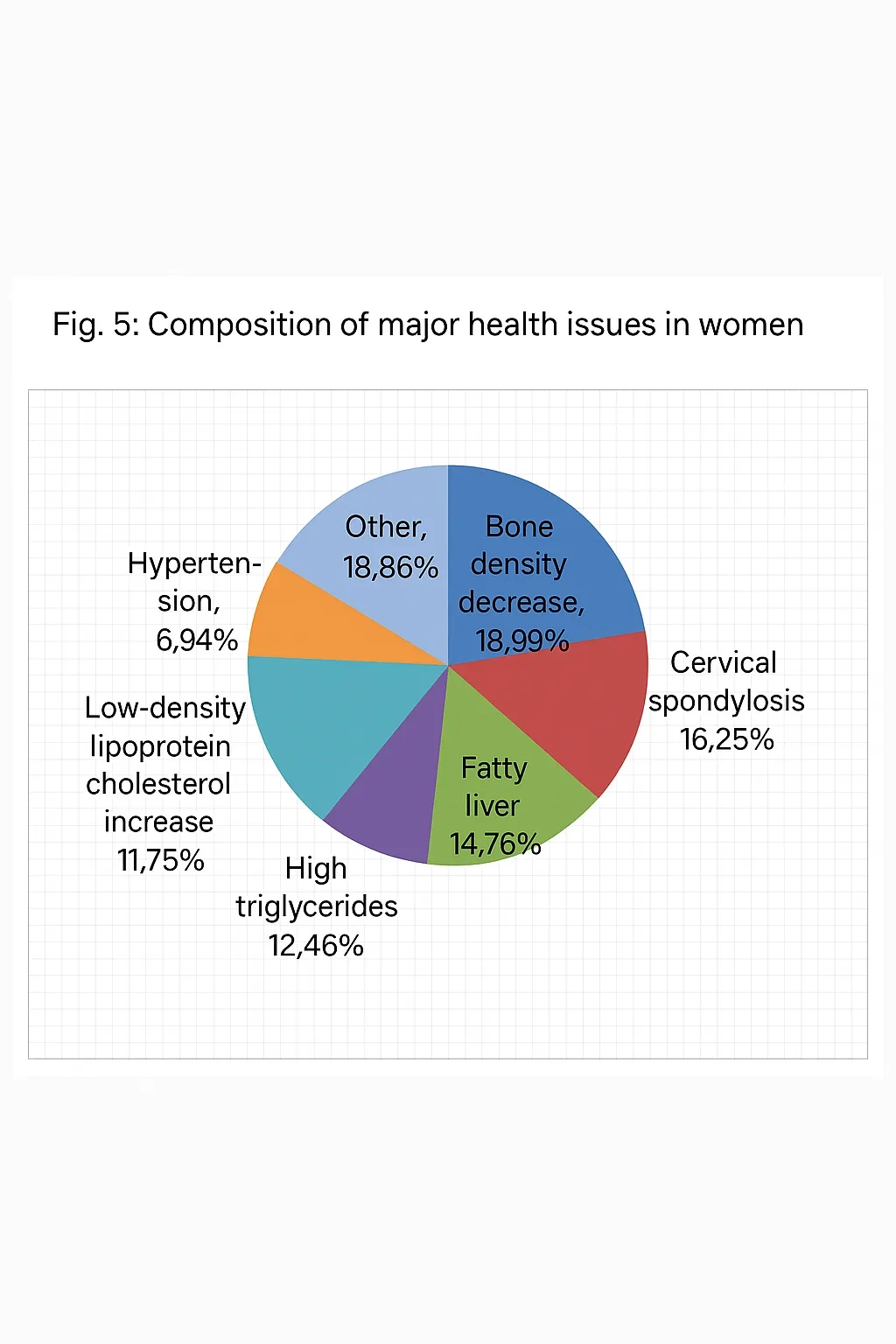
The 2012 White Paper on Urban Residents Health found that people aged 35 to 65 are becoming a major cohort for chronic disease, with rising trends in overweight and obesity, dyslipidemia, fatty liver, and hypertension. The age of onset is trending younger. Many chronic conditions present physiological abnormalities before disease onset; measuring subclinical indicators via wearables can support earlier detection and intervention.
Wearable medical devices allow patients to manage their conditions and receive timely assistance. For any chronic disease, millions of engaged users are feasible, and the clinical data from large user bases have significant commercial and social value.
3. Health Management Aims to Avoid Hospitalization
Smart wearable medical devices can assist patients with scientifically designed personalized health management, using monitored indicators to correct functional pathological states and interrupt disease progression. Proper chronic disease management can prevent emergency visits and hospital stays, reducing healthcare visits and lowering associated costs and labor.
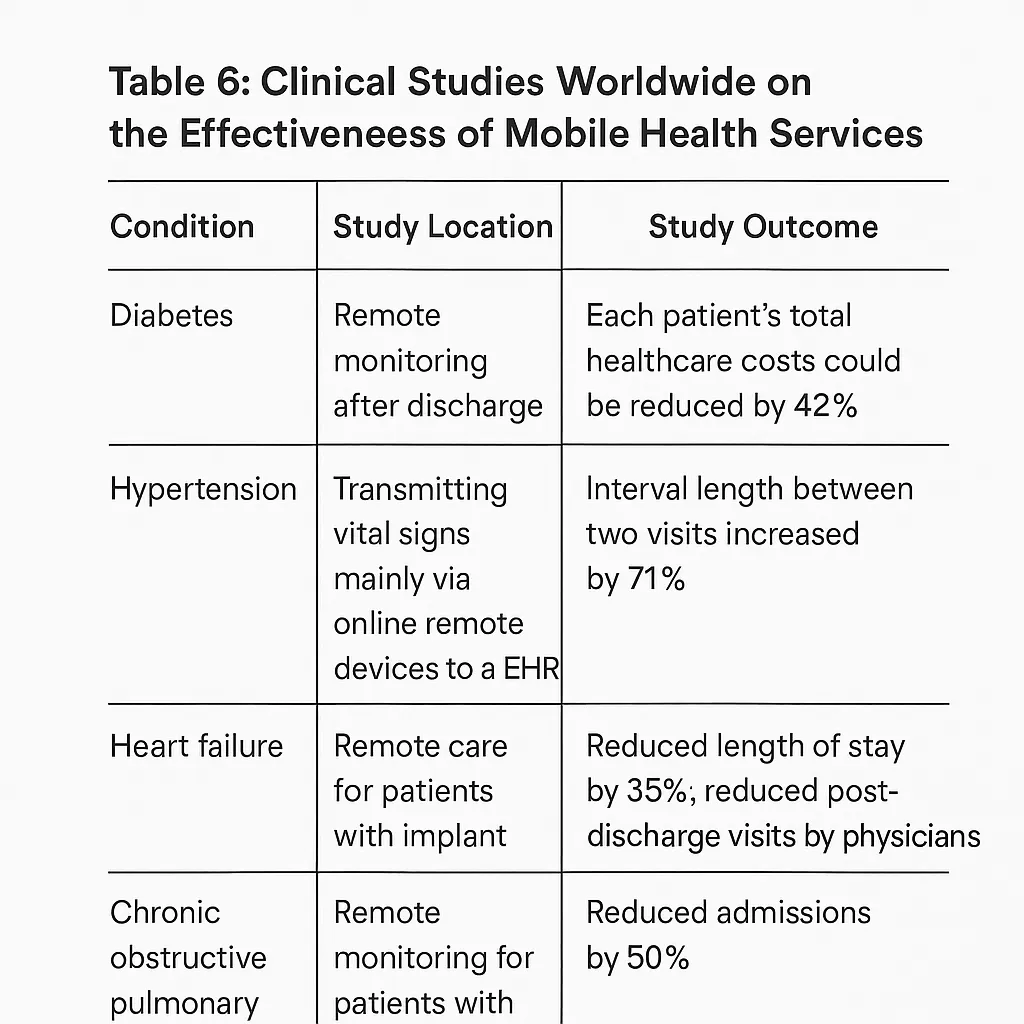
Global clinical research on mobile health services shows that post-discharge remote monitoring can reduce total patient medical costs by 42%, extend intervals between doctor visits by 71%, and reduce hospital stays by 35%.
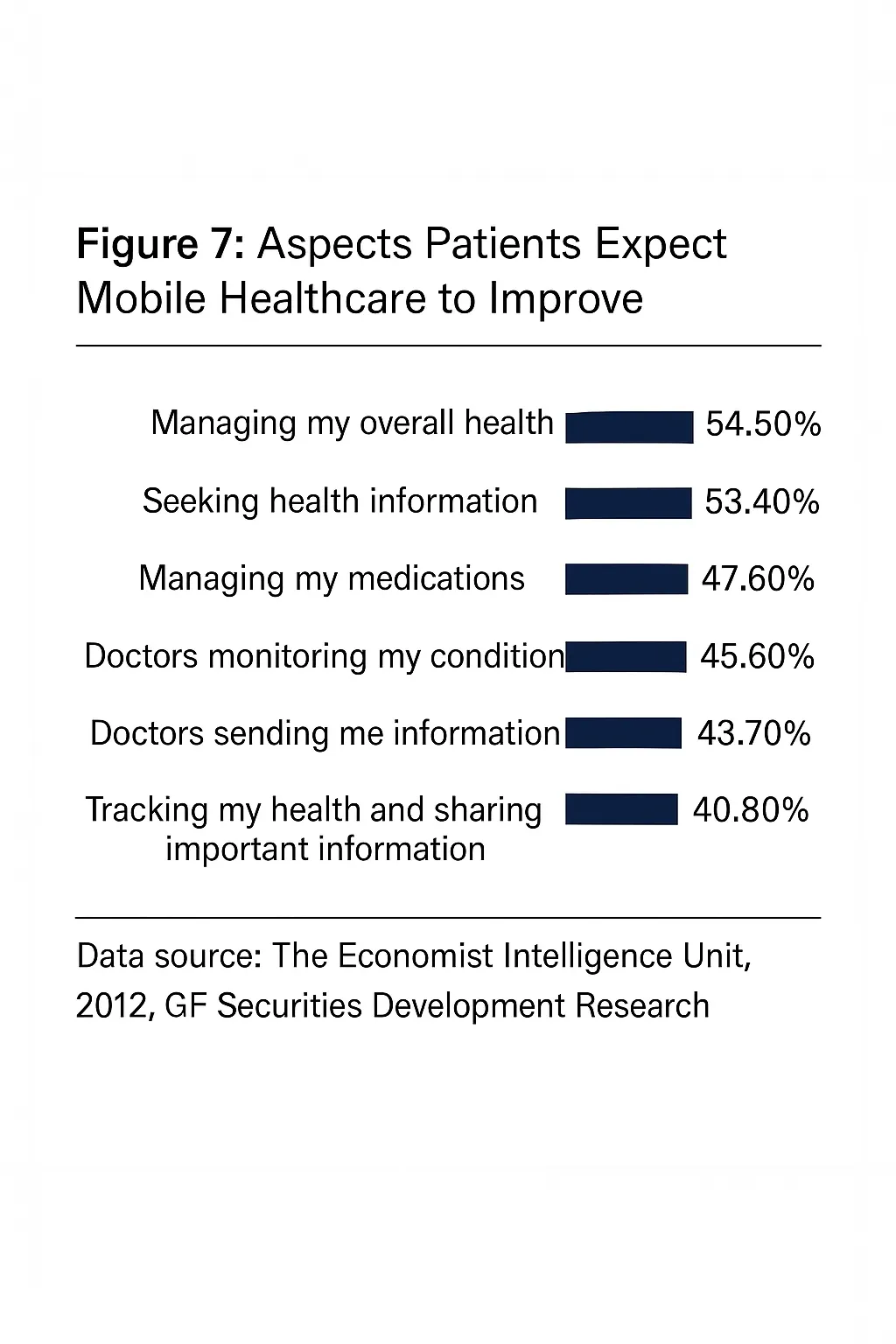
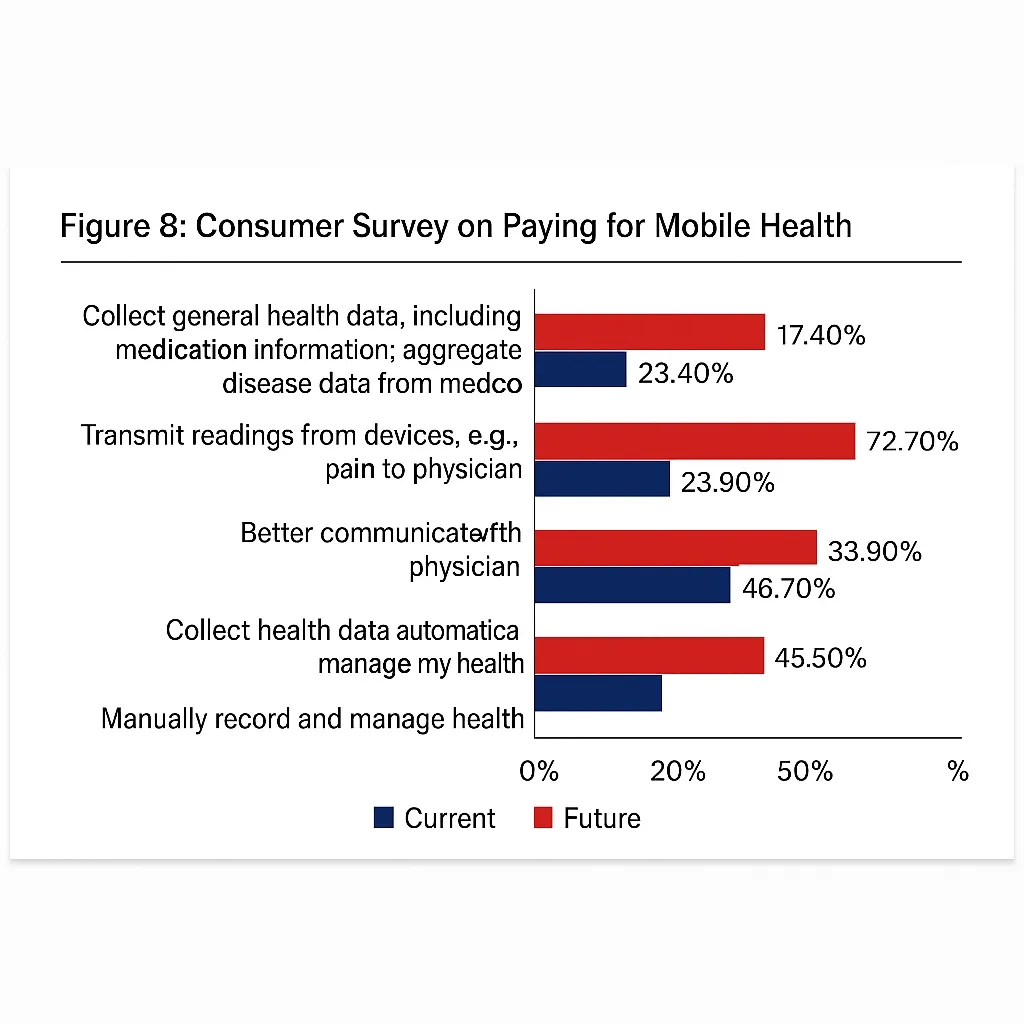
Patients expect mobile health devices to help them manage overall health and provide medication information. Surveys indicate patients are most willing to pay for mobile services that collect condition data and send it to physicians to improve communication with doctors.
4. Venture Capital and Private Equity Interest
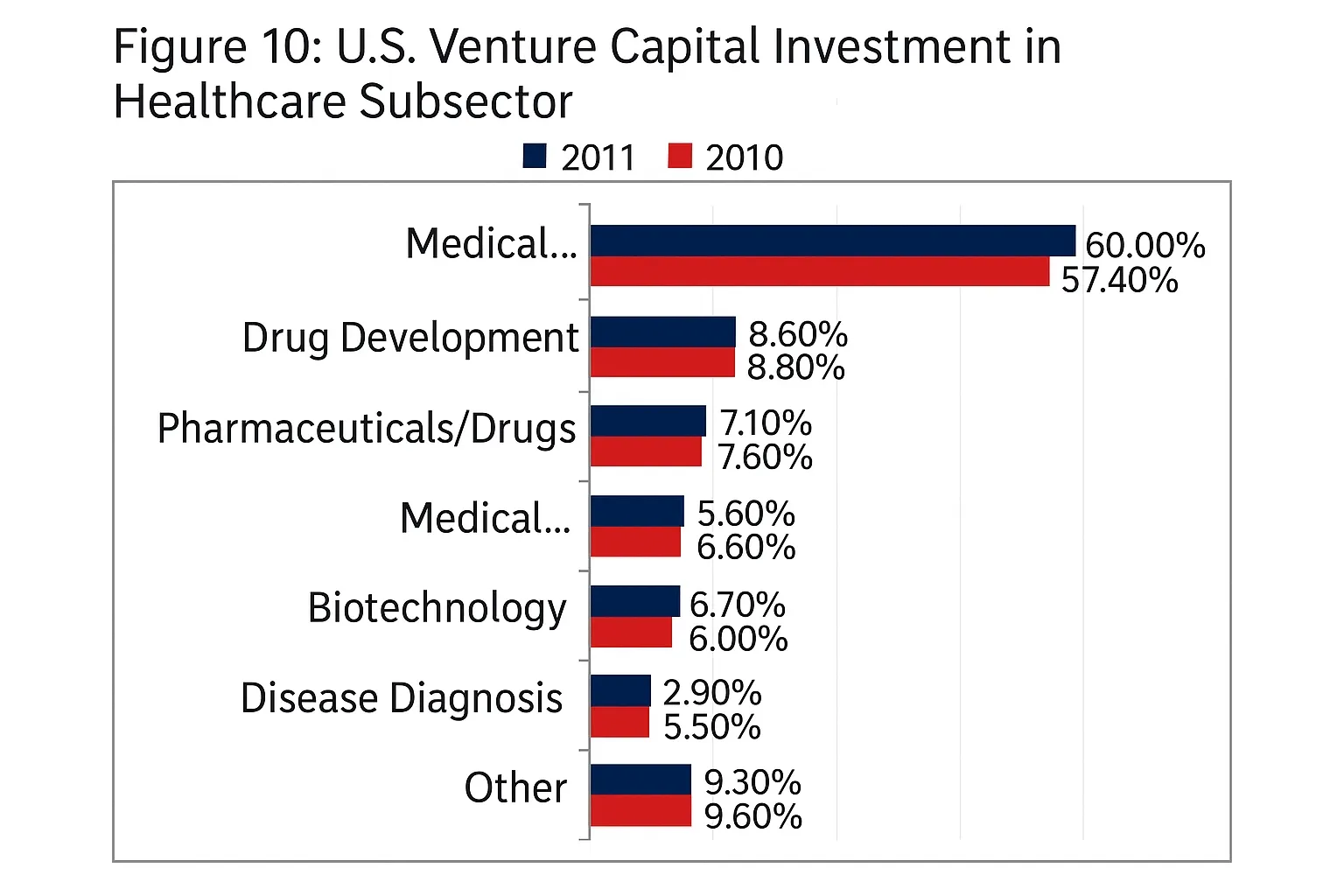
In US private equity portfolios, medical-related investments accounted for 37.4%, exceeding internet-related investment by 10 percentage points. Within medical investments, medical devices made up more than half.
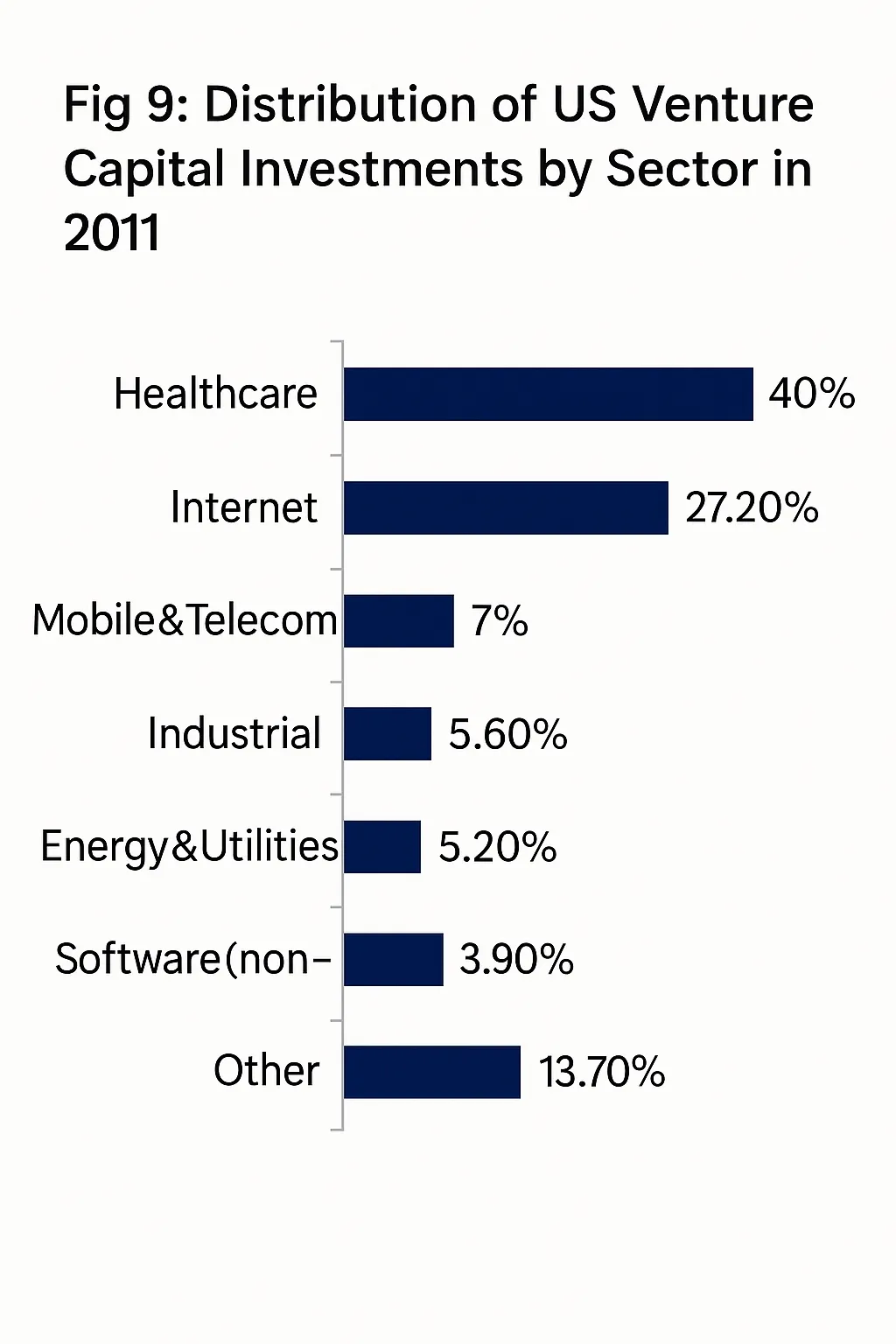
Venture capital enthusiasm underscores the outlook for wearable medical devices. In China, mobile health has also attracted venture capital attention and has become a popular option for institutional investment.
Revolutionary Product: Wearable Medical Devices
In 1861 a French physician rolled a thin notebook into a tube to better hear a patient's heartbeat, an action that led to the stethoscope and advanced clinical medicine. Today, a physician can view a remote patient's electrocardiogram via data from a wearable device. This is the ongoing revolution in medical technology.
Former Johns Hopkins cardiologist Eric Topol lists mobile health as one of the most disruptive innovations in medicine in his book The Creative Destruction in Medicine.