ALLPCB


Heal Thyself
Long before Alexander the Great spread Greek civilization across the Mediterranean and Near East, the maxim "physician, heal thyself" was already in use. The Greek playwright Aeschylus is often associated with this proverbial idea, which was later condensed into "physician, heal thyself." The medical term "therapeutic" derives from the Greek therapeutikos, meaning "to care for" or "to treat." In the information age, this maxim may need an update to "patient, treat yourself."
Patient-Provider Communication in the Information Age
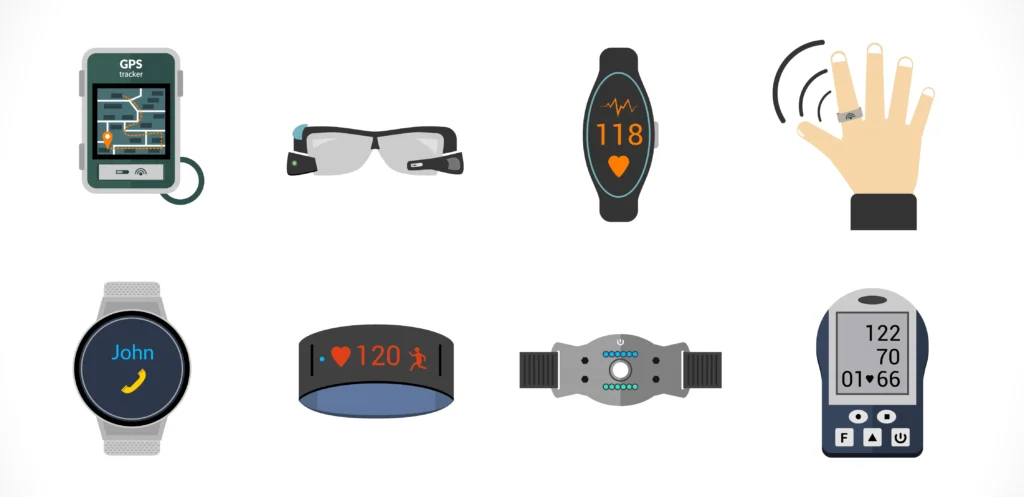
Conversations between clinicians and patients may increasingly sound like: "Doctor, it hurts when I do this..." "Did you download the app?" Apps, together with wearable or ingestible sensors, will supply relevant data for clinicians to review. This article examines the emerging field of digital therapeutics (DTx) and how software and wearables can work together to support health.
Technical Outlook for Digital Therapeutics
Medical technology has the potential to deliver better connected treatments to patients, bringing advanced care into the home and improving quality of life. Advances in analytic computing, data storage, and artificial intelligence (AI) make advanced analytics more practical. Personalized hardware in the form of medical wearables, smartphones, and smartwatches enables patients to exchange digital information with their care providers. Research indicates that digital therapeutics and digital interventions can measurably improve quality of life. Digital approaches also provide the speed and convenience consumers expect while reducing in-person contact. Digital technologies are poised to reshape healthcare in the coming years.
Digital therapeutics are one component of the broader digital health landscape. Other rapidly expanding areas include:
- Devices, sensors, and wearables: wearable and wireless devices, biosensors, diagnostic products
- Health information technology (HIT): electronic medical records, e-prescribing and order entry, consumer health IT apps
- mHealth: health and fitness trackers, nutrition apps, consumer health information, medication adherence apps
- Precision medicine: patient-reported outcomes, predictive analytics, clinical decision support
- Telemedicine: virtual visits, remote patient monitoring, remote care programs
Solutions across the digital health ecosystem work together to deliver clinical value. Enterprise systems and services provide integration platforms for health systems, clinics, and businesses. Clinical services and support use HIT and telemedicine to improve care quality and workflows. Patient-facing devices, sensors, wearables, and mHealth apps capture, store, or transmit health data. Diagnostic and monitoring solutions aimed at patients are used for diagnosis, diagnostic guidance, or active monitoring.
Digital Therapeutics Alliance
The Digital Therapeutics Alliance (DTA) defines "digital therapeutics." DTA is an industry organization aiming to advance digital therapeutics to improve clinical outcomes and the economics of healthcare. Its mission is to increase understanding, adoption, and integration of clinically validated digital therapeutics among patients, clinicians, payers, and policymakers through education, advocacy, and cross-sector collaboration.
Definition of Digital Therapeutics
According to DTA, digital therapeutics (DTx) are evidence-based therapeutic interventions delivered via software to prevent, manage, or treat a disorder or disease. DTx can be used alone or in combination with drugs, devices, or other therapies to optimize patient care and outcomes. DTx products combine design, clinical evaluation, usability, and data security best practices. They may be reviewed, approved, or certified by regulators as needed to support claims about risk, efficacy, and intended use. Digital therapeutics provide accessible, data-driven interventions for patients, clinicians, and payers through secure, effective, and high-quality digital tools.
Principles Underpinning DTx Products
DTA recommends that development and design of DTx products adhere to the following principles and objectives:
- Prevent, manage, or treat a disorder or disease
- Deliver software-driven medical interventions
- Follow design, manufacturing, and quality control best practices
- Engage end users in product development and usage
- Incorporate patient privacy and security protections
- Apply best practices for deployment, management, and maintenance
- Publish trial results in peer-reviewed journals, including clinically meaningful outcomes
- Undergo regulatory review, approval, or certification as needed to support claims about risk, efficacy, and intended use
- Align product claims with clinical evidence and regulatory status
- Collect, analyze, and apply real-world evidence and product performance data
DTx Product Categories
DTA groups DTx products into three categories based on their overall goal of treating, managing, or improving health. Table 1 summarizes these categories.
Table 1: Digital Therapeutics (DTx) Product Categories
| Treat Disease | Manage Disease | Improve Health | |
|---|---|---|---|
| Clinical Endpoints | Must provide therapeutic interventions and use clinical endpoints to support product claims | Must provide therapeutic interventions and use clinical endpoints to support product claims | Must provide therapeutic interventions and use clinical endpoints to support product claims |
| Clinical Evidence | Clinical trials and ongoing evidence generation required | Clinical trials and ongoing evidence generation required | Clinical trials and ongoing evidence generation required |
| Medical Claim Level | Medium to high risk claims | Medium to high risk claims | Low to medium risk claims |
| Regulatory Oversight | Third-party validation by regulators or equivalent national bodies for efficacy and safety claims | Third-party validation by regulators or equivalent national bodies for efficacy and safety claims | Level of oversight depends on local regulatory framework |
| Patient Use | Prescription | Over-the-counter or prescription | Over-the-counter or prescription |
Value of DTx Products
DTx products that use clinically validated, evidence-based technologies can:
- Optimize clinical and economic outcomes
- Deliver high-quality care to underserved populations
- Scale clinician reach quickly using patient-owned devices and allow clinicians access to relevant data
- Provide convenience and privacy in the home
- Transform how patients understand, manage, and engage with their care
- Extend clinicians' capacity to treat patients
- Support care teams in environments with uneven healthcare infrastructure
- Reduce overall treatment costs
Patients and Caregivers: New Therapeutic Options
Clinical evidence shows that digital therapeutics can use software-based techniques to treat, manage, and prevent a range of disorders and diseases (Figure 1). DTx products can be delivered directly to patients, or combined with other digital health technologies, drugs, or clinic-based treatments to:
- Improve patient health
- Provide a user-friendly experience
- Deliver meaningful, personalized outcomes and insights
- Extend clinician reach via smartphones and tablet computers and allow clinician access to relevant data
- Ensure patient safety and privacy protections
Clinicians: Evidence-Based Treatment Options
DTx products represent a class of evidence-based therapeutic tools that help clinicians deliver high-quality care. These products target various disease states and provide software-based interventions. Used alone or alongside other therapies, DTx can:
- Directly improve disease detection and clinical outcomes
- Enable broader access to safe, confidential, and effective care
- Treat patients who were previously untreated or undertreated
- Extend clinicians' capacity to care for patients
- Improve patient engagement
- Address current gaps in care delivery
- Reduce overall treatment costs
Because DTx products are accessible and can integrate with clinical workflows while providing real-world insights, they are becoming important tools for clinicians and care teams.
Policymakers: Laws and Regulations
Policymakers at local, national, and regional levels face questions about regulatory certification of DTx products and legislative actions needed to support payer coverage and patient access. DTx products can be deployed more easily in high-risk, rural, and underserved communities because they are scalable and often accessible via patient-owned devices. These areas frequently experience shortages even under optimal conditions.
Payers: Clinical and Financial Value
The recent global pandemic exposed challenges payers face in delivering accessible, high-quality care outside traditional hospital- and clinic-based settings. Payers are now considering more options to meet patient needs and fill gaps in conventional care. By combining technology with evidence-based medicine, DTx products can treat many conditions and enable payers to:
- Reduce overall treatment costs
- Strengthen, support, and optimize existing care delivery
- Improve patient engagement
- Increase provider network efficiency
- Support value- and outcome-based care models
- Extend care beyond traditional clinics
- Improve consumer experience and satisfaction
Insights and information gathered through digital technologies can be integrated into care management workflows to provide payers with valuable data for population health management and value-based care.
Conclusion
Digital therapeutics deliver evidence-based therapeutic interventions via software to prevent, manage, or treat disorders and diseases. Software, medical wearables, smartphones, and other electronic medical devices can work together to treat and prevent a variety of conditions. Healthcare professionals will continue to integrate digital therapeutics into care delivery to improve patient well-being. Future patients will be able to collaborate with their providers and take a more active role in their own care.