ALLPCB


Overview
The maximum radio channel for 4G is 20 MHz, while 5G allows up to 100 MHz radio channels below 7 GHz. 5G can also use up to 400 MHz radio channels in millimeter-wave bands at 24 GHz and above. In addition to these wide channels, 5G can aggregate radio channels to achieve up to 800 MHz total bandwidth.
With a 100 MHz radio channel, operators can deliver 1 Gbps peak throughput and 100 Mbps average throughput. Why is C-band spectrum important for 5G?
Spectral efficiency and overhead
As shown below, using any radio channel, including guard bands, incurs overhead. The wider the channel, the smaller the proportion of radio resources consumed by overhead.
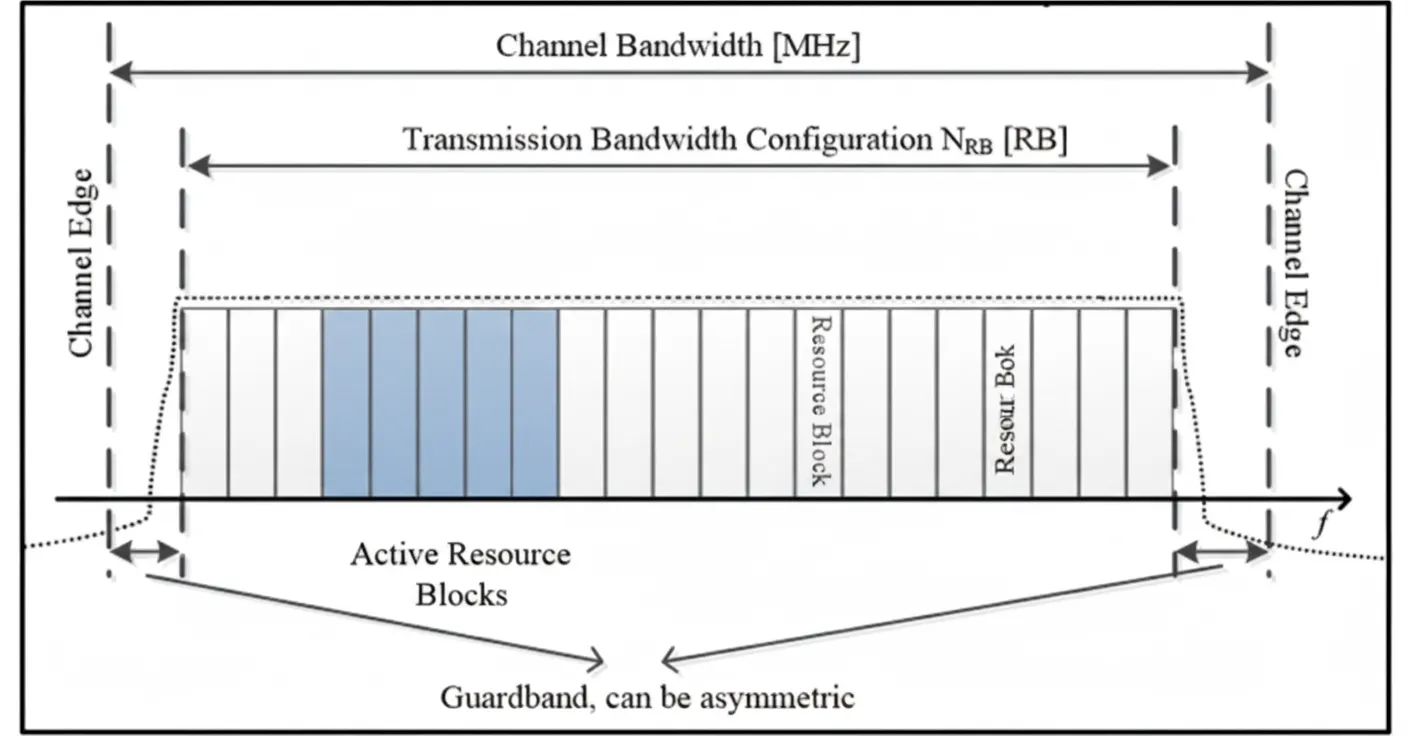
Radio resource utilization as a function of channel bandwidth. In other words, wider channels have higher spectral efficiency.
Because of guard band overhead, the table below shows how a 5G 100 MHz radio channel uses 98.3% of radio resources, while a 20 MHz radio channel uses only 91.8%.
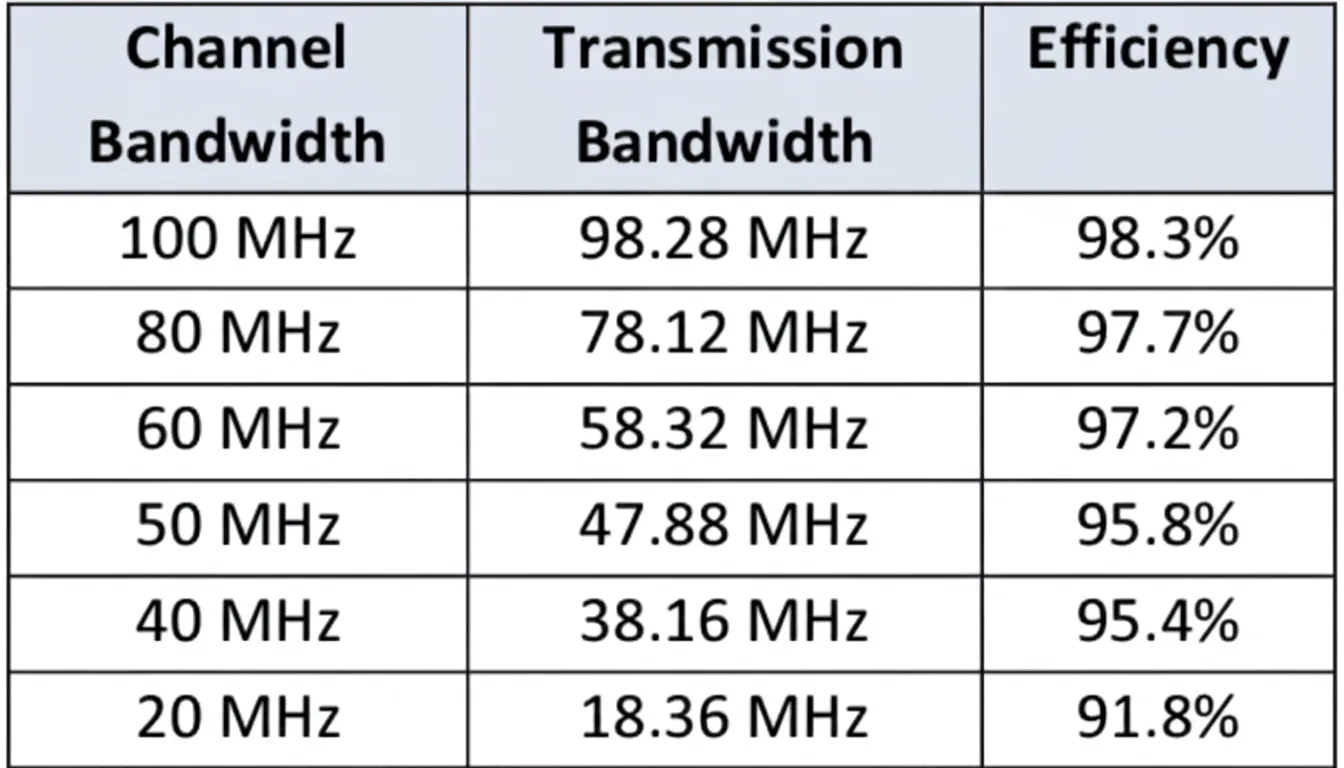
4G LTE efficiency
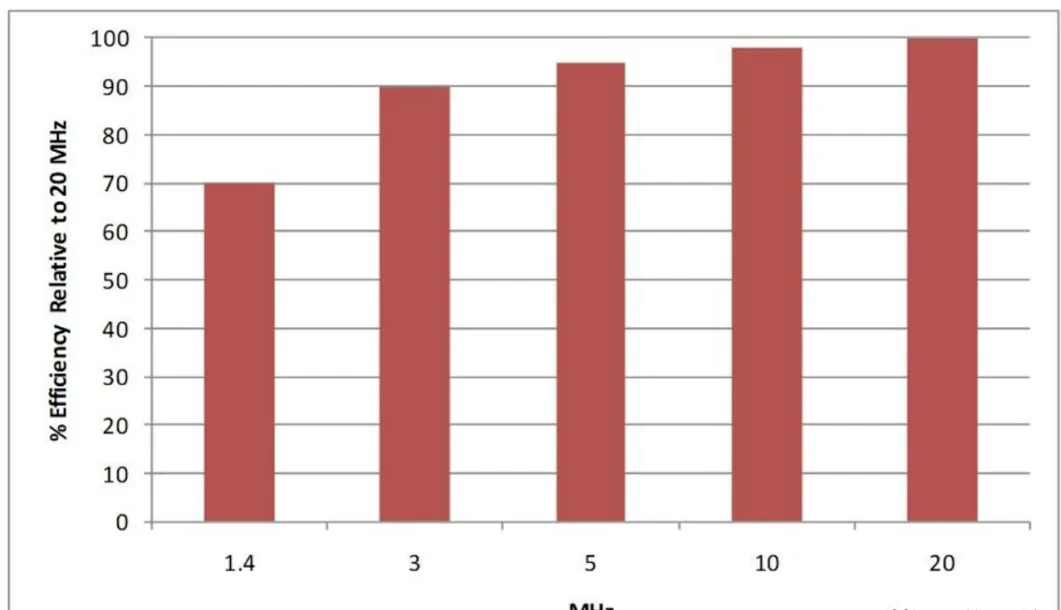
4G LTE also improves radio resource utilization; a 20 MHz radio channel is more efficient than lower bandwidths.
Cost per MHz
According to GSMA data, the cost per MHz for a 100 MHz allocation is 70% lower than for a 20 MHz channel.