ALLPCB


Choosing the right white silkscreen ink for your printed circuit board (PCB) is critical for ensuring durability, performance, and readability. Whether you're focusing on PCB silkscreen epoxy ink, PCB silkscreen acrylic ink, or PCB silkscreen UV curable ink, each type offers unique benefits in terms of adhesion and resistance. In this guide, we'll explore the different types of white silkscreen inks, their properties like PCB silkscreen ink adhesion and PCB silkscreen ink resistance, and how to select the best option for your project.
At ALLPCB, we understand the importance of precision and quality in every layer of your PCB design. Let’s dive into the world of silkscreen inks to help you make an informed decision for long-lasting and high-performing circuit boards.
What Is PCB Silkscreen and Why Does Ink Type Matter?
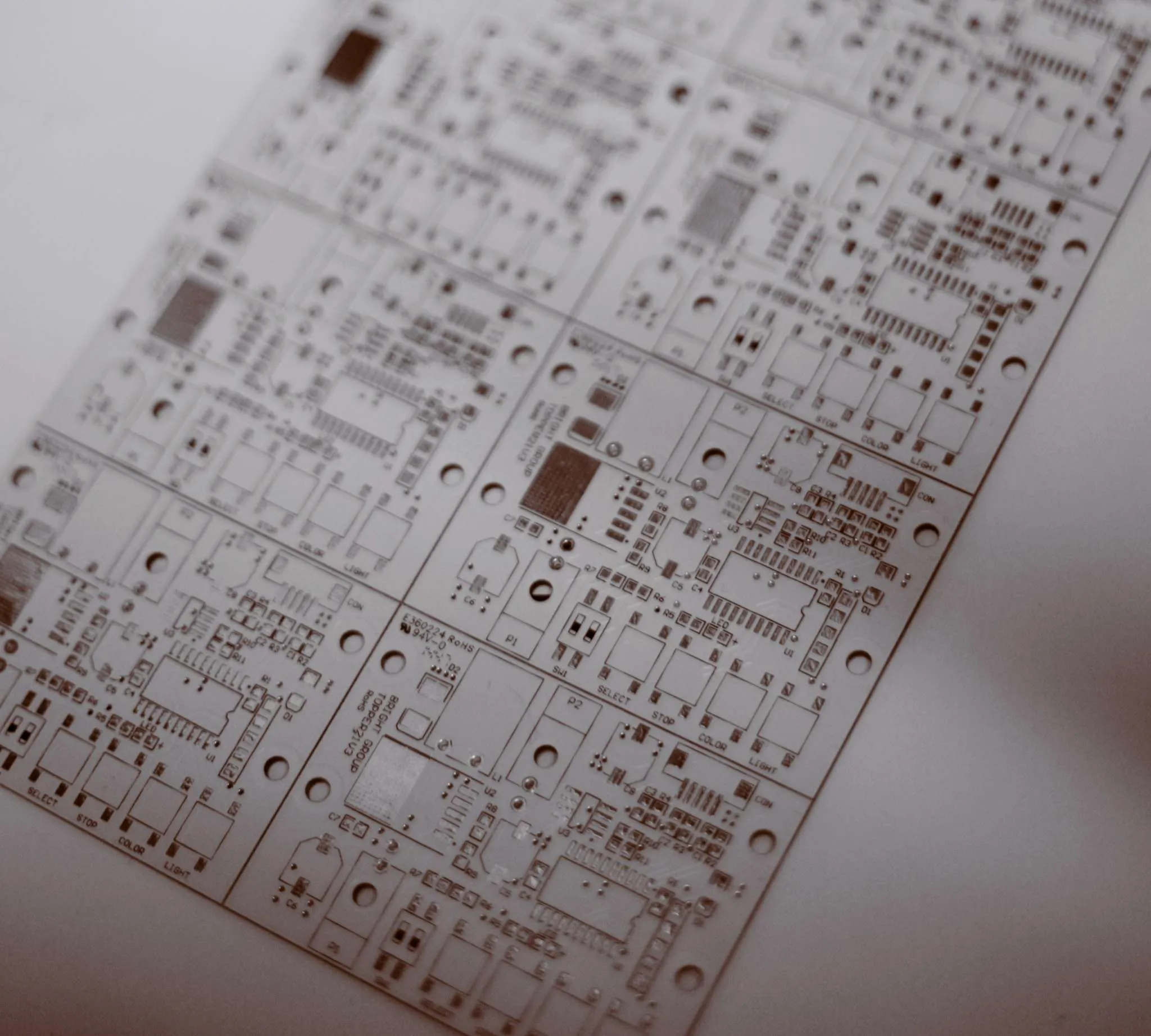
PCB silkscreen refers to the layer of ink printed on a circuit board to label components, test points, and other critical information. This layer is essential for assembly, troubleshooting, and maintenance, as it provides clear visual guides for engineers and technicians. White silkscreen ink is often preferred for its high contrast against darker solder masks, making it easier to read markings under various lighting conditions.
The type of ink used for the silkscreen layer directly impacts the board’s durability and performance. A poor-quality ink may fade, crack, or peel over time, especially when exposed to harsh environments, chemicals, or high temperatures during reflow soldering. Factors like PCB silkscreen ink adhesion (how well the ink sticks to the board) and PCB silkscreen ink resistance (how it withstands environmental stressors) play a significant role in the longevity of the markings.
Types of White Silkscreen Inks for PCBs
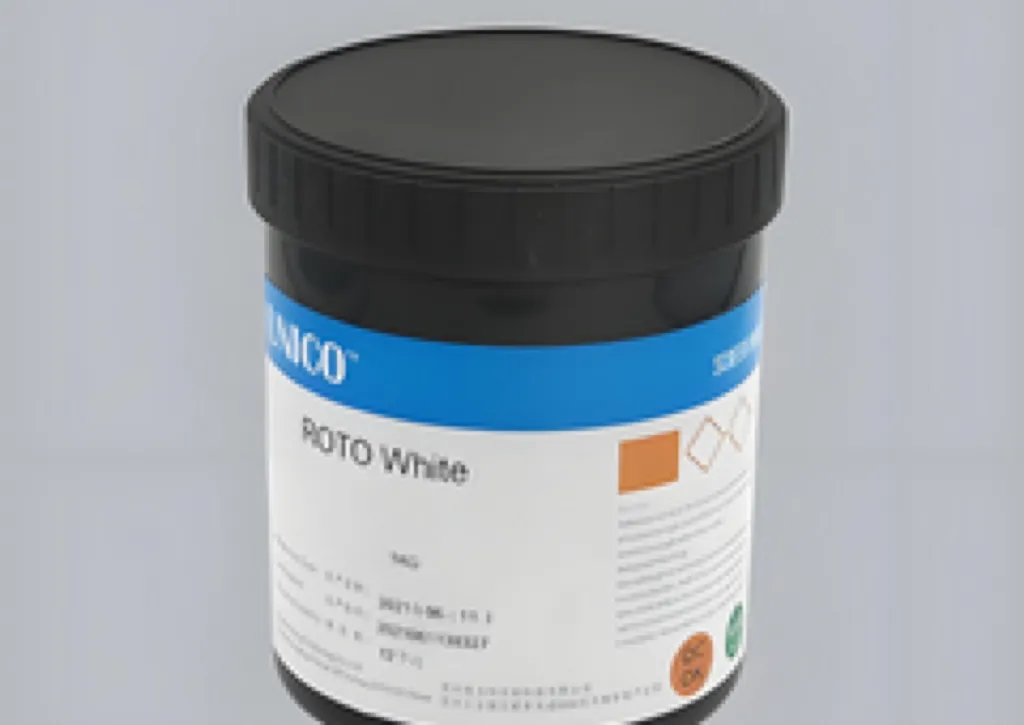
There are three primary types of white silkscreen inks used in PCB manufacturing: epoxy-based, acrylic-based, and UV-curable inks. Each has distinct characteristics that make it suitable for specific applications. Let’s break down these options to understand their strengths and weaknesses.
1. PCB Silkscreen Epoxy Ink
PCB silkscreen epoxy ink is one of the most commonly used types in the industry due to its excellent durability and adhesion properties. This ink is formulated with epoxy resins, which provide a robust bond to the PCB surface, ensuring the markings remain intact even under challenging conditions.
- Adhesion: Epoxy inks offer superior PCB silkscreen ink adhesion, making them ideal for boards that undergo frequent handling or assembly processes. They resist peeling and scratching effectively.
- Resistance: With high PCB silkscreen ink resistance, epoxy inks can withstand exposure to chemicals, moisture, and temperatures up to 150°C during soldering processes.
- Application: These inks are typically applied using traditional silkscreen printing or liquid photo imaging (LPI) methods, where the ink is exposed to UV light for curing.
- Drawbacks: Epoxy inks may take longer to cure compared to other types, potentially slowing down production. They can also be less flexible, which might lead to cracking under extreme mechanical stress.
For projects requiring long-term durability, such as industrial or automotive PCBs, epoxy ink is often the go-to choice. Its ability to maintain clarity and legibility over years of use makes it a reliable option.
2. PCB Silkscreen Acrylic Ink
PCB silkscreen acrylic ink is another popular option, especially for applications where flexibility and faster curing times are needed. Acrylic inks are made from polymer-based materials that offer a balance between durability and ease of use.
- Adhesion: While acrylic inks provide good PCB silkscreen ink adhesion, they are generally less robust than epoxy inks. They may not adhere as well to certain surface finishes like silver, requiring careful selection of board materials.
- Resistance: Acrylic inks have moderate PCB silkscreen ink resistance to chemicals and heat, typically handling temperatures up to 120°C. They are less suited for harsh environments compared to epoxy inks.
- Application: These inks are often used with digital light processing (DLP) methods, where an inkjet projector applies the ink directly onto the PCB from CAD data, curing it instantly with UV light.
- Drawbacks: Acrylic inks can be prone to fading or cracking over time, especially if exposed to prolonged UV light or extreme temperatures.
Acrylic inks are best for prototype boards or consumer electronics where cost and speed are priorities over extreme durability. Their flexibility makes them less likely to crack under minor mechanical stress, but they fall short in high-stress applications.
3. PCB Silkscreen UV Curable Ink
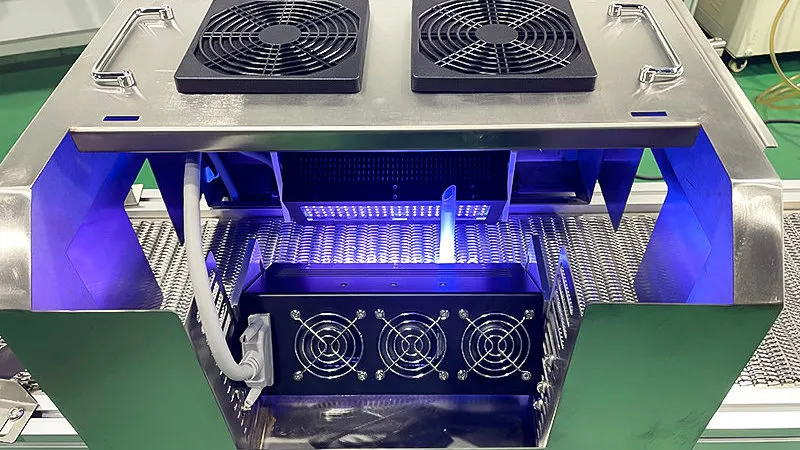
PCB silkscreen UV curable ink represents a modern approach to silkscreen printing, offering fast curing times and high precision. These inks solidify almost instantly when exposed to ultraviolet light, making them a favorite for high-volume production.
- Adhesion: UV curable inks provide excellent PCB silkscreen ink adhesion on most PCB surfaces, though compatibility with certain finishes (like silver) can be an issue. Surface preparation is key to achieving optimal bonding.
- Resistance: They exhibit strong PCB silkscreen ink resistance to heat (up to 150°C during reflow soldering) and chemicals, making them suitable for demanding applications.
- Application: Applied using advanced techniques like DLP or inkjet printing, UV curable inks allow for intricate designs and multi-color options, enhancing both functionality and aesthetics.
- Drawbacks: The equipment and materials for UV curable inks can be more expensive, increasing production costs. Additionally, improper curing can lead to adhesion issues.
UV curable inks are ideal for projects requiring precision and speed, such as high-end consumer electronics or complex multi-layer boards. Their ability to withstand reflow heat ensures markings remain clear even after assembly.
Key Factors to Consider When Choosing White Silkscreen Ink
Selecting the best white silkscreen ink for your PCB involves evaluating several factors based on your project’s specific needs. Here are the critical aspects to keep in mind:
1. Environmental Conditions
Consider the environment in which your PCB will operate. Will it be exposed to high humidity, extreme temperatures, or harsh chemicals? For industrial or outdoor applications, prioritize inks with high PCB silkscreen ink resistance, such as epoxy or UV curable options. These can endure temperatures up to 150°C and resist chemical solvents used in cleaning processes.
2. Adhesion to Surface Finishes
The surface finish of your PCB, such as HASL (Hot Air Solder Leveling), ENIG (Electroless Nickel Immersion Gold), or OSP (Organic Solderability Preservative), affects how well the ink adheres. Epoxy inks typically offer the best PCB silkscreen ink adhesion across various finishes, while acrylic and UV curable inks may require testing to ensure compatibility, especially with silver finishes.
3. Production Speed and Cost
If your project demands rapid turnaround times, UV curable inks are the fastest to apply and cure, often solidifying in under a minute under UV light. However, their higher cost might not suit budget-conscious projects. Acrylic inks provide a cost-effective alternative for prototypes, while epoxy inks balance durability with moderate pricing for mass production.
4. Readability and Contrast
White silkscreen ink is chosen for its high contrast against common green or black solder masks. Ensure the ink maintains its opacity and brightness over time, even under UV exposure or thermal stress. Epoxy and UV curable inks tend to retain their color better than acrylic inks, which may yellow or fade after prolonged use.
Performance Comparison: Epoxy vs. Acrylic vs. UV Curable Ink
To help you visualize the differences, here’s a performance comparison based on key metrics:
| Ink Type | Adhesion (1-5) | Resistance (1-5) | Curing Time | Cost |
|---|---|---|---|---|
| Epoxy Ink | 5 | 5 | Moderate (5-10 min) | Medium |
| Acrylic Ink | 3 | 3 | Fast (1-3 min) | Low |
| UV Curable Ink | 4 | 4 | Very Fast (<1 min) | High |
This table highlights that PCB silkscreen epoxy ink excels in adhesion and resistance, making it suitable for rugged applications. PCB silkscreen acrylic ink is a budget-friendly choice for less demanding projects, while PCB silkscreen UV curable ink offers a premium solution for speed and precision.
How to Ensure Optimal Silkscreen Ink Performance
Once you’ve selected the right ink, proper application and maintenance are essential to maximize its performance. Here are some tips:
- Surface Preparation: Clean the PCB surface thoroughly before applying ink to remove contaminants that could weaken adhesion. A clean surface ensures better PCB silkscreen ink adhesion.
- Curing Conditions: Follow manufacturer guidelines for curing times and temperatures. For instance, epoxy inks may require curing at 120°C for 10 minutes, while UV curable inks need precise UV light exposure.
- Testing: Conduct adhesion and resistance tests under simulated operating conditions. For example, expose the board to thermal cycling between -40°C and 85°C to verify PCB silkscreen ink resistance.
- Storage: Store PCBs in a controlled environment to prevent premature degradation of silkscreen markings due to humidity or UV exposure.
Conclusion: Making the Right Choice for Your PCB
Selecting the best white silkscreen ink for your PCB comes down to balancing durability, cost, and production needs. PCB silkscreen epoxy ink offers unmatched adhesion and resistance for demanding applications like automotive or industrial electronics. PCB silkscreen acrylic ink suits budget-friendly projects with moderate requirements, while PCB silkscreen UV curable ink provides precision and speed for high-volume or intricate designs.
At ALLPCB, we’re committed to helping you achieve optimal results with every layer of your PCB design. By understanding the nuances of PCB silkscreen ink adhesion and PCB silkscreen ink resistance, you can ensure your boards perform reliably over their entire lifespan. Choose wisely, and let your silkscreen markings stand the test of time.