ALLPCB


Understanding PCB Corrosion
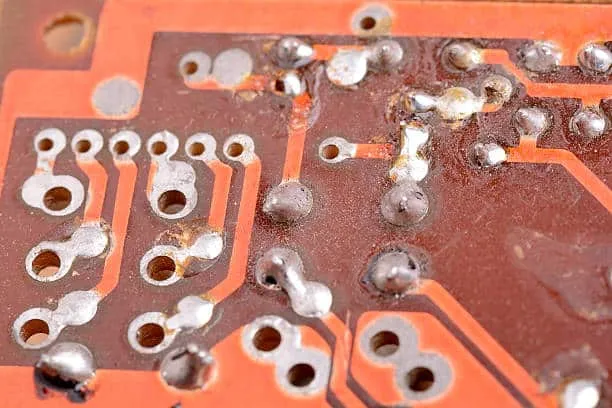
Printed Circuit Boards (PCBs) are essential to modern electronics, but they are prone to corrosion, which can lead to device failure. Corrosion happens when oxygen and moisture interact with metal components, causing oxidation. Over time, this increases electrical resistance, damages traces, and may even lead to short circuits. Preventing and repairing PCB corrosion is crucial to maintaining reliable performance.
What Causes PCB Corrosion?
Several factors contribute to PCB corrosion, each affecting the board in different ways:
-
Exposure to Air and Humidity: Copper traces oxidize when they come into contact with oxygen, forming copper oxides that degrade conductivity. Humid or coastal environments accelerate this process, making corrosion a significant concern.
-
Galvanic Corrosion: When two different metals are in contact with an electrolyte, they form a galvanic cell. This results in one metal corroding faster than the other, leading to uneven degradation of PCB components.
-
Electrolytic Corrosion: External electrical currents can trigger electrolytic corrosion, causing metal migration and the formation of unintended conductive paths, which may short-circuit a PCB.
-
Mechanical Wear: Vibrations or repeated use can strip protective layers from metals, exposing them to oxidation and accelerating deterioration.
-
Localized Corrosion: This includes pitting corrosion, crevice corrosion, and filiform corrosion, all of which weaken PCB structure and compromise conductivity.
Types of PCB Corrosion
-
Atmospheric Corrosion: This is the most common type and occurs due to prolonged exposure to oxygen and moisture in the air. Over time, oxidation leads to the formation of copper oxides, which degrade conductivity.
-
Galvanic Corrosion: When two dissimilar metals come into contact in the presence of an electrolyte, an electrochemical reaction occurs, causing one metal to corrode faster than the other.
-
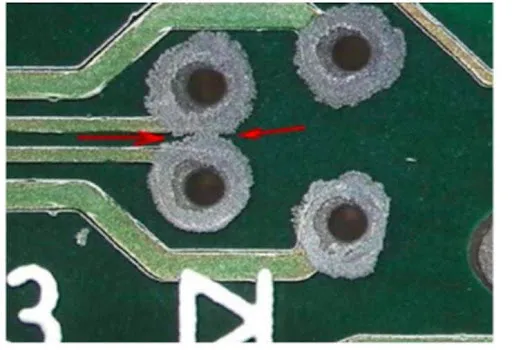
Electrolytic Corrosion: This happens when an external power source causes metal migration, leading to the formation of conductive dendrites that can create unintended electrical connections and shorts.
-
Fretting Corrosion: This type results from repeated mechanical motion, such as vibrations, which gradually remove protective layers and expose the underlying metal to oxidation.
-
Pitting Corrosion: This highly localized form of corrosion appears as small holes in the metal surface, weakening the PCB structure over time.
-
Crevice Corrosion: Occurs in confined spaces where contaminants such as flux residues accumulate, creating a localized reaction that corrodes the metal.
-
Filiform Corrosion: This form of corrosion occurs when moisture gets trapped beneath protective coatings, leading to thread-like corrosion paths along PCB traces.
How to Prevent PCB Corrosion
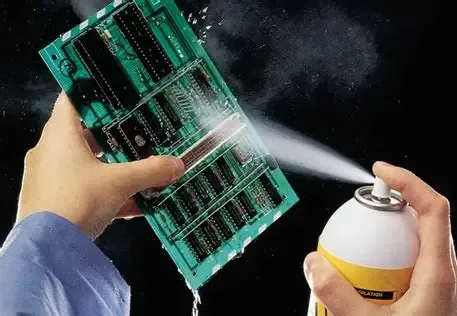
Applying protective coatings is one of the best ways to prevent PCB corrosion. Conformal coatings such as epoxy, acrylic, or silicone create a moisture barrier that protects the board from environmental exposure. Solder masks also play a crucial role in shielding copper traces from oxidation and contaminants.
Using corrosion-resistant materials can also enhance PCB longevity. Gold-plated surfaces are highly resistant to oxidation but come with increased costs. Nickel-copper alloys provide a balance between durability and affordability, making them a popular choice in PCB manufacturing.
Proper cleaning procedures help prevent corrosion by eliminating flux residues that can attract moisture. Regular maintenance with isopropyl alcohol or specialized PCB cleaners ensures that no harmful substances accumulate on the board.
Environmental controls are another effective strategy. Storing PCBs in low-humidity, temperature-controlled environments reduces exposure to moisture. Using desiccants or nitrogen storage can further minimize the risk of oxidation.
Placing PCBs in protective enclosures offers additional defense against moisture ingress. This is particularly important for industrial and marine applications, where exposure to harsh conditions can accelerate corrosion.
Recommended Reading: Conformal Coating for SMD PCBs: Protecting Your Electronics from Harsh Environments
PCB Corrosion Repair
When corrosion occurs, prompt repair is essential to restore functionality. The following steps can help mitigate damage:
-
Assess the Damage: Examine traces for oxidation, breaks, or discoloration.
-
Clean the PCB: Use isopropyl alcohol, vinegar, or a baking soda solution to remove corrosion deposits. A soft brush or cotton swab can help with gentle scrubbing.
-
Repair Damaged Traces: If corrosion has compromised a trace, apply conductive ink or wire jumpers to restore electrical connections.
-
Apply a Protective Coating: Once cleaned and repaired, coat the PCB with conformal coatings to prevent future corrosion.
Final Thoughts
PCB corrosion is a major threat to electronic devices, but understanding its causes and implementing preventive measures can extend their lifespan. Regular maintenance, protective coatings, and proper material selection play key roles in ensuring PCB reliability. Investing in high-quality PCBs with corrosion-resistant materials helps reduce failures and repair costs. For durable PCB solutions, partnering with experienced manufacturers ensures optimal performance and long-term reliability.