 ALLPCB


HASL, or hot air solder leveling, remains one of the most widely used surface finishes for printed circuit boards in many electronics applications. This finish applies molten solder to exposed copper traces and then uses hot air knives to remove excess material, creating a protective coating that enhances initial solderability. Engineers often select HASL because it offers good wetting characteristics during assembly while remaining cost-effective for medium- to high-volume production. However, its influence on long-term solder joint reliability requires careful consideration, particularly when boards face repeated thermal stress or demanding operating environments. Understanding these effects helps design teams balance performance, manufacturability, and product lifespan.
What Is HASL and Why It Matters for Solder Joint Reliability
HASL involves immersing the fabricated PCB in a solder bath followed by high-velocity hot air to level the coating to a typical thickness of several micrometers. The resulting surface provides excellent solderability for subsequent component attachment processes. In terms of reliability, the finish directly affects how well solder joints form and maintain integrity over time. Factors such as intermetallic compound formation at the copper-solder interface and the finish's response to thermal cycling play key roles in determining overall PCB lifespan. For electric engineers working on products exposed to temperature fluctuations, evaluating HASL's characteristics early in the design phase supports more robust outcomes.
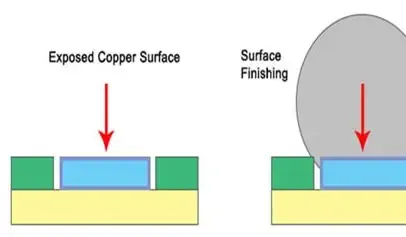
Technical Principles: Mechanisms of HASL Influence on Joint Integrity
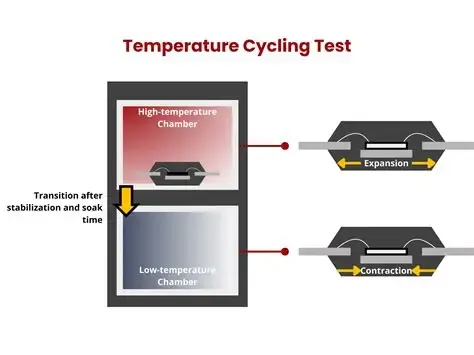
During the HASL process, the molten solder reacts with the underlying copper to form an initial intermetallic compound layer, primarily composed of Cu6Sn5. This layer grows further during reflow soldering and subsequent thermal excursions, potentially becoming thicker and more brittle if not properly controlled. Excessive intermetallic growth can reduce the mechanical strength of the joint, increasing susceptibility to cracking under cyclic thermal loads. Solderability remains high with fresh HASL coatings, yet storage conditions and multiple reflow cycles can degrade wetting performance over time. Thermal cycling tests, aligned with industry practices, reveal that joints on HASL-finished boards may exhibit different fatigue behaviors compared with alternative finishes due to variations in coating uniformity and surface topography.
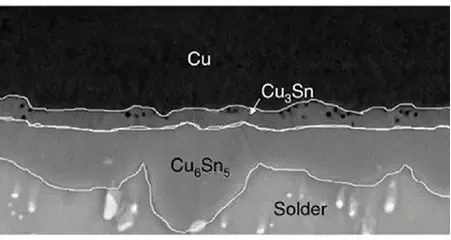
The uneven topography sometimes associated with HASL can also introduce stress concentrations at the joint heel or toe, influencing crack initiation sites during temperature swings. In applications involving lead-free solders, the interaction between the HASL tin-lead or lead-free alloy and component terminations requires attention to avoid weak interfaces. Overall PCB lifespan benefits when the finish supports consistent solder volume and minimizes voids, yet uncontrolled intermetallic thickening remains a primary concern in extended thermal cycling scenarios. Engineers therefore examine these mechanisms through cross-sectional analysis and accelerated life testing to predict field performance accurately.
Best Practices for Optimizing HASL in Reliable Designs
Selecting appropriate HASL parameters, such as solder bath temperature and air knife settings, helps achieve a more uniform coating thickness that supports consistent joint formation. Design teams should specify minimum and maximum coating requirements aligned with relevant assembly standards to reduce variability. During layout, providing adequate pad sizes and thermal reliefs minimizes excessive heat sinking that could affect solder flow and intermetallic development. Post-assembly inspection using X-ray or acoustic microscopy identifies potential issues like insufficient wetting or early crack formation before products enter service.
Thermal cycling qualification, following established protocols, validates that chosen HASL parameters deliver the required reliability margin for the intended application environment. When boards undergo multiple reflow passes or wave soldering, monitoring cumulative intermetallic growth through periodic sampling prevents unexpected degradation. Collaboration between design and manufacturing teams ensures that storage and handling procedures preserve the finish's solderability until assembly occurs. These steps collectively enhance joint robustness without introducing unnecessary process complexity.
Conclusion
HASL continues to serve as a practical surface finish option when its effects on intermetallic compound formation, solderability, and thermal cycling performance receive proper attention. By understanding the underlying mechanisms and applying targeted best practices, engineers can achieve reliable solder joints that support extended PCB lifespan. Careful process control and qualification testing remain essential to realizing these benefits consistently across production runs.
FAQs
Q1: How does HASL affect solder joint reliability compared with other finishes?
A1: HASL generally provides strong initial solderability, yet its potential for uneven coating and intermetallic growth can influence long-term performance under thermal cycling. Engineers evaluate specific application requirements to determine suitability relative to alternatives.
Q2: What role does intermetallic compound formation play in HASL solder joints?
A2: Intermetallic compounds form at the copper-solder interface during HASL application and reflow, contributing to metallurgical bonding. Excessive growth from repeated thermal exposure may embrittle the joint and reduce reliability over the PCB lifespan.
Q3: Can HASL-finished boards withstand thermal cycling effectively?
A3: Properly processed HASL boards perform well in thermal cycling when coating thickness and intermetallic layers stay within controlled limits. Qualification testing according to established standards confirms acceptable fatigue resistance for the target environment.
Q4: What practices improve HASL solder joint outcomes during assembly?
A4: Optimizing HASL process parameters, ensuring clean storage conditions, and following recommended reflow profiles help maintain solderability and limit excessive intermetallic formation. These steps support consistent joint quality across production.
References
IPC-A-610G — Acceptability of Electronic Assemblies. IPC, 2017
J-STD-001G — Requirements for Soldered Electrical and Electronic Assemblies. IPC, 2017
IPC-6012E — Qualification and Performance Specification for Rigid Printed Boards. IPC, 2017





