 ALLPCB


Why PCB Advancements Matter in Industrial Automation
Industrial automation relies on PCBs to manage complex tasks such as predictive maintenance, adaptive process control, and seamless machine-to-machine communication. PCB miniaturization in automation allows equipment designers to pack more functionality into smaller enclosures without compromising thermal performance or mechanical stability. Wireless PCB designs for industrial control reduce cabling complexity, improve installation flexibility, and support mobile or reconfigurable production lines. Advanced PCB materials for future automation address challenges like high-frequency signal transmission and exposure to vibration, temperature extremes, and contaminants. These developments align directly with PCB trends in Industry 4.0, where systems must deliver both reliability and scalability.
Technical Principles Behind Emerging PCB Technologies
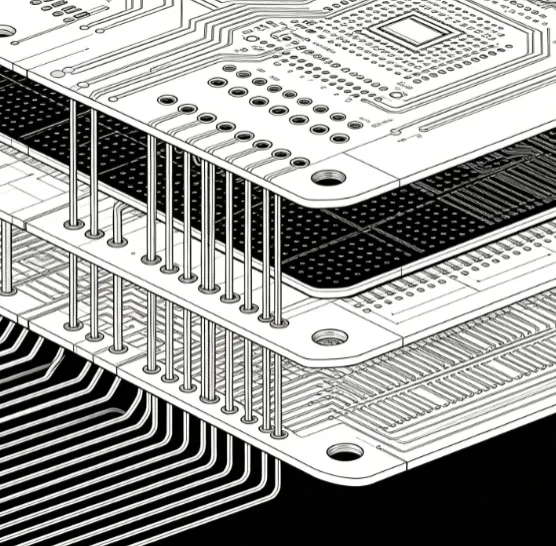
Miniaturization begins with high-density interconnect techniques that employ finer line widths, smaller vias, and multilayer stacking to increase component density. This approach enables compact sensor nodes and embedded controllers that fit within robotic arms or distributed IIoT devices. Signal integrity becomes critical at higher speeds, requiring controlled impedance routing and careful layer stackup planning to minimize crosstalk and electromagnetic interference. Wireless PCB designs incorporate antenna integration, RF shielding, and low-loss substrates to support protocols such as 5G or Wi-Fi 6 while maintaining isolation from power and digital sections. Advanced materials contribute through improved thermal conductivity, lower dielectric constants, and enhanced mechanical flexibility. These principles operate together to create boards that withstand the mechanical stresses and electrical demands of automated environments.
Practical Design and Manufacturing Considerations
Engineers begin by defining performance classes based on application criticality, selecting appropriate materials and construction methods early in the layout phase. Thermal management strategies include the use of metal cores or embedded heat spreaders when power dissipation increases due to denser circuitry. For wireless sections, simulation of radiation patterns and isolation between traces helps avoid interference that could disrupt control loops. Quality verification follows established practices that include visual inspection, electrical testing, and environmental stress screening to confirm long-term reliability. Collaboration between design and fabrication teams ensures that layout rules align with achievable manufacturing tolerances.
Best Practices for Reliability in Automated Systems
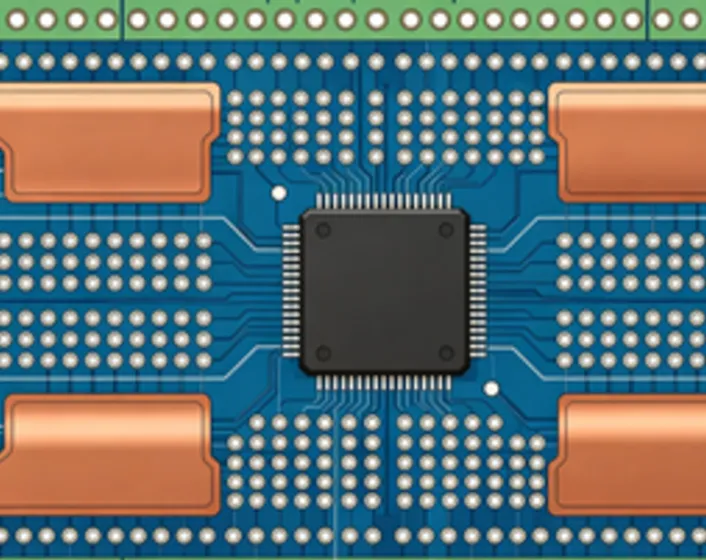
Design teams apply iterative simulation to validate signal integrity and power distribution before prototyping. Component placement prioritizes accessibility for assembly while maintaining adequate spacing for heat dissipation and mechanical mounting. When incorporating flexible sections, bend radius specifications and strain relief features prevent fatigue during repeated motion in robotic or conveyor applications. Documentation of stackup, material properties, and acceptance criteria supports traceability throughout the supply chain. Regular review of process capabilities helps identify opportunities to refine tolerances without introducing unnecessary complexity.

Integration with Industry 4.0 Ecosystems
Smart factory implementations increasingly embed processing and connectivity directly on PCBs to enable edge computing. This reduces latency compared with centralized controllers and supports real-time decision making at the machine level. Advanced PCB materials facilitate operation across wider temperature ranges and under continuous vibration, meeting the uptime expectations of automated production. Wireless designs further enable rapid reconfiguration of production cells by eliminating fixed cable runs. These capabilities collectively support the data-driven feedback loops central to modern automation strategies.
Conclusion
PCB technology continues to advance in response to the requirements of industrial automation, with miniaturization, wireless integration, and material innovations forming the core directions. Engineers who apply structured design methodologies and adhere to recognized quality frameworks position their systems for sustained performance. The ongoing evolution of these boards will remain essential as factories pursue greater intelligence, flexibility, and efficiency.
FAQs
Q1: What role does PCB miniaturization play in industrial automation?
A1: PCB miniaturization in automation enables the placement of sophisticated control electronics within compact robotic end-effectors, sensors, and distributed modules. Smaller boards reduce overall system weight and allow tighter integration of multiple functions on a single assembly. This supports the dense packing required in modern production equipment while preserving necessary thermal and electrical performance.
Q2: How do wireless PCB designs benefit industrial control systems?
A2: Wireless PCB designs for industrial control eliminate extensive cabling, simplify installation in dynamic environments, and facilitate rapid reconfiguration of automation cells. Integrated antennas and RF components maintain reliable communication links under factory conditions when proper isolation and grounding practices are followed. These designs contribute to the flexibility emphasized in Industry 4.0 implementations.
Q3: Which advanced PCB materials support future automation requirements?
A3: Advanced PCB materials for future automation provide lower dielectric loss for high-speed signals, higher thermal conductivity for power-dense circuits, and improved mechanical properties for vibration resistance. Selection considers the specific frequency, temperature, and environmental exposure of the application. Proper material qualification ensures compatibility with assembly processes and long-term reliability.
Q4: What PCB trends align with Industry 4.0 initiatives?
AX: PCB trends in Industry 4.0 emphasize higher interconnect density, embedded connectivity, and designs that support edge intelligence. These trends enable the sensor-rich, data-intensive environments characteristic of smart factories. Engineers focus on balancing these capabilities with manufacturability and adherence to performance specifications.
References
IPC-6012E — Qualification and Performance Specification for Rigid Printed Boards. IPC, 2017
IPC-A-600K — Acceptability of Printed Boards. IPC, 2020
ISO 9001:2015 — Quality Management Systems — Requirements. ISO, 2015





