ALLPCB


Laser Drilling: Modding Game Consoles for Enhanced Cooling
Game consoles generate significant heat during extended play sessions, and inadequate airflow can lead to thermal throttling or component stress. Enthusiasts often explore modifications to improve ventilation without compromising structural integrity. Laser drilling offers a precise method for creating custom vents in console casings, allowing better air movement while maintaining the original design language. This approach appeals to electronic hobbyists seeking controlled upgrades to thermal performance. Careful planning ensures modifications align with the device's internal layout and safety requirements.
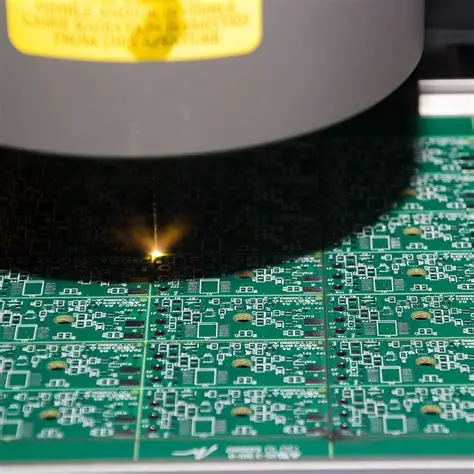
What Is Laser Drilling for Console Modding and Why It Matters
Laser drilling uses focused light energy to remove material from plastic or metal housings with high accuracy. In console modding, this technique creates small, evenly spaced openings that enhance passive or active cooling. The process differs from mechanical drilling because it produces clean edges with minimal burrs or melting. Hobbyists value it for its repeatability when adding vents to areas like side panels or top covers. Improved airflow can help maintain lower operating temperatures during demanding gameplay.
Industry standards such as IPC-A-600 guide acceptability criteria for modified electronic enclosures, emphasizing consistent hole quality and absence of defects that could affect reliability. Proper vent placement supports natural convection and complements existing fan systems. This matters for long-term device longevity, as sustained high temperatures accelerate wear on semiconductors and power components. Hobbyists appreciate the method's ability to tailor cooling solutions to specific console models.
Technical Principles of Laser Drilling and Airflow Improvement
Laser energy interacts with the casing material through absorption, rapidly vaporizing or ablating small volumes to form openings. Beam parameters such as wavelength, pulse duration, and power density determine penetration depth and edge quality. For thermoplastics common in consoles, shorter pulses reduce heat-affected zones and prevent warping. Resulting vents increase the effective surface area for heat dissipation and promote directed airflow paths.
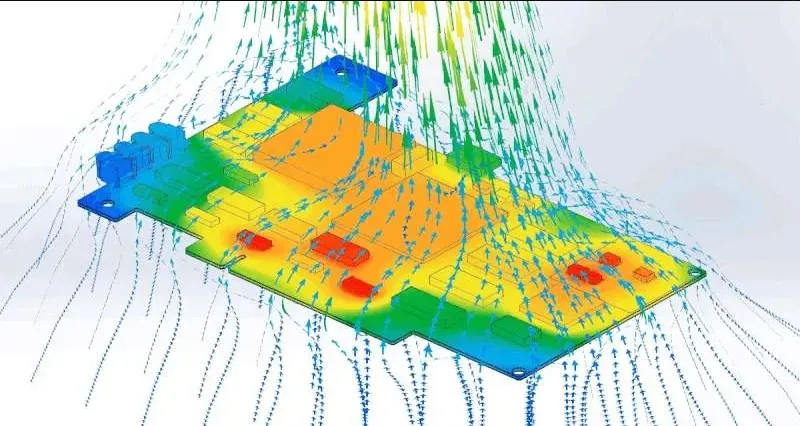
Airflow follows principles of fluid dynamics where pressure differentials drive movement through the new openings. Strategic placement near heat sources or exhaust areas maximizes convective cooling. The geometry of laser-cut vents, including diameter and spacing, influences resistance to air movement. Consistent hole profiles help avoid turbulence that could reduce efficiency. These mechanisms collectivel contribute to lower internal temperatures without requiring additional powered components.
Best Practices for Implementing Laser Drilling in Console Modding
Begin by mapping internal component locations and existing airflow patterns using device teardowns or service manuals. Select vent patterns that align with natural convection currents while avoiding interference with cables or heat sinks. Test material response on scrap pieces of the same casing type to calibrate laser settings for clean cuts. Multiple shallow passes often yield better results than single deep exposures on thicker sections.
After drilling, deburr edges if needed and verify structural integrity through gentle flex testing. Integrate the modifications with existing cooling systems by ensuring unobstructed paths to fans. Monitor temperatures before and after changes using non-contact sensors to quantify improvements. Always work in a well-ventilated area and follow electrical safety protocols when the console is powered on for testing. These steps help achieve reliable cooling gains while preserving device functionality.
Practical Considerations and Troubleshooting
Uneven vent spacing or oversized openings can sometimes reduce rigidity or allow dust ingress. Hobbyists address this by starting with conservative patterns and iterating based on observed performance. Warpage from excessive heat during drilling may occur on thin sections; adjusting pulse frequency and using support fixtures mitigates this risk. Post-modification cleaning removes any residue that could affect electrical contacts.
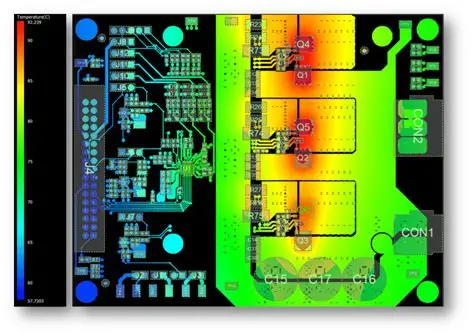
If cooling gains fall short of expectations, evaluate fan operation and dust accumulation separately from the vent modifications. Reassessing vent locations relative to heat-generating areas often reveals opportunities for refinement. Consistent documentation of each change supports systematic troubleshooting. These practices align with quality expectations outlined in standards such as IPC-6012 for electronic assemblies.
Conclusion
Laser drilling provides hobbyists with a controlled way to enhance console cooling through custom ventilation. Understanding material interactions and airflow dynamics supports effective implementation. Following methodical steps and verifying results helps ensure modifications deliver meaningful thermal benefits. Attention to detail throughout the process contributes to safer and more reliable outcomes.
FAQs
Q1: What safety steps should hobbyists follow when using laser drilling for console modding?
A1: Proper eye protection, material-specific settings, and workspace ventilation reduce risks during laser drilling game console projects. Testing on scrap material first helps avoid damage to the actual casing. Verifying internal clearances prevents interference with electronics.
Q2: How do laser cut vents improve cooling compared to stock designs?
A2: Laser cut vents increase airflow pathways, allowing better heat removal from internal components during extended use. Precise hole geometry minimizes turbulence while maximizing air exchange. This complements existing fans without major redesigns.
Q3: Can laser drilling game console modifications affect warranty or long-term reliability?
A3: Any physical alteration may impact warranty coverage, so users should consider this before proceeding. When executed with attention to edge quality and placement, such modifications can maintain structural and thermal performance. Regular cleaning of new vents supports ongoing reliability.
Q4: What materials work best for laser drilling in console modding applications?
A4: Common console plastics respond well to appropriate laser wavelengths and pulse settings, producing clean vents. Thinner sections require careful parameter control to prevent distortion. Matching settings to material thickness ensures consistent results across projects.
References
IPC-A-600K — Acceptability of Printed Boards. IPC, 2020
IPC-6012E — Qualification and Performance Specification for Rigid Printed Boards. IPC, 2017
JEDEC J-STD-020E — Moisture/Reflow Sensitivity Classification. JEDEC, 2014