ALLPCB


Introduction
Electric engineers face constant pressure to source high-quality electronic components that meet stringent performance and reliability requirements in complex designs. Sourcing electronic components efficiently from reliable suppliers ensures project timelines stay on track while minimizing risks like failures or recalls. With global supply chains prone to disruptions, finding electronic parts from trusted distributors has become a core competency. Component procurement involves more than just price comparison; it demands a deep understanding of supplier capabilities, quality assurance, and compliance with industry benchmarks. This guide explores practical strategies for identifying reliable component distributors, helping engineers optimize their procurement processes. Whether dealing with resistors, capacitors, ICs, or specialized semiconductors, mastering these approaches leads to more robust end products.
Why Reliable Electronic Component Suppliers Matter
The reliability of electronic components directly impacts the overall integrity of electronic systems, from consumer devices to industrial controls. Poorly sourced parts can lead to intermittent failures, increased downtime, and safety hazards in high-stakes applications. Electric engineers must prioritize suppliers who maintain consistent quality to avoid cascading issues during assembly and operation. Supply chain volatility, including shortages and geopolitical tensions, amplifies the need for dependable partners in sourcing electronic components. Reliable component distributors provide traceability, which is essential for debugging and regulatory compliance. Ultimately, investing time in vetting suppliers reduces long-term costs associated with rework or field failures.
Beyond immediate functionality, reliable suppliers support innovation by offering access to cutting-edge components with verified specifications. Engineers benefit from partners who understand application demands, such as high-frequency performance or environmental durability. This alignment fosters smoother integration into PCB designs and system architectures. Neglecting supplier reliability can compromise project scalability, especially in volume production where even minor defects multiply expenses. By focusing on proven distributors, teams enhance product lifespan and customer satisfaction.
Key Criteria for Evaluating Electronic Component Suppliers
When selecting electronic component suppliers, start with their quality management systems, ideally certified to ISO 9001:2015 standards, which ensure systematic processes for consistency and continuous improvement. Certifications signal a commitment to defect prevention and customer satisfaction. Examine their documentation practices, including certificates of conformance (CoCs) and material declarations for compliance with environmental regulations. Traceability from manufacturer to delivery is non-negotiable, allowing engineers to verify authenticity and origin.
Lead times and minimum order quantities (MOQs) must align with project needs, particularly for prototypes versus production runs. Assess inventory availability through real-time stock checks and forecast accuracy to avoid delays. Financial stability, gauged via public reports or industry references, indicates long-term viability. Technical support, such as datasheets, application notes, and engineering consultations, separates average distributors from reliable ones.

Supplier responsiveness during RFQs provides insight into service levels. Request samples for in-house validation, testing electrical characteristics like tolerance, ESR, or thermal performance. Diversification across regions mitigates risks from localized disruptions. Finally, review return policies and warranty terms to handle discrepancies effectively.
Strategies for Finding and Vetting Reliable Suppliers
Begin sourcing electronic components by leveraging industry directories and trade associations without relying on unverified listings. Compile a shortlist based on component categories relevant to your designs, such as passives or active devices. Issue detailed RFQs specifying parameters like package type, voltage rating, and operating temperature range. Compare responses not just on price but on delivery commitments and value-added services.
Online component retailers offer convenience for small quantities, but cross-verify their franchised status with original manufacturers. Attend virtual trade shows or webinars to network with distributors showcasing their portfolios. Use parametric searches on supplier portals to filter by specs, ensuring matches for niche requirements like low-noise amplifiers or high-voltage capacitors.

Conduct due diligence through site audits or virtual tours of warehouses, focusing on ESD controls per IEC 61340 standards. Request references from similar clients and analyze feedback on delivery accuracy. Parametric testing of samples confirms adherence to datasheets, revealing discrepancies early. Build relationships gradually, starting with low-risk orders to test reliability.
Best Practices in Component Procurement
Establish a formalized procurement process with predefined checklists for supplier approval. Categorize suppliers into tiers: strategic for core components, approved for standards, and spot-buy for emergencies. Implement just-in-time inventory where possible, balanced with safety stock for critical parts. Automate purchase orders and track metrics like on-time delivery (OTD) rates above 95%.
Counterfeit detection is paramount; employ visual inspections, X-ray analysis, and decapsulation for suspicious parts. Adhere to JEDEC J-STD-020E for handling moisture-sensitive devices to prevent reflow defects. Maintain detailed records for each lot, including test data and shelf-life monitoring.
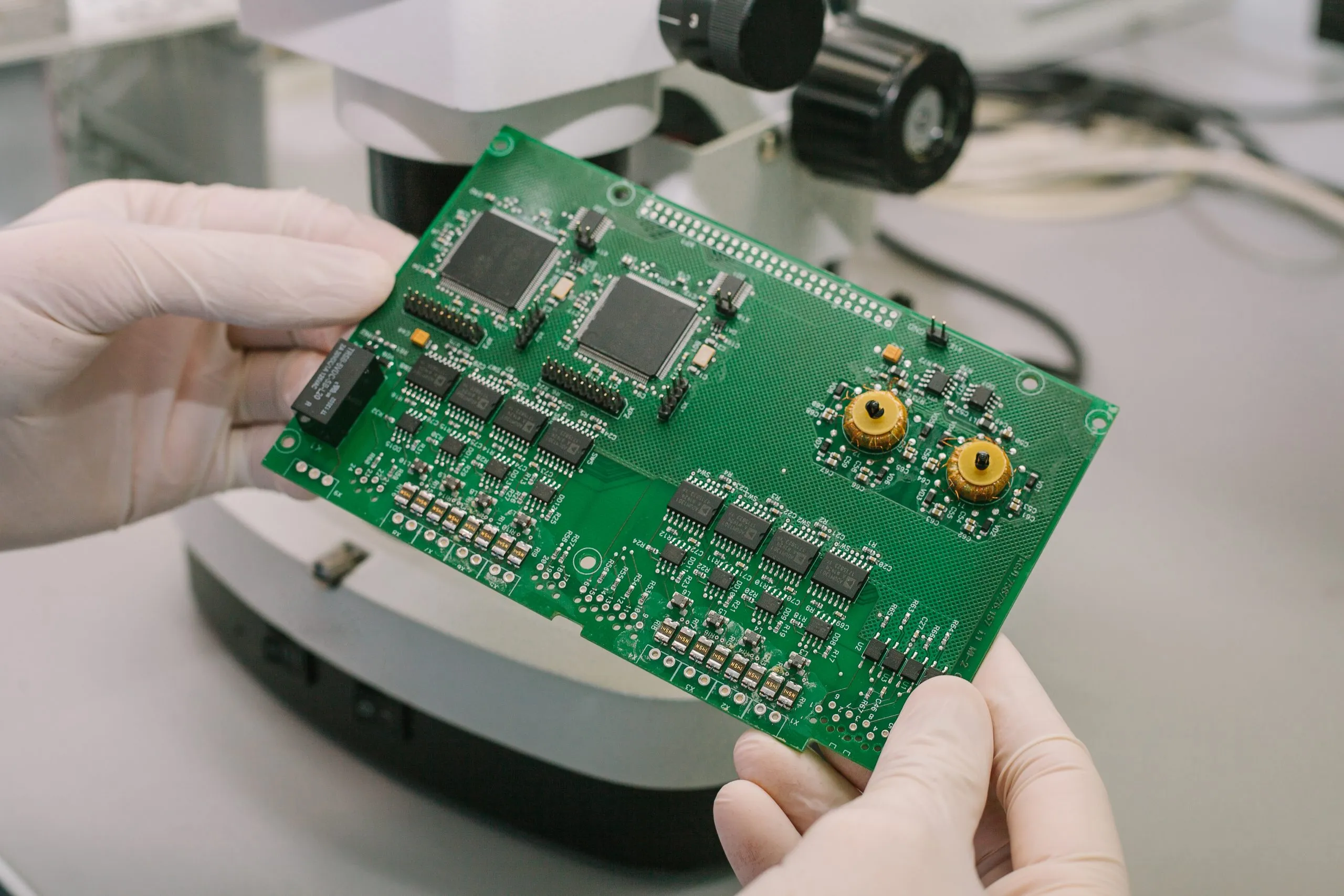
Diversify across 2-3 suppliers per component to hedge against shortages. Negotiate long-term agreements (LTAs) for volume discounts while retaining flexibility. Train procurement teams on market trends, such as silicon carbide shifts for power electronics. Regularly audit suppliers to ensure ongoing compliance.
For obsolescence management, subscribe to notifications and qualify alternates preemptively. Simulate supply scenarios to prioritize resilient sourcing. These practices streamline component procurement, enhancing engineering efficiency.
Overcoming Common Challenges in Sourcing Electronic Components
Supply shortages, often from raw material constraints, demand proactive forecasting and alternative sourcing. Engineers should monitor industry indices for lead time trends and stockpile strategic parts. Counterfeits pose risks to reliability; implement multi-layer verification including holograms, laser marking checks, and third-party testing.
Geopolitical issues disrupt flows, so regional diversification, like Asia-Europe mixes, builds resilience. Long lead times for custom or EOL parts require early qualification of drop-ins with equivalent specs. MOQ mismatches for prototypes frustrate low-volume needs; seek distributors offering cuts or kitting services.
Obsolescence hits hardest for legacy designs; maintain parametric databases for form-fit-function replacements. Poor packaging leads to damage; specify IPC-1601 guidelines for bagged components to preserve integrity. Data inaccuracies in listings waste time; validate with manufacturer cross-checks.
Case Study: Optimizing Procurement for a High-Reliability Power Supply Design
In a project for an industrial motor controller, the engineering team faced capacitor shortages delaying production. They vetted three reliable component distributors, prioritizing those with ISO 9001 certification and robust inventory systems. Sample testing revealed one supplier's parts excelled in ripple current handling, aligning with design margins.
Switching to diversified sourcing cut lead times by 40%, enabling on-schedule assembly. JEDEC compliance ensured reflow process compatibility, avoiding popcorn failures. Post-production monitoring showed zero field returns, validating the approach. This case underscores practical vetting's impact on project success.
Conclusion
Sourcing electronic components from reliable suppliers is foundational for electric engineers aiming for dependable designs. By evaluating certifications, traceability, and responsiveness, teams mitigate risks and enhance efficiency. Best practices like diversification, counterfeit checks, and standard adherence, including ISO 9001 and JEDEC guidelines, streamline procurement. Proactive strategies address challenges head-on, ensuring availability and quality. Mastering these elements not only meets immediate needs but supports scalable innovation. Prioritize reliable component distributors to build resilient supply chains.
FAQs
Q1: How do I choose reliable electronic component suppliers for critical designs?
A1: Focus on suppliers with ISO 9001:2015 certification, proven traceability, and positive references from similar applications. Request samples for parametric testing to verify datasheet specs like capacitance stability under temperature. Assess lead times, MOQ flexibility, and ESD controls. Diversify across tiers to manage risks. This methodical approach ensures component procurement supports high-reliability needs.
Q2: What are the main risks in sourcing electronic components?
A2: Key risks include counterfeits causing failures, supply shortages delaying projects, and poor quality leading to assembly defects. Obsolescence disrupts legacy support, while mishandling damages moisture-sensitive parts. Geopolitical factors amplify volatility. Mitigate with JEDEC-compliant verification, diversified reliable component distributors, and inventory buffers. Regular audits maintain supplier performance.
Q3: What tips help in finding electronic parts online efficiently?
A3: Use parametric searches on portals from online component retailers, filtering by tolerance, voltage, and package. Cross-verify stock with CoCs and manufacturer franchises. Prioritize those offering kitting for prototypes. Test samples for real-world fit. Track market trends to anticipate shortages. These steps optimize finding electronic parts without compromising quality.
Q4: How can engineers improve component procurement processes?
A4: Implement tiered supplier approvals, automate RFQs, and monitor OTD metrics. Qualify alternates for EOL risks and adhere to IPC standards for handling. Train on counterfeit detection tools. Negotiate LTAs for stability. This structured method enhances sourcing electronic components, reducing costs and timelines for electric engineering teams.
References
- ISO 9001:2015 — Quality Management Systems. ISO, 2015
- JEDEC J-STD-020E — Moisture/Reflow Sensitivity Classification of Nonhermetic Surface Mount Devices. JEDEC, 2014
- IPC-1601 — Printed Board Handling and Storage Guidelines. IPC, 2003
- IEC 61340-5-1 — Electrostatics — Part 5-1: Protection of Electronic Devices from Electrostatic Phenomena — General Requirements. IEC, 2016