ALLPCB


Sustainable PCB laminates represent a growing focus within the electronics sector as organizations seek to align manufacturing practices with broader environmental goals. These materials form the foundational substrate for printed circuit boards and directly influence resource consumption, waste generation, and emissions throughout the product lifecycle. Engineers and procurement teams increasingly evaluate laminate choices as part of corporate social responsibility PCB strategies that extend beyond regulatory compliance. Selecting laminates with improved environmental characteristics supports green electronics branding efforts while contributing to a more sustainable supply chain PCB. The shift toward these materials reflects both market expectations and internal targets for reducing carbon footprint PCB across operations.
Why Sustainable PCB Laminates Matter for Modern Electronics
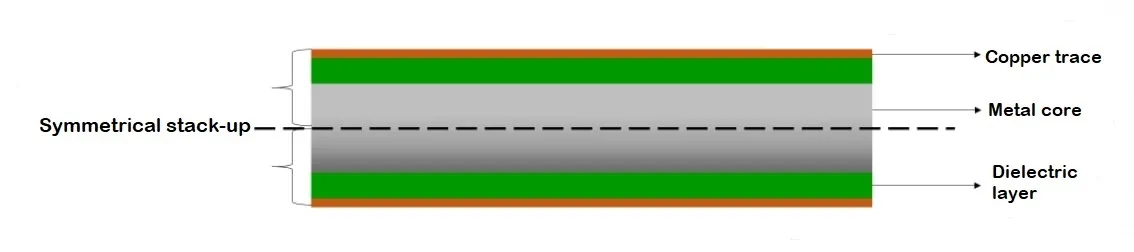
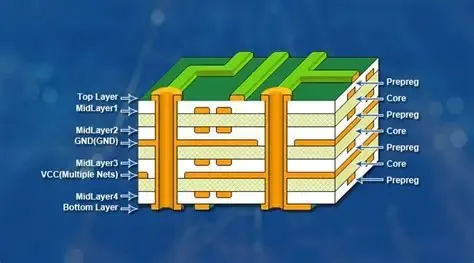
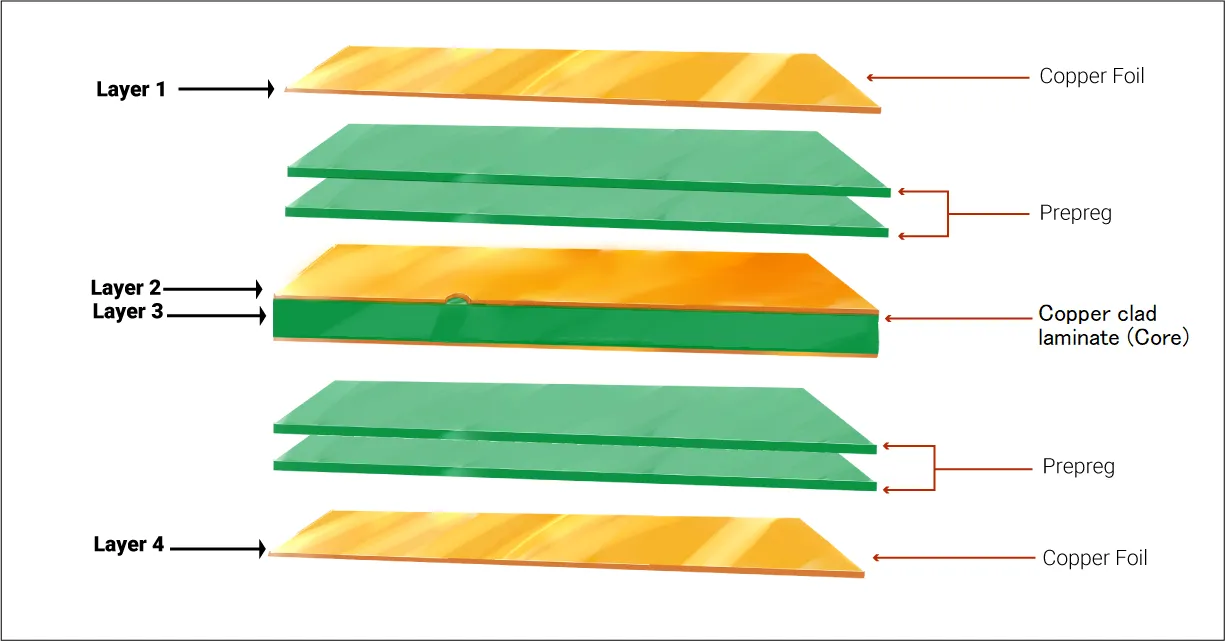
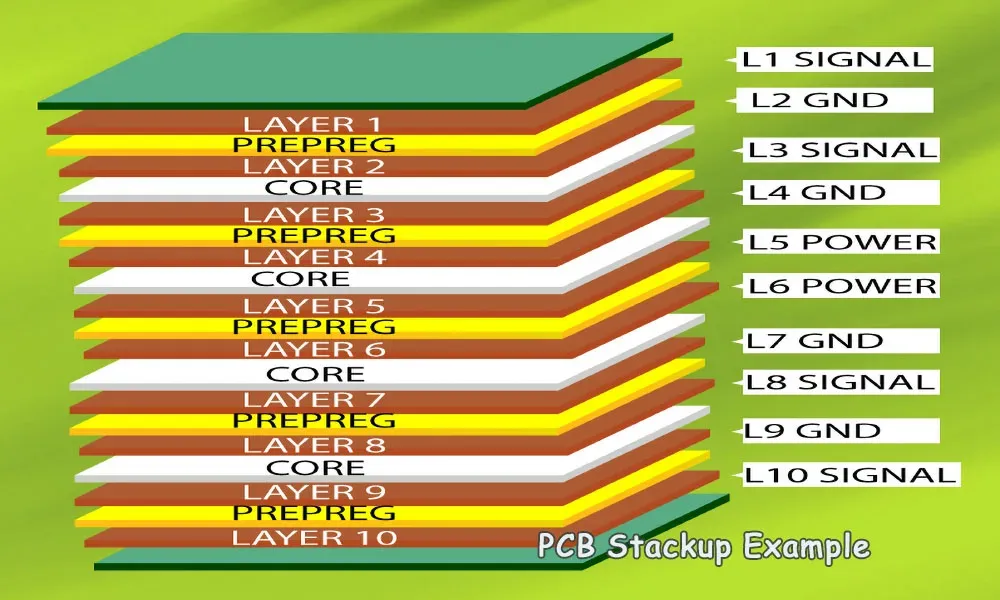
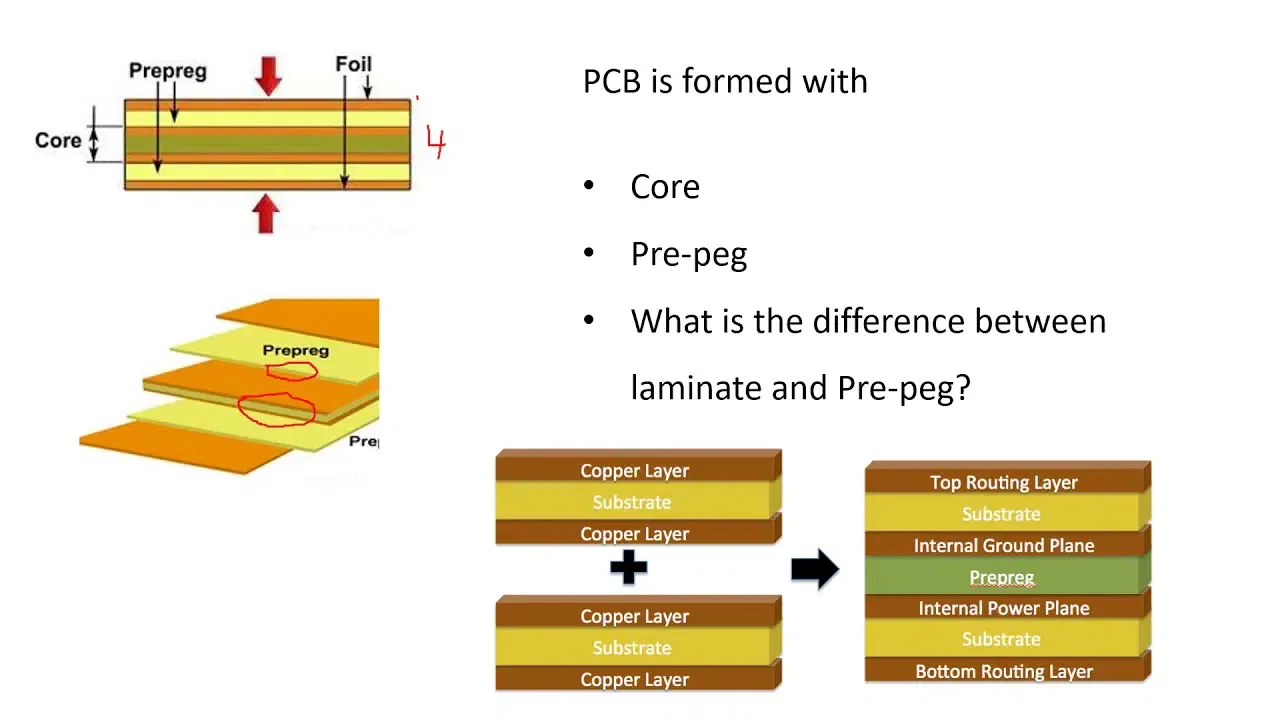
PCB laminates traditionally rely on epoxy resins reinforced with glass fibers, a combination that delivers reliable electrical and mechanical performance. Sustainable alternatives often incorporate bio-based resins, recycled content, or formulations that minimize hazardous substances without compromising functionality. This evolution matters because electronics manufacturing accounts for significant material and energy inputs, and laminate production represents an early stage where environmental improvements can yield measurable benefits downstream. Companies that integrate these materials into their designs strengthen their position in environmentally responsible PCB manufacturing programs. Procurement decisions at this level also influence supplier relationships and overall supply chain transparency.
Industry standards guide the qualification of these materials to ensure they meet performance requirements. Reference to IPC-4101 helps establish baseline specifications for base materials used in rigid boards. Organizations pursuing formal environmental management systems often align laminate sourcing with ISO 14001 principles to track and reduce impacts systematically.
Technical Principles Behind Sustainable Laminate Performance
The environmental profile of a PCB laminate depends on resin chemistry, reinforcement type, and curing processes employed during manufacturing. Traditional halogenated flame retardants, for example, can release persistent compounds during end-of-life processing, whereas halogen-free formulations reduce such risks while maintaining required safety margins. Lower curing temperatures in some sustainable resin systems decrease energy demand during lamination, directly affecting the carbon intensity of board fabrication. Coefficient of thermal expansion values also play a role, as materials with better dimensional stability can reduce scrap rates in subsequent assembly steps. These mechanisms operate together to influence both upstream resource use and downstream reliability.
Factory-level insights reveal that laminate thickness uniformity and surface finish consistency remain critical regardless of sustainability features. Variations in these parameters can lead to increased rework or yield loss, offsetting potential environmental gains. Engineers therefore evaluate data sheets for both conventional electrical properties and indicators of production efficiency. Material suppliers that document lower volatile organic compound emissions during processing provide additional data points for environmental assessments.
Related Reading: Sustainable Flexible PCBs: Eco-Friendly Materials for Wearable Electronics
Practical Approaches to Integrating Sustainable Laminates
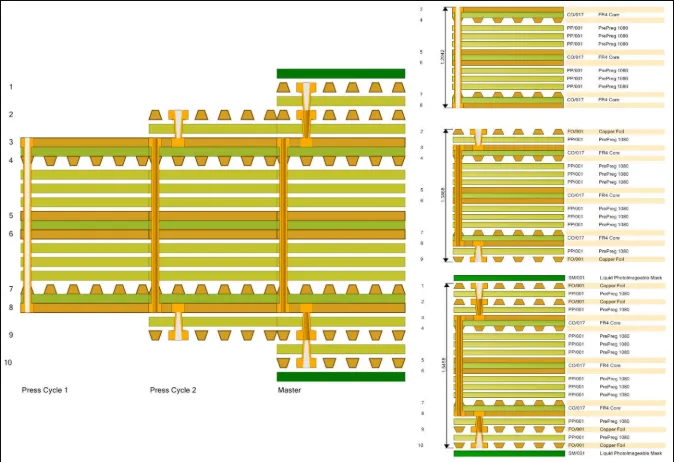
Procurement and design teams can begin by specifying laminate grades that carry recognized environmental attributes while satisfying IPC performance criteria. This includes reviewing thermal, electrical, and mechanical specifications alongside any available life-cycle information. Collaboration with laminate producers on traceability documentation supports sustainable supply chain PCB objectives by clarifying raw material origins and processing methods. Pilot builds using candidate materials allow validation of manufacturability before full-scale adoption.
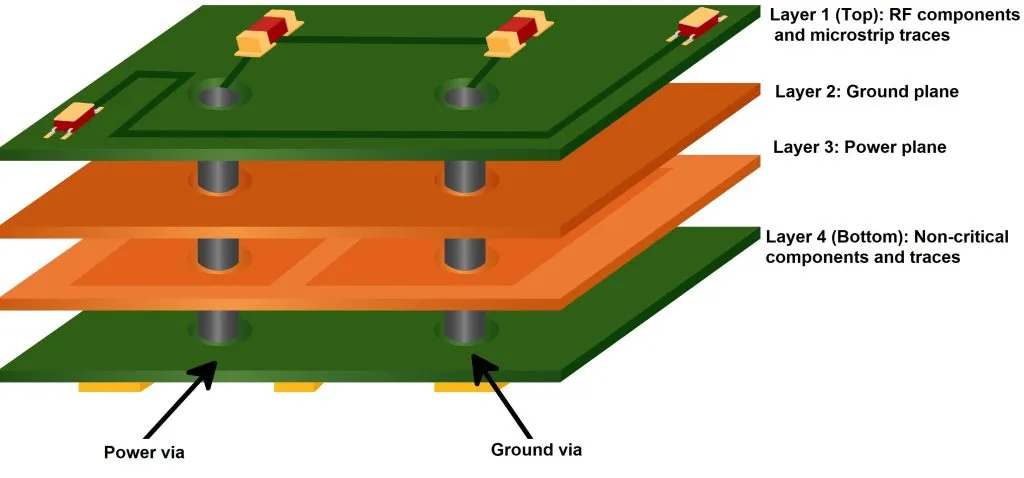
Design practices that minimize board area or layer count can amplify the benefits of sustainable laminates by reducing overall material consumption. Thermal management considerations remain important, as some alternative resins exhibit different heat dissipation characteristics that may require adjusted copper weights or via structures. Quality control protocols, aligned with established acceptability criteria, help maintain yield rates when transitioning to new material sets.
Related Reading: Sustainable PCB Layout: Choosing Lead Free Components and Materials
Implementation Considerations for Engineering Teams
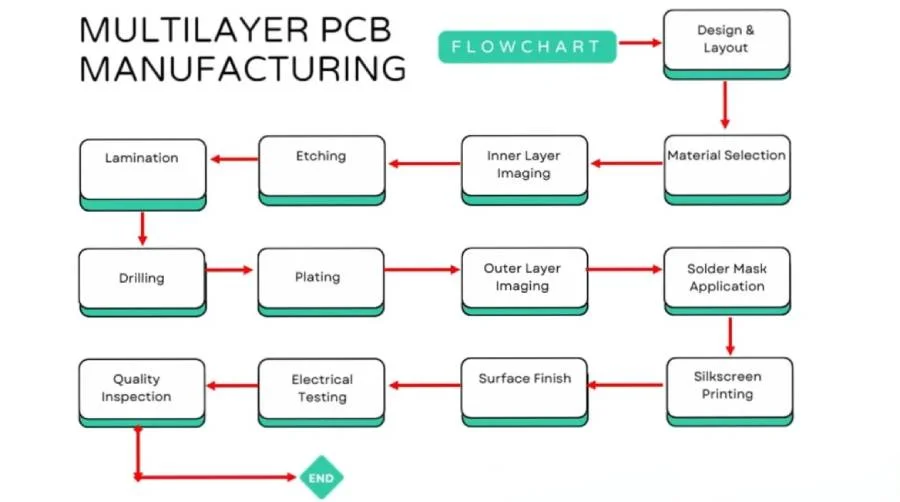
Successful adoption requires cross-functional input from design, manufacturing, and supply chain groups. Early involvement of process engineers ensures that reflow profiles and handling procedures accommodate any differences in moisture sensitivity or thermal behavior. Documentation of material changes supports internal reporting on reducing carbon footprint PCB metrics and external communications around green electronics branding. Periodic audits of supplier environmental practices reinforce long-term alignment with corporate responsibility targets.
Training programs for assembly personnel on new laminate characteristics help prevent handling-related defects that could negate sustainability advantages. Storage and handling guidelines often mirror those for conventional materials yet may include specific humidity controls to preserve performance.
Conclusion
Sustainable PCB laminates offer a tangible pathway for electronics companies to advance their environmental objectives through material selection. By focusing on resin formulations, processing efficiency, and supply chain practices, organizations can achieve incremental improvements that accumulate across product portfolios. Alignment with standards such as IPC-4101 and ISO 14001 provides a structured framework for qualification and continuous improvement. Engineers who incorporate these considerations into design and sourcing decisions contribute directly to both technical performance and broader corporate environmental profiles.
FAQs
Q1: How do sustainable PCB laminates support corporate social responsibility PCB initiatives?
A1: Sustainable laminates allow companies to demonstrate measurable reductions in hazardous substance use and energy consumption during board fabrication. This supports documented progress toward environmental targets that stakeholders expect under corporate social responsibility PCB frameworks. Engineering teams can reference material specifications and process data to substantiate claims without altering core board functionality.
Q2: What role does laminate choice play in green electronics branding?
A2: Laminate selection influences the overall environmental narrative a company can present to customers and regulators. Materials with documented lower-impact production methods or reduced end-of-life concerns provide concrete examples for green electronics branding communications. Consistent specification across product lines strengthens credibility with environmentally conscious markets.
Q3: Can sustainable supply chain PCB practices reduce overall carbon footprint PCB?
A3: Yes, sourcing laminates from producers that optimize energy use and material efficiency contributes to lower embedded emissions in finished assemblies. Traceability through the supply chain PCB enables better accounting of Scope 3 emissions and identification of further improvement opportunities. These steps integrate with existing quality and compliance processes.
Q4: How should engineers evaluate environmentally responsible PCB manufacturing options?
A4: Evaluation begins with reviewing laminate data sheets against both performance standards and any available environmental metrics such as recycled content or curing energy requirements. Pilot production runs confirm compatibility with existing assembly lines. Ongoing supplier engagement ensures continued alignment with environmentally responsible PCB manufacturing expectations.
References
IPC-4101 — Specification for Base Materials for Rigid and Multilayer Printed Boards. IPC
ISO 14001:2015 — Environmental Management Systems. ISO, 2015