ALLPCB


Introduction
Conformal coating quality control forms the backbone of reliable printed circuit board performance in demanding environments. Electric engineers rely on this process to shield PCBs from moisture, contaminants, chemicals, and mechanical stress that could lead to failures. Poor quality control in conformal coating application can result in issues like delamination, pinholes, or incomplete coverage, compromising the assembly's longevity and functionality. By implementing rigorous conformal coating inspection methods and testing protocols, manufacturers ensure adherence to industry benchmarks and enhance overall product reliability. This article explores the essential aspects of conformal coating quality control, from fundamental inspection techniques to standardized testing approaches. Understanding these elements empowers engineers to make informed decisions during design, manufacturing, and validation stages.
What Is Conformal Coating Quality Control and Why It Matters
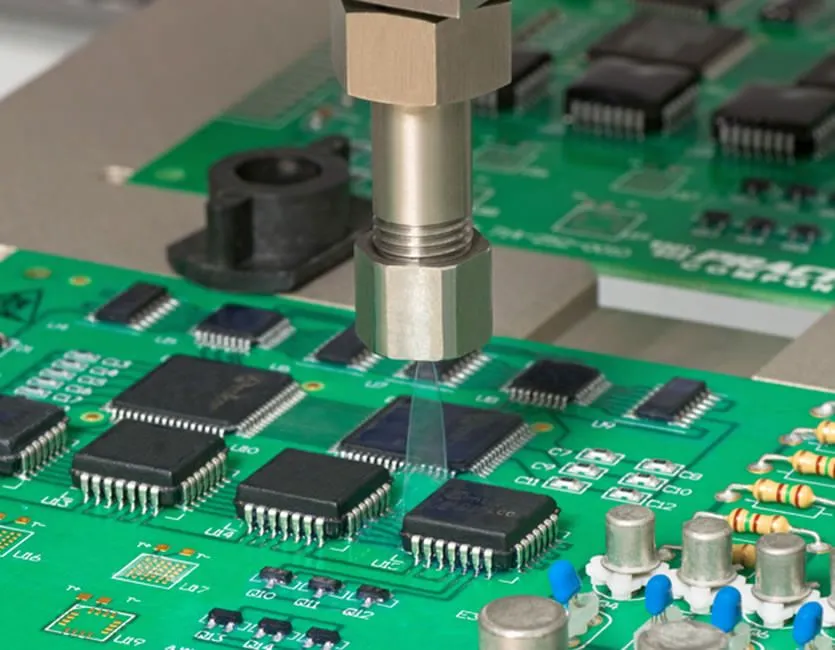
Conformal coating quality control encompasses all procedures to verify the proper application, uniformity, and integrity of protective coatings on PCBs. These coatings, typically thin polymer films, conform to the contours of the board and components, providing electrical insulation and environmental protection. In factory settings, quality control starts with material selection and extends through application, curing, and final verification to prevent defects that arise from improper viscosity, contamination, or environmental factors. Without stringent controls, PCBs may suffer from reduced insulation resistance or corrosion, leading to field failures in applications like automotive electronics or aerospace systems.
The relevance of conformal coating quality control intensifies in high-reliability sectors where downtime costs are prohibitive. Engineers must consider how coatings mitigate risks such as ionic contamination or thermal cycling stress, directly impacting mean time between failures. Factory-driven insights reveal that consistent quality control reduces rework rates and boosts yield, aligning production with customer specifications. Ultimately, effective quality control sets the foundation for PCBs that perform reliably under real-world stresses, from humidity exposure to vibration.
Key Conformal Coating Inspection Methods
Conformal coating inspection methods serve as the first line of defense in quality control, detecting defects early in the manufacturing process. Visual inspection involves examining the coated assembly under adequate magnification and lighting to identify issues like bubbles, cracks, dewetting, or bridging. Trained operators check for uniform coverage over critical areas while ensuring no coating encroaches on connectors or test points. This method proves cost-effective for initial screening but requires skilled personnel to avoid subjective judgments.
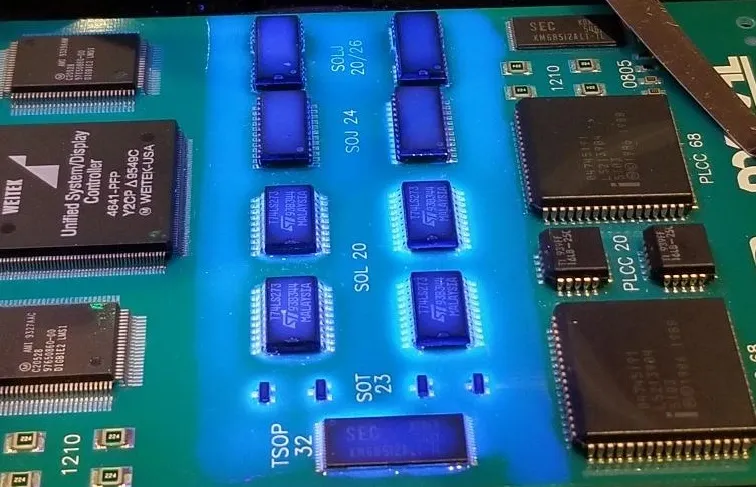
UV inspection enhances detection for coatings with fluorescent additives, revealing voids, thin spots, or holidays under blacklight. Engineers activate UV lamps at wavelengths around 365 nm to highlight discrepancies invisible in standard light, confirming complete encapsulation of traces and components. Combining UV with magnification allows precise assessment of edge coverage and pinhole presence. Automated optical inspection systems take this further by using high-resolution cameras and algorithms to scan for anomalies at production speeds.
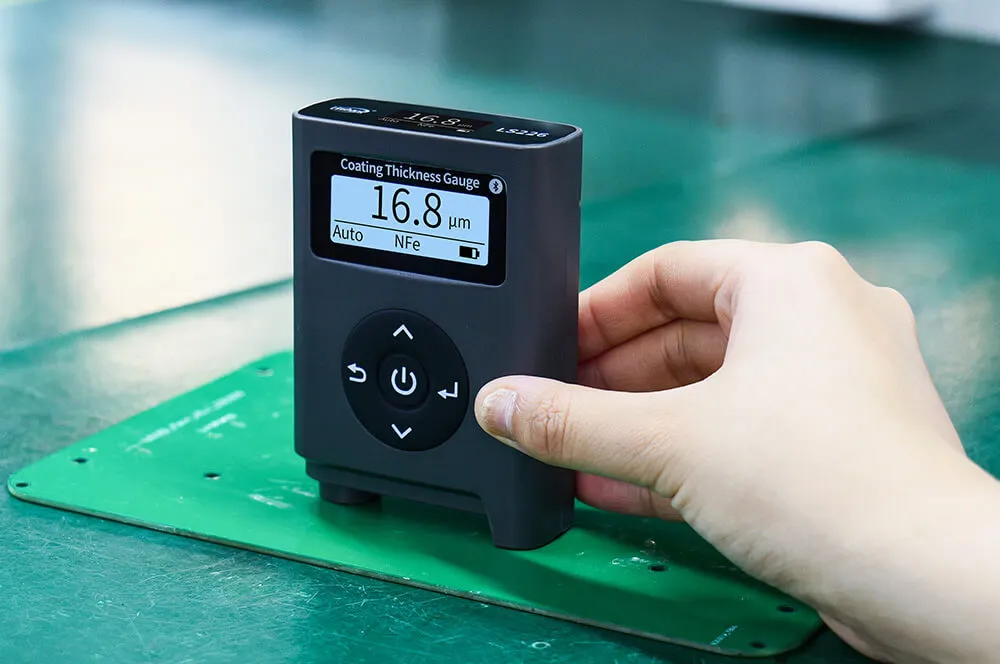
Thickness measurement stands as a critical conformal coating inspection method, ensuring layers fall within specified ranges for optimal protection. Wet film combs provide quick in-process checks by gauging liquid coating depth immediately after application. For cured films, dry methods like micrometers, eddy current gauges, or cross-section microscopy deliver precise readings. Factory protocols often mandate statistical process control charts to monitor thickness variations across batches.
Microscopic examination offers detailed analysis for high-stakes assemblies, slicing cross-sections to verify interlayer adhesion and uniformity. This technique uncovers subtle flaws such as fish eyes or orange peel texture that automated systems might miss. Integrating multiple inspection methods creates a robust quality control framework, minimizing escapes to downstream processes.
Essential Conformal Coating Testing Methods
Conformal coating testing methods validate the coating's performance under simulated operating conditions, going beyond visual checks. Dielectric withstand voltage testing applies high voltage between traces to confirm insulation integrity, detecting pinholes or weak spots. Insulation resistance measurements, often per IPC-TM-650 method 2.6.3.4, assess leakage currents after humidity exposure, ensuring long-term reliability. Engineers correlate results with acceptance criteria to qualify coatings for specific environments.
Adhesion testing evaluates bonding strength using cross-hatch or tape methods, where scribes create a grid and adhesive tape attempts removal. This reveals if contaminants or improper surface preparation compromise durability. Thermal shock testing cycles assemblies between extreme temperatures, checking for cracking or delamination as outlined in IPC-TM-650 method 2.6.7.1. Such tests simulate field stresses like rapid temperature changes in outdoor electronics.
Environmental testing includes salt fog, humidity, and fluid resistance to mimic operational hazards. Factory labs expose coated test coupons to these conditions, measuring degradation in electrical properties over time. Peel strength and flexibility tests assess mechanical robustness, particularly for flexible circuits. Comprehensive testing protocols ensure coatings meet performance demands without over-specifying materials.
Conformal Coating Standards: IPC Benchmarks
Conformal coating standards provide the framework for consistent quality control across the industry. IPC-CC-830 establishes qualification requirements for coating materials, covering categories like acrylics, urethanes, and silicones through tests for temperature cycling, humidity resistance, and dielectric breakdown. Engineers reference this standard during material selection to predict field performance. It emphasizes using standardized test boards like IPC-B-25A for repeatable results.
IPC-A-610 defines acceptability criteria for coated assemblies, specifying allowable defects such as voids or foreign inclusions. Class 3 provisions suit high-reliability applications, demanding near-perfect coverage. Factories align inspection processes to these visual and dimensional tolerances.
These ipc standards for conformal coating integrate seamlessly into quality management systems, fostering traceability and continuous improvement. Adherence reduces variability and supports certification efforts.
Best Practices for Implementing Conformal Coating Quality Control
Establishing robust conformal coating quality control begins with controlled application environments, maintaining temperature, humidity, and cleanliness to prevent defects. Engineers specify masking for keep-out areas and validate spray or dip parameters for uniform deposition. Incoming material inspections verify viscosity and shelf life, correlating with supplier data sheets.
Operator training proves vital, combining hands-on practice with defect recognition modules based on standards. Statistical process control tracks key variables like cure time and thickness, triggering adjustments before drifts occur. Integrating inline inspection stations catches issues pre-cure, minimizing scrap.
Documentation forms the core of factory-driven quality control, logging process data, test results, and nonconformance reports. Periodic audits against ipc standards for conformal coating ensure sustained compliance. Collaborative reviews between design and manufacturing teams refine specifications for optimal balance of protection and manufacturability.
Rework procedures handle defects efficiently, using solvents or abrasion followed by re-inspection. Long-term validation through accelerated life testing confirms reliability projections.
Conclusion
Conformal coating quality control remains essential for achieving reliable PCB performance in diverse applications. By mastering conformal coating inspection methods, testing protocols, and standards like IPC-CC-830 and IPC-A-610, engineers mitigate risks and enhance durability. Factory best practices, from precise application to rigorous verification, drive consistent outcomes. Prioritizing these elements positions teams to deliver high-quality assemblies that withstand environmental challenges.
FAQs
Q1: What are the primary conformal coating inspection methods used in quality control?
A1: Visual, UV, and automated optical inspections form the core of conformal coating inspection methods. Thickness gauging complements these by quantifying coverage. Factories combine them for comprehensive defect detection, aligning with IPC-A-610 criteria to ensure uniform protection without rework delays.
Q2: How do conformal coating testing methods ensure PCB reliability?
A2: Conformal coating testing methods like dielectric withstand, adhesion, and thermal shock evaluate performance under stress. IPC-TM-650 protocols standardize these assessments for insulation resistance and mechanical integrity. Engineers use results to validate coatings for specific environments, preventing failures in humid or thermal cycling conditions.
Q3: What role do IPC standards play in conformal coating quality control?
A3: IPC standards for conformal coating, such as IPC-CC-830, define material qualification and performance tests. They guide factories in selecting and verifying coatings for moisture and temperature resistance. Consistent application of these benchmarks supports high-reliability manufacturing and traceability.
Q4: Why is thickness control critical in conformal coating standards?
A4: Thickness directly impacts conformal coating standards compliance and protection efficacy. Too thin risks exposure; too thick may crack. Methods like wet film combs and micrometers enable precise monitoring, ensuring optimal dielectric strength and adhesion per industry guidelines.