ALLPCB


When it comes to SMT assembly, choosing the right stencil type is crucial for achieving high-quality results. So, what’s the difference between framed stencils and frameless stencils? Framed stencils are mounted on a rigid frame for stability, making them ideal for high-volume production. Frameless stencils, on the other hand, are standalone sheets that offer flexibility and cost savings, often suited for smaller runs or prototyping. Both have their strengths and weaknesses, and understanding these can help you make the best choice for your surface mount technology (SMT) projects.
In this detailed guide, we’ll explore the pros and cons of framed and frameless stencils, diving into their applications, costs, and performance in SMT assembly. Whether you’re looking for cost-effective stencils or the most reliable option for large-scale production, this post will help you decide which stencil type fits your needs.
What Are Stencils in SMT Assembly?
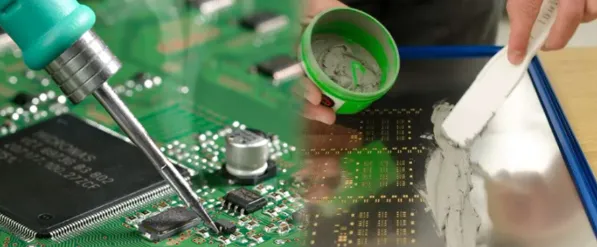
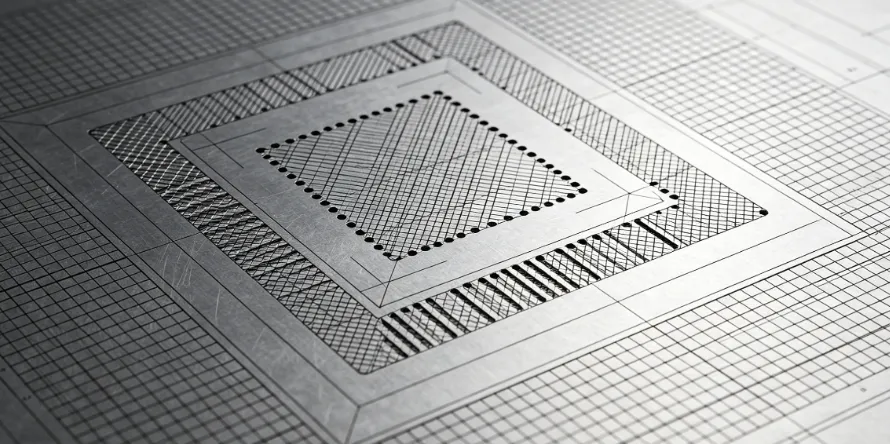
Stencils play a vital role in SMT assembly, a process used to place electronic components onto printed circuit boards (PCBs). These thin sheets, usually made of stainless steel, have precise cutouts that match the PCB’s layout. During assembly, solder paste is applied through these openings to create connection points for components.
The accuracy of solder paste application directly impacts the quality of the final product. Too much or too little paste can lead to defects like bridging or insufficient solder joints. That’s why selecting the right stencil type—whether framed or frameless—is so important. Let’s break down the two main stencil types used in SMT assembly and see how they compare.
What Are Framed Stencils?
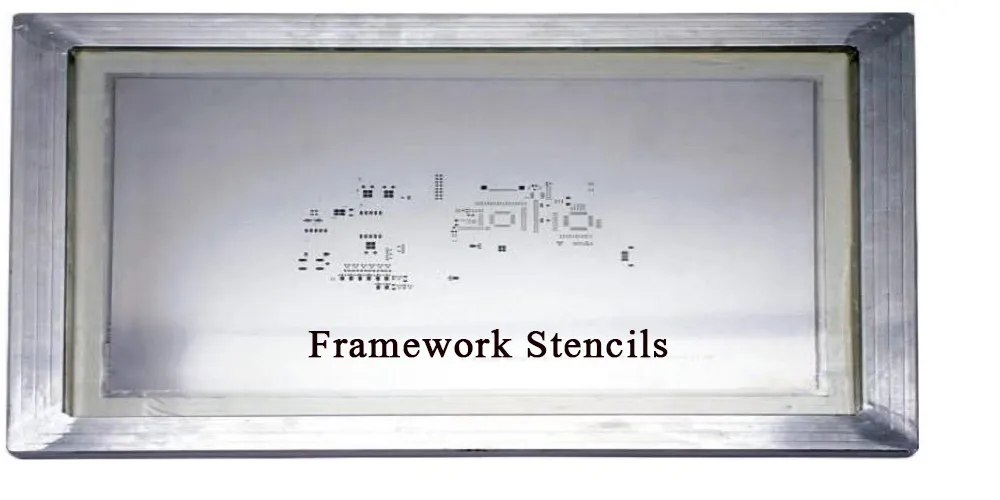
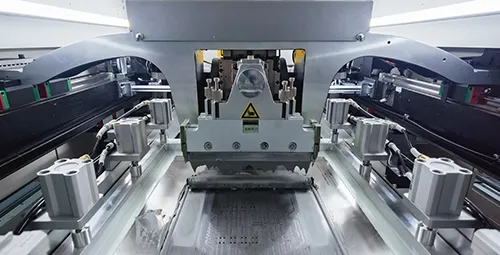
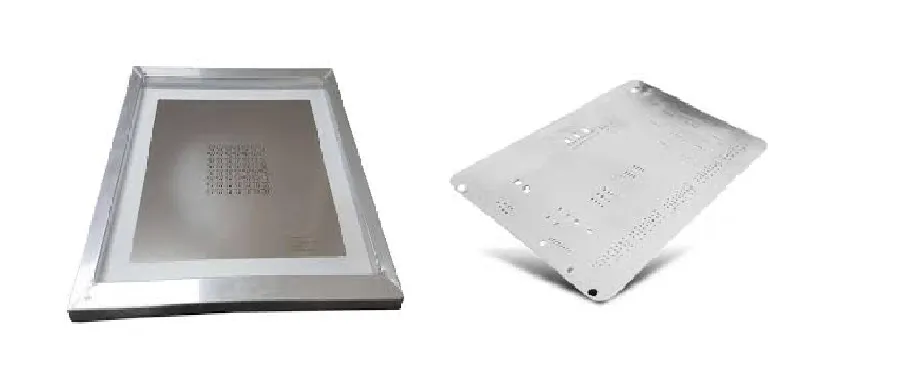
Framed stencils are stainless steel sheets permanently attached to a rigid aluminum or steel frame. The frame keeps the stencil taut and stable during the solder paste printing process. These stencils are often used in automated SMT assembly lines where precision and repeatability are critical.
Framed stencils are designed to fit into specific stencil printers, ensuring consistent alignment with the PCB. They are a popular choice for high-volume production because they can withstand repeated use without warping or losing accuracy.
Pros of Framed Stencils
- Durability: The rigid frame prevents the stencil from bending or warping, even after thousands of prints. This makes framed stencils ideal for long-term use in high-volume SMT assembly.
- Precision: The taut surface ensures uniform solder paste deposition, reducing the risk of defects. Studies in SMT processes show that consistent paste volume can improve yield rates by up to 15% in large-scale production.
- Ease of Use: Framed stencils are easy to handle and align in automated printers, saving time during setup and reducing operator error.
- Compatibility: They are designed to work seamlessly with most standard stencil printing machines, making them a reliable choice for professional setups.
Cons of Framed Stencils
- Higher Cost: Framed stencils are more expensive due to the added materials and manufacturing process for the frame. They can cost 20-30% more than frameless options, depending on size and specifications.
- Storage Space: The bulky frame requires more storage space, which can be an issue for facilities with limited room.
- Less Flexibility: Once a framed stencil is made, it’s fixed to its frame. If a design change is needed, you’ll likely need a new stencil, adding to costs.
What Are Frameless Stencils?
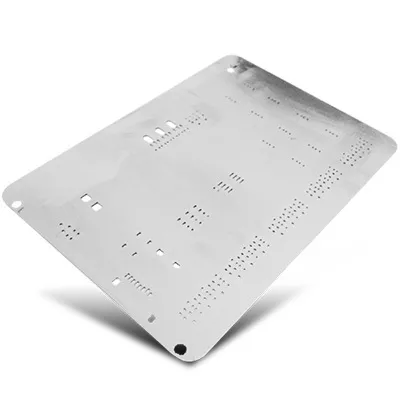
Frameless stencils, also known as unframed or foil stencils, are standalone stainless steel sheets without a permanent frame. They are typically used with a reusable frame or tensioning system during printing. These stencils are common in prototyping, small-batch production, or environments where flexibility is more important than high-volume output.
Frameless stencils are lightweight and easy to store, making them a practical choice for smaller operations or when multiple designs are needed in a short time frame.
Pros of Frameless Stencils
- Cost-Effective: Without a permanent frame, frameless stencils are generally cheaper to produce and purchase. They can save up to 30% compared to framed options, making them one of the most cost-effective stencils for SMT assembly.
- Compact Storage: Since they lack a bulky frame, frameless stencils take up less space. You can stack multiple foils in a small area, which is ideal for workshops with limited storage.
- Flexibility: They can be used with different tensioning systems or reusable frames, allowing for quick swaps between designs without needing entirely new stencils.
- Ideal for Prototyping: For short runs or testing new PCB designs, frameless stencils offer an affordable way to get started without committing to a framed setup.
Cons of Frameless Stencils
- Less Durable: Without a fixed frame, frameless stencils are more prone to bending or damage during handling, especially after repeated use.
- Lower Precision: If not tensioned properly in a frame system, the stencil may sag or misalign, leading to uneven solder paste application. This can increase defect rates by as much as 10% in some cases.
- Setup Time: Mounting a frameless stencil into a tensioning system can take longer than using a pre-framed option, slowing down the process in high-speed environments.
Comparing Framed vs. Frameless Stencils for SMT Assembly
Now that we’ve covered the basics of both stencil types, let’s compare them side by side across key factors that matter most in SMT assembly: cost, durability, precision, and suitability for different production scales.
Cost Comparison
Cost is often a deciding factor when choosing between framed and frameless stencils. Framed stencils typically range from $150 to $300 for standard sizes, depending on the complexity of the design and frame material. Frameless stencils, by contrast, often cost between $100 and $200 for similar specifications. For small-scale projects or prototyping, the lower upfront cost of frameless stencils makes them a more cost-effective choice. However, for long-term, high-volume production, the durability of framed stencils may offset their higher initial price by reducing replacement frequency.
Durability and Longevity
Durability is where framed stencils shine. Their rigid structure can handle tens of thousands of prints without significant wear, often lasting 12-18 months in continuous production environments. Frameless stencils, while still robust, are more susceptible to physical damage and may need replacement after 5,000-10,000 prints if not handled carefully. For operations prioritizing longevity, framed stencils are the better investment.
Precision in Solder Paste Application
Precision is non-negotiable in SMT assembly. Framed stencils provide consistent tension, ensuring uniform paste deposits with tolerances as tight as ±0.001 inches. Frameless stencils can achieve similar precision but only when properly mounted in a high-quality tensioning system. Without proper setup, they risk misalignment or uneven tension, which can lead to paste volume variations of up to 5-10% across the board.
Suitability for Production Scale
The scale of your production run often dictates the best stencil type. For high-volume SMT assembly (10,000+ boards per run), framed stencils are ideal due to their durability and ease of use in automated systems. For smaller runs or prototyping (under 1,000 boards), frameless stencils offer a budget-friendly alternative that still delivers acceptable results. If your operation involves frequent design changes, frameless stencils provide the flexibility to adapt without breaking the bank.
When to Choose Framed Stencils
Framed stencils are the go-to option in several scenarios:
- High-Volume Production: If your SMT assembly line produces thousands of boards daily, the durability and precision of framed stencils ensure consistent quality over time.
- Automated Assembly Lines: Most automated stencil printers are designed to work with framed stencils, making them a seamless fit for large-scale operations.
- Complex Designs: For PCBs with fine-pitch components (e.g., 0.4mm pitch or smaller), framed stencils provide the stability needed for accurate solder paste application.
When to Choose Frameless Stencils
Frameless stencils are a better fit under these conditions:
- Prototyping or Small Runs: If you’re testing a new design or producing fewer than 1,000 boards, frameless stencils offer a cost-effective solution without sacrificing too much quality.
- Limited Budget: For startups or small workshops, the lower cost of frameless stencils makes them an attractive option when funds are tight.
- Frequent Design Changes: If your projects often require switching between different PCB layouts, frameless stencils paired with a reusable frame system provide the flexibility you need.
Tips for Maximizing Stencil Performance in SMT Assembly
Regardless of whether you choose framed or frameless stencils, proper handling and maintenance can extend their lifespan and improve results. Here are some practical tips:
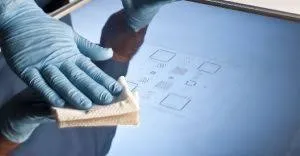
- Regular Cleaning: Clean your stencil after every 5-10 prints to prevent solder paste buildup. Use a dedicated stencil cleaner or isopropyl alcohol with a lint-free cloth to avoid contamination.
- Proper Storage: Store framed stencils vertically to avoid warping the frame, and keep frameless stencils flat in protective sleeves to prevent bending.
- Check Tension (for Frameless): If using a frameless stencil, ensure the tensioning system applies even pressure across the foil. Uneven tension can lead to print defects.
- Inspect for Wear: Regularly inspect both stencil types for scratches, dents, or worn apertures. Even small damage can affect paste transfer efficiency by up to 8%.
Conclusion: Making the Right Choice for Your SMT Assembly
Choosing between framed and frameless stencils for SMT assembly comes down to your specific needs, budget, and production scale. Framed stencils offer unmatched durability and precision, making them ideal for high-volume, automated production environments. Frameless stencils, as cost-effective alternatives, are perfect for prototyping, small runs, or operations with frequent design changes.
By weighing the pros and cons of each stencil type, you can select the option that best aligns with your goals. Whether you prioritize long-term reliability or upfront savings, understanding these differences ensures better outcomes in your SMT assembly process. With the right stencil, you’ll achieve consistent solder paste application, fewer defects, and ultimately, higher-quality PCBs.
At ALLPCB, we’re committed to supporting your SMT assembly projects with high-quality tools and resources. Explore our range of stencil solutions to find the perfect fit for your next PCB production run.