ALLPCB


Introduction
Surface Mount Technology (SMT) assembly has become the cornerstone of modern electronics manufacturing, particularly for high-reliability applications in sectors like aerospace, medical devices, and automotive industries. These fields demand components that withstand extreme conditions, including temperature cycling, vibration, and mechanical shock, while maintaining unwavering performance. SMT assembly enables higher component density and smaller form factors, which are essential for compact designs in satellites, implantable devices, and advanced driver-assistance systems. Engineers face stringent requirements to ensure zero-defect processes, as failures can lead to catastrophic consequences. This guide delves into the principles, best practices, and troubleshooting strategies for SMT assembly tailored to high-reliability needs. By focusing on process control and material integrity, manufacturers can achieve the robustness required for mission-critical electronics.
What Is SMT Assembly and Why It Matters for High-Reliability Applications
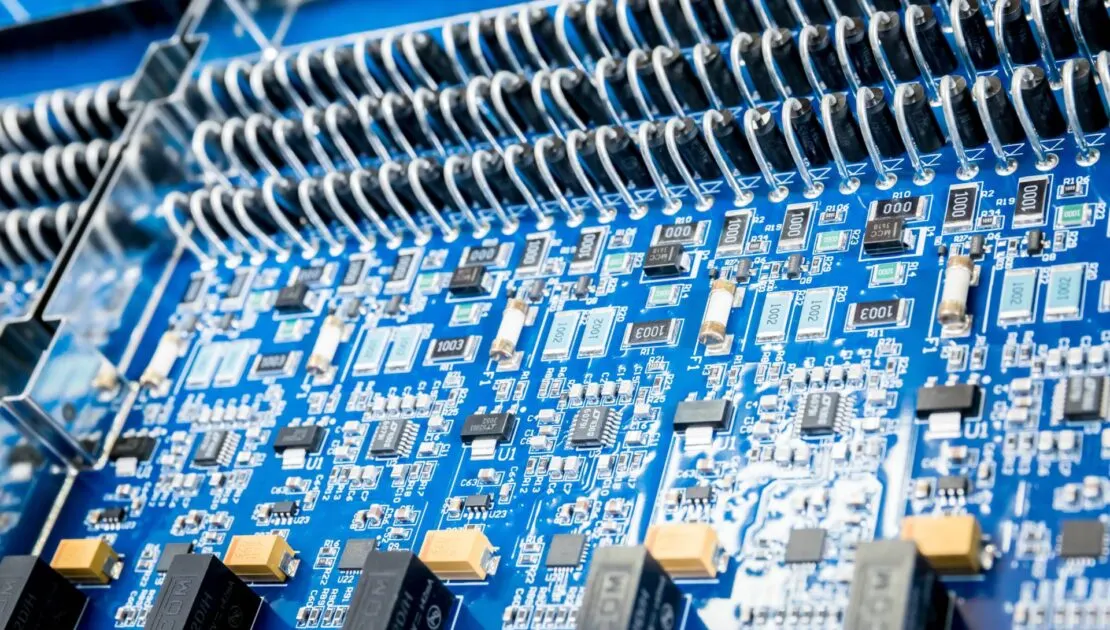
SMT assembly involves placing electronic components directly onto the surface of a printed circuit board (PCB) using solder joints, contrasting with traditional through-hole methods that require leads passing through board holes. This technique relies on precise application of solder paste, automated placement, and controlled reflow soldering to form reliable interconnections. In high-reliability contexts, SMT assembly matters because it supports miniaturization without sacrificing mechanical strength, crucial for aerospace avionics enduring high g-forces or medical devices needing biocompatibility and long-term stability. Automotive electronics, exposed to thermal cycling and humidity, benefit from SMT's ability to handle fine-pitch components like ball grid arrays (BGAs) and quad flat no-leads (QFNs). Stringent requirements amplify the need for defect-free assembly, as even minor voids or cracks can propagate under operational stresses. Ultimately, SMT assembly aligns with the demands of environments where downtime equates to safety risks.
Core Technical Principles of SMT Assembly
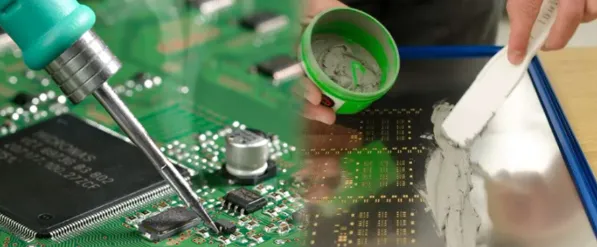
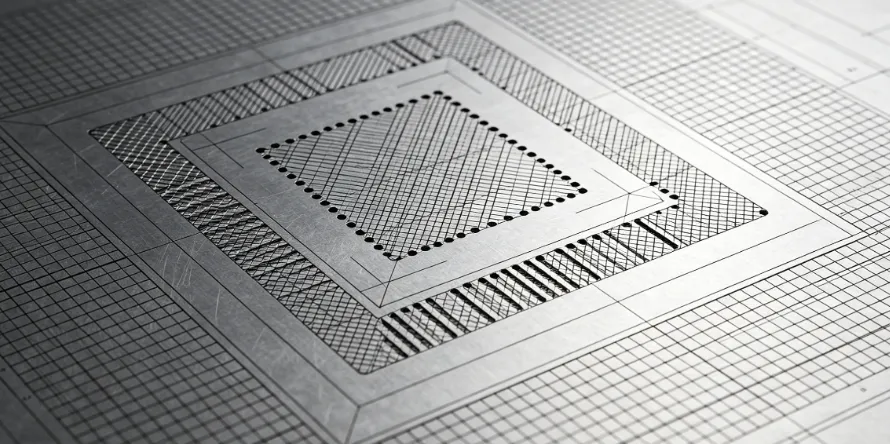
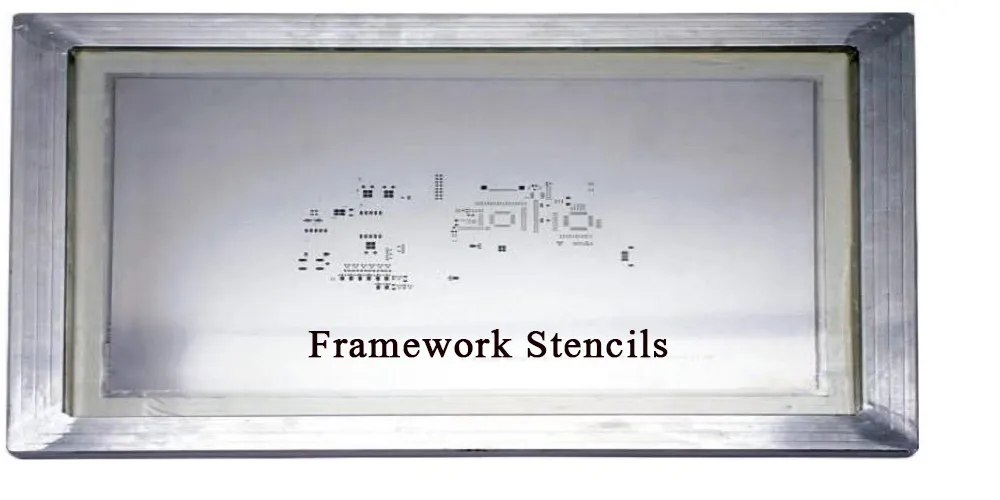
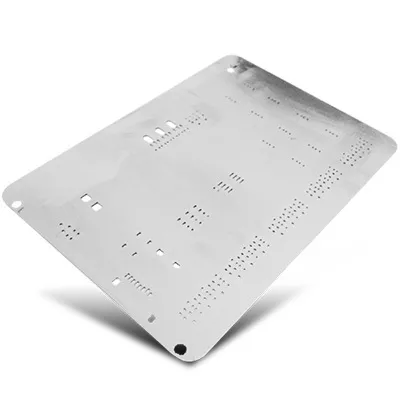
The SMT process begins with solder paste printing, where a stencil aligns apertures over PCB pads to deposit a uniform paste layer composed of flux and alloy particles. Precision in stencil thickness, typically managed to avoid excess or insufficient paste volume, prevents bridging or insufficient wetting during reflow. Component placement follows, using high-speed pick-and-place machines to position parts with micron-level accuracy, accounting for factors like board warpage and fiducial marks for alignment. Reflow soldering then melts the paste in a controlled oven profile, with stages of preheat, soak, reflow, and cooling to minimize thermal gradients and intermetallic formation. Inspection via automated optical systems verifies joint integrity, detecting anomalies like head-in-pillow defects common in high-reliability builds. These principles ensure joints withstand shear forces and fatigue, vital for aerospace and automotive vibration profiles.

Material selection underpins reliability, with low-alpha solder pastes reducing radiation-induced soft errors in space applications and halogen-free formulations suiting medical device regulations. PCB substrates must exhibit low coefficient of thermal expansion (CTE) mismatch with components to prevent cracking during thermal excursions. Cleanliness control is paramount, as contaminants like flux residues accelerate corrosion in humid automotive environments. Process parameters, including peak reflow temperature and time above liquidus, follow guidelines to avoid overheating sensitive components. Engineers troubleshoot by analyzing defect modes, such as tombstoning from rapid heating imbalances or solder beading from poor paste release. Mastering these mechanisms allows consistent high-reliability SMT assembly.
Best Practices for SMT Assembly in Stringent Environments
Adopt a phased approach starting with design for manufacturability (DFM), ensuring pad geometries comply with IPC-A-610 Class 3 criteria for high-reliability boards. This standard specifies joint dimensions and acceptability, guiding stencil design to achieve 75-80% paste-to-pad coverage without bridging risks. Implement moisture sensitivity level (MSL) handling per JEDEC J-STD-020, baking components before assembly to eliminate popcorn effects in medical and aerospace parts. Automated inline monitoring of paste height and volume via laser or SPI systems catches variations early, maintaining six-sigma process capability.
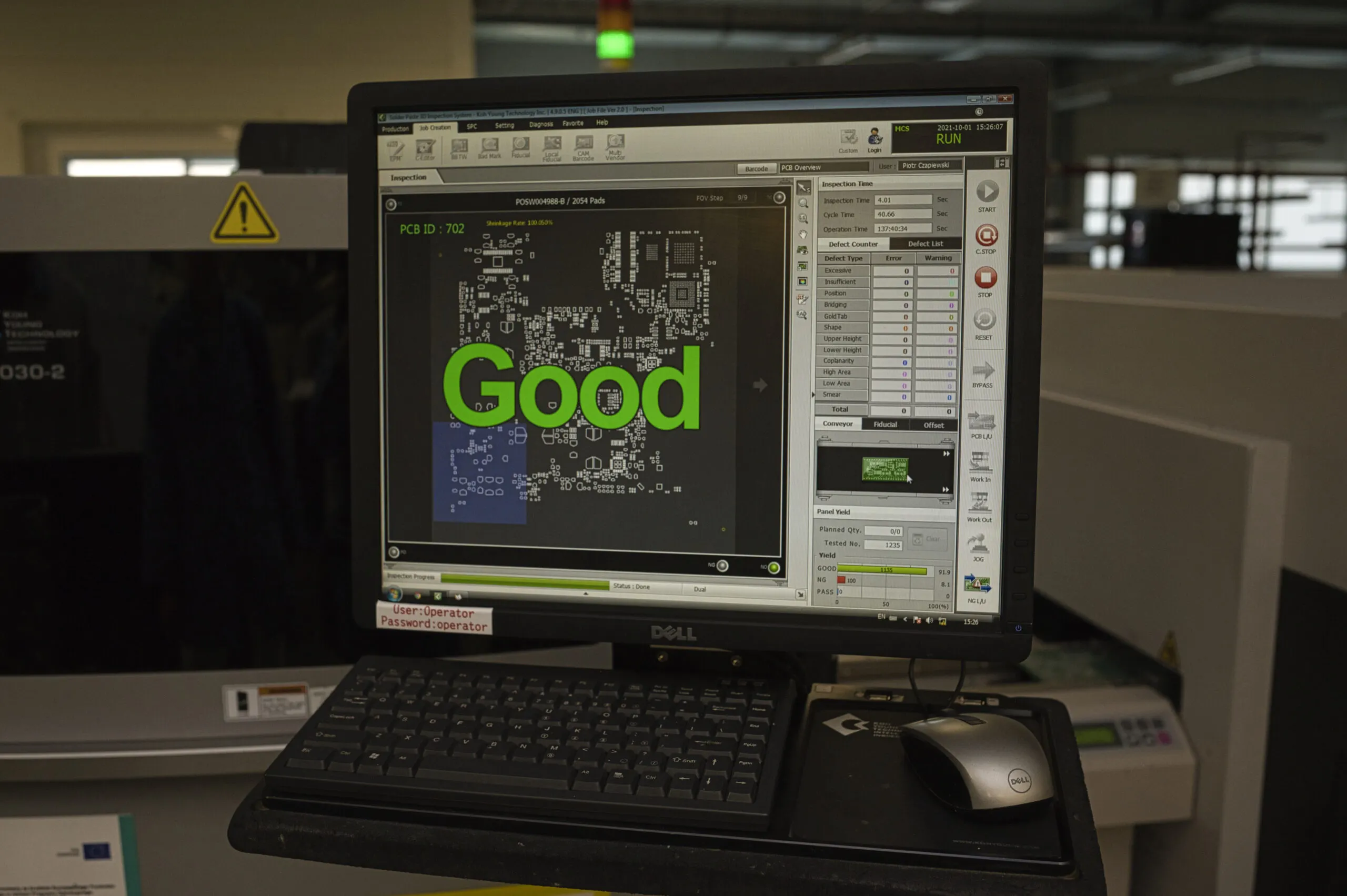
Reflow profiling requires nitrogen atmospheres to reduce oxidation, especially for fine-pitch assemblies in automotive ECUs facing thermal shock. Post-reflow, X-ray inspection reveals hidden voids in BGAs, while automated X-ray computed tomography quantifies subsurface defects. Bake-out and plasma cleaning remove residues, enhancing insulation resistance for medical implants. For rework, follow controlled procedures to preserve surrounding joints, using localized heating to match original profiles. Traceability via machine-readable labels tracks lots through the process, aiding failure analysis in high-reliability chains. These practices minimize field returns and extend service life.
Common Challenges and Troubleshooting in High-Reliability SMT
High-reliability SMT assembly encounters defects like solder balling, often from volatile flux activation during preheat, resolvable by optimizing ramp rates. Bridging in dense arrays stems from stencil misalignment or paste rheology issues, addressed by ultrasonic cleaning of stencils and viscosity checks. Head-in-pillow, prevalent in lead-free alloys, arises from component floating during reflow; solutions include flux chemistry tweaks and placement force adjustments. Warpage-induced opens in large panels require constrained fixturing during reflow, measured via shadow moire techniques.
Vibration testing post-assembly simulates aerospace conditions, identifying weak joints via cyclic loading. For medical devices, hermetic sealing processes integrate with SMT to block ingress. Automotive thermal cycling chambers validate endurance, correlating process data to performance. Root cause analysis using fishbone diagrams links defects to variables like humidity or paste age. Proactive SPC charts flag drifts, ensuring compliance with stringent requirements. Troubleshooting refines processes iteratively for zero-escape quality.
Conclusion
SMT assembly for high-reliability applications demands meticulous control over printing, placement, reflow, and inspection to meet the rigors of aerospace, medical devices, and automotive sectors. By adhering to proven technical principles and best practices, engineers achieve robust, defect-free boards capable of enduring extreme stresses. Standards like IPC-A-610 and JEDEC J-STD-020 provide benchmarks for excellence, while troubleshooting sharpens process maturity. Investing in these elements not only satisfies stringent requirements but also future-proofs designs against evolving challenges. High-reliability SMT remains indispensable for advancing technology in critical fields.
FAQs
Q1: What distinguishes SMT assembly processes for high-reliability applications like aerospace from standard ones?
A1: High-reliability SMT assembly emphasizes Class 3 criteria per IPC-A-610, with tighter tolerances on joint voids, coplanarity, and residue limits compared to consumer Class 2. Nitrogen reflow and extended bake-outs handle MSL sensitivities, while enhanced inspections like 3D X-ray ensure subsurface integrity. Vibration and thermal shock qualifications post-assembly verify durability under operational extremes, minimizing risks in mission-critical systems.
Q2: How does SMT assembly meet stringent requirements in medical devices?
A2: SMT supports biocompatibility through residue-free processes and low-outgassing materials, crucial for implants. Fine-pitch placement enables compact designs, with reflow profiles tuned to avoid damaging sensors. Automated AOI and functional testing confirm hermetic seals and signal integrity, aligning with reliability needs for long-term implantation. Cleanroom protocols further prevent contamination.
Q3: Why is process control vital in automotive SMT assembly for high-reliability?
A3: Automotive SMT faces thermal cycling and humidity, so precise paste printing and reflow prevent microcracks propagating into failures. Inline SPC monitors variability, correlating to AEC-Q100 qualifications. Component traceability aids recalls, ensuring safety in ADAS and powertrains. Robust joints withstand vibrations from engine mounts.
Q4: What role do standards play in high-reliability SMT assembly?
A4: Standards like JEDEC J-STD-020 guide MSL handling to avert reflow defects, while IPC-A-610 defines visual and mechanical criteria for joints. They standardize processes across suppliers, enabling consistent quality in aerospace and medical sectors. Compliance reduces variability, supporting predictive reliability modeling.
References
IPC-A-610F — Acceptability of Electronic Assemblies. IPC, 2014
JEDEC J-STD-020E — Moisture/Reflow Sensitivity Classification of Nonhermetic Surface Mount Devices. JEDEC, 2014