ALLPCB


Introduction
Frameless stencils play a central role in surface mount technology processes for printed circuit board assembly. Engineers select the material for these stencils based on requirements for precision aperture formation, repeated use cycles, and compatibility with solder paste deposition. The choice between common options such as stainless steel and nickel influences both production yield and long term operational costs. Material properties directly affect how well the stencil maintains flatness during tensioning and printing operations. Understanding these factors helps design and procurement teams align stencil selection with specific board layouts and volume targets.
What Is a Frameless Stencil and Why Material Selection Matters
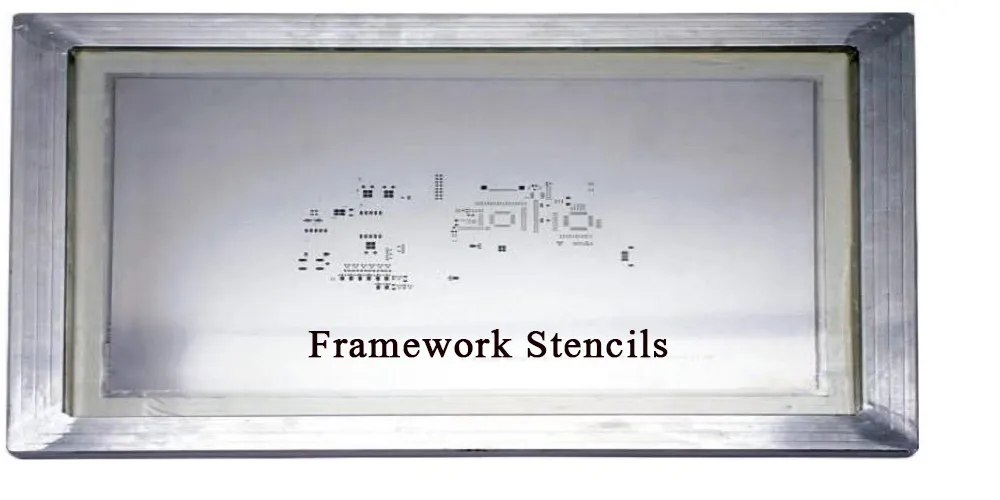
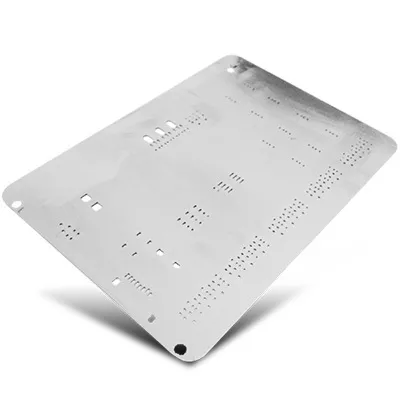
A frameless stencil consists of a thin metal foil that is mounted into a reusable frame system rather than being permanently attached to a fixed border. This design allows quick foil changes while maintaining consistent tension across the printing area. Stainless steel remains the most widely adopted material because of its balance between mechanical strength and cost effectiveness. Nickel offers an alternative when finer feature resolution becomes necessary for high density interconnect boards. Proper material selection reduces defects such as paste bridging or insufficient deposits that can arise from poor aperture edge quality or foil deformation.
Technical Principles of Frameless Stencil Materials
Stainless steel foils typically exhibit higher tensile strength and resistance to fatigue compared with nickel under repeated printing cycles. Nickel provides superior corrosion resistance in environments where solder paste flux residues may accumulate over time. Thickness uniformity across the foil surface determines how accurately laser cut or electroformed apertures maintain their intended dimensions. Warpage under tension can occur if the material lacks sufficient stiffness, leading to inconsistent paste release on larger panels. Engineers evaluate these properties against expected production volumes to predict stencil lifespan before replacement becomes necessary.
Related Reading: Framed vs. Frameless Stencils: Understanding the Pros and Cons for SMT Assembly
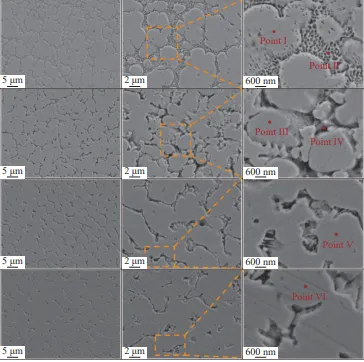
Practical Guidance for Selecting Between Stainless Steel and Nickel
Engineers begin by reviewing board complexity and minimum aperture sizes required for the component mix. Stainless steel suits most standard surface mount applications where durability under high volume runs takes priority. Nickel becomes preferable when designs incorporate very fine pitch components that demand smoother aperture walls for optimal paste transfer. Cost considerations include both initial foil price and the frequency of replacement driven by wear patterns observed in production data. Durability testing under simulated tension and cleaning cycles helps quantify expected service life for each option. Procurement teams document these evaluations to maintain consistency across multiple board revisions.
Related Reading: How to Choose the Right Stencil Material: Stainless Steel vs. Nickel for PCB Assembly
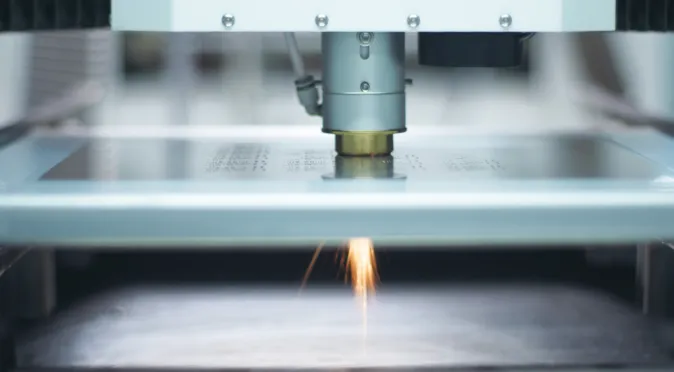
Best Practices for Ensuring Long Term Performance
Routine inspection of foil flatness after each mounting cycle prevents gradual degradation that affects print quality. Cleaning protocols aligned with industry guidelines minimize residue buildup that could accelerate material fatigue. Storage conditions that control humidity and temperature help preserve foil integrity between production runs. Documentation of stencil usage history supports data driven decisions on when to switch materials for future projects. Collaboration between design and manufacturing teams ensures that material choices reflect both electrical performance needs and assembly process constraints. 
Conclusion
Selecting the appropriate frameless stencil material requires careful evaluation of mechanical properties, application demands, and lifecycle economics. Stainless steel continues to serve as the default choice for most assemblies due to its proven durability and favorable cost profile. Nickel provides targeted advantages in high precision scenarios where aperture quality directly influences yield. Structured decision processes that incorporate material testing and usage tracking lead to more reliable outcomes across production environments. Consistent application of these principles supports higher quality printed circuit board assembly results.
FAQs
Q1: What factors determine whether frameless stencil stainless steel or nickel is more suitable for a given PCB design?
A1: Board density, minimum feature sizes, and expected production volume guide the decision. Stainless steel offers greater mechanical durability for standard applications, while nickel supports finer apertures with smoother walls. Engineers review paste release requirements and cleaning frequency to finalize the selection.
Q2: How do frameless stencil material properties influence overall stencil durability?
A2: Tensile strength and resistance to deformation under tension directly affect how many printing cycles a foil can complete before replacement. Stainless steel generally withstands higher cycle counts in high volume environments. Nickel maintains edge integrity longer when exposed to aggressive flux chemistries.
Q3: What role does stencil material cost play when comparing frameless stencil stainless steel and nickel options?
A3: Initial material cost represents only one element of total ownership expense. Stainless steel typically provides lower upfront pricing combined with extended service life in many applications. Nickel may increase initial investment but can reduce rework costs when finer features improve first pass yield.
Q4: How can engineers assess frameless stencil material durability before committing to full production?
A4: Controlled tension testing and accelerated wear simulations provide quantitative data on expected lifespan. Monitoring aperture edge condition and foil flatness after sample runs reveals performance differences. These evaluations align with established quality practices to support reliable material selection.