ALLPCB


Design for Assembly, or DFA, focuses on simplifying the manufacturing process for printed circuit boards by selecting components that align with efficient assembly workflows. Component selection directly influences how easily parts can be placed, soldered, and inspected during production. Engineers must evaluate package types, pin counts, and material properties early in the design phase to avoid complications later. Poor choices often lead to increased handling steps, higher defect rates, and extended cycle times on the assembly line. Logical evaluation of these factors helps maintain consistent quality across batches.
Why Component Selection Matters for DFA
Component selection shapes the overall DFA outcome because it determines the number of unique parts, their compatibility with automated equipment, and their behavior during thermal processes. Standard components DFA practices reduce the variety of footprints and orientations required, which streamlines feeder setup and programming for pick-and-place machines. When part availability DFA considerations are ignored, procurement delays can halt production or force last-minute substitutions that alter the original design intent. Component obsolescence DFA planning becomes essential as supply chains evolve, since discontinued parts require redesigns that disrupt schedules and increase validation efforts. Minimizing component variations therefore supports predictable yields and lower overall assembly costs.

Technical Principles of Component Selection in DFA
Component packages influence solder joint formation and mechanical stability during reflow. Larger or irregularly shaped parts may require specific nozzle configurations or slower placement speeds to prevent misalignment. Thermal mass differences among components on the same board can create uneven heating profiles, affecting joint quality across the assembly. Logical grouping of similar package types allows uniform process parameters, reducing the need for multiple reflow profiles or inspection criteria. Land pattern geometry must match component tolerances to ensure reliable connections without excessive solder or bridging risks.
Standardization of footprints further supports these principles by enabling reusable design libraries and consistent manufacturing instructions. Variations in lead pitch or body size increase the likelihood of placement errors and complicate automated optical inspection routines. Engineers analyze these interactions through design reviews that map each component against assembly equipment capabilities and process limits. This structured approach identifies potential conflicts before layout finalization.

Best Practices for DFA Component Selection
Engineers begin by prioritizing widely available package styles that align with common manufacturing capabilities. Selecting parts with established footprints reduces the need for custom tooling and supports faster setup times. Cross-checking availability through multiple distributors helps mitigate risks associated with single-source dependencies. When possible, designers consolidate functions into fewer unique components to lower the total part count on the board.
Minimizing component variations involves creating a controlled bill of materials that favors reusable values for resistors, capacitors, and inductors. This consolidation simplifies inventory management and allows bulk purchasing strategies that improve cost predictability. Component obsolescence DFA reviews should occur at regular intervals during the design cycle, with contingency parts identified in advance. Documentation of approved alternatives ensures quick substitutions without requalification delays.
Standard components DFA guidelines also recommend evaluating mechanical attributes such as height and weight distribution. Balanced layouts prevent board warpage during thermal excursions and maintain alignment accuracy throughout the process.

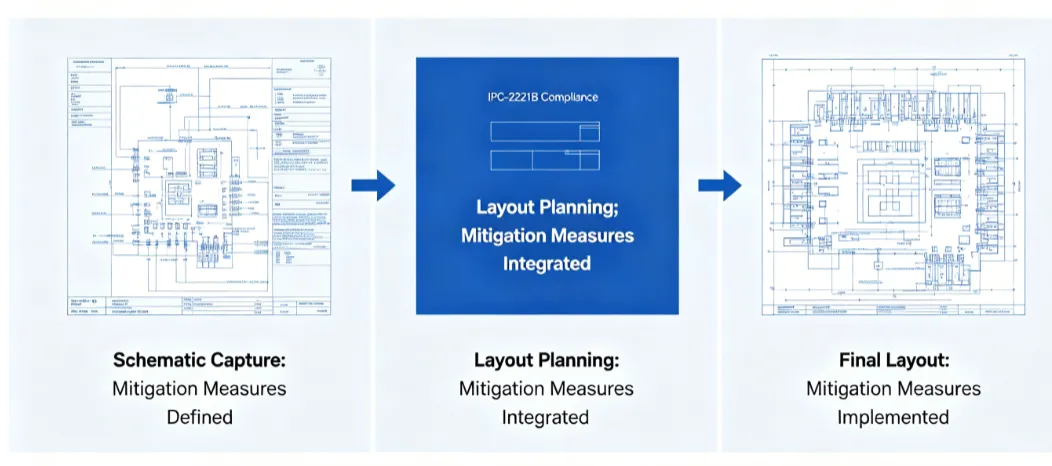
Practical implementation includes generating a component selection checklist that covers footprint compatibility, thermal characteristics, and supply chain status. Teams review this checklist during schematic capture and layout stages to catch issues early. Collaboration between design and manufacturing engineers ensures that selections reflect real-world assembly constraints rather than theoretical ideals.
Challenges and Mitigation Strategies
Supply chain fluctuations can introduce unexpected obsolescence, forcing rapid redesigns that affect DFA metrics. Early engagement with procurement teams allows identification of long-lead or high-risk parts before they impact schedules. When substitutions become necessary, engineers verify that replacement components maintain identical footprints and electrical performance to preserve the original assembly sequence.
High-variation designs often result from feature creep or insufficient standardization efforts. Regular audits of the bill of materials help identify opportunities to consolidate similar parts. This ongoing discipline supports sustained DFA improvements across multiple projects.
Conclusion
Effective DFA component selection balances electrical requirements with manufacturing practicality. By emphasizing standard components, monitoring availability, and minimizing variations, engineering teams achieve more reliable and cost-effective assembly outcomes. Structured evaluation processes integrated throughout the design cycle help sustain these benefits over the product lifecycle.
FAQs
Q1: How does DFA component selection improve assembly efficiency?
A1: DFA component selection improves assembly efficiency by reducing the number of unique parts and standardizing footprints, which simplifies machine setup and programming. Consistent package types allow uniform process parameters during placement and soldering. This approach lowers defect rates and shortens overall production cycle times for electric engineers managing complex boards.
Q2: What role does part availability DFA play in project timelines?
A2: Part availability DFA considerations help prevent procurement delays that could otherwise extend development schedules or force costly redesigns. Early evaluation of supply sources ensures components remain accessible throughout production. Engineers incorporate availability checks into component selection to maintain project momentum and avoid last-minute changes.
Q3: Why is minimizing component variations important for DFA?
A3: Minimizing component variations reduces the complexity of feeder arrangements and inspection criteria on the assembly line. Fewer unique packages allow standardized handling procedures and more predictable yields. Electric engineers benefit from streamlined processes that support higher throughput and easier quality control.
Q4: How can component obsolescence DFA be managed effectively?
A4: Component obsolescence DFA management involves periodic reviews of the bill of materials and identification of qualified alternatives before discontinuation occurs. Maintaining a list of approved substitutes preserves design integrity without requiring extensive revalidation. This proactive strategy helps electric engineers avoid production interruptions and maintain consistent assembly practices.
References
IPC-A-610G — Acceptability of Electronic Assemblies. IPC, 2017
J-STD-001H — Requirements for Soldered Electrical and Electronic Assemblies. IPC, 2020
IPC-7351C — Generic Requirements for Surface Mount Land Pattern and Design. IPC, 2019