ALLPCB


If you're working with printed circuit boards (PCBs), you might be wondering how to store and handle copper clad laminate (CCL) to avoid damage and degradation. The answer lies in controlling environmental factors like humidity, preventing oxidation, and protecting against electrostatic discharge (ESD). In this comprehensive guide, we'll dive deep into the best practices for copper clad laminate storage, PCB material handling, preventing oxidation, humidity control for PCB, and ESD protection for PCB to ensure your materials remain in top condition for manufacturing.
What is Copper Clad Laminate and Why is Proper Storage Critical?
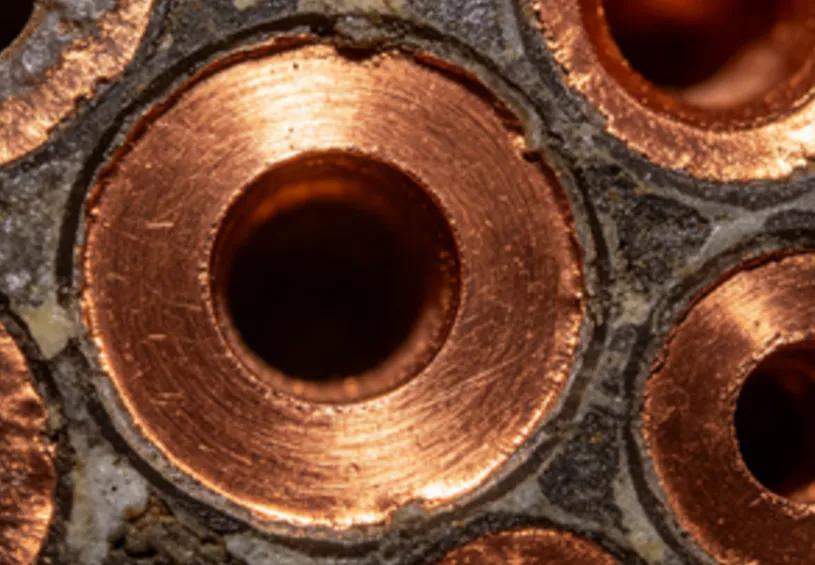
Copper clad laminate, or CCL, is the foundational material for PCBs. It consists of a thin layer of copper foil bonded to an insulating substrate, such as FR-4 or high-frequency materials. This composite provides the electrical conductivity and mechanical support needed for electronic circuits. However, CCL is highly sensitive to environmental conditions. Improper storage or handling can lead to oxidation of the copper layer, moisture absorption in the substrate, or physical damage, all of which can compromise the performance of the final PCB.
Storing and handling CCL correctly is not just about preserving raw materials; it directly impacts the quality of your end product. For instance, oxidized copper can cause poor solderability, while moisture in the substrate can lead to delamination during the manufacturing process. By following the right practices, you can avoid costly rework and ensure consistent results.
Key Factors Affecting Copper Clad Laminate Quality
Before diving into specific storage and handling techniques, it's important to understand the main factors that can degrade CCL quality. These include humidity, temperature, oxidation, physical damage, and ESD. Let's break down each one and explore how they impact your materials.
1. Humidity and Moisture Absorption
Humidity is one of the biggest enemies of CCL. The insulating substrate, often made of materials like epoxy resin, can absorb moisture from the air. When this happens, the material may swell or develop internal stresses, leading to issues like delamination or "popcorning" during soldering, where trapped moisture turns to steam and causes cracks. Studies suggest that substrates can absorb up to 0.1-0.5% of their weight in moisture under high-humidity conditions (above 85% relative humidity, or RH), significantly affecting their performance.
2. Oxidation of Copper Foil
The copper layer in CCL is prone to oxidation when exposed to air, especially in humid or warm environments. Oxidation forms a layer of copper oxide on the surface, which reduces conductivity and makes soldering difficult. This can result in weak connections or complete circuit failures. Preventing oxidation is crucial for maintaining the integrity of the copper foil.
3. Temperature Fluctuations
Extreme temperatures or rapid changes in temperature can cause thermal expansion or contraction in CCL. This stress can warp the material or weaken the bond between the copper and the substrate. Ideally, storage temperatures should be kept between 15°C and 25°C (59°F to 77°F) to minimize these risks.
4. Physical Damage
CCL sheets are thin and can be easily scratched, bent, or dented during handling. Physical damage to the copper layer can disrupt circuit patterns, while damage to the substrate can affect the structural integrity of the PCB. Proper handling techniques are essential to avoid such issues.
5. Electrostatic Discharge (ESD)
ESD poses a hidden threat to CCL, especially during handling. A sudden discharge of static electricity can damage the copper layer or create micro-cracks in the substrate, leading to latent defects that may not be immediately visible but can cause failures later. ESD protection for PCB materials is a must in any manufacturing environment.
Best Practices for Copper Clad Laminate Storage
Now that we understand the risks, let’s explore actionable steps for copper clad laminate storage to protect your materials from damage and degradation. These practices focus on controlling environmental conditions and using the right storage solutions.
1. Control Humidity with Moisture Barrier Bags and Desiccants
For effective humidity control for PCB materials, store CCL in moisture barrier bags (MBBs) with desiccants. MBBs are specially designed to block moisture ingress, while desiccants absorb any residual humidity inside the bag. Additionally, include humidity indicator cards (HICs) to monitor moisture levels—cards that change color if humidity exceeds safe levels (typically 10-15% RH inside the bag). Aim to keep storage areas at a relative humidity of 40-50% or lower to prevent moisture absorption.
2. Maintain Stable Temperature
Store CCL in a climate-controlled environment with a temperature range of 15°C to 25°C (59°F to 77°F). Avoid placing materials near heat sources, windows, or areas prone to temperature swings. If possible, use temperature monitoring systems to ensure consistency, as fluctuations beyond ±5°C can introduce thermal stress.
3. Use Proper Shelving and Stacking
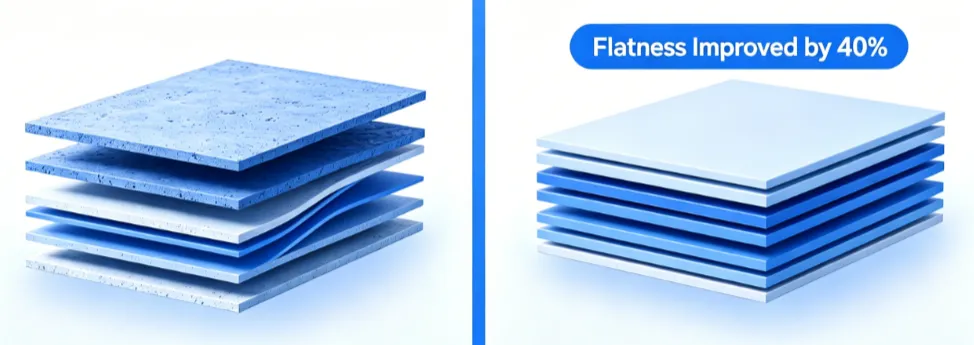
Avoid stacking CCL sheets directly on the floor, as this can expose them to moisture or dust. Use clean, dry shelves or pallets, and store sheets flat to prevent warping. Limit stack height to avoid excessive pressure on lower sheets—typically, no more than 10-15 sheets per stack, depending on thickness (common CCL thicknesses range from 0.2mm to 1.6mm). Use protective interleaving paper between sheets to prevent scratching.
4. Seal and Protect Against Oxidation
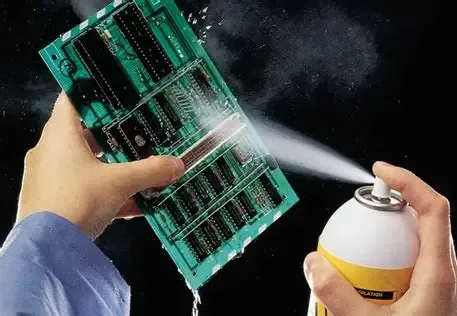
To assist in preventing oxidation, keep CCL in sealed packaging until ready for use. If sheets must be exposed, apply a thin layer of anti-tarnish coating or store them in nitrogen-purged cabinets to minimize air exposure. Nitrogen environments can reduce oxidation rates by up to 90% compared to standard air storage.
Effective PCB Material Handling Techniques
Beyond storage, proper PCB material handling is just as important to prevent damage during transportation and processing. Here are key tips to follow:
1. Wear Protective Gear
Always wear clean, lint-free gloves when handling CCL to avoid transferring oils, dirt, or moisture from your hands to the copper surface. Skin oils can accelerate oxidation, and even small contaminants can cause defects during etching or soldering.
2. Use ESD-Safe Tools and Workstations
For ESD protection for PCB materials, handle CCL only in ESD-safe environments. Use grounded workstations, wrist straps, and ESD mats to prevent static buildup. Static charges as low as 100 volts can cause micro-damage to CCL, so maintaining an ESD-safe zone is non-negotiable. Ensure that all tools, such as tweezers or cutters, are ESD-safe as well.
3. Avoid Excessive Bending or Flexing
CCL sheets are rigid but can crack or delaminate if bent excessively. Handle sheets by their edges, and avoid applying pressure to the center. If transporting multiple sheets, use rigid carriers or carts to keep them flat and secure.
4. Minimize Exposure Time
Once CCL is removed from protective packaging, minimize the time it’s exposed to air. Plan your workflow to ensure materials are processed quickly, ideally within 24-48 hours of unpacking, to reduce the risk of oxidation or moisture absorption.
Advanced Tips for Long-Term Storage and Handling
For manufacturers dealing with large volumes or long-term storage of CCL, consider these advanced strategies to further protect your materials:
1. Implement First-In, First-Out (FIFO) Inventory Management
Use a FIFO system to ensure older stock is used before newer stock. This prevents materials from sitting in storage for too long, where they might degrade over time. Label each batch with receipt dates and track inventory closely.
2. Invest in Automated Storage Systems
Automated vertical storage systems or climate-controlled cabinets can optimize space and maintain consistent environmental conditions. These systems often include built-in humidity and temperature controls, reducing manual oversight and ensuring compliance with storage guidelines.
3. Regular Inspections for Quality Assurance
Periodically inspect stored CCL for signs of oxidation, moisture damage, or physical defects. Use a magnifying glass or microscope to check for discoloration or pitting on the copper surface. If any issues are detected, isolate affected materials to prevent contamination of other stock.
Industry Standards for CCL Storage and Handling
To align with best practices, follow guidelines from industry standards like IPC-1601, which provides detailed recommendations for PCB and CCL handling and storage. According to IPC-1601, materials should be stored in conditions not exceeding 23°C (73°F) and 50% RH, and protective packaging must be used during shipping and storage. Adhering to such standards ensures consistency and reliability in your processes.
Common Mistakes to Avoid in Copper Clad Laminate Storage and Handling
Even with the best intentions, mistakes can happen. Here are some common pitfalls to watch out for:
- Storing Near Chemicals: Avoid placing CCL near solvents, acids, or other chemicals that can corrode the copper or degrade the substrate.
- Ignoring ESD Precautions: Skipping ESD protection measures can lead to invisible damage that only becomes apparent during testing or use.
- Overlooking Humidity Control: Failing to monitor humidity levels can result in moisture-related defects, especially in tropical or humid climates.
- Improper Stacking: Overloading stacks or stacking unevenly can cause physical stress and deformation of CCL sheets.
Conclusion: Protect Your Investment with Proper Storage and Handling
Copper clad laminate is the backbone of PCB manufacturing, and its quality directly affects the performance of your electronic products. By implementing the right practices for copper clad laminate storage, PCB material handling, preventing oxidation, humidity control for PCB, and ESD protection for PCB, you can safeguard your materials from damage and degradation. From controlling environmental conditions to using protective gear and following industry standards, every step counts in ensuring the longevity and reliability of your CCL.
By prioritizing these strategies, you not only protect your investment but also enhance the quality of your final PCBs. Whether you're a small-scale manufacturer or managing large production runs, these tips will help you maintain the integrity of your materials and achieve consistent, high-quality results in every project.