ALLPCB


Introduction
With the diversification of IoT, various smart terminals have proliferated. How to select these products and how to enable experiences that differ significantly from traditional devices are fundamental considerations for product upgrades. Being "always online everywhere" is a key metric for the user experience of many AI products. Consequently, low power consumption has been an unavoidable technical topic since the rise of IoT.
Ultra-Low-Power MCU Technology
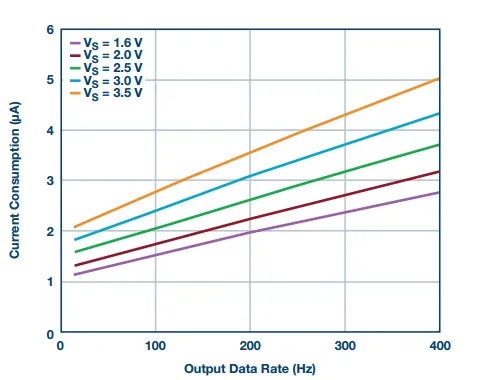
Previously published material introduced a subthreshold optimization platform called Subthreshold Power-Optimized Technology (SPOT). Its power consumption can be as low as 6 microamperes per MHz. Using SPOT, the platform can operate stably in the subthreshold region and reduce energy consumption by roughly 16 times. MCUs based on SPOT (sensor hub platforms) enable very long standby times for battery-powered smart devices and provide a chip-level basis for always-online AI functions.
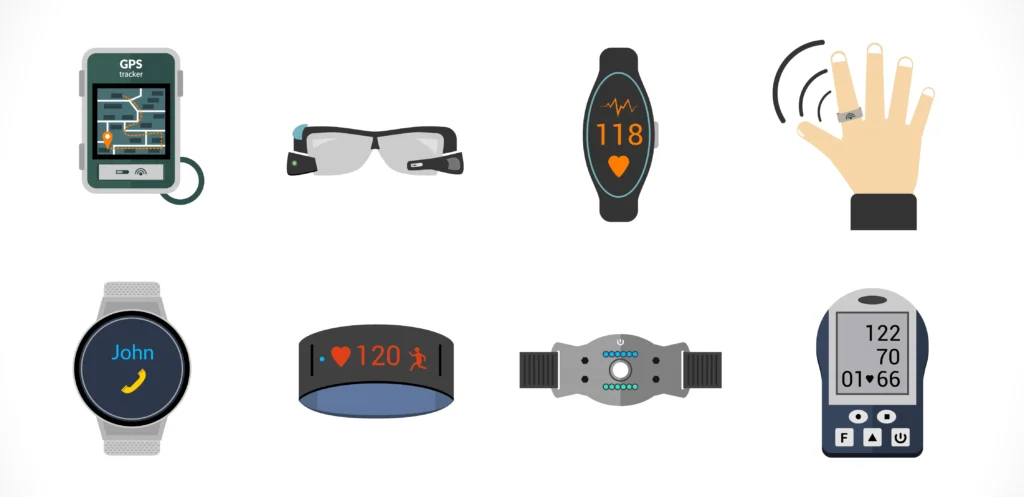
Flagship products on the market, including fitness bands, watches, and earphones, commonly adopt this platform as the core for power management and sensor data acquisition and processing.
Low-Power BLE
There are many low-power BLE chip solutions available. Different vendors may target general-purpose markets or specific niches, and their RF implementations can vary. At the protocol core, however, chip functionality and performance are broadly similar across vendors, since the differences ultimately relate to the underlying Bluetooth IP. For example, CEVA's RivieraWaves Bluetooth IP is widely used by BLE chip companies and provides a comprehensive solution for Bluetooth Low Energy and Bluetooth dual-mode connections. Chips using this IP have exceeded two billion units in shipments. The IP supports recent Bluetooth features including LE Audio synchronous channels, angle of arrival/angle of departure (AoA/AoD), random advertising channel indexing, periodic advertising synchronization transmission, GATT caching, and other enhancements.
Ultra-Low-Power MCU with BLE 5.2
BLE is a preferred low-power communication solution, and MCUs that include SPOT technology are a preferred platform for smart terminals. Most current non-audio wearable products use this hardware configuration. Audio wearables that require phone accessory functionality still need to include power-hungry classic Bluetooth.
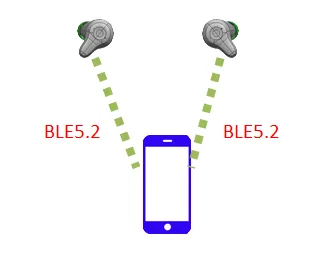
Prior to Bluetooth 5.2, audio transport used classic Bluetooth A2DP for point-to-point data transfer. With BLE 5.2, LE Audio enables audio over low-energy Bluetooth, allowing audio services without classic Bluetooth. LE Audio and BLE one-to-many capabilities open new possibilities for audio experiences.