ALLPCB


Introduction
When it comes to drones, most readers are already familiar with their rapid development driven by attractive designs and practical functions. Since the arrival of 5G, drone technology is poised for another leap. With 5G support, both performance and application scenarios for drones are expected to improve significantly.
Traditional Drones
A drone is an unmanned aerial vehicle. More precisely, it is an aircraft controlled by wireless remote control or preprogrammed instructions to perform specific aerial tasks. The main difference from conventional aircraft is whether personnel are carried on board.
Drones have a long history, with early unmanned aircraft appearing as far back as World War I. For many decades they were used mainly for military purposes such as target drones and reconnaissance. Since the 21st century, military drones have advanced rapidly and attracted public attention.
As drone technology matured, it expanded into civilian applications and spawned a variety of models. By flight platform configuration, drones can be classified as fixed-wing, rotary-wing, flapping-wing, parafoil, and airship types. The most commonly seen in civilian contexts are rotary-wing drones, which are widely used for tasks such as agricultural spraying, logistics, film shooting, and light shows.
Networked Drones
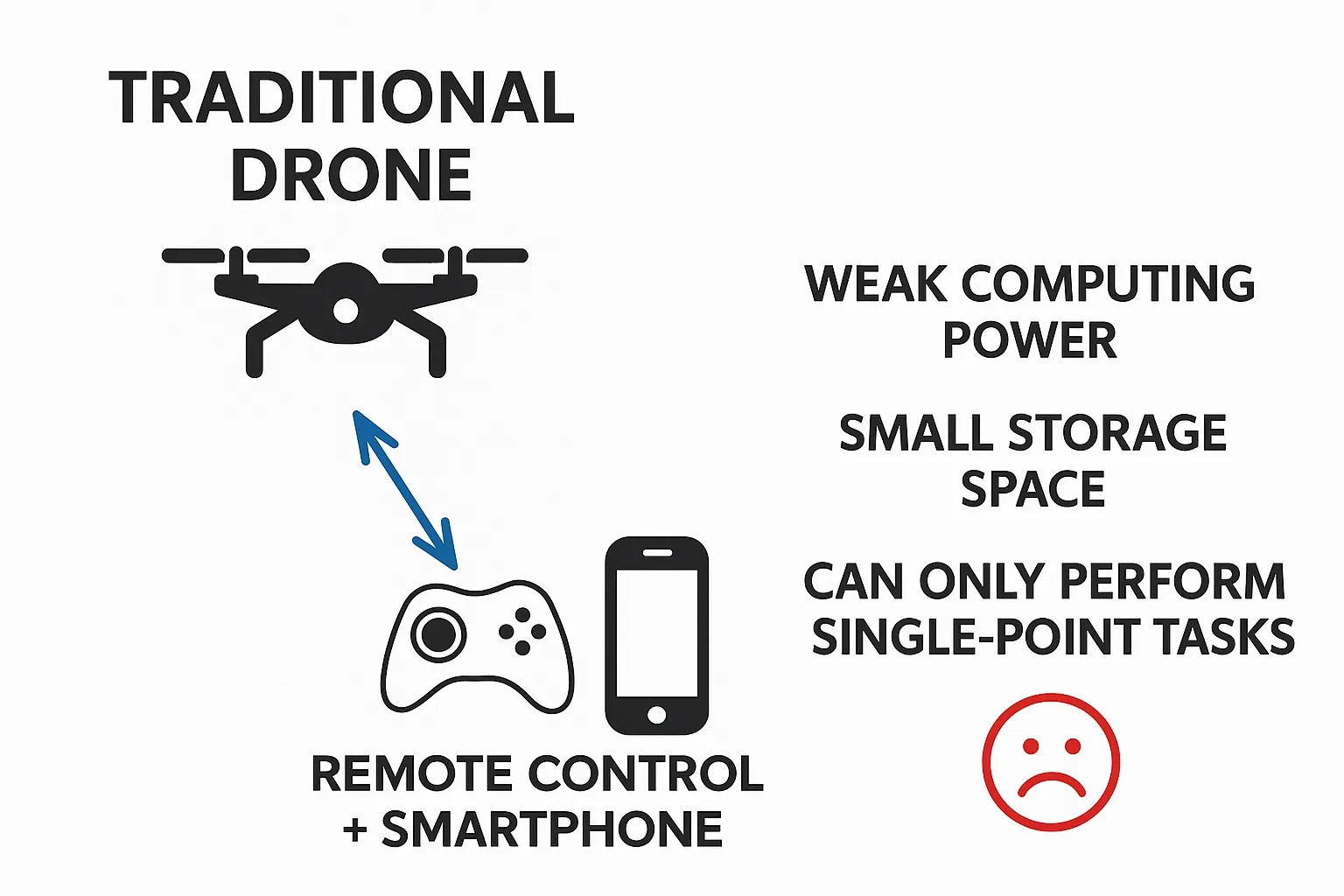
A typical civilian rotary-wing drone airframe consists of the frame, power system, flight control system, and payload. Ground infrastructure includes the control system. Traditional control relies on point-to-point communication: data between the transmitter and the drone is transmitted via Wi-Fi or Bluetooth.
Wi-Fi or Bluetooth communication has limited range. For example, Wi-Fi typically supports visual-line-of-sight control within roughly 300 to 500 meters (under specific conditions it can reach more than 1 kilometer). Bluetooth range is even shorter. This significantly constrains flight range. Operators are generally cautious about letting drones fly too far, because doing so can cause communication loss and potentially a crash. To address this, a new communication approach was developed: networked drones.
Networked drones use cellular networks to connect and control drones via base stations. Compared with Wi-Fi, cellular coverage is much broader, making drone communications more flexible and reliable.
In drone operations, three primary types of communication link the aircraft with the ground: video transmission, telemetry, and remote control. Video transmission carries live camera feeds from the drone payload to the ground. Telemetry transmits sensor and flight data back to the ground station. Remote control sends control commands from the operator to the aircraft.
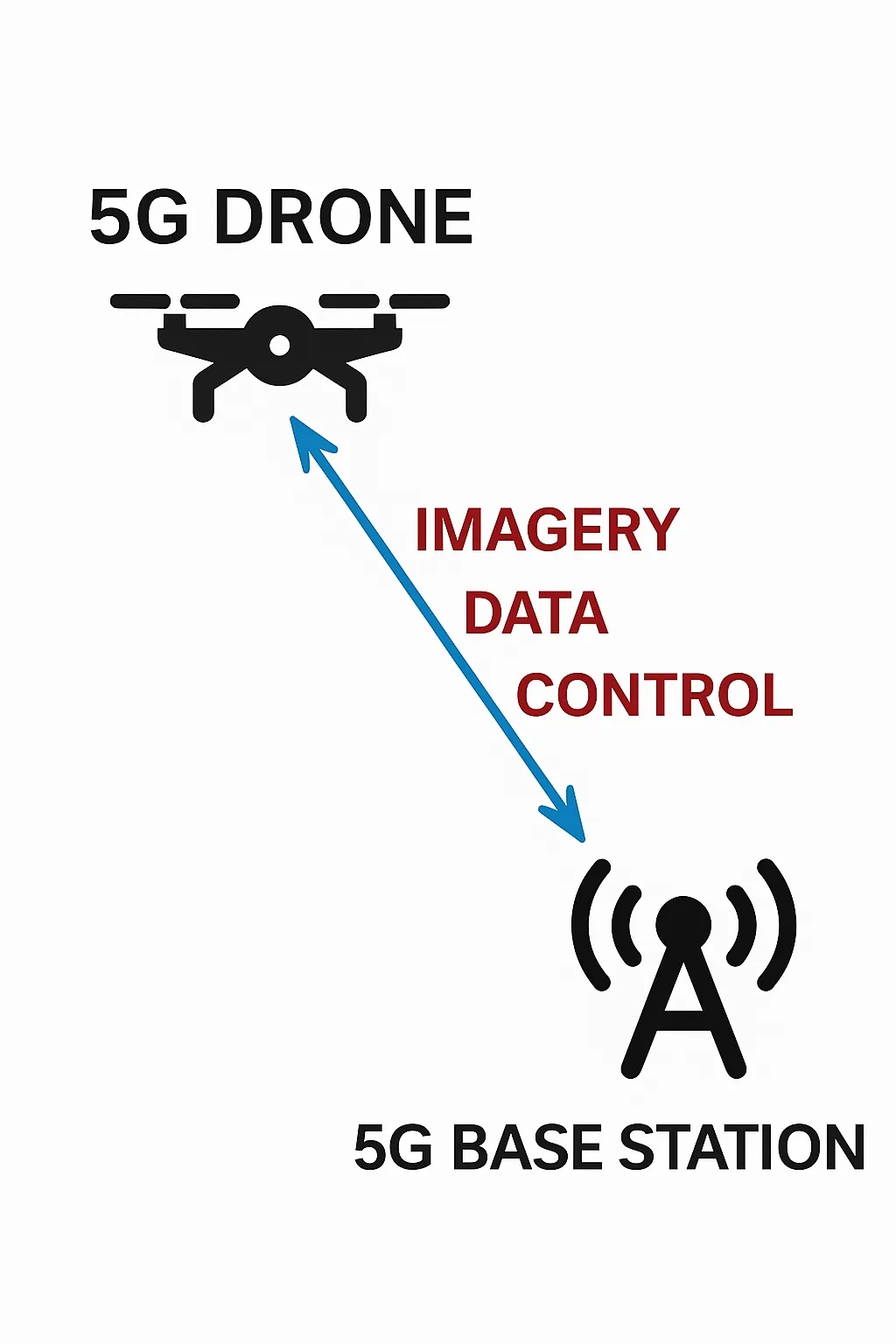
Video transmission demands the highest communication capability. Using Wi-Fi point-to-point at typical ranges below 500 meters, video can reach 1080p at around 30 fps. Some advanced vendors have proprietary links operating in the 2.4 GHz band that claim extended ranges up to several kilometers for 1080p.
With cellular-connected drones using 4G LTE, coverage is theoretically not constrained by distance when base stations provide coverage, but current typical video quality is around 720p. For aerial inspection at longer range, 720p or even 1080p may not provide sufficient detail for tasks such as reading indicator lights, instrument parameters, or facial recognition.
Beyond bandwidth and bitrate, other constraints remain. In terms of positioning, 4G provides airspace positioning accuracy on the order of tens of meters, while GPS achieves meter-level accuracy. Applications that require higher positioning precision, such as campus logistics or navigation in complex terrain, need additional reference stations for improved accuracy.
Coverage in altitude is also limited: 4G networks typically support applications below 120 meters. Above 120 meters, including high-altitude mapping or trunk-line logistics, drones are more likely to lose connection. Overall, 4G and Wi-Fi restrictions limit application scenarios and user reach in the consumer market, constraining broader adoption and long-term value.
5G-Enabled Drones
Because 4G and Wi-Fi have limitations, cellular communication must evolve. 5G addresses many of these constraints. What will 5G bring to drones? Key improvements include much wider bandwidth, lower latency, higher positioning accuracy, better coverage, and enhanced security.
First, video transmission benefits from 5G's ultra-high bandwidth. Theoretical 5G bandwidth can exceed 20 Gbps, and experimental networks commonly reach 1 Gbps or higher, more than ten times typical 4G LTE speeds. With this capacity, 4K or even 8K ultra-high-definition video streaming from drones is feasible.
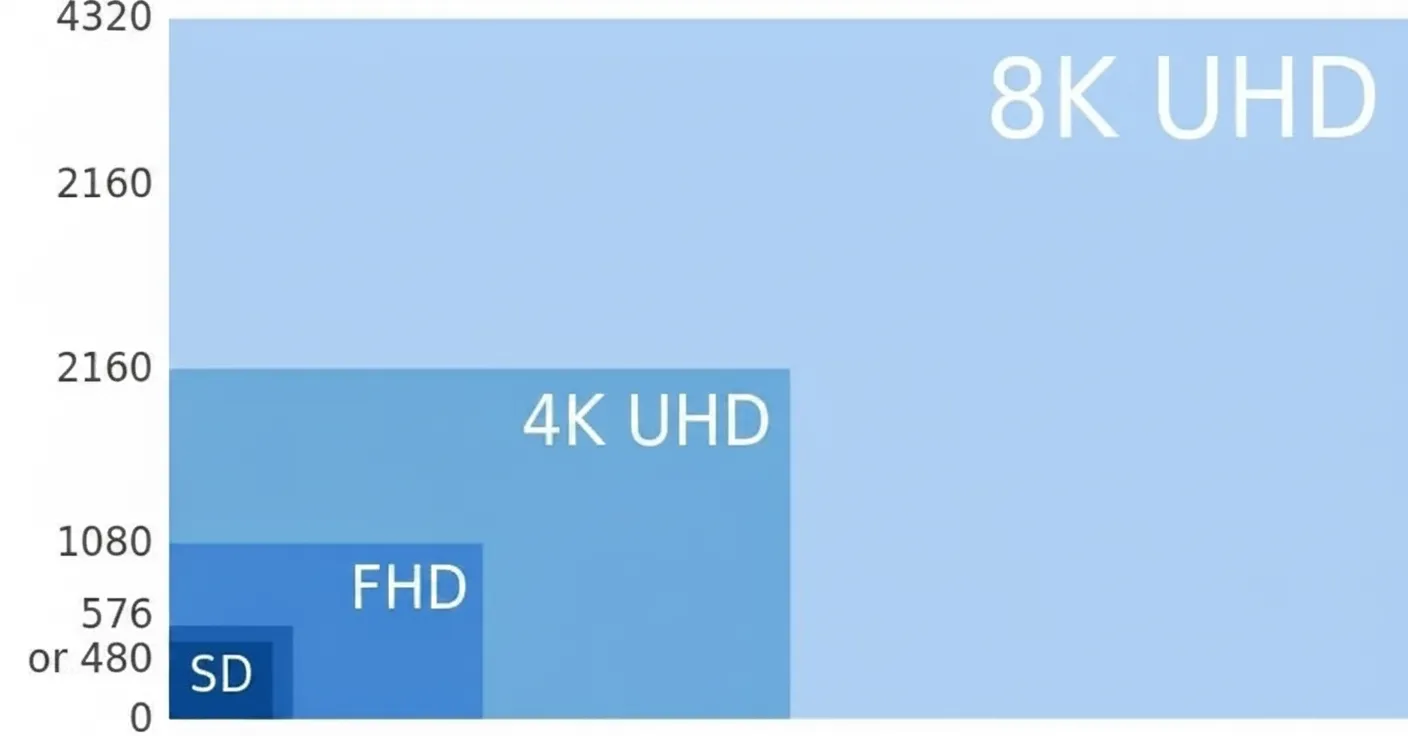
Compared with static, ground-based cameras, drones paired with 5G can provide dynamic, high-altitude, wide-angle ultra-high-definition perspectives. With sufficient bandwidth, drones can also carry 360° panoramic cameras and capture multi-dimensional footage. Ground personnel can view these streams from multiple angles, for example using virtual reality headsets.
Bandwidth alone is not enough. 5G also delivers ultra-low latency, offering millisecond-level transmission delays (below 20 ms, potentially down to 1 ms) compared with typical 4G LTE latencies above 50 ms. This enables faster response to ground commands and more precise ground control. Additionally, 5G supports centimeter-level positioning accuracy, far exceeding LTE and GPS in some scenarios, making operations in complex urban environments feasible.
Massive MIMO antenna arrays and beamforming technologies in 5G can automatically adjust transmission phase across multiple antennas in three dimensions. This improves signal coverage for targets at altitude and helps meet regulatory monitoring requirements for low-altitude airspace within 500 meters as well as future high-rise and operations above 120 meters.
From a data security perspective, 5G offers more secure and reliable transmission compared with 4G or Wi-Fi. It is less susceptible to interference and intrusion in the wireless channel.
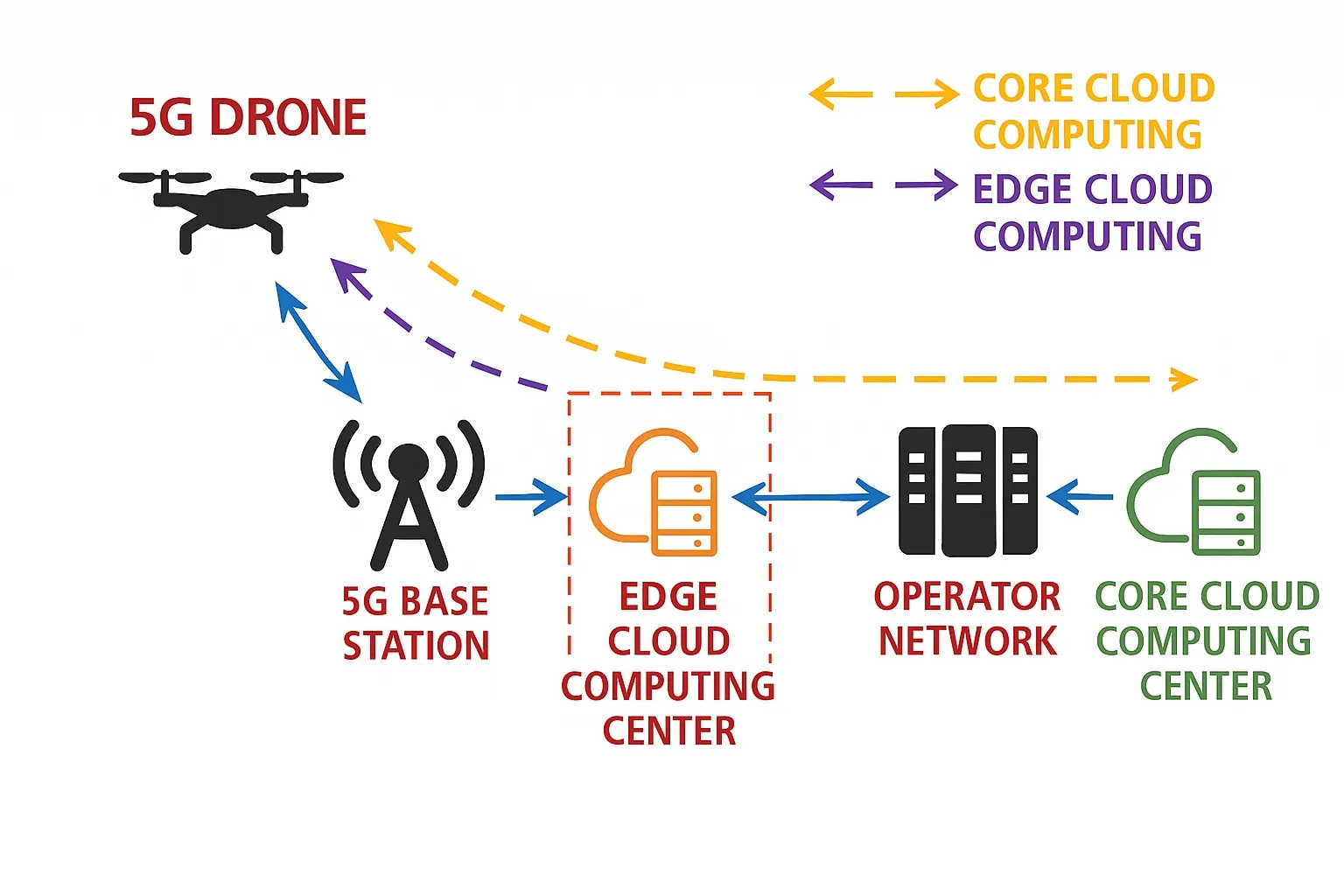
Beyond improving the radio link between drone and base station, 5G also enhances the supporting ground platform. A complete drone system includes airborne components and ground-based elements. Traditional Wi-Fi point-to-point setups limit ground assets to a controller and a phone. Networked drones can leverage cloud computing and edge computing to provide larger storage capacity and stronger compute resources, enabling remote teams to access high-resolution video and other services.
With 5G's massive connectivity, the number of drones the network can support is effectively very large (theoretical densities of up to one million devices per square kilometer). Edge computing placed near 5G base stations can process drone-related data locally instead of sending it to distant cloud centers, preserving low latency for time-sensitive services such as autonomous flight. Device-to-device (D2D) communication in 5G also enables direct drone-to-drone links, supporting autonomous convoy behavior and swarm coordination.
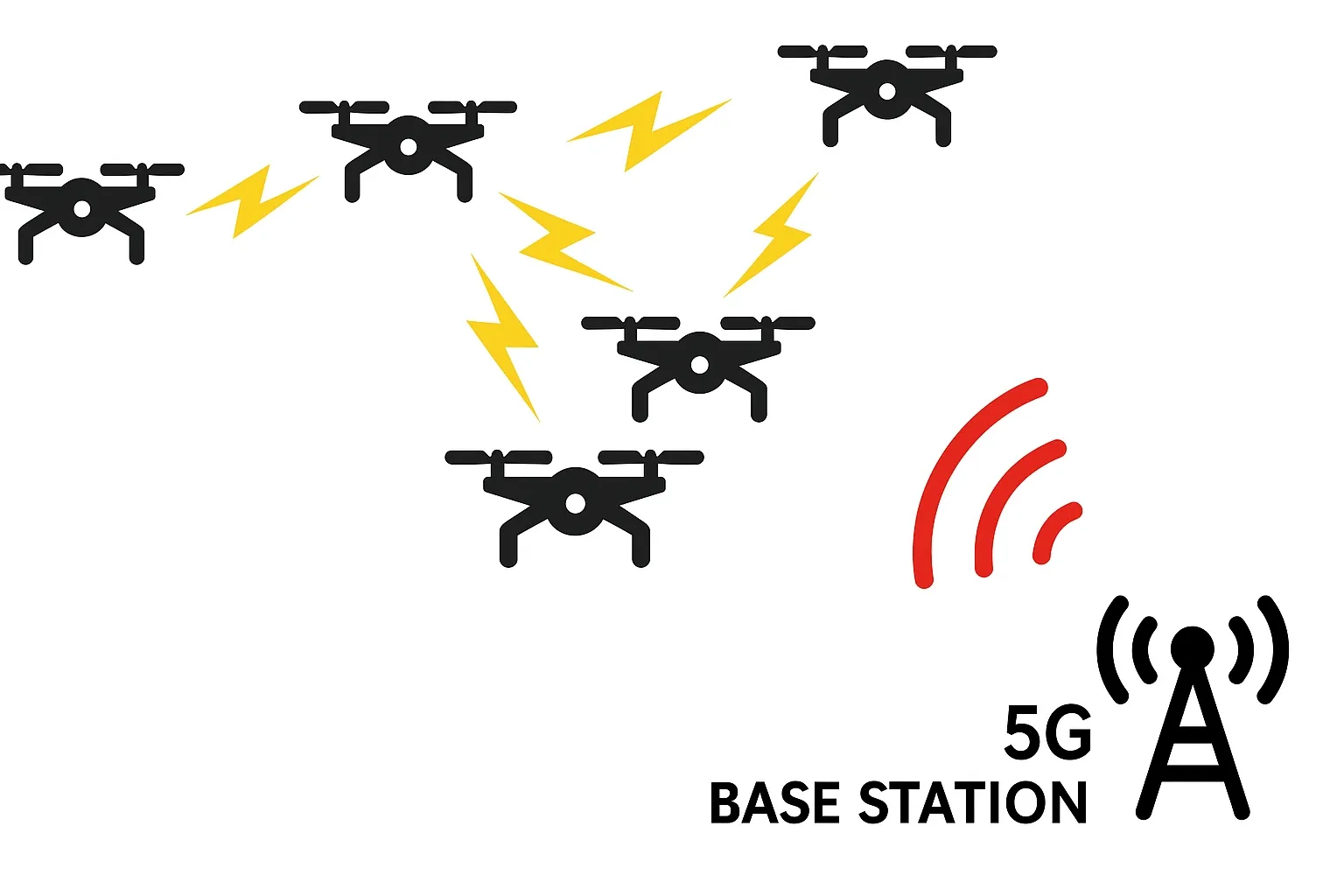 D2D communication
In summary, 5G's combination of high bandwidth, low latency, high positioning accuracy, wide airspace coverage, and enhanced security helps address current drone limitations and unlocks new application scenarios and user needs.
5G Drone Application Scenarios
Below are representative application scenarios for 5G-enabled drones.
Line Inspection
In China, transmission lines and macro base station sites are often located in remote or mountainous areas. Manual inspection of these assets is costly, risky, time-consuming, and inefficient. Drones enable 360-degree high-definition inspections. With 4K or 8K video, inspectors can review fine details such as instrument readings and indicator lights, while also collecting and archiving data.
Drones can be equipped with different sensor pods as needed, for example high-resolution zoom cameras, infrared cameras, night-vision cameras, and LiDAR, which provide more accurate and comprehensive visual information.
This approach reduces risk, shortens inspection time, improves efficiency, and cuts costs. Under low-latency precise control, special payloads can perform targeted interventions. Pipeline inspection is another growing use case, and the communications industry can use drones for base station inspection and drive-testing network optimization.
Traffic Management and Air-Ground Coordination
Compared with fixed road-side monitoring, 5G drones are more mobile and flexible and can arrive on scene quickly. High-resolution panoramic video transmitted over 5G enables traffic authorities to assess congestion and accidents in real time. Drones can capture 4K photographic evidence of violations such as illegal parking or misuse of emergency lanes. Remote loudspeakers can be used for on-site instructions and warnings, reducing the need for on-site personnel and shortening response time.
Emergency Communications and Rescue
During disasters such as earthquakes, landslides, or floods, ground base stations may be damaged and unable to provide service. Drones carrying communication payloads can provide temporary coverage to ensure communications for rescue operations. They can also provide location information for trapped individuals and stream ultra-high-definition situational video to assist rescue coordination.
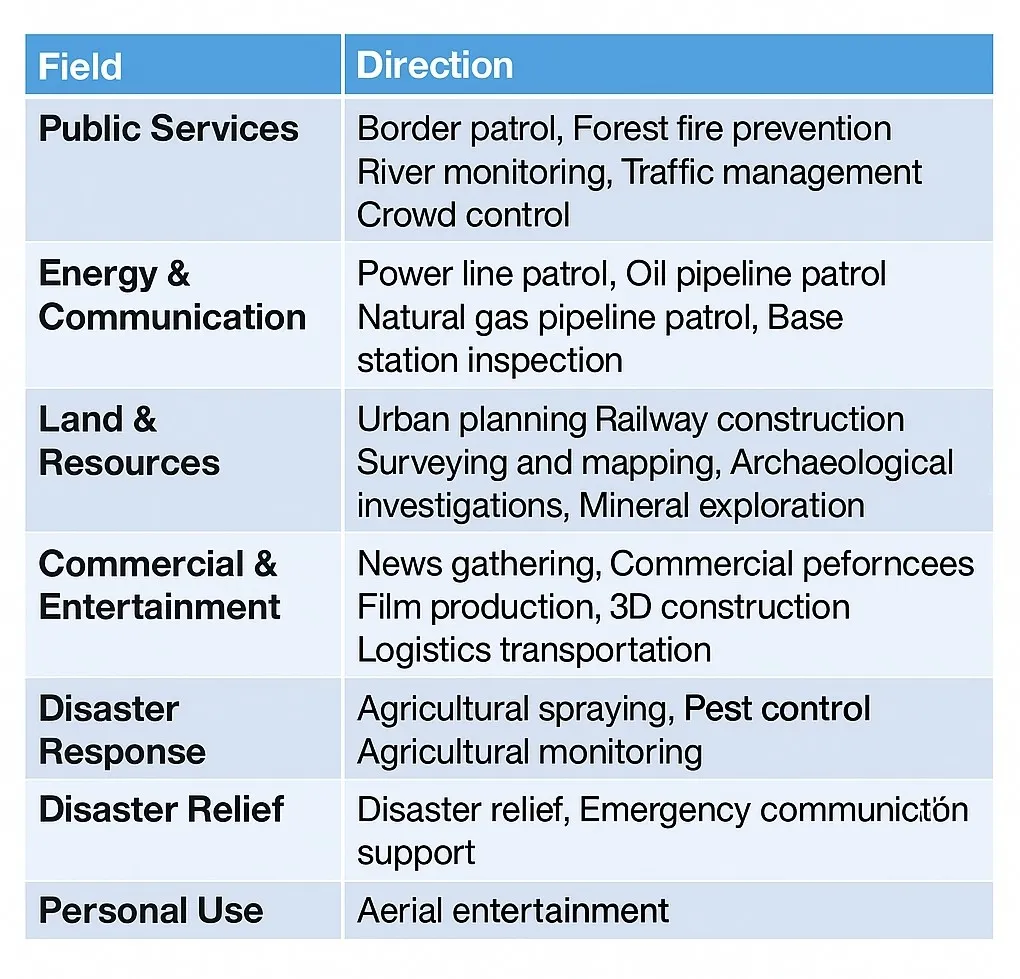
Other application areas include drone logistics, firefighting, and border patrols. Many industries can find intersections with 5G-enabled drone capabilities.
Endurance and Charging
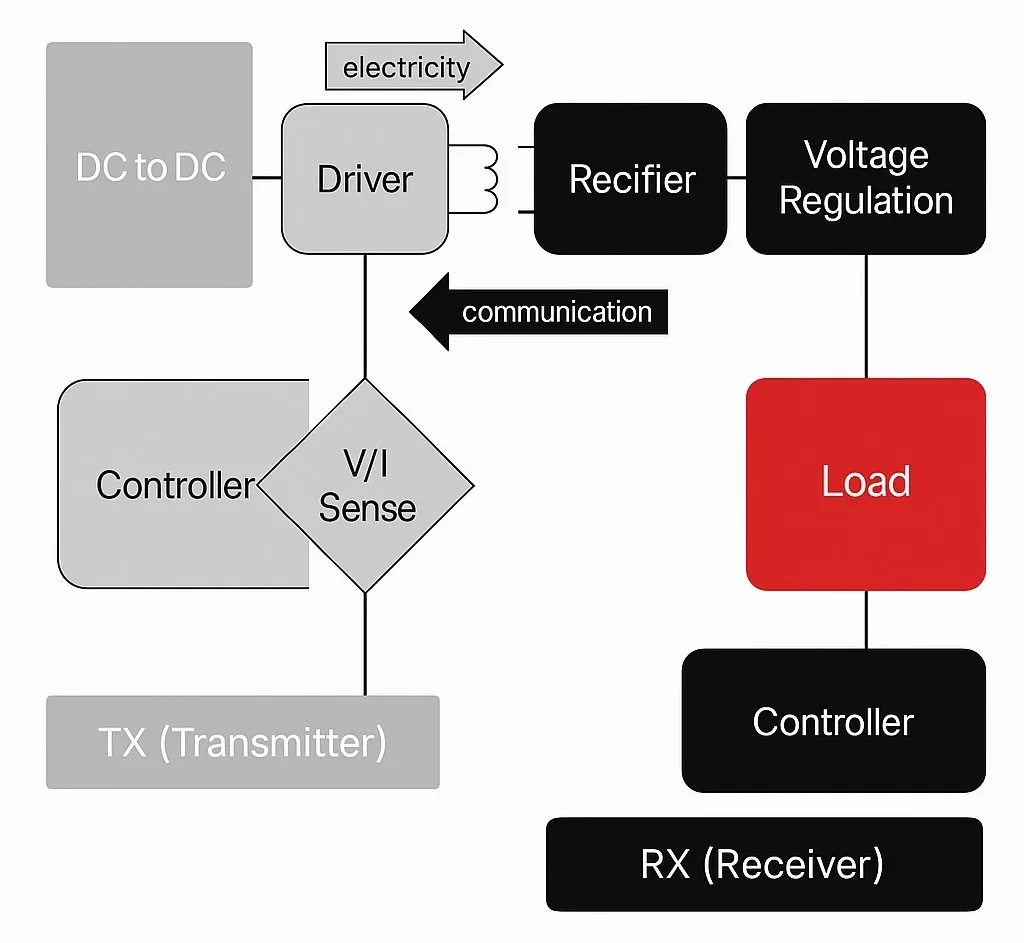
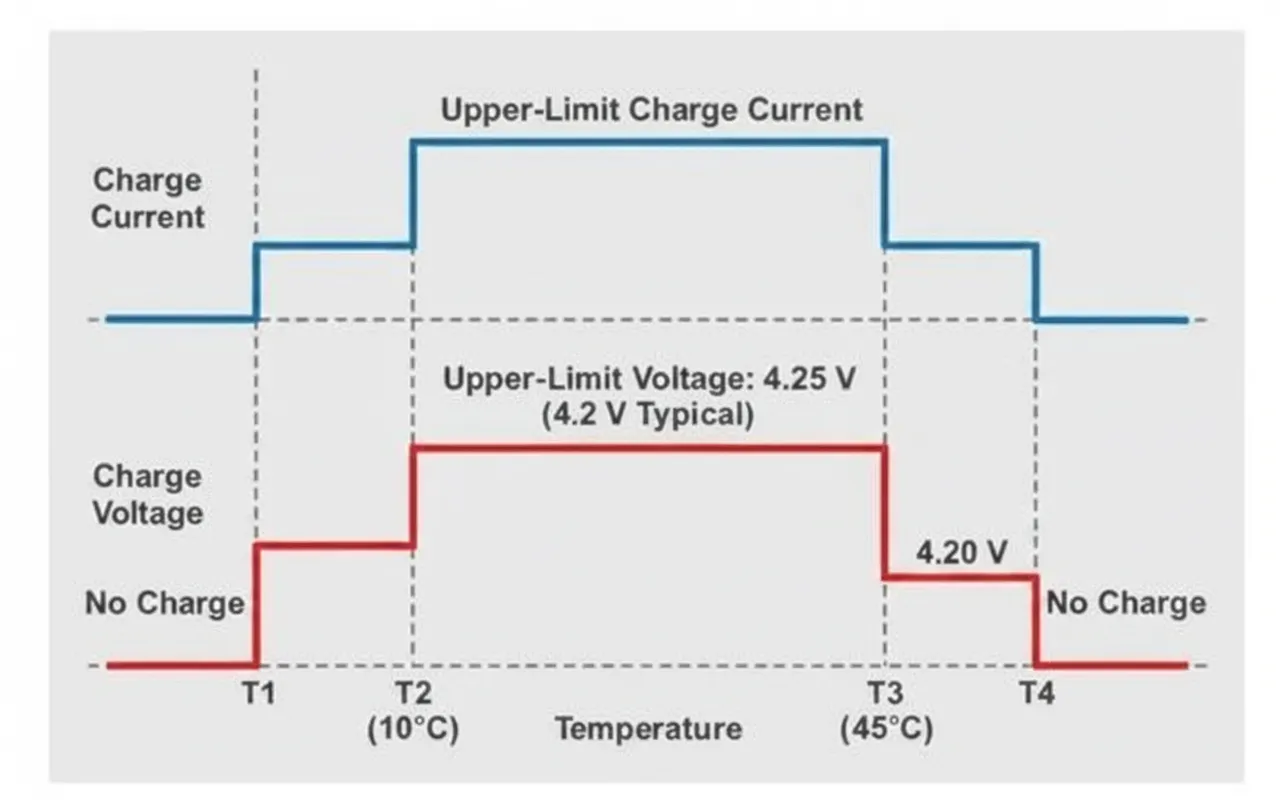
One of the main constraints on drone operations remains battery endurance. Most civilian rotary-wing drones have flight times of about 20 to 30 minutes, which limits operational use. A practical mitigation is wireless charging infrastructure. Drones could land on rooftop charging pads or designated platforms for rapid recharge, eliminating manual battery swaps. In the absence of major breakthroughs in battery chemistry, distributed wireless charging platforms offer an efficient operational model.
Unauthorized Flights
Unauthorized flights refer to operations by unregistered drones or operators without proper certification. Such flights pose public safety risks.
Regulatory authorities currently use various control measures. Networked 5G drones make enforcement more convenient and flexible. Unregistered drones cannot authenticate on the network and therefore cannot access cellular services. During handover between base station cells, network-side analytics can use Doppler shifts, flight trajectories, and other features to identify aerial vehicles and notify management platforms. Ground platforms can more accurately monitor flight parameters such as position, altitude, speed, heading, and battery level, enabling flexible electronic geofencing and no-fly zone enforcement.
Overall, the networked 5G era should reduce unauthorized flights and raise operational safety.
Future Outlook
With 5G, cloud computing, big data, and artificial intelligence, drones will move toward higher degrees of autonomy. Flight control has evolved from remote piloting to sensor-assisted stabilization, to basic autonomous flight and obstacle avoidance. In the future, drones will achieve full autonomous flight, where the flight path and behavior are managed by the drone system, similar to fully autonomous driving in vehicular networks.
Achieving safe autonomous flight requires platform support for shared sensor information, flight-route sharing, environment perception, and intelligent avoidance. 5G can also enable coordinated swarm operations, allowing multiple drones to complete tasks collaboratively with minimal human intervention.
Conclusion
5G-enabled drones are set to become an integral part of the digital airspace. Market forecasts projected strong growth in drone units and industry value, and widespread 5G deployment will likely accelerate this trend. The integration of 5G and drones represents a cross-industry digital transformation that could provide insights for 5G adoption in industrial IoT and other sectors.