ALLPCB


Are you looking for reliable PCB assembly services for your consumer electronics projects? Outsourcing PCB assembly can save time, reduce costs, and ensure high-quality results when done right. In this comprehensive guide, we’ll explore the best outsourcing options, focusing on SMT assembly, PCB manufacturing in China, and turnkey PCB assembly solutions. Whether you’re a startup or an established business, this blog will help you navigate the process of finding a trusted partner for your electronic manufacturing needs.
Why Outsource PCB Assembly for Consumer Electronics?
Outsourcing PCB assembly offers several benefits for companies in the consumer electronics industry. With the fast-paced nature of technology, staying competitive means focusing on innovation rather than getting bogged down in complex manufacturing processes. By partnering with a specialized service provider, you can access advanced equipment, skilled labor, and streamlined processes without the hefty investment of setting up an in-house facility.
Consumer electronics often require intricate designs with tight tolerances. For instance, modern smartphones and wearable devices demand multilayer PCBs with impedance control as low as 50 ohms for high-speed signals. Outsourcing to experts ensures that these precise requirements are met consistently. Additionally, many providers offer scalability, allowing you to start with small prototype runs—sometimes as low as 5 units—and scale up to mass production of 100,000 units or more as needed.
Key Factors to Consider When Choosing PCB Assembly Services
Selecting the right PCB assembly service is critical to the success of your consumer electronics project. Here are the main factors to keep in mind when evaluating potential partners for SMT assembly or turnkey PCB assembly.
1. Expertise in SMT Assembly
Surface Mount Technology (SMT) assembly is the backbone of modern consumer electronics due to its ability to place tiny components on PCBs with high precision. A reliable service provider should have advanced SMT lines capable of handling components as small as 01005 (0.4mm x 0.2mm) and achieving placement accuracy within ±0.01mm. This is crucial for devices like smartwatches or wireless earbuds, where space is limited, and signal integrity is paramount.
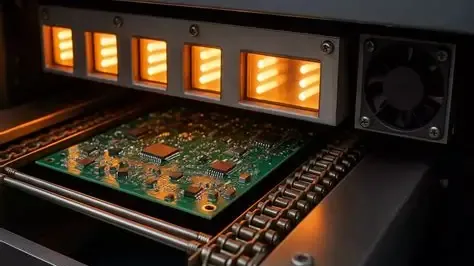
Look for providers with automated pick-and-place machines and reflow soldering equipment to ensure consistent quality. Additionally, check if they offer X-ray inspection to detect hidden defects in BGA (Ball Grid Array) components, which are common in high-density designs.
2. Experience with Consumer Electronics
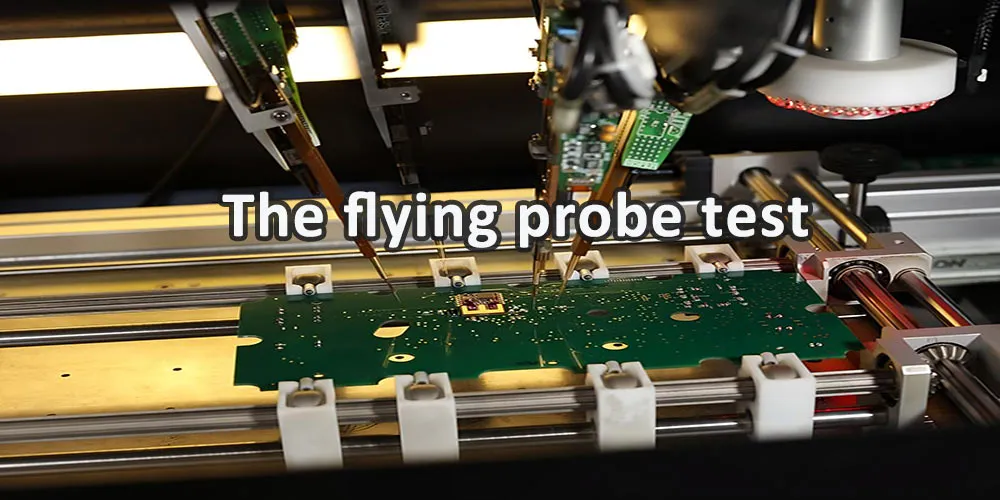
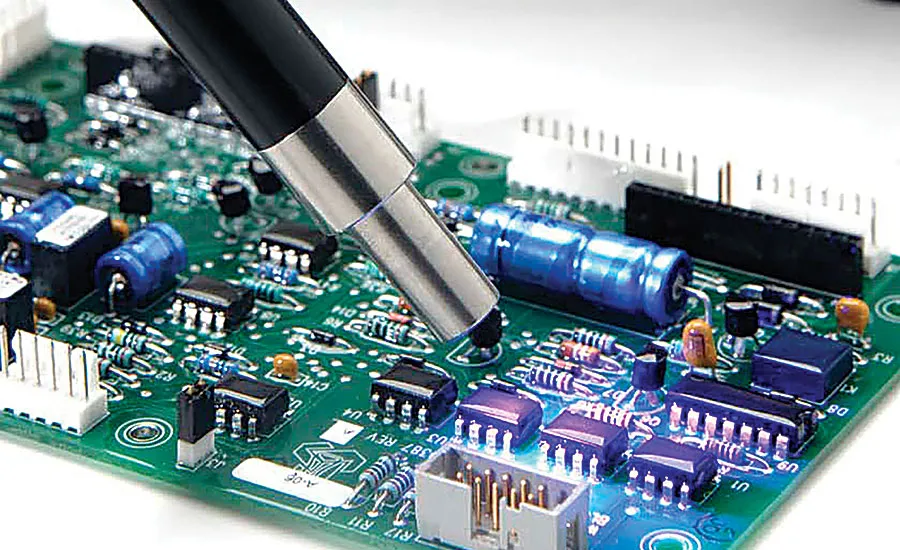
Not all PCB assembly providers are equally equipped to handle the unique demands of consumer electronics. These products often require high reliability under varied conditions, such as temperature ranges from -20°C to 85°C for outdoor devices. A provider with a proven track record in this sector will understand the importance of rigorous testing, including Automated Optical Inspection (AOI) and In-Circuit Testing (ICT), to ensure functionality before shipping.
3. Quality Certifications and Standards
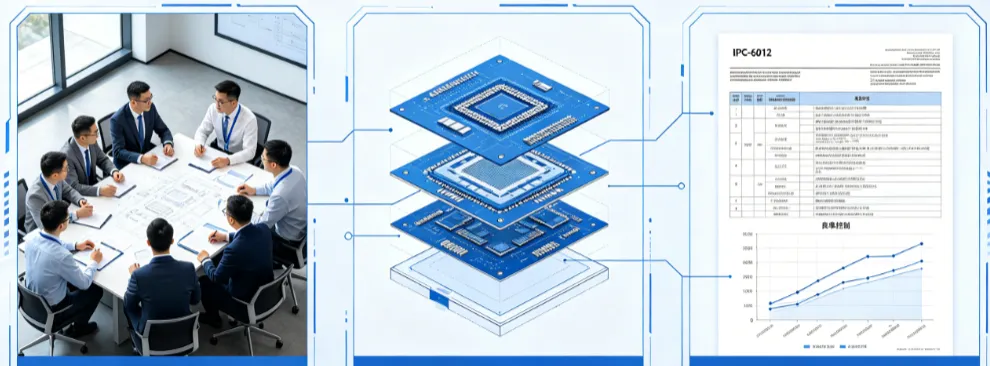
Quality assurance is non-negotiable when outsourcing PCB assembly. Seek partners that adhere to international standards like ISO 9001 for quality management and IPC-A-610 for acceptability of electronic assemblies. These certifications indicate a commitment to maintaining high standards in manufacturing processes. For consumer electronics destined for global markets, compliance with RoHS (Restriction of Hazardous Substances) is also essential to meet environmental regulations.
4. Turnkey PCB Assembly Capabilities
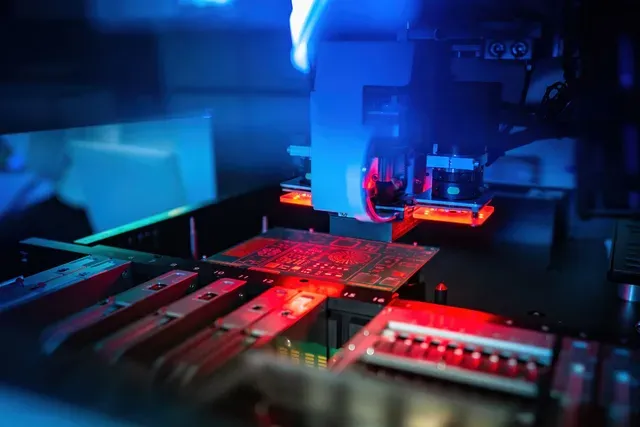
Turnkey PCB assembly services provide a one-stop solution, covering everything from PCB fabrication to component sourcing and final assembly. This approach is ideal for consumer electronics companies looking to simplify their supply chain. With turnkey services, you can avoid the hassle of coordinating with multiple vendors, reducing lead times by as much as 30% in some cases.
A good turnkey provider will also offer Design for Manufacturability (DFM) feedback, helping to optimize your PCB layout for production efficiency. For example, they might suggest adjustments to trace widths (e.g., from 6 mils to 8 mils) to improve yield rates during manufacturing.
Why Consider PCB Manufacturing in China?
China has become a global hub for PCB manufacturing and assembly, offering a compelling mix of cost-effectiveness, expertise, and scalability. Here’s why outsourcing to this region, particularly for consumer electronics, makes sense.
1. Cost Efficiency
One of the biggest advantages of PCB manufacturing in China is the lower production cost. Labor and material costs are often 20-40% less compared to Western countries, without compromising on quality. For high-volume consumer electronics projects, this cost saving can significantly boost profit margins. Even for prototypes, you can often get a batch of 10 PCBs for under $50, including shipping.
2. Advanced Infrastructure
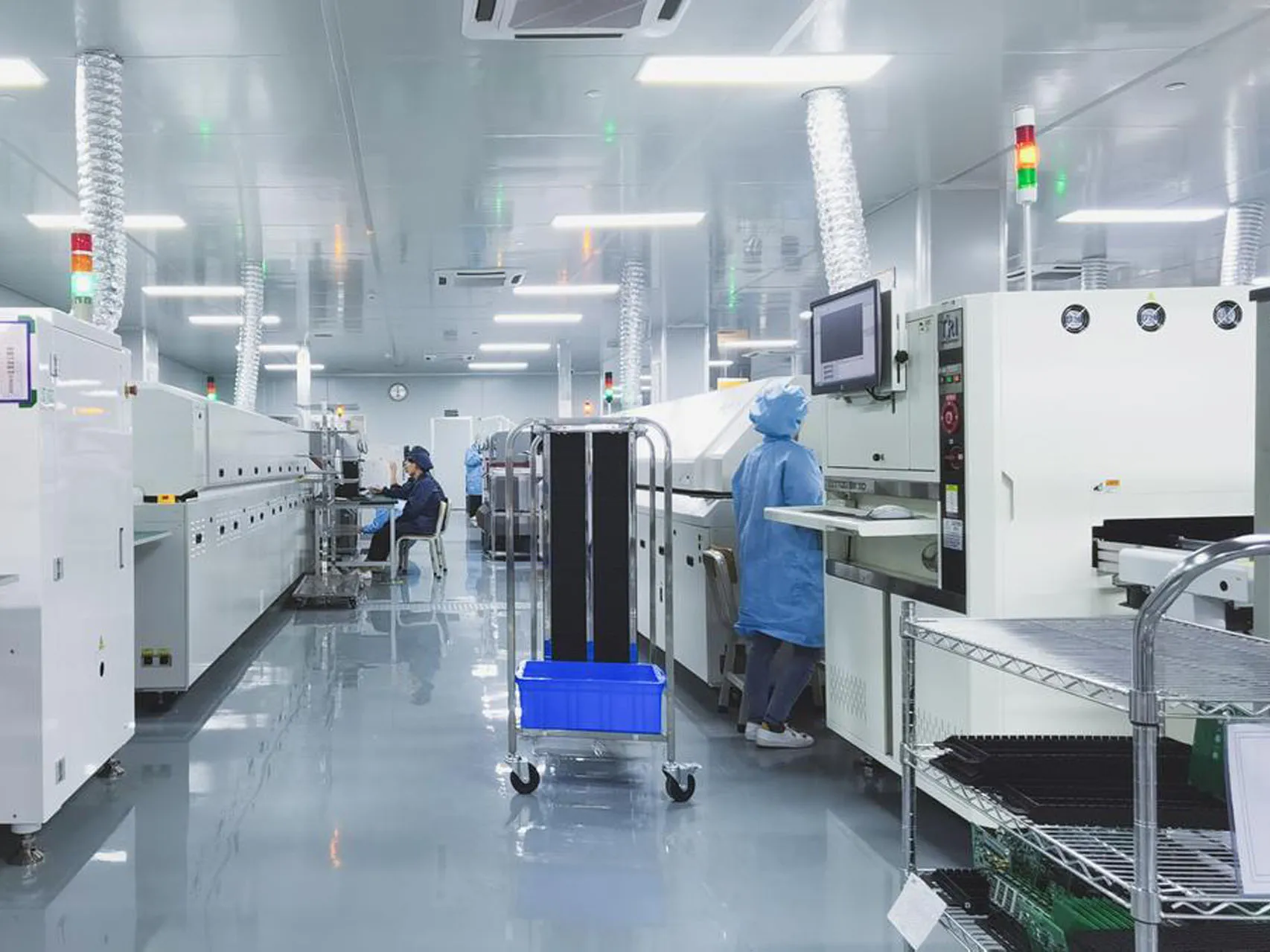
China’s PCB industry is supported by state-of-the-art facilities and a robust supply chain. Many manufacturers have invested in high-speed SMT lines capable of producing over 100,000 boards per month. They also have access to a vast network of component suppliers, ensuring quick turnaround times—sometimes as fast as 48 hours for simple designs.
3. Scalability for Mass Production
Consumer electronics often transition from small-batch prototyping to large-scale production. Manufacturers in China are well-equipped to handle this shift, offering flexible order quantities from 10 to 1 million units. This scalability is critical for products like fitness trackers or smart home devices, where demand can spike unexpectedly.
Types of Outsourcing Options for PCB Assembly
When outsourcing PCB assembly services, you’ll encounter different service models. Understanding these options will help you choose the best fit for your consumer electronics project.
1. Full Turnkey PCB Assembly
As mentioned earlier, full turnkey services manage the entire process, from PCB fabrication to final testing. This is ideal for companies with limited resources or those new to electronics manufacturing. With full turnkey, you provide the design files, and the provider handles the rest, often delivering finished products within 2-4 weeks for standard projects.
2. Partial Turnkey Assembly
In a partial turnkey model, you supply some components or materials, while the provider handles the rest. This option works well if you have access to specific parts or want more control over costs. For instance, if your design uses a specialized microcontroller with a long lead time, you might source it yourself and let the assembler manage the remaining standard components.
3. Consigned Assembly
Consigned assembly involves providing all components to the assembler, who then focuses solely on the assembly process. While this gives you maximum control over part quality, it requires more effort on your part to manage procurement and logistics. It’s often used by companies with established supply chains for critical consumer electronics components.
How to Evaluate Reliability in PCB Assembly Services
Reliability is the cornerstone of a successful outsourcing partnership. A single defect in a consumer electronics PCB can lead to costly recalls or damage to your brand reputation. Here are steps to ensure you’re working with a dependable provider.
1. Review Past Projects and Client Feedback
Look for case studies or testimonials from other consumer electronics companies. A provider with experience in similar projects—say, assembling PCBs for IoT devices with 5G connectivity—will likely understand your needs better. Check if they’ve consistently met delivery deadlines and quality benchmarks, such as a defect rate below 0.1%.
2. Assess Communication and Support
Effective communication is vital, especially when outsourcing to a different country. Ensure the provider offers dedicated support, ideally with English-speaking staff, to address issues promptly. For time-sensitive projects, a 24/7 response team can make a big difference in resolving unexpected delays.
3. Request Prototypes and Samples
Before committing to large orders, request prototype runs to evaluate the provider’s capabilities. Test the assembled PCBs for signal integrity, thermal performance, and overall build quality. For example, verify that high-speed signals maintain integrity at frequencies up to 2.5 GHz if your design requires it. This hands-on approach helps identify potential issues early.
Challenges of Outsourcing PCB Assembly and How to Overcome Them
While outsourcing offers many advantages, it’s not without challenges. Being aware of these pitfalls and knowing how to address them can ensure a smoother experience.
1. Intellectual Property Concerns
Sharing design files with an overseas partner can raise concerns about IP protection. To mitigate this, choose a provider with a strong reputation for confidentiality and sign a Non-Disclosure Agreement (NDA). Additionally, consider splitting sensitive designs across multiple vendors if feasible.
2. Lead Time Variability
Delays in component sourcing or shipping can impact project timelines. To avoid this, work with a provider that offers transparent tracking and maintains buffer stock for common components. For critical consumer electronics launches, build an extra 1-2 weeks into your schedule as a precaution.
3. Quality Inconsistencies
Inconsistent quality can derail even the best-planned projects. Insist on detailed quality reports, including failure analysis if defects occur. Partner with providers that offer 100% testing for critical assemblies, ensuring that every board meets your specifications before leaving the factory.
Conclusion: Partnering for Success in Consumer Electronics
Finding reliable PCB assembly services for consumer electronics doesn’t have to be daunting. By focusing on expertise in SMT assembly, leveraging the cost and scalability benefits of PCB manufacturing in China, and opting for turnkey PCB assembly when needed, you can streamline your production process. Evaluate potential partners based on their experience, quality standards, and communication to ensure a seamless collaboration.
At ALLPCB, we’re committed to providing top-tier PCB assembly solutions tailored to the unique demands of consumer electronics. With advanced facilities and a customer-first approach, we help bring your innovative designs to life efficiently and reliably. Start your next project with confidence by choosing a trusted partner for all your manufacturing needs.