ALLPCB


Introduction
Demand for personalized health monitoring, remote disease management, and real-time physiological data collection has increased in recent years, driving rapid advances in wearable and implantable bioelectronics. Advanced fabrication strategies enable controlled preparation of novel materials and complex structures. As an additive manufacturing technique, 3D printing offers new possibilities for the next generation of bioelectronic devices.
Scope of the Review
To present current progress in 3D-printed bioelectronics, the research group led by Wei Gao at the California Institute of Technology focused on direct-ink-writing 3D printing. The review concentrated on rapidly iterating methods, materials, and applications within this domain and summarized a range of devices produced by 3D printing, including wearable bio sensors (focusing on acquisition of physical signals, chemical signals, and electrophysiological signals), wearable energy devices (energy harvesters and energy storage), multimodal integrated microsystems, implantable electronic devices (physiological signal monitoring and controllable electrical stimulation), and soft robotics. The review also discussed challenges and prospects for direct-ink-writing 3D-printed bioelectronics in personalized healthcare.
The review, titled "Direct-ink-writing 3D-printed bioelectronics," was published in Materials Today. The first authors are postdoctoral researchers Roland Tay and Yu Song, and the corresponding author is Wei Gao, Assistant Professor of Medical Engineering at the California Institute of Technology.
Overview
The figures below summarize key aspects of direct-ink-writing 3D printing for bioelectronics, functional materials used, and representative wearable and implantable systems.
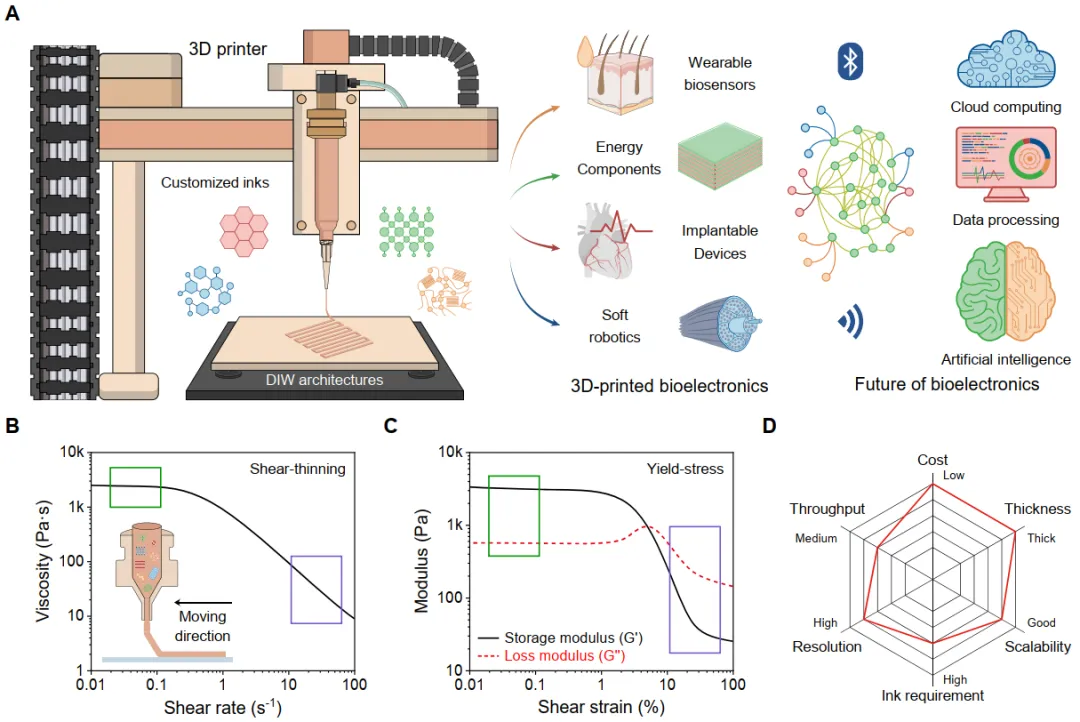
Figure 1. Overview of direct-ink-writing 3D printing
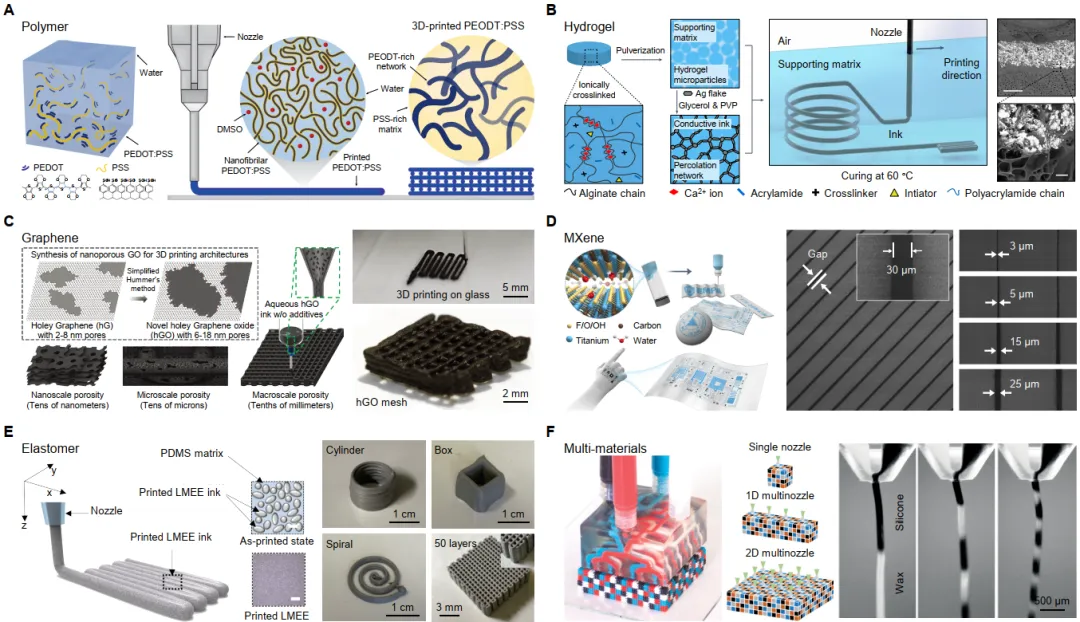
Figure 2. Functional materials for direct-ink-writing 3D printing
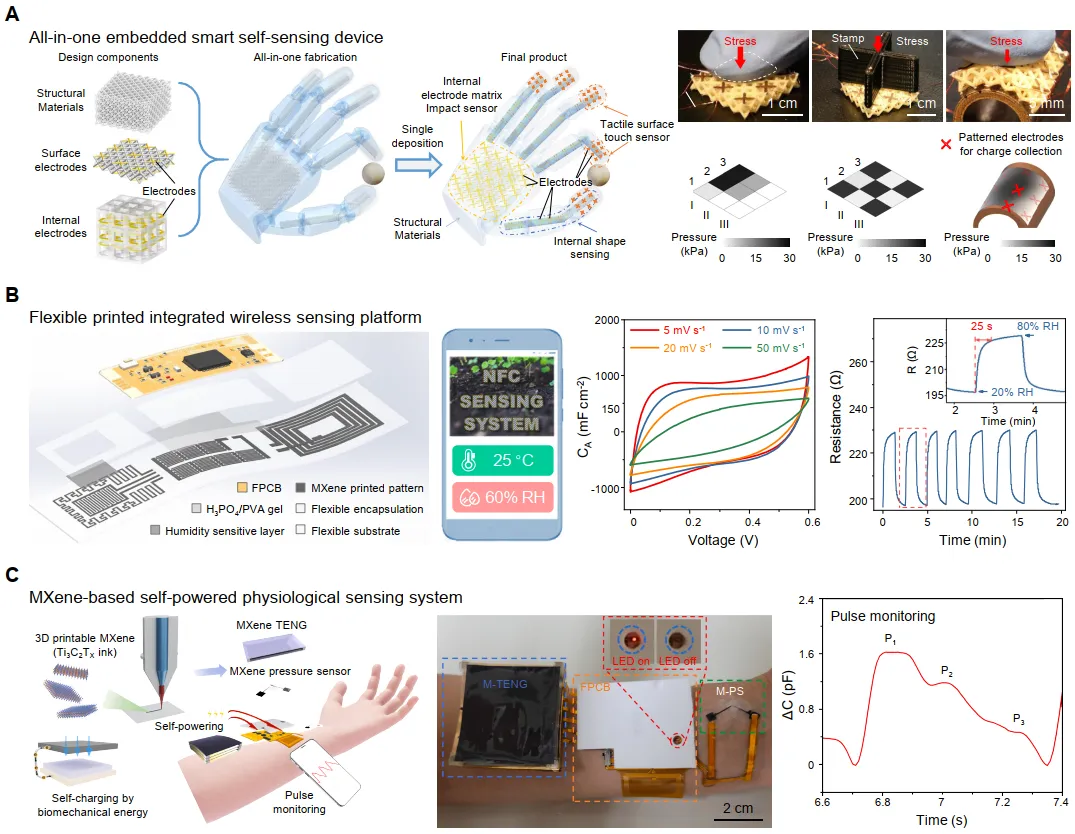
Figure 3. Wearable multimodal 3D-printed bioelectronic systems
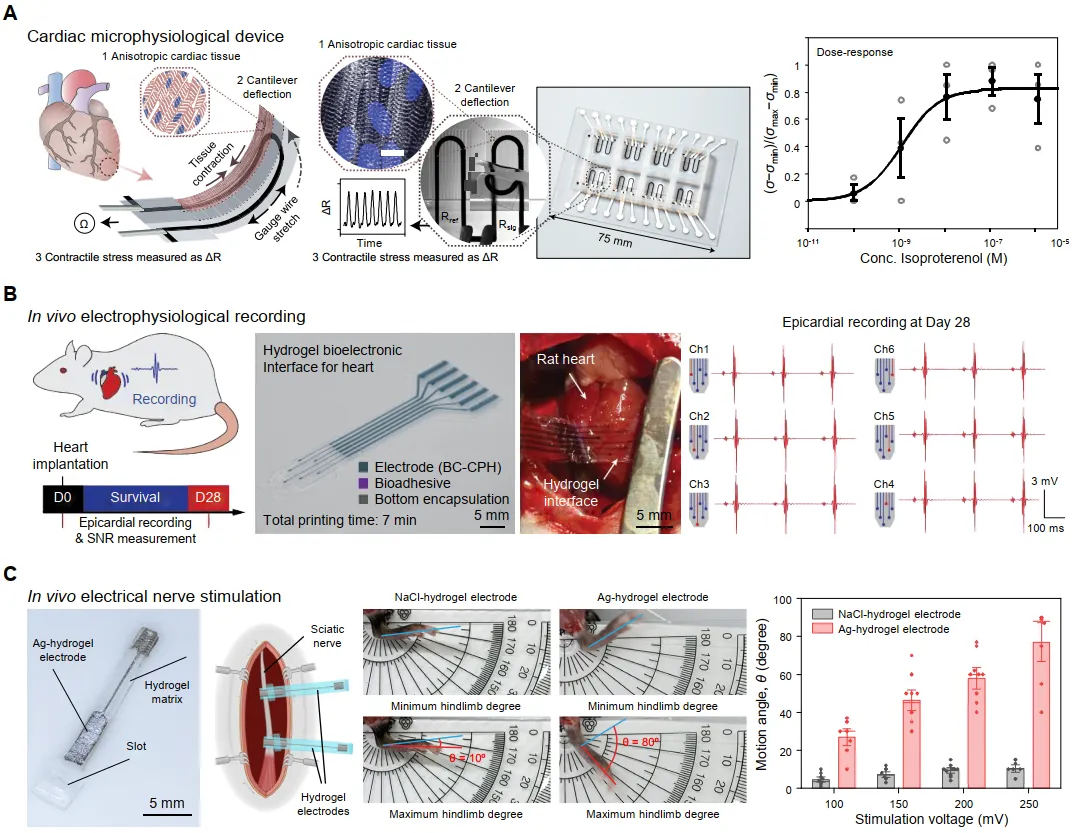
Figure 4. Implantable 3D-printed bioelectronic devices
Challenges and Future Directions
The next stage of development is expected to focus on building system-level, fully compatible 3D-printed integrated platforms. Achieving this will require further simplification of fabrication workflows to integrate more device functions and to enable scalable manufacturing. On one hand, research must advance customized multifunctional ink formulations to support scalable design architectures and improve material compatibility across preprint and postprint processing. On the other hand, reproducibility of 3D-printed bioelectronics must be ensured to meet translational and clinical requirements, which depends on consistency and stability in the preparation and storage of customized inks.
3D printing presents promising opportunities in biomedical engineering by expanding device capabilities through novel ink chemistries and by using high-precision, multi-nozzle printing to construct complex multimodal integrated systems. Ultimately, skin-interfaced wearable biosensors with high sensitivity for physicochemical analytes could enable continuous, noninvasive monitoring of biomarkers. Combined with wearable energy harvesting and storage modules, such systems could provide long-term stable operation. Integrating collected data with machine learning and data analysis algorithms may enable personalized health predictions and more accurate remote medical interventions.