 ALLPCB


Introduction
Printed circuit boards serve as the foundation for countless electronic projects, and the solder mask layer plays a vital role in protecting copper traces while defining the board's final appearance. Among the available colors, red stands out for its bold visual impact. Hobbyists often explore red solder mask options when building custom devices that will remain visible after assembly. This choice goes beyond simple preference and involves practical considerations related to aesthetics, inspection needs, and manufacturing compatibility. Understanding when red delivers real advantages helps designers make informed decisions that align with project goals.
What Is a Red Solder Mask and Why It Matters
A solder mask is a thin polymer coating applied over the copper circuitry of a printed circuit board to prevent solder bridging, oxidation, and environmental damage during assembly and operation. Red solder mask uses specific pigments to achieve its distinctive hue while maintaining the same base material properties as more common colors. For electronic hobbyists, this color choice matters most in projects where the board becomes part of the final product appearance, such as custom audio equipment, gaming peripherals, or educational demonstration units. The decision influences both the visual identity of the finished device and the ease of visual quality checks during assembly. Industry standards such as IPC-A-600K guide the acceptability criteria for solder mask application regardless of color, ensuring consistent performance across different pigment choices.
Technical Principles of Solder Mask Color Selection
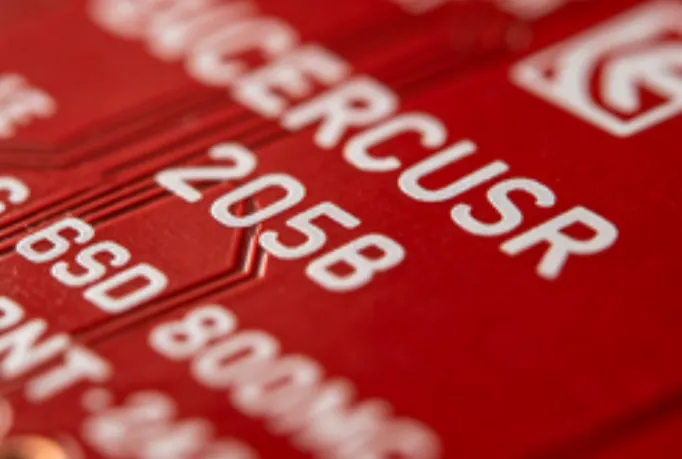
Solder mask color results from added pigments mixed into the base resin before application, yet these additives do not alter the electrical insulation, thermal stability, or adhesion characteristics of the coating. The curing process, typically involving ultraviolet light exposure followed by thermal baking, proceeds identically for red and other colors when following established process controls. Red pigments can provide slightly higher contrast against common component colors and white silkscreen markings, which aids manual inspection of solder joints and trace integrity. According to IPC-6012E, qualification testing for rigid printed boards evaluates solder mask performance through criteria such as adhesion, insulation resistance, and resistance to solvents, with no color-specific exceptions listed.
Red Solder Mask Applications and Benefits
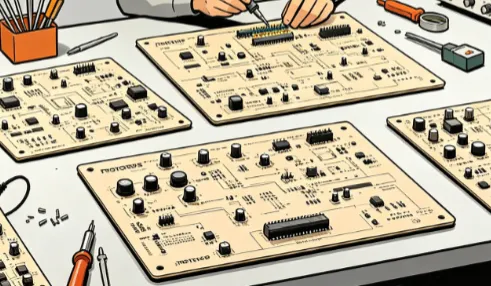
Red solder mask finds frequent use in hobbyist projects that emphasize visual appeal, including retro-style computing builds, custom guitar effects pedals, and open-frame robotics platforms. The color creates a striking contrast that highlights the board's layout and makes the finished assembly stand out in displays or transparent enclosures. One key benefit lies in improved visibility of dust or residue during cleaning stages, which supports better long-term reliability in enclosed or dusty environments. Red also pairs effectively with white or yellow silkscreen for clear labeling of test points and component references. In applications where the board remains partially exposed, such as desktop test fixtures or modular synthesizer modules, the red finish contributes to a professional, finished look without requiring additional enclosures or covers. These advantages make red a practical selection when aesthetics form part of the design requirements.
Red Solder Mask Design Guide for Hobbyists
When planning a board with red solder mask, designers should verify that their chosen fabrication service supports the color and confirm any minimum order quantities or lead-time differences compared with standard green. Silkscreen color selection deserves careful attention because white ink offers excellent readability on red backgrounds, while black ink may reduce contrast in certain lighting conditions. Trace and via placement near board edges requires extra clearance to accommodate the slightly thicker buildup sometimes associated with specialty colors during the coating process. Thermal relief patterns and copper pour strategies remain unchanged, as color does not influence heat dissipation characteristics. Hobbyists can use standard design rule checks to ensure compliance with IPC-A-600K visual acceptance criteria for mask coverage and registration. Testing a small prototype run before committing to larger quantities allows verification of both electrical performance and visual results under actual operating conditions.
Conclusion
Choosing a red solder mask becomes worthwhile when visual distinction and inspection contrast add meaningful value to a hobbyist project. The color maintains full compliance with established performance standards while offering aesthetic flexibility that standard green boards cannot match. Careful attention to silkscreen pairing and fabrication capabilities ensures successful results without introducing unexpected process complications.

FAQs
Q1: Does the color of solder mask affect electrical performance or reliability?
A1: No, pigment choice does not change the insulation resistance, adhesion, or thermal properties of the solder mask layer. Standards such as IPC-6012E evaluate these characteristics uniformly across colors, so red solder mask delivers equivalent protection and longevity when applied correctly.
Q2: What are the main benefits of selecting red solder mask for custom projects?
A2: Red solder mask provides strong visual appeal for exposed boards and improves contrast for manual inspection and labeling. Hobbyists often choose it for devices where the board forms part of the visible design, enhancing both aesthetics and ease of quality verification during assembly.
Q3: How does red solder mask influence silkscreen and component visibility?
A3: White silkscreen markings stand out clearly against red backgrounds, improving readability of reference designators and test points. This contrast supports faster troubleshooting and assembly checks compared with lower-contrast color combinations.
Q4: Are there any special design considerations when using red solder mask?
A4: Designers should confirm color availability with their fabricator and select silkscreen colors that maintain good contrast. Standard spacing rules and clearance requirements remain the same, with no additional adjustments needed for electrical or thermal performance.
References
IPC-A-600K — Acceptability of Printed Boards. IPC, 2020
IPC-6012E — Qualification and Performance Specification for Rigid Printed Boards. IPC, 2017





