 ALLPCB


If you're looking to reduce Rigid Flex PCB costs, you're in the right place. The key lies in optimizing design choices, material selection, and manufacturing processes. By minimizing the number of layers, using cost-effective materials, and designing for manufacturability, you can significantly cut expenses without sacrificing quality. In this comprehensive guide, we'll dive deep into actionable strategies to lower costs for Rigid-flex PCBs while ensuring efficient material utilization. Let’s explore how you can save money and streamline production.
What Are Rigid-Flex PCBs and Why Are They Expensive?
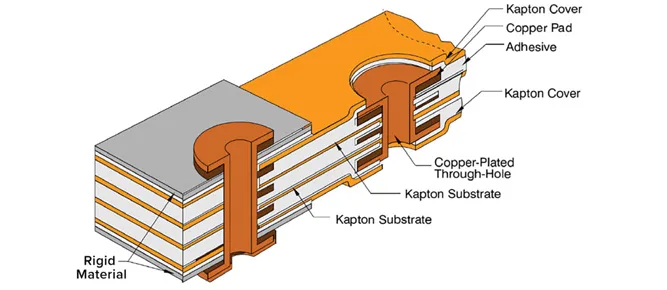
Rigid-flex PCBs combine the benefits of rigid and flexible circuit boards into a single unit. They are widely used in industries like aerospace, medical devices, and consumer electronics due to their ability to fit into compact spaces, reduce weight, and improve reliability. However, their unique construction often comes with a higher price tag compared to traditional rigid boards.
The cost of Rigid-flex PCBs is driven by several factors, including the complexity of the design, the materials used, and the specialized manufacturing processes required. Flexible materials, such as polyimide, are more expensive than standard rigid laminates like FR4. Additionally, the hybrid nature of these boards often demands precise engineering and multiple fabrication steps, which can increase labor and production costs.
Understanding these cost drivers is the first step to reducing expenses. In the sections below, we’ll break down specific strategies to optimize your design and material choices for cost savings.
Key Strategies to Reduce Rigid Flex PCB Costs
Lowering the cost of Rigid-flex PCBs requires a balance between design efficiency, material selection, and manufacturing considerations. Below are proven strategies to help you achieve significant savings.
1. Simplify the Design by Reducing Layer Count
One of the most effective ways to cut costs is to reduce the number of layers in your Rigid-flex PCB design. Each additional layer requires more materials, such as prepreg for bonding, and increases manufacturing complexity. Fewer layers not only lower material costs but also improve production yields, as simpler designs are easier to fabricate with fewer errors.
For example, if your design can function with 4 layers instead of 6, you could save up to 20-30% on material and fabrication costs, depending on the board's size and complexity. Always evaluate whether each layer is necessary for signal integrity or component placement. Work closely with your design team to eliminate unnecessary layers while maintaining functionality.
2. Optimize Material Selection for Cost Efficiency
Material choice plays a huge role in the overall cost of Rigid-flex PCBs. Flexible laminates, like polyimide, are often pricier than rigid materials such as FR4. To reduce expenses, consider using a hybrid approach where only the flexible sections use high-cost materials, while the rigid areas utilize more affordable options.
Another tip is to select adhesive-less materials for the flexible layers when possible. These materials can reduce thickness and improve reliability, potentially lowering costs by minimizing additional bonding layers. Always consult with your manufacturer to identify material combinations that balance cost and performance for your specific application.
3. Design for Manufacturability (DFM)
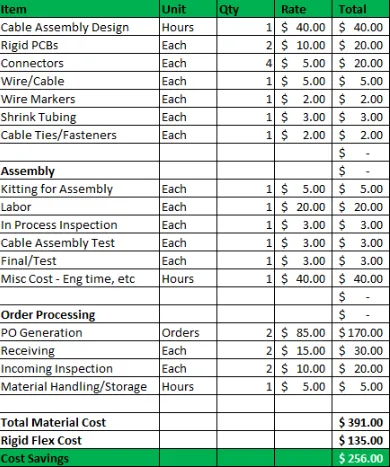
Designing with manufacturability in mind can drastically reduce production costs. Complex designs with tight tolerances or intricate bend requirements can lead to higher scrap rates and longer production times. Follow these DFM tips to optimize your Rigid-flex PCB design:
- Avoid Tight Bend Radii: Sharp bends in the flexible sections can stress the material and lead to failures. Aim for a bend radius of at least 10 times the thickness of the flexible layer to ensure reliability and reduce manufacturing challenges.
- Use Larger Annular Rings: Larger rings around vias provide more room for error during drilling, reducing the risk of defects and lowering costs associated with rework.
- Incorporate Teardrop Vias: These vias strengthen the connection between traces and pads, improving durability in flexible areas and minimizing production issues.
By adhering to DFM principles, you can streamline the fabrication process and avoid costly delays or redesigns.
4. Limit the Use of Flexible Layers
Since flexible materials are more expensive than rigid ones, limiting the number of flexible layers in your design can lead to substantial savings. For instance, if your application only requires flexibility in specific areas, restrict the flexible laminate to those sections and use rigid materials elsewhere. This hybrid approach reduces the overall amount of costly material needed.
In a typical design, reducing flexible layers from 3 to 1 could cut material costs by up to 15-25%, depending on the board's layout. Analyze your project requirements to determine where flexibility is essential and where rigid sections can suffice.
5. Maximize Panel Utilization for Material Efficiency
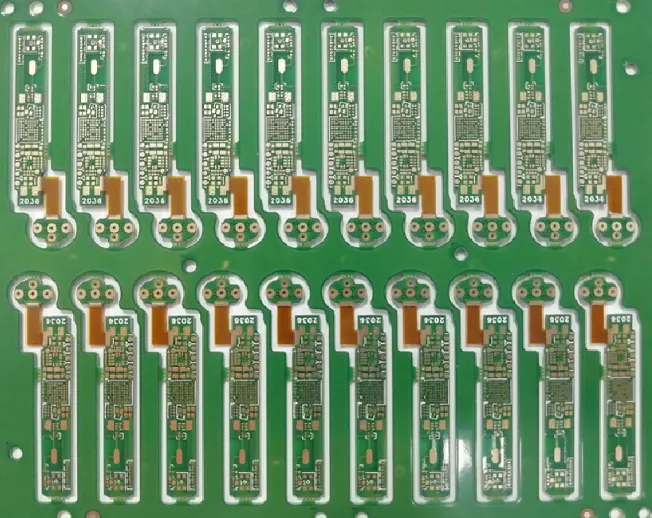
Efficient material utilization is critical for cost reduction in Rigid-flex PCB production. During manufacturing, PCBs are often produced on large panels, and poor layout planning can result in wasted material. Work with your manufacturer to optimize the panel layout, fitting as many boards as possible into a single panel without compromising quality.
For example, aligning boards to minimize unused space can increase panel yield by 10-20%, directly reducing material costs. Additionally, consider standardizing board sizes to match common panel dimensions, further improving efficiency.
6. Choose the Right Surface Finish
The surface finish on a Rigid-flex PCB affects both cost and performance. Options like ENIG (Electroless Nickel Immersion Gold) provide excellent corrosion resistance and solderability but come at a higher price. If your application doesn’t require such premium finishes, consider more cost-effective alternatives like HASL (Hot Air Solder Leveling), which can save up to 10-15% on finishing costs.
Evaluate the environmental and operational needs of your product before selecting a finish. For less demanding applications, a budget-friendly option may be just as effective.
7. Partner with an Experienced Manufacturer
Working with a skilled manufacturer can make a significant difference in reducing Rigid-flex PCB costs. Experienced providers can offer valuable insights into cost-saving design tweaks, material alternatives, and production efficiencies. They can also help identify potential issues early in the design phase, preventing expensive mistakes down the line.
Look for a manufacturer with a strong track record in Rigid-flex PCB production and a willingness to collaborate on cost optimization. Their expertise can help you achieve the best balance between quality and affordability.
Additional Tips for Material Utilization in Rigid-Flex PCBs
Beyond design and manufacturing strategies, focusing on material utilization can further drive down costs. Here are a few additional tips to maximize efficiency:
- Reuse Scrap Material When Possible: If your design produces scrap material during cutting or routing, explore ways to repurpose it for smaller components or test boards, reducing waste.
- Standardize Material Thickness: Using consistent material thicknesses across your design simplifies procurement and reduces the need for custom orders, which can be more expensive.
- Plan for Scalability: Design with future production runs in mind. Creating a layout that can be easily scaled for larger volumes can help negotiate better material pricing with suppliers.
By prioritizing material efficiency, you can lower costs while maintaining the high performance of your Rigid-flex PCBs.
Balancing Cost Reduction with Quality
While reducing Rigid Flex PCB costs is important, it’s equally critical to avoid compromising on quality. Cutting corners on materials or design can lead to reliability issues, such as delamination, signal loss, or mechanical failure in the flexible sections. Always ensure that cost-saving measures align with the performance requirements of your application.
For instance, if your product operates in harsh environments, investing in a slightly more expensive material with better thermal or mechanical properties may prevent costly failures in the field. Similarly, maintaining a minimum layer count should not come at the expense of signal integrity—ensure that impedance values (typically in the range of 50-100 ohms for high-speed signals) are preserved through proper trace width and spacing.
Conduct thorough testing and validation of your design to confirm that cost reductions don’t impact functionality. Simulations and prototypes can help identify potential issues before full-scale production, saving time and money in the long run.
Conclusion: Take Control of Rigid Flex PCB Costs
Reducing Rigid Flex PCB costs is achievable with the right approach. By simplifying your design, optimizing material selection, and focusing on manufacturability, you can significantly lower expenses without sacrificing quality. Efficient material utilization, such as maximizing panel layouts and limiting flexible layers, further enhances cost savings. Partnering with an experienced manufacturer ensures that you benefit from expert guidance throughout the process.
Implementing these strategies will not only help you manage costs but also improve the overall efficiency of your Rigid-flex PCB projects. Whether you’re working on a small prototype or a large-scale production run, these tips provide a solid foundation for cost-effective design and manufacturing. Start applying these principles today to see immediate benefits in your next project.





