ALLPCB


In the fast-paced world of cryptocurrency mining, high-power mining rigs are essential for maximizing performance and profitability. However, with great power comes great heat, and overheating can damage components, reduce efficiency, and shorten the lifespan of your equipment. This is where advanced PCB cooling techniques come into play. If you're searching for effective PCB cooling solutions for mining, you're in the right place. In this comprehensive guide, we'll explore cutting-edge methods to manage heat in high-power mining rigs, including heat sink design for PCBs, thermal vias in PCBs, metal core PCBs for mining, and the role of PCB thermal simulation in optimizing designs.
Whether you're a hardware engineer or a mining enthusiast, this blog will provide actionable insights to keep your rigs running cool and efficient. Let's dive into the details of thermal management for printed circuit boards (PCBs) in high-power applications.
Why PCB Cooling is Critical for High-Power Mining Rigs
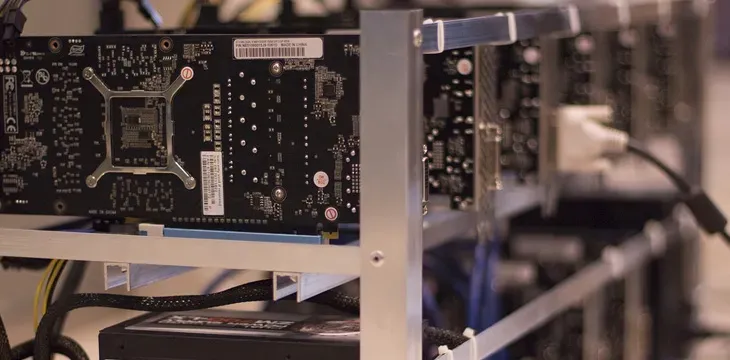
Mining rigs, especially those used for Bitcoin or other cryptocurrencies, rely on powerful GPUs, ASICs, and other components that generate significant heat during operation. A typical high-end mining GPU can produce over 200 watts of thermal energy, and when multiple units are packed into a single rig, temperatures can easily exceed 80°C if not managed properly. Excessive heat leads to thermal throttling, where components reduce performance to avoid damage, or even complete system failure.
Effective PCB cooling solutions are vital to maintain optimal performance, prevent hardware degradation, and ensure energy efficiency. By implementing advanced cooling techniques, you can push your mining rig to its full potential without risking burnout. Let's explore some of the most effective strategies for managing heat in mining hardware.
1. Heat Sink Design for PCBs in Mining Rigs
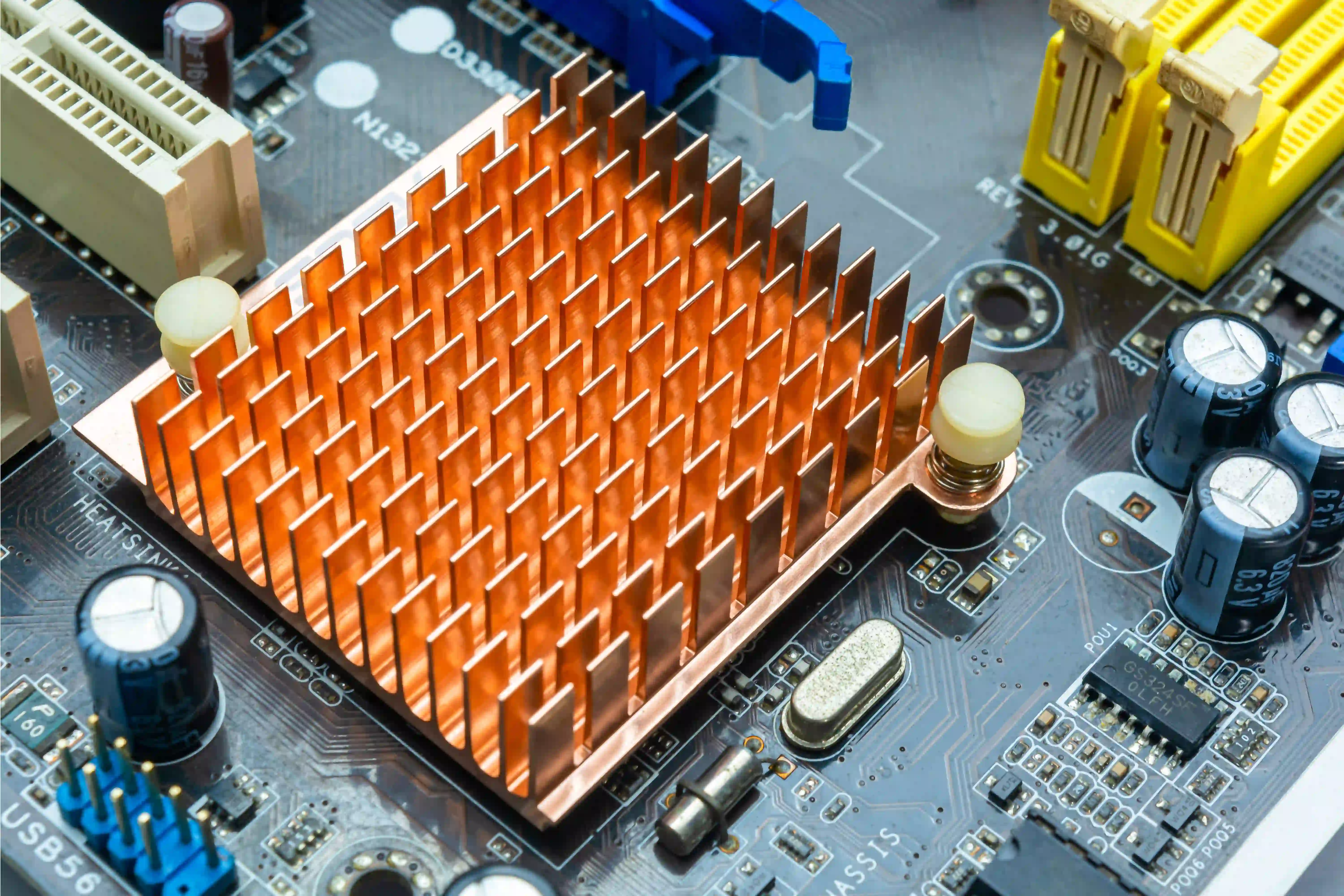
One of the most common and effective methods for cooling PCBs in high-power mining rigs is the use of heat sinks. A heat sink is a passive cooling device that absorbs and dissipates heat from critical components like GPUs or ASICs. When it comes to heat sink design for PCBs, there are several factors to consider for mining applications:
- Material Selection: Aluminum and copper are popular choices due to their high thermal conductivity. Copper heat sinks can transfer heat at a rate of approximately 400 W/m·K, compared to aluminum's 200 W/m·K, making copper ideal for extreme heat dissipation needs in mining rigs.
- Fin Design: Heat sinks with densely packed fins increase surface area for better heat dissipation. For mining rigs, opt for designs with optimized airflow to work in tandem with cooling fans.
- Attachment Methods: Ensure the heat sink is securely mounted to the PCB using thermal paste or pads with a thermal conductivity of at least 5 W/m·K to minimize thermal resistance.
For high-power mining rigs, combining heat sinks with active cooling (like high-speed fans) can significantly lower temperatures, often keeping components below 60°C even under full load. Custom heat sink designs tailored to your specific PCB layout can further enhance performance.
2. Thermal Vias in PCBs for Enhanced Heat Transfer
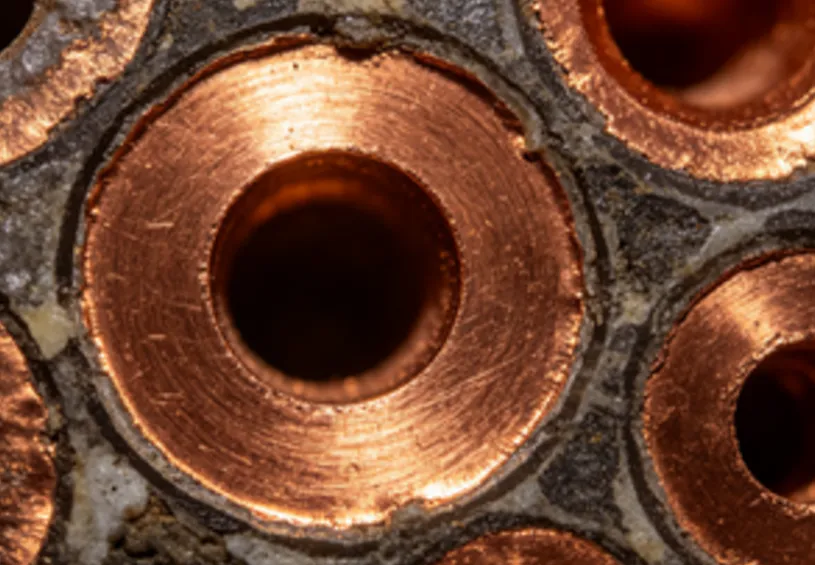
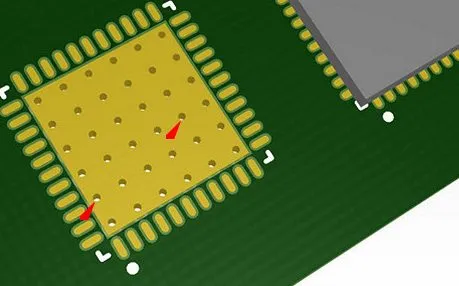
Another powerful technique for managing heat in mining rigs is the use of thermal vias in PCBs. Thermal vias are small holes drilled through the PCB, filled or plated with conductive material like copper, to transfer heat from hot components to a heat-dissipating layer or heat sink on the opposite side of the board.
In high-power mining rigs, where components generate heat densities of 50 W/cm2 or more, thermal vias can reduce hotspot temperatures by up to 20%. Here are some best practices for implementing thermal vias:
- Placement: Position thermal vias directly beneath heat-generating components to create a direct path for heat dissipation.
- Density: Use a grid of vias with a diameter of 0.3-0.5 mm and a spacing of 1-2 mm for optimal heat transfer without compromising the structural integrity of the PCB.
- Connection: Connect thermal vias to large copper planes or ground layers to spread heat across the board.
By integrating thermal vias into your PCB design, you can effectively manage heat in compact mining rigs where space for external cooling solutions is limited.
3. Metal Core PCBs for Mining Applications
For mining rigs that demand exceptional thermal performance, metal core PCBs for mining are a game-changer. Unlike traditional FR4 PCBs, metal core PCBs (MCPCBs) feature a base layer of metal, usually aluminum, which acts as a built-in heat sink. This design allows for superior heat dissipation, making MCPCBs ideal for high-power applications.
The thermal conductivity of an aluminum core PCB can reach up to 1-2 W/m·K, compared to just 0.3 W/m·K for standard FR4 materials. This means MCPCBs can handle the intense heat generated by mining hardware more effectively. Benefits of using metal core PCBs in mining rigs include:
- Improved Heat Dissipation: The metal core rapidly conducts heat away from components, reducing temperatures by as much as 15-20°C compared to standard PCBs.
- Durability: MCPCBs are more robust and resistant to thermal stress, ensuring a longer lifespan for mining hardware.
- Compact Design: With better heat management, you can design smaller, denser PCBs without worrying about overheating.
While metal core PCBs may come at a higher cost, their ability to protect expensive mining components from heat damage makes them a worthwhile investment for serious miners.
4. PCB Thermal Simulation for Optimized Cooling
Designing an effective cooling solution for a high-power mining rig requires more than just hardware—it demands precision and foresight. This is where PCB thermal simulation plays a crucial role. Thermal simulation software allows engineers to model heat flow, identify hotspots, and test cooling strategies before manufacturing the PCB.
Using thermal simulation, you can predict how a mining rig's PCB will perform under various conditions, such as full load at 100% power draw or in high ambient temperatures of 35°C or more. Key benefits of PCB thermal simulation include:
- Hotspot Identification: Pinpoint areas where temperatures exceed safe limits, often above 85°C, and address them with targeted cooling solutions.
- Design Optimization: Test different heat sink designs, thermal via placements, or board materials to find the most effective combination without costly prototyping.
- Cost Efficiency: Avoid over-engineering by ensuring you only use the cooling solutions necessary for your specific mining rig setup.
For example, a thermal simulation might reveal that adding a small array of thermal vias under an ASIC reduces its operating temperature from 90°C to 70°C, saving you from investing in an oversized heat sink. By incorporating thermal simulation into your design process, you can create highly efficient PCB cooling solutions for mining tailored to your needs.
5. Additional PCB Cooling Strategies for Mining Rigs
Beyond the core techniques discussed, there are several other strategies to enhance PCB cooling in high-power mining rigs. These methods can be used in combination with heat sinks, thermal vias, and metal core PCBs for maximum effect:
- Active Cooling with Fans: High-speed fans with airflow rates of 50-100 CFM (cubic feet per minute) can drastically lower PCB temperatures when paired with heat sinks.
- Thermal Pads and Pastes: Use high-quality thermal interface materials with conductivity ratings of 5-10 W/m·K to ensure efficient heat transfer between components and cooling solutions.
- Board Layout Optimization: Space out high-power components on the PCB to prevent heat concentration, and place heat-sensitive parts away from hotspots.
- Environmental Control: Operate mining rigs in a controlled environment with ambient temperatures below 25°C, or use external cooling systems like liquid cooling for extreme setups.
By combining multiple cooling techniques, you can create a robust thermal management system that keeps your mining rig performing at its peak, even during extended operation.
Challenges in PCB Cooling for Mining Rigs and How to Overcome Them
While advanced cooling techniques offer significant benefits, there are challenges to consider when implementing them in mining rigs:
- Space Constraints: Mining rigs often have compact designs, leaving little room for large heat sinks or extensive fan setups. Solution: Use metal core PCBs or high-density thermal vias to manage heat without increasing the rig's footprint.
- Cost: High-performance cooling solutions like MCPCBs or custom heat sinks can be expensive. Solution: Use thermal simulation to balance cost and performance, ensuring you invest only in necessary cooling measures.
- Power Consumption: Active cooling systems like fans consume additional power, which can impact mining profitability. Solution: Opt for energy-efficient fans or passive cooling methods where possible.
By carefully planning your PCB design and cooling strategy, you can overcome these challenges and achieve reliable thermal management for your mining hardware.
Conclusion: Building Cooler, More Efficient Mining Rigs
High-power mining rigs are the backbone of cryptocurrency mining, but their performance hinges on effective thermal management. By leveraging advanced PCB cooling solutions for mining, such as optimized heat sink design for PCBs, strategic use of thermal vias in PCBs, adoption of metal core PCBs for mining, and the power of PCB thermal simulation, you can keep your hardware cool and running at peak efficiency.
Implementing these techniques not only protects your investment but also boosts mining output by preventing thermal throttling. Whether you're designing a new rig or upgrading an existing one, prioritize cooling to ensure long-term success in the competitive world of mining. With the right approach, you can tackle the heat and maximize your returns.