 ALLPCB


High reliability PCB materials play a central role in applications where failure is not an option. Engineers working in sectors such as aerospace, automotive, and industrial controls must select laminates that maintain electrical and mechanical integrity under prolonged stress. Factors including temperature cycling, moisture exposure, and mechanical vibration directly affect long term performance. Selecting the right material early in the design process reduces the risk of field failures and supports compliance with established qualification requirements.
PCB laminates form the foundation of every circuit board, providing both electrical insulation and mechanical support. In harsh conditions, standard materials may experience degradation that leads to delamination, increased electrical leakage, or dimensional instability. High TG PCB material for reliability offers elevated glass transition temperatures that help maintain structural integrity when operating temperatures rise. Selecting PCB laminate for harsh conditions requires careful evaluation of thermal expansion coefficients, moisture absorption rates, and dielectric stability. Comparing PCB materials for long life involves balancing initial cost against expected service duration and maintenance intervals. Advanced PCB materials incorporate specialized resin systems and reinforcements that address these variables more effectively than conventional options.
Why Material Choice Matters for Long Term PCB Performance
The glass transition temperature defines the point at which a laminate shifts from a rigid, glassy state to a more flexible rubbery condition. Materials with higher glass transition values resist softening and maintain dimensional stability during thermal excursions. Coefficient of thermal expansion mismatch between the laminate and copper traces or components can generate internal stresses that initiate cracks over repeated cycles. Moisture absorption affects both electrical properties and mechanical strength, as absorbed water can vaporize during soldering or reflow processes. Industry standards such as those from IPC establish test methods that quantify these behaviors under controlled conditions. Engineers evaluate these parameters through standardized thermal cycling and humidity exposure protocols to predict field performance.
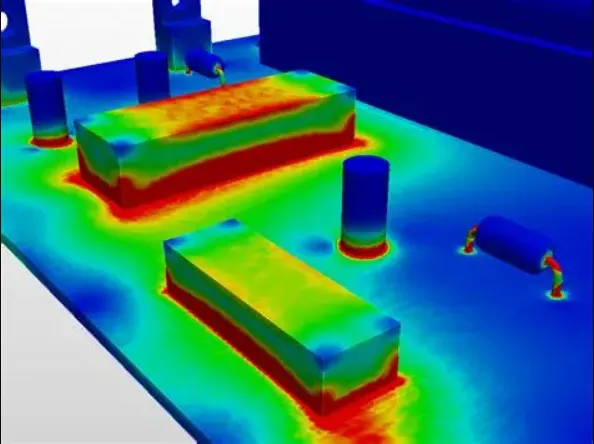
Thermal and Mechanical Behavior of PCB Laminates
Dielectric constant and loss tangent determine signal integrity, especially at higher frequencies or in environments with temperature variation. Advanced PCB materials maintain more stable electrical characteristics across wide temperature ranges compared with basic epoxy systems. Surface insulation resistance can decline when contaminants or moisture penetrate the laminate surface. Voltage breakdown strength must remain adequate even after prolonged exposure to elevated temperatures or humidity. These electrical properties interact with mechanical changes, so testing protocols combine multiple stress factors to simulate real world operation.
Electrical Performance Considerations Under Stress
Begin by defining the operating environment, including maximum and minimum temperatures, humidity levels, vibration profiles, and expected service life. Review application requirements against laminate data sheets, focusing on glass transition temperature, coefficient of thermal expansion, and moisture absorption values. Consider the assembly processes the board will undergo, such as multiple reflow cycles or wave soldering, because these steps impose additional thermal stress. Consult qualification specifications early to align material choices with acceptance criteria. Prototyping with candidate materials followed by accelerated life testing provides empirical data before committing to volume production. Documentation of material properties and test results supports traceability and future design reviews.
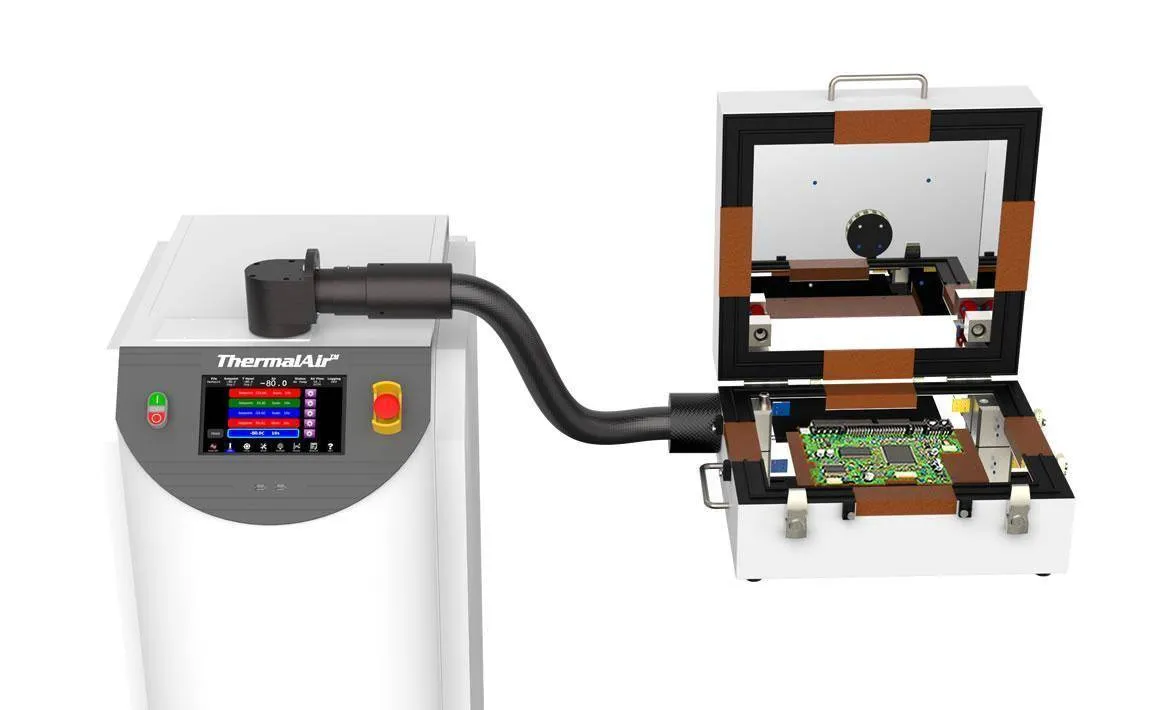
Practical Guidance for Material Selection
Incoming material inspection verifies that supplied laminates meet specified properties before fabrication begins. During manufacturing, process controls monitor lamination parameters to avoid introducing defects that compromise reliability. Post fabrication testing includes visual inspection, electrical continuity checks, and environmental stress screening. Standards such as IPC-6012E outline qualification and performance requirements for rigid printed boards, guiding acceptance criteria. Additional evaluation per IPC-A-600K addresses acceptability of printed boards through defined visual and dimensional criteria. These steps reduce the likelihood of latent defects reaching the field.
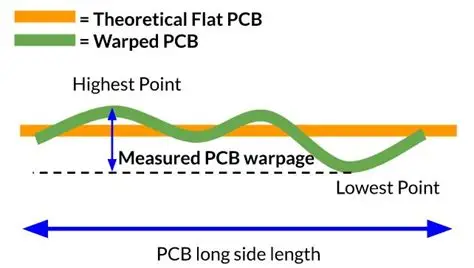
Quality Control and Verification Steps
Material selection for high reliability PCBs centers on matching laminate characteristics to the demands of the operating environment. High TG PCB material for reliability, careful selection of PCB laminate for harsh conditions, and systematic comparing of PCB materials for long life all contribute to extended service intervals. Advanced PCB materials provide options that address thermal, mechanical, and electrical challenges more effectively when properly evaluated. Structured evaluation against recognized standards supports consistent outcomes across design iterations.
Conclusion
FAQs
Q1: What defines high TG PCB material for reliability in demanding applications?
A1: High TG PCB material for reliability is characterized by elevated glass transition temperatures that preserve mechanical and electrical properties during extended exposure to heat and thermal cycling. Engineers select these materials when boards must operate above the limits of conventional laminates without softening or excessive expansion. Testing under standardized thermal profiles confirms suitability for the intended environment.
Q2: How does selecting PCB laminate for harsh conditions differ from standard choices?
A2: Selecting PCB laminate for harsh conditions requires evaluation of multiple properties including thermal expansion, moisture resistance, and long term stability under combined stresses. Standard laminates may suffice for benign environments but often fall short when vibration, humidity, or wide temperature swings are present. Systematic comparison of data sheets and qualification test results guides the decision.
Q3: Why compare PCB materials for long life rather than focusing only on initial cost?
A3: Comparing PCB materials for long life accounts for cumulative effects of thermal fatigue, moisture ingress, and mechanical wear that determine actual service duration. Lower cost options may require earlier replacement or additional protective measures, increasing overall ownership cost. Life cycle analysis based on accelerated testing provides clearer insight into total performance.
Q4: What role do advanced PCB materials play when standard options prove insufficient?
A4: Advanced PCB materials incorporate resin formulations and reinforcements that deliver improved thermal stability, lower moisture absorption, and more consistent electrical behavior under stress. These characteristics support reliable operation in applications where conventional materials exhibit unacceptable degradation. Selection follows the same structured evaluation process used for any other laminate choice.
References
IPC-6012E — Qualification and Performance Specification for Rigid Printed Boards. IPC, 2017
IPC-A-600K — Acceptability of Printed Boards. IPC, 2020
JEDEC J-STD-020E — Moisture/Reflow Sensitivity Classification. JEDEC, 2014





