ALLPCB


Overview
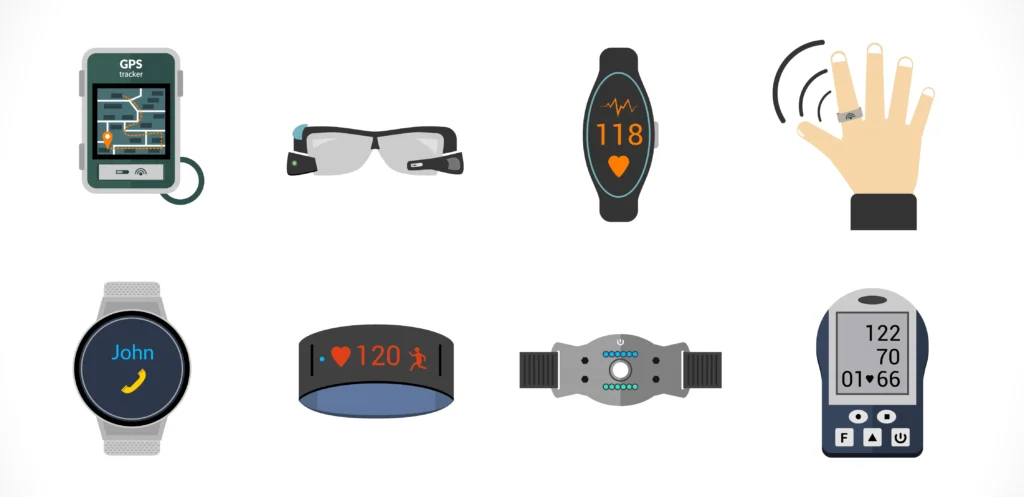
From smartwatches to fitness trackers, wearable devices are increasingly common. For example, a health monitor processes measured data for display on a small integrated screen. Data can also be transmitted to other devices and connected via Bluetooth Smart to a smartphone. Because wearable devices are compact, their components must also be small, including rechargeable batteries. To maximize runtime from these small-capacity batteries, power management components need both a small footprint and high efficiency. Integrating multiple power rails in a single-package multi-rail configuration can help meet those requirements.
Integrated Buck and Boost Outputs
TI's compact TPS62770 multi-rail DC/DC converter integrates low-quiescent-current buck and boost outputs in one device. The buck rail delivers high efficiency even under microamp-level loads by using an extremely low 360 nA quiescent current, enabling efficient supply for wireless MCUs and sensors. The boost rail is optimized to power displays, which can be passive-matrix OLED (PMOLED) panels or backlit LCDs.
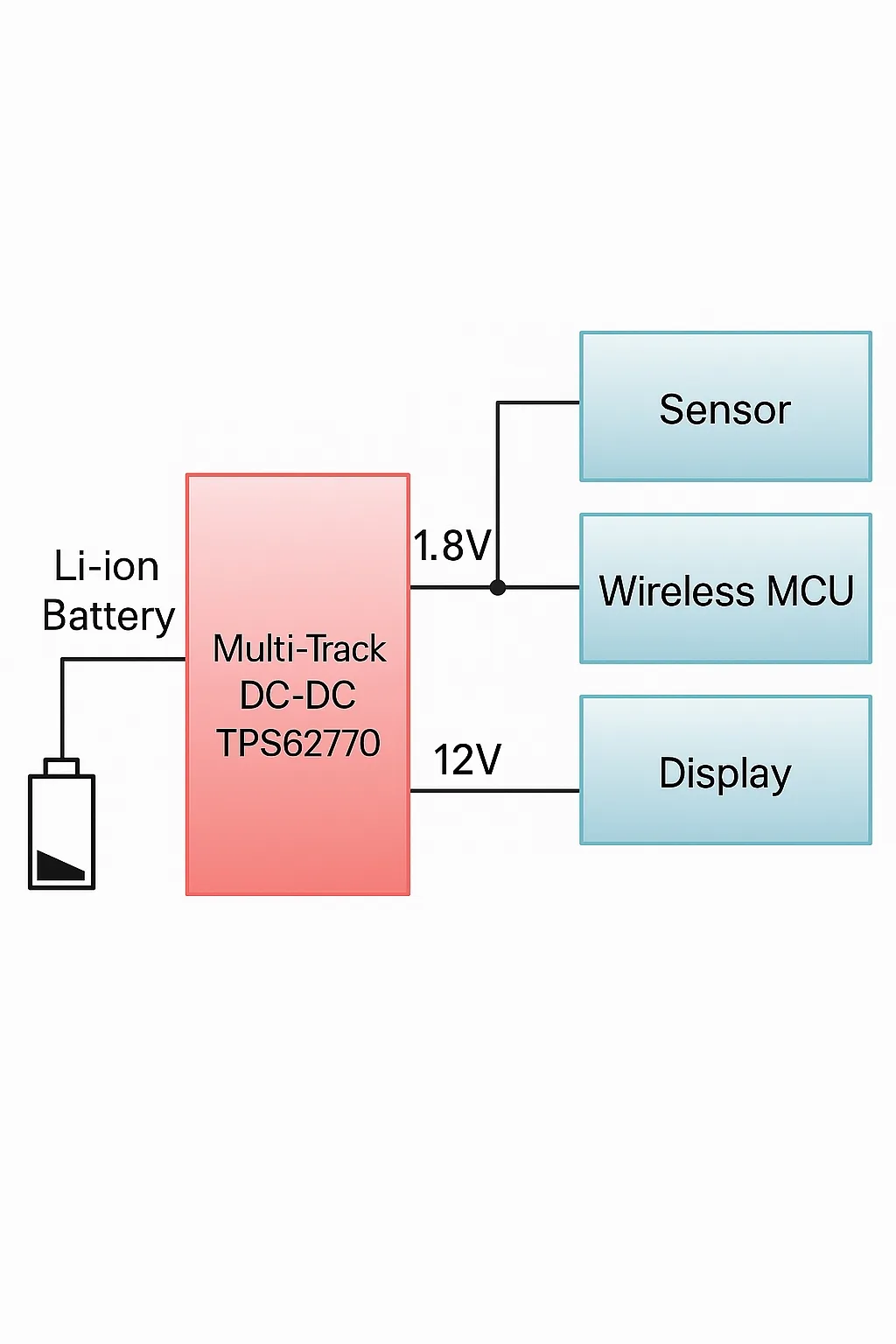
Figure 1: Basic power block diagram for a wearable system
Display Flexibility and LED Driving
Flexible display design helps address the requirements of different types of wearable devices. In some cases, the boost converter can be configured as an LED driver with current control. For example, the TPS62770's integrated boost converter provides designers with options to adjust LED brightness for larger displays, similar to brightness adjustment in smartphones. Brightness can be varied by using a pulse-width modulation (PWM) signal to control the duty cycle and converting that duty cycle to forward current through the LEDs.
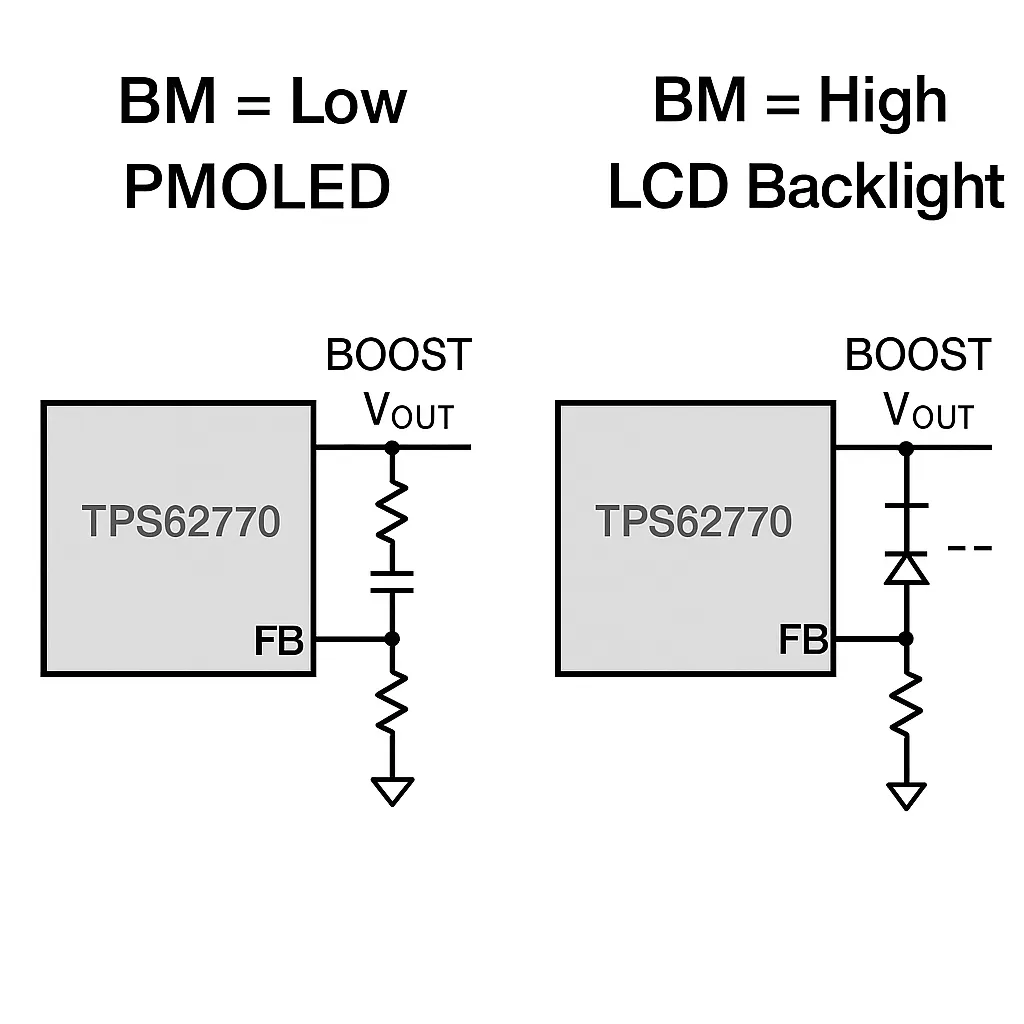
Figure 2: Optional circuits for PMOLED or LCD backlight
Implications for Wearable Designs
The combination of low quiescent current buck output and a boost output capable of driving displays and LEDs provides greater design flexibility for battery-powered health wearables. The TPS62770's options for powering PMOLED panels or LCD backlights make it a practical candidate for display power in many wearable designs.