ALLPCB


Introduction
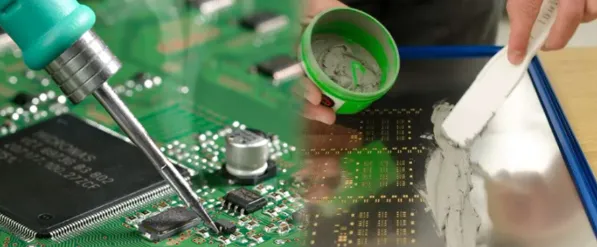
Manual assembly remains a cornerstone in PCB production, especially for low-volume runs, prototypes, and custom electronics where automation falls short. Operators perform tasks like component placement, hand soldering, and visual inspection, each step demanding precision to meet quality expectations. However, traditional setups often suffer from inefficiencies such as excess inventory buildup, unnecessary operator movement, and inconsistent workflows, leading to delays and higher defect rates. Lean manufacturing principles address these pain points by focusing on reducing waste and improving flow, transforming manual assembly lines into efficient operations. In the context of PCB assembly, applying lean manufacturing manual assembly techniques ensures smoother transitions from bench to final test, minimizing rework and boosting throughput. This approach aligns with industry demands for reliability, making it essential for electric engineers overseeing production.
Engineers troubleshooting assembly issues frequently encounter bottlenecks like waiting for parts or cluttered workstations that slow down flow. Lean tools provide structured solutions to these common problems, fostering a culture of continuous improvement. By streamlining processes, teams can achieve better adherence to standards while cutting costs. The integration of lean manufacturing manual assembly not only enhances productivity but also elevates product quality, directly impacting project timelines and customer satisfaction.
What Is Lean Manufacturing in Manual Assembly and Why It Matters
Lean manufacturing originated from production system optimizations but adapts seamlessly to manual assembly environments like PCB lines. At its core, lean eliminates non-value-adding activities, or wastes, while ensuring value flows continuously to the customer. In manual PCB assembly, this means optimizing hand placement of through-hole components, selective soldering, and conformal coating applications without interruptions. Why does it matter? Inefficiencies in manual processes amplify quickly, as skilled labor is expensive and defects require time-intensive rework, potentially compromising compliance with standards like IPC-A-610J.
For electric engineers, lean manufacturing manual assembly matters because it directly tackles variability introduced by human factors. Operators vary in speed and technique, leading to uneven flow and quality dips. Implementing lean reduces these variations, improving predictability and scalability. High-performing assembly lines using lean report smoother handoffs between stations, fewer errors in component orientation, and faster cycle times. Ultimately, it supports reducing waste across inventory, motion, and overprocessing, aligning production with just-in-time needs.
The relevance grows in sectors demanding high-mix, low-volume PCBs, where flexibility trumps speed. Engineers benefit from lean by gaining tools to diagnose and fix flow disruptions systematically. Without lean, manual assembly risks becoming a bottleneck in the full electronics manufacturing chain, delaying prototypes and iterations.
Core Principles of Reducing Waste and Improving Flow
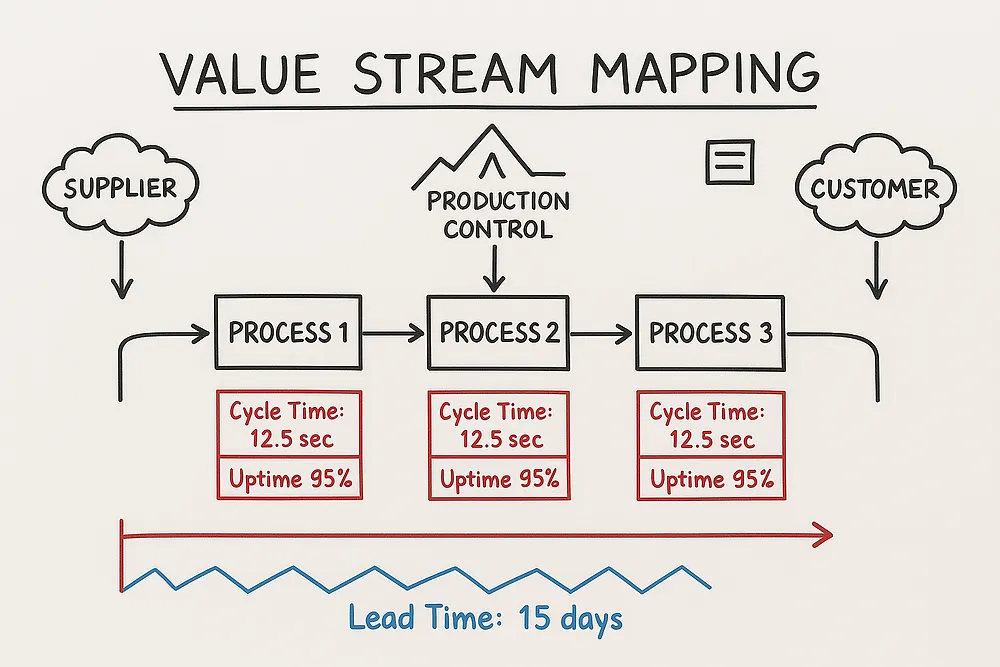
Reducing waste forms the foundation of lean manufacturing manual assembly, targeting seven classic wastes: overproduction, waiting, transportation, overprocessing, inventory, motion, and defects. In PCB manual assembly, overproduction occurs when operators prep excess kits ahead of demand, tying up capital in unused parts. Waiting manifests as idle time sourcing resistors or capacitors from distant shelves, halting flow. Engineers can map these using value stream analysis to pinpoint and eliminate them, ensuring each step adds direct value.
Improving flow involves creating one-piece flow, where assemblies move sequentially without batching. Traditional batching in manual soldering leads to work-in-progress piles, obscuring defects until later inspections. Single-piece progression allows immediate visual checks per IPC J-STD-001J criteria, catching issues like cold joints early. This principle smooths operator pacing, reduces queue times, and enhances overall line velocity. Flow visualization through simple charts helps teams adjust workstation distances for minimal transport waste.
Pull systems replace push scheduling, producing only what the next station pulls. In practice, this prevents excess motion as operators reach only for needed tools. Continuous monitoring of flow metrics, like takt time matching customer demand, keeps processes balanced. These principles collectively transform erratic manual assembly into rhythmic, waste-free operations.
Key Lean Tools: Kanban System, 5S Methodology, and Continuous Improvement
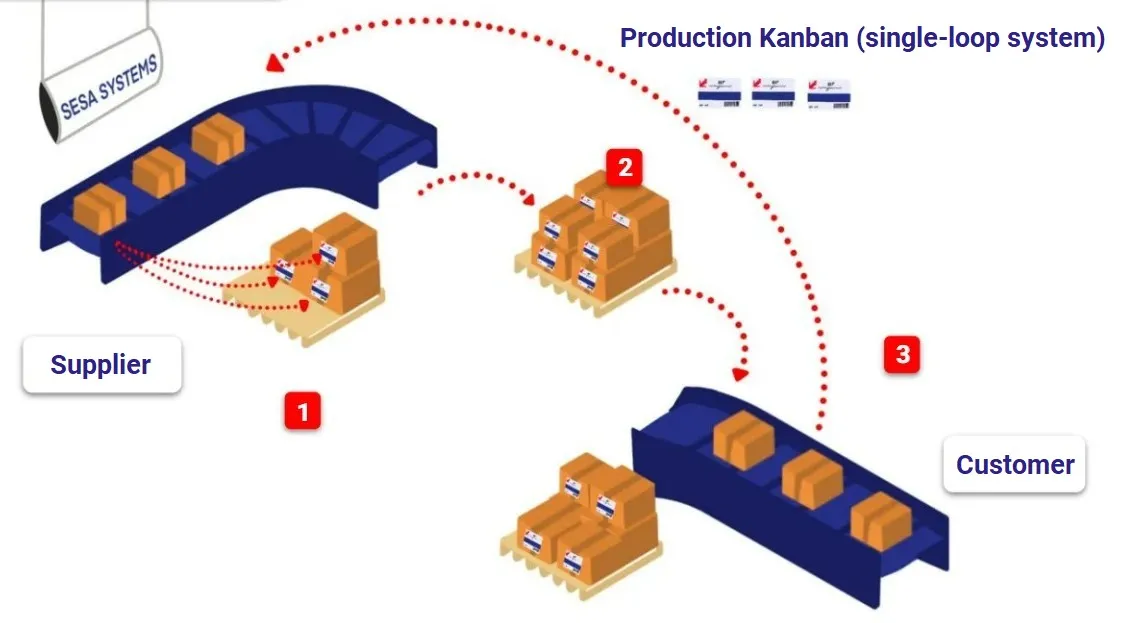
The Kanban system visualizes workflow using cards or bins to signal part replenishment, ideal for manual PCB assembly's variable demands. Operators pull components only when a Kanban signals low stock, curbing overproduction and excess inventory. In a typical setup, bins for SMD passives hold fixed quantities; emptying one triggers restocking. This pull mechanism improves flow by aligning material arrival with consumption, reducing waiting. Troubleshooting tip: If Kanban cards accumulate upstream, it signals a downstream bottleneck, prompting immediate line balancing.
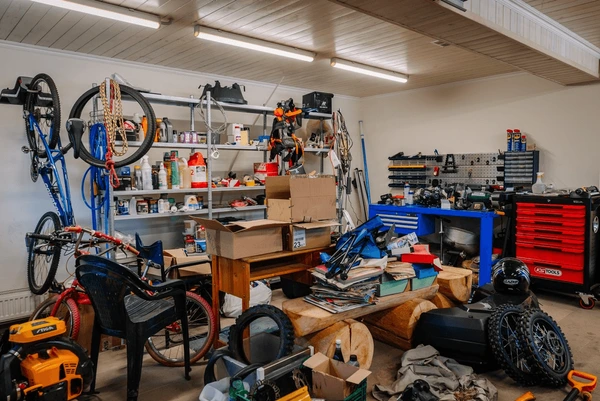
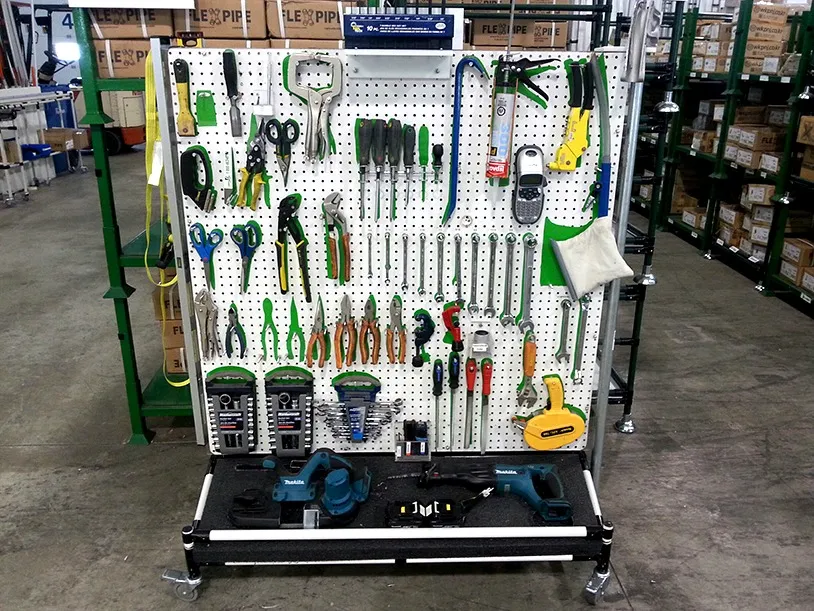
5S methodology organizes workstations through Sort, Set in order, Shine, Standardize, and Sustain, directly cutting motion and defect wastes. Sorting removes unused tools from benches, preventing mix-ups in connector placement. Setting in order uses shadow boards for soldering irons and tweezers, slashing search times. Shining maintains clean surfaces to avoid contamination during hand assembly, while standardizing checklists ensure consistent setups. Sustaining involves audits to prevent backsliding, fostering discipline. Engineers applying 5S report 20-30% motion reductions, though exact gains vary by implementation rigor.
Continuous improvement, or Kaizen, drives ongoing refinements via daily huddles and suggestion systems. Operators flag issues like awkward reach for diodes, leading to quick fixture tweaks. PDCA cycles (Plan-Do-Check-Act) test changes, measuring impact on flow metrics. In PCB contexts, Kaizen targets soldering consistency, aligning with ISO 9001:2015 quality loops. These tools interlink: Kanban feeds 5S data, fueling Kaizen events for holistic gains.
Practical Best Practices for Lean Manual Assembly
Start with workstation design, positioning tools and parts within a 1.5-meter ellipse to minimize reaches, a core reducing waste tactic. Arrange PCBs left-to-right for natural flow, with incoming kits on one end and outgoing tests on the other. Use foot pedals for frequent actions like fixture clamps, freeing hands for precision tasks. This setup improves flow by enabling one-piece handoffs, troubleshooting operator fatigue early.
Implement visual management with floor markings for zones and Andon cords for stoppages. If a defect like bridge soldering appears, pulling the cord halts the line for collective fix, preventing propagation. Pair this with standardized work instructions posted at each station, detailing steps per IPC-A-610J classes. Cross-training operators across tasks builds flexibility, smoothing absences without flow dips.
Tackle inventory waste via supermarket racks holding small Kanban lots of high-use components like 0805 resistors. Replenish during lulls to avoid disruptions. For improving flow, balance line takt time by timing cycles and reallocating tasks. Regular Gemba walks, where engineers observe live, uncover hidden wastes like over-inspection.
Error-proofing, or Poka-Yoke, adds fixtures guiding component leads into holes precisely. Color-coded bins prevent wrong-value capacitor pulls. These practices yield measurable flow gains, with teams iterating via Kaizen for sustained results.
Troubleshooting Common Issues in Lean Manual Assembly: A Practical Case Insight
Consider a mid-sized PCB assembler facing inconsistent throughput in manual through-hole lines, with operators waiting 15% of shifts for parts. Mapping revealed excess motion from scattered storage; applying 5S relocated bins, cutting waits by streamlining access. Kanban introduction limited stock to two-day needs, reducing inventory footprint.
Flow stalled at inspection due to batching; shifting to one-piece checks per IPC J-STD-001J exposed solder voids immediately. Kaizen event redesigned benches, balancing loads across three operators. Post-implementation, cycle time dropped, defects fell via early catches.
Engineers troubleshooting similar setups start with spaghetti diagrams tracking motion, then prioritize high-impact fixes. This case underscores lean's diagnostic power, turning chronic issues into strengths.
Conclusion
Lean manufacturing manual assembly revolutionizes PCB production by systematically reducing waste and improving flow. Tools like the Kanban system, 5S methodology, and continuous improvement provide practical levers for electric engineers to optimize operations. Adhering to standards ensures quality amid efficiencies. Teams embracing these principles achieve reliable, scalable processes, ready for evolving demands.
FAQs
Q1: How does the Kanban system reduce waste in lean manufacturing manual assembly?
A1: The Kanban system uses visual signals to trigger part pulls, preventing overproduction and excess inventory. In PCB manual assembly, it ensures components arrive just as needed for soldering or placement, minimizing waiting. Operators focus on value tasks, improving flow and cutting storage costs. This aligns with pull principles for smoother operations.
Q2: What role does 5S methodology play in improving flow during manual PCB assembly?
A2: 5S organizes workstations to eliminate clutter and motion waste, enabling seamless one-piece flow. Sorting tools and parts reduces search times, while standardizing setups ensures consistent pacing. Shine and sustain keep areas contamination-free, supporting quality checks. Engineers use 5S audits to troubleshoot bottlenecks effectively.
Q3: How can continuous improvement be applied to troubleshoot defects in manual assembly?
A3: Continuous improvement employs Kaizen events to analyze defect roots, like inconsistent soldering, via PDCA cycles. Teams test fixes such as better fixtures, measuring rework reductions. Integrating with ISO 9001:2015 loops sustains gains. This iterative approach refines processes, enhancing overall flow and reliability.
Q4: Why is reducing waste critical for electric engineers in PCB manual assembly?
A4: Reducing waste targets inefficiencies like excess motion and defects, directly boosting throughput and quality. It aligns production with demand, minimizing rework per IPC-A-610J. Engineers gain predictable cycles, troubleshooting faster. Ultimately, it lowers costs while maintaining standards compliance.
References
IPC-A-610J — Acceptability of Electronic Assemblies. IPC, 2024
IPC J-STD-001J — Requirements for Soldered Electrical and Electronic Assemblies. IPC, 2024
ISO 9001:2015 — Quality Management Systems. ISO, 2015