ALLPCB


Introduction
Conformal coatings provide critical protection for printed circuit boards (PCBs) in harsh environments, shielding against moisture, dust, chemicals, and temperature extremes. These thin polymer films conform to the contours of the assembly, ensuring reliability in applications from consumer electronics to aerospace systems. However, rework becomes necessary when components fail, modifications are required, or defects arise post-assembly. Performing rework on conformal coated PCBs demands precision to avoid damaging underlying traces, pads, or components. Essential conformal coating rework tools enable engineers to execute these tasks efficiently while maintaining board integrity. This guide explores the key tools, techniques, and best practices for successful conformal coating removal, repair, and reapplication.
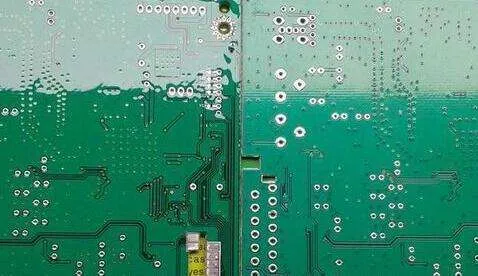
Engineers often encounter conformal coated boards in high-reliability sectors where downtime costs are significant. Selecting the right conformal coating removal tools prevents common pitfalls like delamination or residue contamination. Similarly, conformal coating soldering tools ensure joints meet quality standards during component replacement. With proper equipment, spot repairs minimize production disruptions. Understanding these tools empowers electric engineers to handle complex repairs confidently.
What Is Conformal Coating and Why Rework It?
Conformal coating is a protective dielectric layer applied to PCBs, typically ranging from 25 to 250 microns thick, to enhance environmental resistance. Common types include acrylics, silicones, urethanes, and parylenes, each with distinct chemical and thermal properties. Rework arises from field failures, design changes, or manufacturing defects that require component replacement or trace repairs. Without proper intervention, unprotected areas risk corrosion or electrical shorts. Conformal coating rework tools are vital for restoring functionality without compromising the board's overall protection.
The process matters because coated boards represent a significant investment in high-volume production. Reworking them incorrectly can lead to yield losses or reliability issues in the field. Standards like IPC-7711/7721 outline procedures for safe removal and repair, ensuring compliance with industry benchmarks. Engineers must identify the coating type first, as removal methods vary by material. This step prevents substrate damage and facilitates precise interventions.
Challenges in Reworking Conformal Coated PCBs
Reworking conformal coated PCBs presents unique hurdles due to the coating's adhesion and sensitivity to heat or solvents. Mechanical stress during removal can crack solder joints or lift pads if not controlled. Thermal methods risk overheating nearby components, causing warpage or delamination per IPC-A-610 criteria. Chemical strippers may leave residues that interfere with new solderability. Selective removal around fine-pitch components demands magnification and steady hands.
Environmental factors compound these issues, as coatings in automotive or military applications withstand extremes, making them resilient to standard tools. Masking adjacent areas prevents collateral damage during abrasion or heating. Inspection post-removal verifies cleanliness and pad integrity. Engineers troubleshoot by testing coating hardness and solubility upfront. Overcoming these challenges requires a toolkit tailored to precision and safety.
Essential Conformal Coating Removal Tools
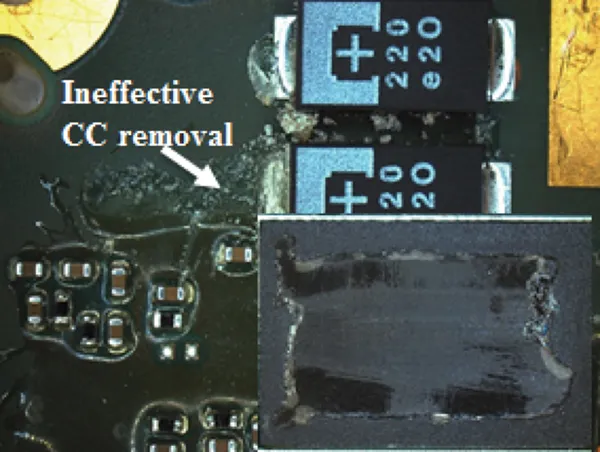
Conformal coating removal tools form the foundation of any rework process, categorized into mechanical, chemical, thermal, and advanced methods. Mechanical tools include precision scrapers, abrasive pads, and micro-abrasive blasters that physically erode the coating without excessive heat. These suit hard coatings like parylene, offering control over depth to protect copper traces. Abrasive techniques require low-pressure application to avoid gouging the substrate. Engineers select grit sizes based on coating thickness for optimal results.
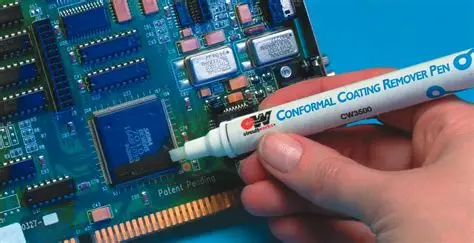
Chemical conformal coating removal tools use solvents matched to the polymer type, such as methylene chloride for urethanes or specialized strippers for acrylics. Application via swabs or pens ensures localized action, minimizing exposure to components. Residue neutralization follows with isopropyl alcohol rinses. Thermal tools employ hot air stations or infrared heaters to soften and lift coatings, ideal for silicones. Precise temperature control, typically 100 to 200 degrees Celsius, prevents board damage.
Advanced options like plasma etching or laser ablation provide non-contact removal for high-density boards. Plasma uses ionized gas to break molecular bonds selectively. Lasers vaporize coatings with micron accuracy, reducing mechanical stress. Each method aligns with IPC-7711/7721 guidelines for minimal impact on assembly integrity. Combining tools often yields the best outcomes for complex geometries.
Conformal Coating Soldering Tools and Repair Equipment
Once the coating is removed, conformal coating soldering tools take center stage for component replacement. Precision soldering irons with fine tips and temperature control handle through-hole and surface-mount devices effectively. Adjustable irons maintain 300 to 350 degrees Celsius to avoid cold joints or overheating. Hot air rework stations deliver uniform heat for ball grid arrays (BGAs), reflowing solder without direct contact. Nozzles direct airflow precisely, protecting surrounding areas.
Conformal coating repair equipment includes desoldering pumps, braid wicks, and flux dispensers to clean pads post-removal. Low-residue fluxes enhance wetting on exposed copper, per J-STD-001 requirements. Microscopes with 10x to 50x magnification aid inspection of solder fillets and voids. Preheating platforms stabilize boards during rework, mitigating thermal shock. These tools ensure joints meet class 2 or 3 criteria for reliability.
For multilayer boards, X-ray inspection verifies hidden joints, though basic rework relies on visual and electrical testing. Ultrasonic cleaners remove flux residues efficiently. Integrating these tools streamlines the workflow from removal to repair.
Techniques for Conformal Coating Spot Repair
Conformal coating spot repair addresses localized damage, preserving most of the original layer. After component work, apply coating via selective masking with tapes or stencils. Airbrush sprayers or pens deposit thin, uniform films over repaired areas. Curing via ambient air, UV, or heat matches the original process. Edge blending prevents step-offs that trap contaminants.
Precision dispensers control viscosity for pinhole-free coverage. Inspection under black light reveals defects like bubbles or fisheyes. Rework stations with enclosed environments reduce particulates. Spot repair extends board life economically, especially in prototypes or legacy systems. Adherence to thickness uniformity ensures dielectric strength.
Best Practices for Conformal Coating Rework
Start by identifying the coating type through solubility tests or manufacturer data to select compatible tools. Mask sensitive components with high-temperature Kapton tape before removal. Use fume extraction during chemical or thermal processes to maintain safety. Post-removal, clean with deionized water or IPA, then bake to remove moisture. Verify solderability with a wettability test before repair.
Document procedures per IPC-7711/7721 for traceability. Preheat boards to 80 degrees Celsius to reduce thermal gradients. Apply flux sparingly to avoid ionic contamination. After repair, perform electrical testing and insulation resistance checks. Reapply coating only after full cure, inspecting for holidays via dye penetrant. Train technicians on tool calibration for consistency.
Safety protocols include ESD grounding and PPE like nitrile gloves. Troubleshoot common issues: if removal leaves residue, escalate to plasma cleaning. These practices minimize defects and uphold quality.
Conclusion
Mastering conformal coating rework tools is essential for electric engineers tackling protected PCBs. From removal to spot repair, the right equipment ensures precision and reliability. Adhering to standards like IPC-7711/7721 elevates outcomes. Invest in versatile kits for mechanical, chemical, and thermal capabilities. These approaches safeguard assemblies in demanding applications.
FAQs
Q1: What are the primary conformal coating removal tools for PCBs?
A1: Conformal coating removal tools include mechanical abrasives for tough layers, chemical solvents tailored to acrylic or silicone types, and thermal hot air systems for softening urethanes. Select based on coating identification to avoid substrate damage. Follow IPC-7711/7721 procedures for controlled application, ensuring clean surfaces for subsequent soldering. This targeted approach prevents common rework failures.
Q2: How do conformal coating soldering tools differ from standard ones?
A2: Conformal coating soldering tools feature fine tips and precise temperature controls to navigate masked areas post-removal. Hot air stations excel for SMD reflow without disturbing adjacent coatings. Flux compatibility is key to restore solderability. These tools align with J-STD-001 for joint integrity, minimizing heat-affected zones on sensitive boards.
Q3: What equipment is best for conformal coating spot repair?
A3: Conformal coating spot repair equipment comprises pens, airbrushes, and dispensers for localized application. Masking stencils protect reworked sites during deposition. UV or heat curing matches original specs. Inspect for uniformity to maintain dielectric properties. This method restores protection efficiently without full recoating.
Q4: Why reference standards in conformal coating rework?
A4: Standards like IPC-A-610 define acceptability for coatings and repairs, ensuring reliability. They guide removal techniques to prevent delamination or contamination. Compliance reduces field failures in critical electronics. Engineers apply them for consistent, verifiable processes across teams.