ALLPCB


Why Color Choice Matters in Modern PCB Applications
Color selection extends beyond aesthetics to influence inspection processes, thermal behavior, and long-term reliability. Darker matte finishes such as black or dark blue absorb more visible light, which can reduce contrast issues during manual visual checks yet may require adjusted lighting setups for automated systems. Lighter options like white or red provide higher contrast against copper and component markings, aiding traceability and rework operations. Matte textures scatter incident light rather than reflecting it specularly, lowering the risk of false positives in optical inspection equipment. These characteristics become particularly relevant when boards undergo multiple reflow cycles or operate in environments with variable illumination. Industry standards such as IPC-6012E establish baseline performance criteria for solder mask adhesion and coverage regardless of color.
Technical Principles Behind Matte Solder Mask Formulation
Solder mask consists of a photosensitive polymer applied over the etched copper layers, then patterned and cured to expose pads and vias. Pigments incorporated during formulation determine the final hue, while matting agents control surface roughness to achieve the desired low-gloss appearance. The matte effect arises from microscopic surface irregularities that diffuse reflected light, contrasting with the smoother profile of glossy masks. Color stability depends on pigment selection and curing parameters; exposure to elevated temperatures or ultraviolet radiation can cause gradual shifts if the formulation lacks adequate stabilizers. Electrical insulation properties remain governed by the base resin system, with color additives selected to avoid introducing conductive or ionic contaminants. IPC-A-600K outlines visual acceptability criteria that apply uniformly across color variants, emphasizing coverage uniformity and absence of defects such as pinholes or delamination.

Practical Considerations for Selecting Matte Colors
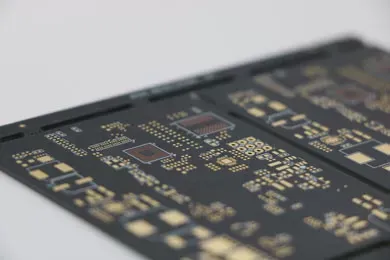
Engineers evaluate several factors when specifying matte solder mask colors during the design phase. Black matte finishes offer a professional appearance suitable for high-end audio or computing hardware while providing good contrast for white silkscreen legends. White matte masks enhance visibility of dark components and support applications requiring high reflectivity, such as LED modules. Red and blue variants serve niche roles in prototypes or color-coded assemblies, facilitating quick identification during manufacturing or field service. Thermal performance shows minor variation with color because darker surfaces absorb more radiant heat, yet the primary heat path remains through the copper and substrate rather than the thin mask layer. Compatibility with subsequent processes, including conformal coating adhesion and stencil printing, must be verified through qualification testing. JEDEC J-STD-020E addresses moisture sensitivity considerations that apply equally to boards regardless of mask color.
Best Practices for Implementation and Quality Assurance
Design documentation should clearly specify both color and finish type, along with any special inspection criteria. Early collaboration with fabrication teams helps confirm pigment availability and curing profiles to maintain consistent matte texture across production lots. During incoming inspection, teams verify mask thickness, adhesion per cross-hatch testing, and color uniformity under standardized lighting. Automated optical inspection programs often require color-specific calibration to maintain detection thresholds for opens, shorts, and placement errors. Post-assembly cleaning processes must avoid aggressive solvents that could degrade the matte surface or alter its appearance. Documentation of these parameters supports traceability and simplifies troubleshooting when field returns occur.

Conclusion
Matte solder mask colors expand design flexibility while preserving the protective and dielectric functions essential to reliable printed circuit boards. Thoughtful selection of black, white, red, or blue finishes can improve inspection efficiency, support branding objectives, and maintain compliance with established performance specifications. Engineers achieve optimal results by aligning color choices with the specific requirements of inspection equipment, assembly processes, and end-use environments. Consistent application of industry standards ensures that aesthetic enhancements do not compromise electrical or mechanical integrity.
FAQs
Q1: What advantages do matte solder mask colors offer over traditional glossy green finishes?
A1: Matte finishes reduce surface glare, which can improve the performance of automated optical inspection systems and reduce operator eye strain during manual review. Colors such as black solder mask or white solder mask further enhance contrast with silkscreen and components, supporting traceability without altering core electrical properties.
Q2: How does the choice of matte solder mask color affect PCB inspection processes?
A2: Darker matte options like black solder mask absorb more light and may require adjusted illumination settings, while lighter colors such as white or red increase visibility of traces and markings. Calibration of inspection equipment accounts for these differences to maintain consistent defect detection rates across production runs.
Q3: Are there any thermal or electrical implications when using non-green matte solder mask colors?
A3: The base polymer system determines primary thermal and dielectric performance; pigment selection has negligible impact provided the formulation meets insulation requirements. Color choice may influence minor radiative heat absorption, yet copper planes and substrate materials dominate overall thermal behavior in most applications.
Q4: What standards guide the use of matte solder mask in PCB manufacturing?
A4: IPC-6012E and IPC-A-600K define qualification and acceptability criteria that apply to solder mask of any color or finish, ensuring consistent coverage, adhesion, and freedom from defects throughout fabrication and assembly.