ALLPCB


Introduction
Aluminum PCBs represent a significant advancement in printed circuit board technology, particularly for applications requiring efficient heat management. The history aluminum PCB traces back to efforts in the mid twentieth century to address thermal challenges in electronic assemblies. Early developments focused on integrating metal substrates to improve performance over traditional organic materials. This evolution PCB materials has enabled broader adoption in demanding environments where heat dissipation is critical. Engineers continue to study these milestones aluminum PCB to inform modern design choices.
What Is an Aluminum PCB and Why It Matters
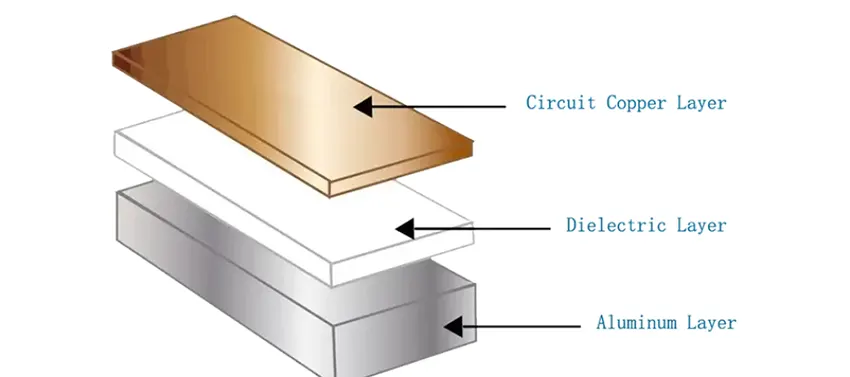
An aluminum PCB, often referred to as a metal core printed circuit board, consists of a copper circuit layer, a thermally conductive dielectric, and an aluminum base. This structure provides superior heat transfer compared to standard fiberglass reinforced boards. The development PCB technology in this area addressed limitations in power handling and reliability for high current or high temperature circuits. In the broader context of PCB evolution, aluminum substrates emerged as a practical solution for thermal management needs in industrial and consumer electronics. Their relevance stems from enabling compact designs without compromising operational stability.
Technical Principles and Historical Mechanisms
The fundamental mechanism in aluminum PCBs relies on the high thermal conductivity of the aluminum base, which conducts heat away from components more effectively than conventional substrates. Early aluminum PCB designs incorporated thin dielectric layers to maintain electrical isolation while allowing heat flow. As PCB technology progressed, improvements in dielectric formulations enhanced both thermal performance and mechanical stability. These changes supported the transition from basic single sided constructions to more complex multilayer configurations. Engineers analyze these principles through structured thermal modeling to predict behavior under load.
Milestones in the history aluminum PCB include initial explorations of metal core concepts during the 1960s for specialized thermal applications. By the 1970s, insulated metal substrates gained traction in hybrid integrated circuits requiring power amplification. Subsequent refinements in material bonding techniques improved adhesion and reduced thermal resistance. These advancements aligned with broader shifts in PCB materials toward composites optimized for heat spreading. Standards such as IPC 6012E guide qualification processes for such rigid constructions to ensure consistent performance.
Related Reading: Complete Guide to Aluminum PCB
Practical Solutions and Best Practices in Design Evolution
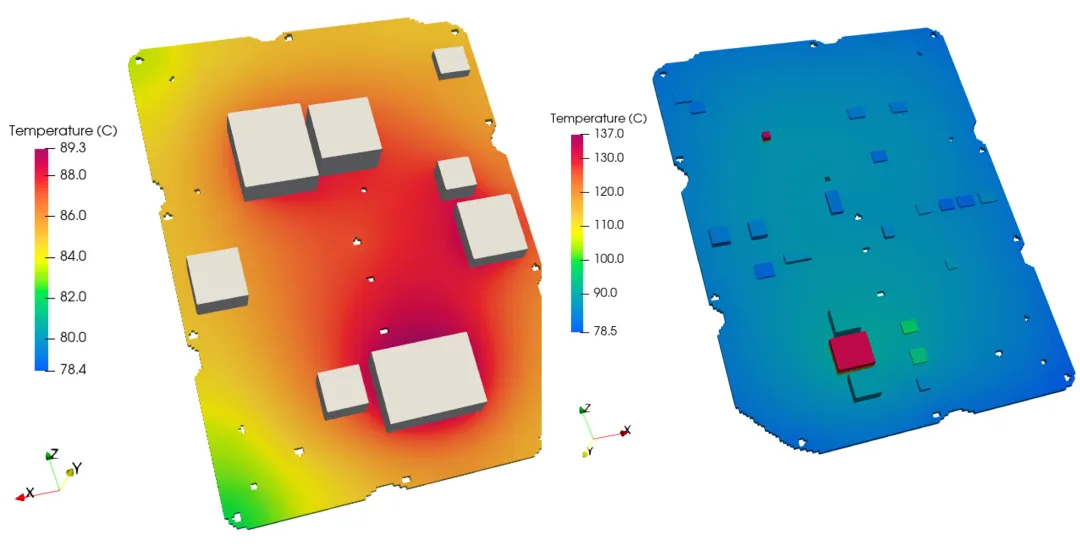
Designers following the evolution PCB materials apply best practices such as selecting appropriate copper thicknesses to balance current carrying capacity with thermal paths. Careful layout of traces and vias minimizes hotspots while maximizing heat transfer to the aluminum core. Thermal simulation tools help validate designs before fabrication, reducing iteration cycles. Adherence to guidelines from standards like IPC A 600K supports visual and structural acceptability in finished boards. These practices reflect lessons from early aluminum PCB designs where inadequate thermal planning led to reliability issues.
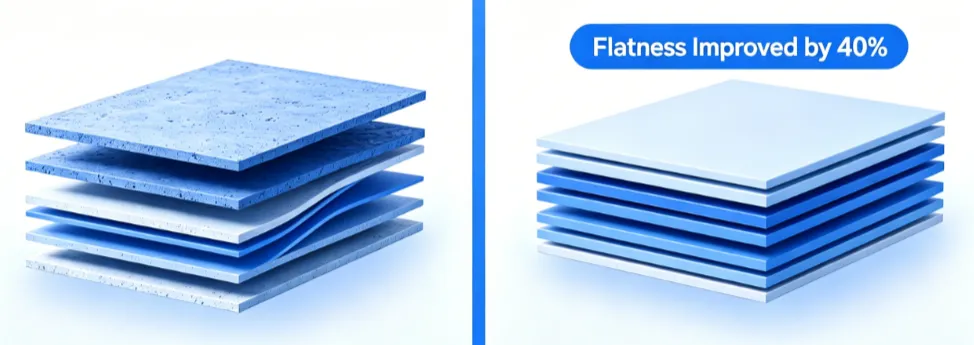
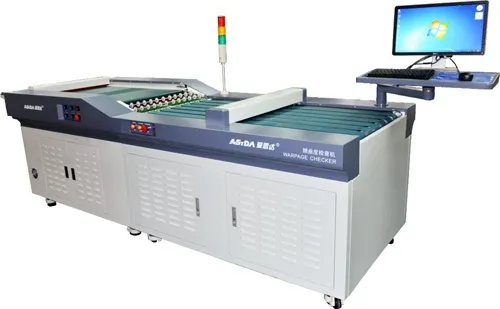
Manufacturing considerations have evolved to include precise control of dielectric thickness for optimal thermal resistance. Surface preparation of the aluminum base ensures strong bonding without introducing defects. Quality control steps, including warpage assessment, maintain flatness critical for assembly processes. These methods build on historical developments to deliver boards suitable for automated production lines.
Related Reading: Solving Heat Issues: How Aluminum PCBs Enhance Automotive Electronics
Conclusion
The history aluminum PCB demonstrates a logical progression from basic thermal solutions to sophisticated material systems that support modern electronics. Key milestones aluminum PCB highlight the importance of integrating engineering principles with practical manufacturing constraints. Continued refinement of PCB materials ensures these boards remain relevant for applications demanding high reliability and efficient heat management. Engineers benefit from understanding this development PCB technology to optimize future designs effectively.
FAQs
Q1: What defines the early aluminum PCB designs in the history aluminum PCB?
A1: Early aluminum PCB designs featured basic metal core structures with copper circuits bonded to aluminum bases through thin insulating layers. These configurations addressed heat dissipation in power circuits during the mid twentieth century. The approach marked a departure from purely organic substrates and laid groundwork for later refinements in thermal performance.
Q2: How did the development PCB technology influence milestones aluminum PCB?
A2: The development PCB technology introduced improved dielectric materials and bonding methods that enabled aluminum PCBs to handle higher power densities. Milestones aluminum PCB include the shift toward insulated metal substrates in the 1970s for hybrid circuits. These changes expanded applications while maintaining electrical integrity.
Q3: Why does the evolution PCB materials matter for current engineering practices?
A3: The evolution PCB materials has provided engineers with options that combine mechanical strength and thermal efficiency in a single board. This progression supports compact, high performance assemblies without excessive cooling hardware. Understanding these changes aids in selecting appropriate substrates for specific thermal and reliability requirements.
Q4: What role do industry standards play in aluminum PCB qualification?
A4: Industry standards establish consistent criteria for material properties, dimensional tolerances, and performance testing in aluminum PCBs. They ensure boards meet reliability expectations across production batches. Reference to such standards during design and fabrication supports reproducible results aligned with historical best practices.