 ALLPCB


Silkscreen, also known as legend or marking ink, provides essential component identifiers, polarity marks, and traceability information on printed circuit boards. The color of this ink plays a direct role in meeting regulatory requirements because it influences readability, contrast against the substrate, and compatibility with material restrictions. Engineers and procurement teams must consider silkscreen color early in the design phase to avoid certification delays. Proper selection supports compliance with environmental directives and safety expectations while maintaining manufacturing consistency.
Why Silkscreen Color Matters for PCB Certification
Silkscreen color affects both functional performance and regulatory acceptance of a finished board. Regulatory frameworks require that markings remain legible throughout the product lifecycle, including after exposure to soldering temperatures, cleaning agents, and environmental stresses. Darker substrates such as green or black typically pair with white or yellow ink for optimal contrast, while lighter substrates may require darker colors. Failure to achieve sufficient contrast can result in inspection failures during certification audits.
Color choice also intersects with material compliance because the ink formulation must align with restrictions on hazardous substances. Procurement specifications often list silkscreen color alongside substrate type and copper weight to ensure the entire stack-up meets the same set of requirements. Early coordination between design and manufacturing teams reduces the risk of costly rework when boards reach the certification laboratory.

Technical Principles Behind Color Selection and Compliance
The optical properties of silkscreen ink determine how well markings survive reflow and wave soldering processes. Pigments must withstand peak temperatures without discoloration or loss of adhesion, preserving both readability and electrical insulation characteristics. In addition, the ink layer thickness and curing profile influence surface flatness, which can affect subsequent assembly steps such as stencil printing.
From a materials standpoint, the resin system and fillers in the ink must remain chemically stable when the board undergoes thermal cycling or humidity exposure. Standards such as IPC-A-600 define acceptability criteria for marking legibility and permanence that apply regardless of chosen color. Engineers evaluate contrast ratios under both ambient and inspection lighting conditions to confirm that markings meet these criteria before submission for certification testing.

Best Practices for Selecting Silkscreen Colors
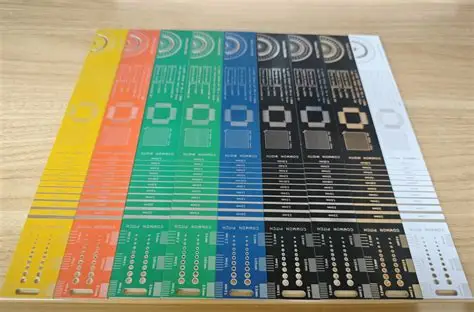
Design teams begin by reviewing the target substrate color and the expected inspection environment. White remains the most common choice for green FR-4 boards because it provides high contrast under standard factory lighting. Yellow or orange inks are sometimes selected when additional visibility is required for safety-critical markings.
Procurement documentation should explicitly state the required color, ink type, and any restrictions on heavy-metal content to support RoHS silkscreen color compliance. Manufacturers then verify that the chosen formulation passes internal adhesion and thermal-resistance tests before production release.
When multiple board variants share the same panel, consistent color usage across all variants simplifies traceability and reduces the chance of mixing errors during assembly. Documentation of the exact color specification also streamlines future audits because certification bodies can quickly confirm that the delivered product matches the approved design.
Practical Guidance for Certification Readiness
Engineers should include silkscreen color requirements in the fabrication drawing notes alongside other critical parameters such as copper weight and solder-mask color. This practice ensures that the manufacturer applies the correct ink from the first production run.
Pre-certification reviews often incorporate a visual inspection checklist that verifies contrast, alignment, and absence of smearing or bridging. When boards are destined for markets with strict environmental rules, the ink supplier data sheet is reviewed to confirm absence of restricted substances, supporting overall PCB certification silkscreen colors compliance.
If contrast issues arise during prototype evaluation, designers can adjust font size or switch to a higher-contrast color without altering the electrical layout. Such changes are documented and re-submitted for approval to maintain traceability throughout the certification process.
Conclusion
Silkscreen color is a seemingly minor detail that carries significant weight in regulatory compliance. Logical selection based on substrate color, thermal endurance, and material restrictions helps boards pass inspection and certification without delay. Structured documentation of color specifications, combined with adherence to established acceptability criteria, provides the traceability auditors require. Early attention to these factors supports both manufacturing efficiency and long-term product reliability.
FAQs
Q1: How does silkscreen color influence RoHS silkscreen color compliance?
A1: The ink formulation must meet the same substance restrictions as other board materials. Selecting a color whose pigment package has been verified free of restricted elements supports overall compliance while maintaining required contrast and durability.
Q2: What role does silkscreen color play in PCB certification silkscreen colors processes?
A2: Certification laboratories evaluate marking legibility and permanence. A color that provides adequate contrast on the chosen substrate helps the board meet visual acceptance criteria defined in relevant industry standards.
Q3: Are there UL silkscreen color standards that affect safety certification?
A3: Safety evaluations focus on the ink’s flammability rating and thermal stability rather than hue alone. Color selection must still ensure markings remain visible after exposure to the temperatures and environments specified in the certification protocol.
Q4: How can designers ensure silkscreen color safety standards are met during layout?
A4: Designers specify the exact color and ink type in the fabrication notes, verify contrast during prototype review, and confirm that the chosen formulation aligns with the thermal and environmental requirements of the target application.
References
IPC-A-600K — Acceptability of Printed Boards. IPC, 2020
IPC-6012E — Qualification and Performance Specification for Rigid Printed Boards. IPC, 2017
ISO 9001:2015 — Quality Management Systems. ISO, 2015





