ALLPCB


Why Laser Cut Stencil Maintenance Matters in PCB Assembly
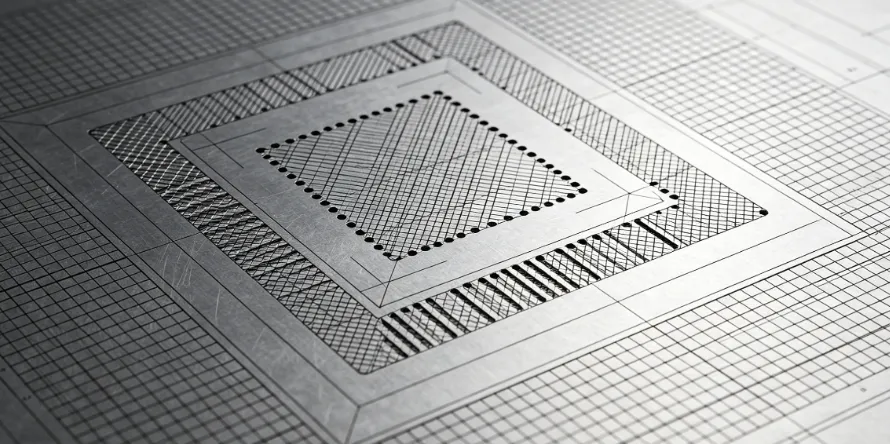
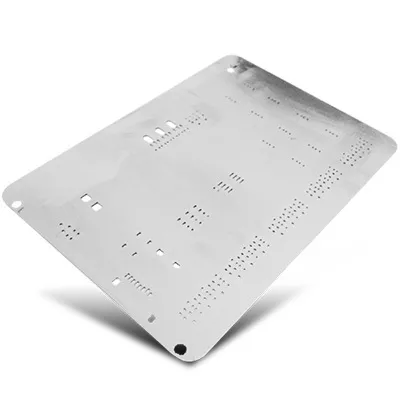
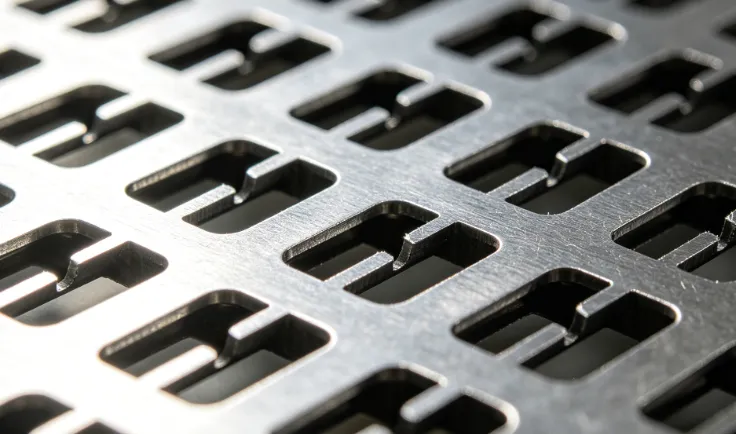
Laser cut stencils are manufactured from thin stainless steel sheets with apertures created through precision laser machining. Over repeated printing cycles, solder paste residue builds up on the aperture walls and bottom surface, gradually reducing the effective opening size and affecting deposit volume. Consistent maintenance prevents these changes and maintains the tight tolerances required for fine pitch components. Industry standards such as IPC-A-610 emphasize the importance of acceptable solder paste deposits for overall assembly quality. Without regular attention, stencils can suffer from premature wear, increased rework, and higher scrap rates. Organizations that integrate maintenance into daily workflows achieve longer stencil service life and more predictable process capability.
Technical Principles Behind Stencil Degradation
Solder paste consists of alloy particles suspended in flux, and the flux component tends to dry and harden when exposed to air during printing. This residue adheres to the stencil surfaces, particularly in smaller apertures where paste release is already more challenging. Repeated contact with the squeegee and the printed circuit board also introduces mechanical stress that can cause minor burrs or edge rounding if the stencil is not kept clean. Temperature fluctuations and humidity further influence paste viscosity and residue formation. Understanding these mechanisms helps technicians identify early signs of performance drift before defects appear in production. Regular inspection under magnification reveals residue patterns and surface condition changes that indicate when cleaning is required.
Best Practices for Cleaning Laser Cut Stencil
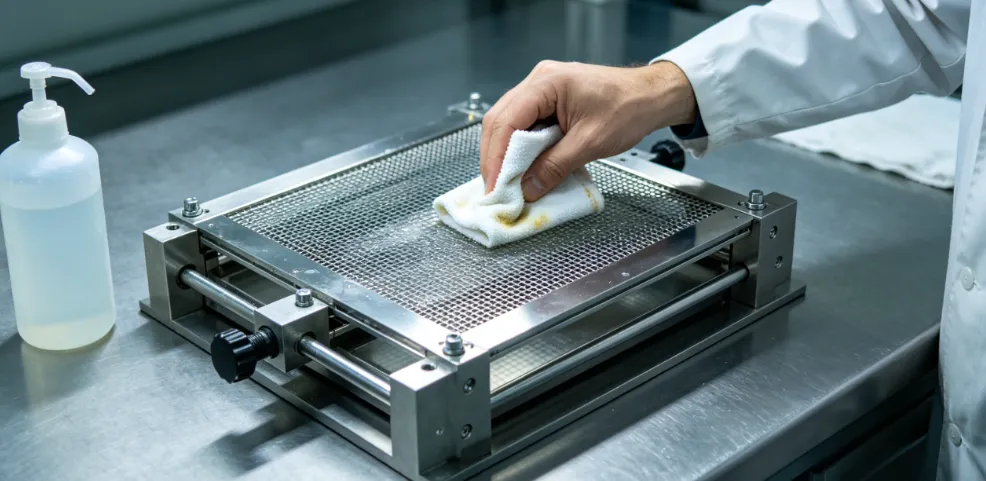
Effective cleaning of laser cut stencil begins with selecting a solvent compatible with both the stencil material and the solder paste chemistry in use. Technicians typically perform under stencil cleaning after every few prints or at the end of a shift to remove fresh residue before it hardens. Manual wiping with lint free cloths and approved solvents works well for light buildup, while ultrasonic cleaning provides thorough results for heavier contamination without damaging aperture edges. It is important to dry the stencil completely after cleaning to prevent oxidation or moisture related issues during subsequent use. Documenting cleaning frequency and methods supports traceability and helps refine schedules based on actual production conditions.
Related Reading: The Ultimate Guide to Stencil Cleaning: Ensuring Consistent Solder Paste Deposition
Stencil Storage Guidelines and Handling Best Practices
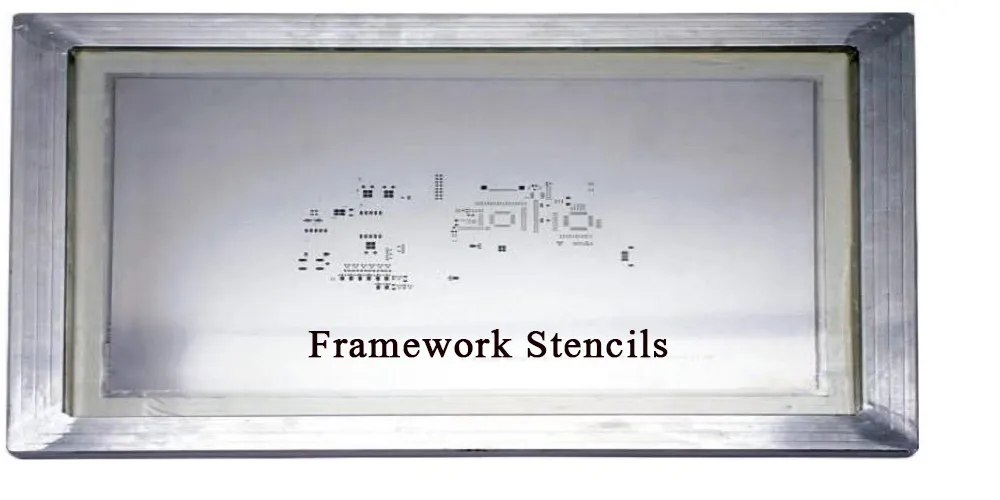
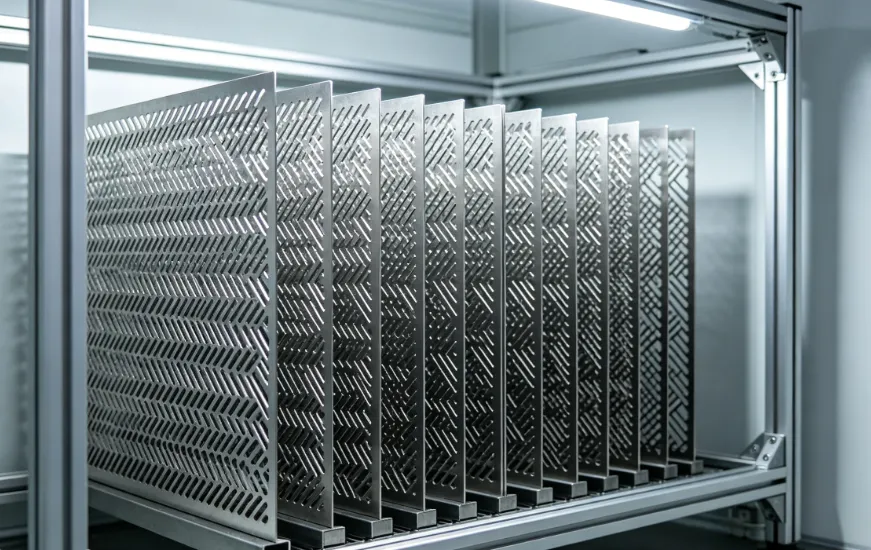
Proper stencil storage guidelines protect the flatness and aperture integrity of laser cut stencils when they are not in use. Stencils should be stored vertically in dedicated racks or horizontally between protective sheets to avoid bending or warping. Temperature and humidity controlled environments minimize corrosion risk on the stainless steel surface. When handling stencils, operators wear gloves to prevent oils from skin contact and use both hands to support the full area, avoiding any twisting or flexing motions. Clear labeling of each stencil with its corresponding board design reduces the chance of using the wrong tool and causing unnecessary wear. These handling best practices contribute directly to extended stencil life and consistent print performance.
Related Reading: Stencil Storage: Preserving Stencil Integrity for Long Term Use
Troubleshooting Common Stencil Maintenance Issues
When print defects such as paste smearing or incomplete release occur, the first step is to examine the stencil for residue buildup or aperture damage. Excessive squeegee pressure or improper cleaning techniques often accelerate wear and create burrs that trap paste. Adjusting cleaning intervals or switching to a more aggressive yet safe solvent can restore performance without replacing the stencil. In cases of suspected warpage, a flatness check against a reference surface confirms whether the stencil remains within acceptable limits for continued use. Documenting these troubleshooting steps allows teams to develop targeted responses that minimize downtime.
Conclusion
Routine maintenance of laser cut stencils combines systematic cleaning, careful handling, and appropriate storage to deliver consistent solder paste printing over extended periods. By addressing residue removal promptly and following established handling best practices, assembly teams reduce defects and maximize equipment utilization. Attention to these details supports higher first pass yields and lower overall production costs. Organizations that treat stencil care as an integral part of process control achieve measurable improvements in quality and reliability.
FAQs
Q1: How often should cleaning laser cut stencil be performed during production?
A1: Cleaning frequency depends on paste type, print volume, and component pitch, but many facilities perform under stencil cleaning after every five to ten prints or at shift end. Regular removal of solder paste residue prevents aperture clogging and maintains deposit accuracy. Monitoring print quality provides the best indicator for adjusting the schedule to specific conditions.
Q2: What are the key stencil storage guidelines to follow?
A2: Stencils should remain flat and protected from physical damage when not mounted on the printer. Vertical racks in temperature controlled areas prevent warping and corrosion. Labeling and organized storage also reduce handling errors that could affect stencil condition.
Q3: Which methods work best for solder paste residue removal?
A3: Compatible solvents applied with lint free materials or ultrasonic systems effectively dissolve and lift residue without harming the stencil. Complete drying after cleaning avoids moisture related problems during the next print cycle. Selecting the method based on residue level ensures thorough yet gentle cleaning.
Q4: What handling best practices extend stencil life?
A4: Using both hands for support, wearing gloves, and avoiding flexing motions protect the thin material from dents or bends. Storing stencils properly between uses and inspecting them regularly catches minor issues before they impact printing performance.
References
IPC-A-610G — Acceptability of Electronic Assemblies. IPC, 2017
J-STD-005A — Requirements for Soldering Pastes. IPC, 2016
ISO 9001:2015 — Quality Management Systems. ISO, 2015