ALLPCB


Proper stencil storage plays a critical role in maintaining the performance of surface mount technology processes over extended periods. Engineers and assembly teams rely on consistent stencil condition to achieve reliable solder paste deposition and minimize defects during production runs. When stencils are handled and stored without care, issues such as contamination, deformation, and reduced print accuracy can arise, leading to costly rework and downtime. Effective storage practices help preserve the fine apertures and overall flatness that are essential for high-quality results in PCB assembly. By focusing on controlled environments and systematic procedures, teams can extend the usable life of stencils while supporting consistent manufacturing outcomes.
What Is Stencil Storage and Why It Matters
Stencil storage refers to the organized methods used to protect laser-cut or electroformed stencils between production cycles. In PCB assembly environments, these tools experience repeated cleaning, handling, and exposure to solder paste residues, making long-term preservation essential. Poor storage conditions can accelerate wear on the stencil material and compromise the precision of aperture patterns. This directly affects print quality, component placement accuracy, and overall yield in surface mount lines. Implementing sound stencil storage solutions supports troubleshooting efforts by reducing variables that contribute to defects such as insufficient solder or bridging.
Industry professionals recognize that consistent stencil handling practices contribute to smoother workflow and fewer interruptions in high-volume manufacturing. When stencils remain flat and free from debris, operators spend less time on adjustments and more time on productive assembly tasks. This approach aligns with broader goals of process stability in electronics production.
Technical Principles Behind Stencil Degradation
Stencils are typically made from stainless steel or nickel alloys that respond to environmental factors such as humidity and temperature fluctuations. Exposure to moisture can promote oxidation on the aperture walls, altering surface tension and affecting paste release during printing. Dust particles or dried solder paste residues left on the stencil may cause clogging or uneven deposition if not addressed through proper storage. Mechanical stress from improper stacking or bending during handling can introduce warpage, which disrupts the uniform contact needed between the stencil and PCB surface.
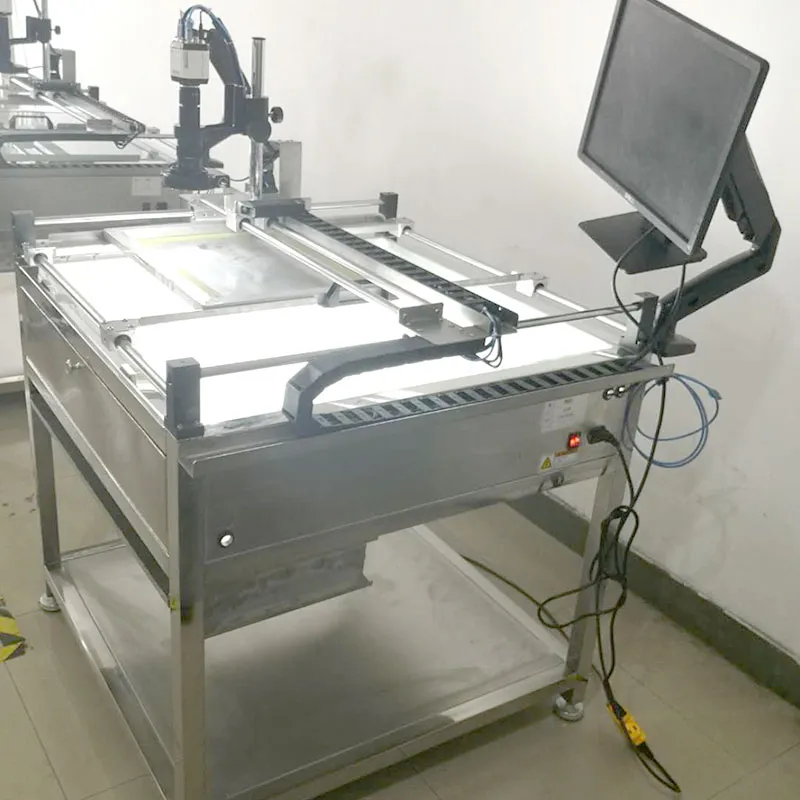
These mechanisms highlight why controlled storage environments are necessary to maintain the structural integrity of the stencil over months or years of intermittent use. Regular inspection combined with appropriate protection helps identify early signs of degradation before they impact assembly quality.
Practical Stencil Storage Solutions and Best Practices
Effective stencil storage begins with selecting a dedicated area that maintains stable temperature and low humidity levels to prevent material expansion or corrosion. Stencils should be stored vertically in dedicated racks or horizontally on flat surfaces with protective covers to avoid contact damage. Before storage, thorough cleaning removes all paste residues, followed by drying to eliminate moisture that could lead to issues during the next use cycle. Labeling each stencil with usage history and cleaning dates supports organized retrieval and tracking in busy production settings.
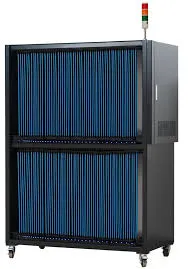
Operators benefit from establishing routines that include gentle handling techniques to prevent dents or scratches on the foil. Using anti-static bags or enclosures adds an extra layer of protection against airborne contaminants in the workshop. These stencil storage best practices reduce the frequency of troubleshooting print defects and extend the interval between stencil replacements.
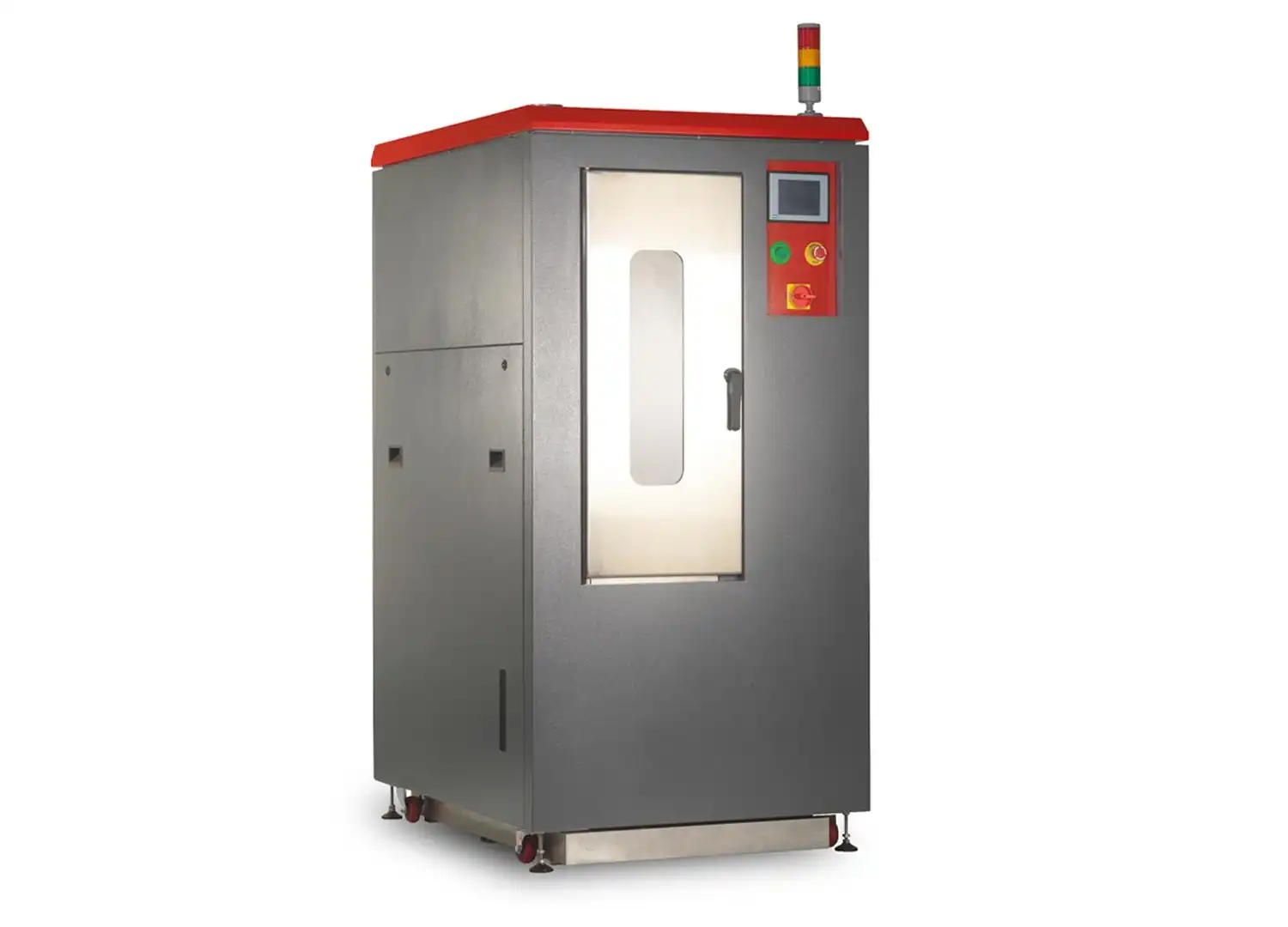
Teams that adopt these methods often observe improved consistency in solder paste volume across successive production batches.
Related Reading: Best Practices for Stencil Storage and Handling: Preventing Damage and Ensuring Longevity
Troubleshooting Common Stencil Storage Issues
When print defects appear after a stencil has been in storage, the first step is to examine the storage conditions for signs of humidity exposure or physical disturbance. Warped stencils may require flattening procedures or replacement, while clogged apertures point to incomplete cleaning prior to storage. Systematic checks of the storage environment can reveal patterns such as temperature swings that accelerate material fatigue. Addressing these root causes through adjusted handling protocols prevents recurrence and maintains process reliability.
Documenting each incident helps refine storage procedures over time and supports continuous improvement in assembly operations.
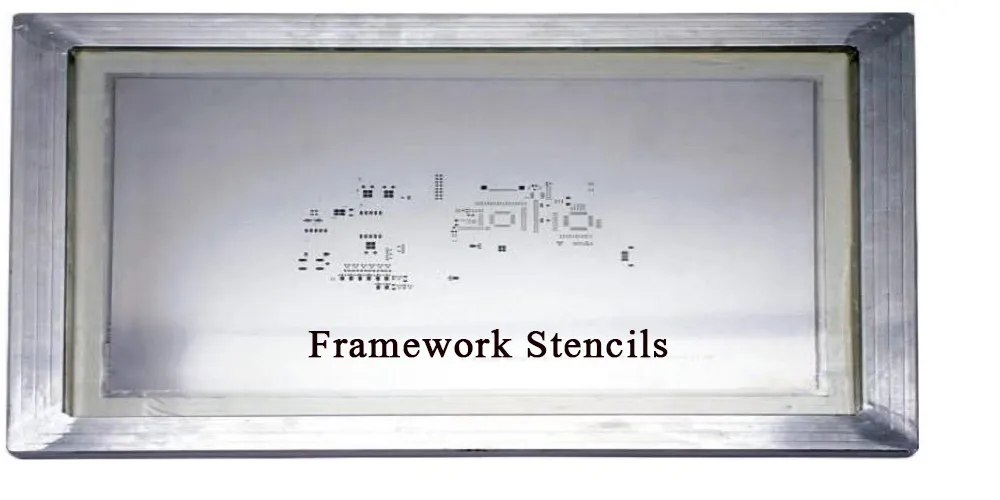
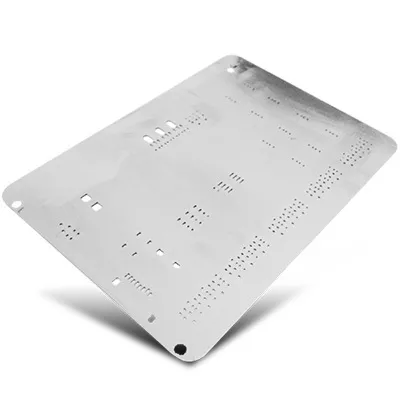
Related Reading: Unmounted Stencils vs. Framed Stencils: Which is Right for Your PCB Project?
Conclusion
Maintaining stencil integrity through thoughtful storage methods ensures reliable performance in PCB assembly processes. By controlling the storage environment and following consistent handling routines, teams minimize degradation risks and support higher production yields. These practices integrate seamlessly into existing quality control workflows and reduce the need for frequent stencil maintenance. Ultimately, disciplined stencil storage contributes to cost-effective and predictable manufacturing results.
FAQs
Q1: What are the most effective stencil storage methods for long-term use?
A1: Effective stencil storage methods involve placing cleaned and dried stencils in a stable, low-humidity environment using vertical racks or flat protective covers. This approach prevents warpage and contamination while supporting consistent print performance during subsequent assembly cycles. Regular inspection further ensures that stored stencils remain ready for use without introducing defects.
Q2: How does the stencil storage environment affect print quality?
A2: The stencil storage environment directly influences aperture condition and overall flatness, which are critical for accurate solder paste deposition. Controlled temperature and humidity levels reduce oxidation and residue buildup, helping operators avoid common issues such as bridging or insufficient solder joints. Proper environmental management therefore supports troubleshooting efforts and maintains process stability.
Q3: What stencil storage best practices should assembly teams follow?
A3: Stencil storage best practices include thorough cleaning before storage, vertical or flat positioning with protective barriers, and clear labeling for easy tracking. These steps minimize handling damage and environmental exposure, allowing teams to achieve reliable results across multiple production runs. Consistent application of these practices reduces downtime associated with stencil-related defects.
Q4: How can proper stencil handling improve long-term stencil performance?
A4: Proper stencil handling during storage and retrieval prevents mechanical stress that leads to deformation or aperture damage. By combining careful movement with organized storage solutions, teams preserve stencil condition and extend service life in demanding SMT applications. This focus on handling supports overall quality goals in electronics manufacturing.
References
IPC-7525 — Stencil Design Guidelines. IPC
J-STD-001 — Requirements for Soldered Electrical and Electronic Assemblies. IPC
IPC-A-610 — Acceptability of Electronic Assemblies. IPC