ALLPCB


Introduction
Printed circuit boards (PCBs) with ENEPIG surface finish represent a reliable choice for applications demanding long-term reliability and solderability. ENEPIG, or Electroless Nickel Electroless Palladium Immersion Gold, provides superior protection against environmental factors that degrade PCB performance over time. Engineers often face challenges in maintaining PCB integrity during storage, where improper conditions can lead to oxidation, corrosion, or solderability loss. Understanding ENEPIG shelf life and implementing proper PCB storage guidelines become critical for production efficiency and quality assurance. This guide explores the technical advantages of ENEPIG, optimal storage conditions, and handling practices aligned with industry standards. By focusing on ENEPIG humidity control and oxidation prevention, manufacturers can extend usability and reduce scrap rates in high-volume assembly lines.
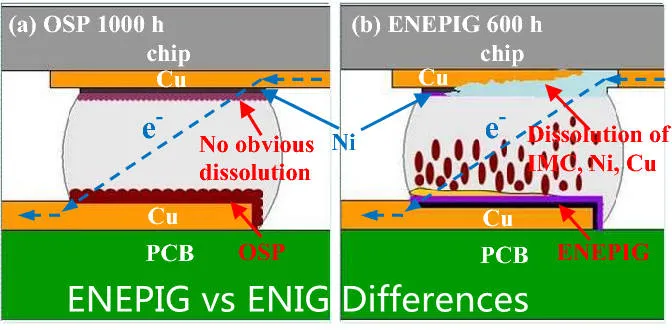
ENEPIG stands out due to its multi-layer barrier system, which outperforms finishes like ENIG in resisting diffusion and environmental degradation. Factory-driven insights reveal that consistent adherence to storage protocols directly correlates with maintained solder joint integrity post-storage. As supply chains lengthen, these practices ensure PCBs arrive assembly-ready, minimizing rework. This article draws from established guidelines to provide actionable strategies for electric engineers managing PCB inventories.
What Is ENEPIG and Why It Matters for Shelf Life
ENEPIG consists of a thick electroless nickel underlayer, a thin electroless palladium barrier, and a final immersion gold cap, each contributing to enhanced durability. The nickel provides a robust base resistant to undercutting, while palladium prevents the nickel corrosion known as black pad that plagues ENIG finishes. The gold layer ensures excellent solder wettability and wire bondability, even after prolonged exposure. This structure makes ENEPIG ideal for high-reliability sectors like aerospace and telecommunications, where PCBs may sit in inventory for extended periods.
The relevance of ENEPIG shelf life stems from its ability to maintain surface integrity far longer than alternative finishes under standard storage conditions. Unlike organic solderability preservatives that degrade quickly in humid environments, ENEPIG resists oxidation through its diffusion barrier properties. Factory experience shows that ENEPIG boards retain solderability through multiple reflow cycles post-storage, reducing defects in surface-mount technology assembly. For electric engineers, selecting ENEPIG translates to fewer solderability tests and extended planning horizons for procurement.
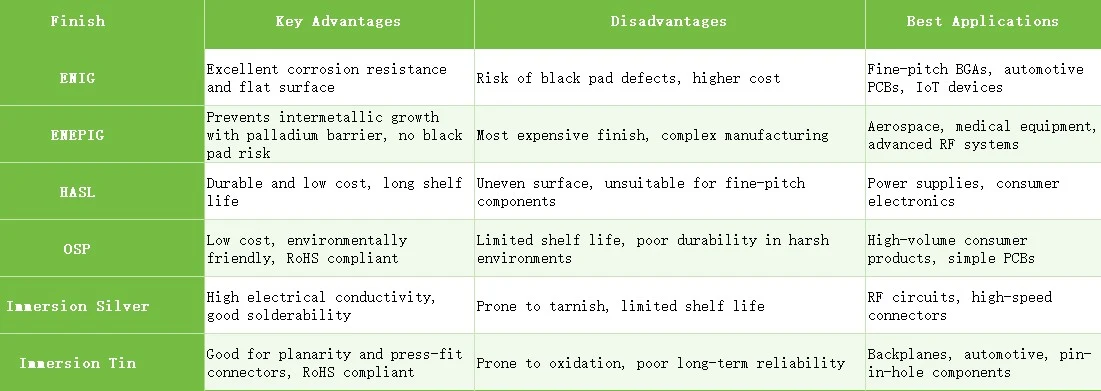
Industry standards like IPC-1601 emphasize handling and storage tailored to surface finish types, highlighting ENEPIG's suitability for demanding conditions. This finish addresses common failure modes such as intermetallic compound growth and environmental corrosion, ensuring consistent performance. Engineers benefit from its versatility in lead-free soldering processes, where shelf life directly impacts yield rates.
Technical Principles of ENEPIG for Oxidation Prevention and Longevity
The core mechanism behind ENEPIG's extended shelf life lies in its layered protection against oxidation and diffusion. The electroless nickel layer, typically several microns thick, acts as a stable barrier between the copper pad and subsequent layers, preventing copper migration. Palladium overlays this nickel deposit, forming a highly stable interface that inhibits phosphorus diffusion from the nickel, a primary cause of solderability degradation in ENIG. Immersion gold provides a thin, uniform oxidation-resistant topcoat that does not alloy excessively during soldering.
Oxidation prevention in ENEPIG hinges on the palladium's low diffusivity and chemical inertness, which blocks oxygen and moisture ingress even under elevated humidity. High humidity accelerates hydrolysis and corrosion on exposed metals, but ENEPIG's structure maintains pad flatness and cleanliness. Factory testing reveals minimal intermetallic formation over time, preserving wetting characteristics as per solderability standards. This makes ENEPIG particularly effective in preventing the tin whisker risks or tarnishing seen in other finishes.
ENEPIG humidity control proves vital because absorbed moisture can lead to delamination or electrochemical migration during storage. The palladium layer's nobility reduces galvanic reactions, ensuring the gold remains protective without excessive thickness buildup. Thermal stability further enhances longevity, as the finish withstands temperature fluctuations without cracking or peeling. These principles align with qualification specs that verify long-term stability through accelerated aging tests.
Optimal ENEPIG Storage Conditions and PCB Storage Guidelines
Proper ENEPIG storage conditions begin with a controlled environment to maximize shelf life. Maintain temperatures between 15°C and 30°C to avoid thermal stress that could induce warpage or material degradation. Relative humidity should stay within 40% to 65%, as per IPC-1601 guidelines for printed board handling and storage, preventing moisture absorption that compromises solderability. Use dedicated storage areas free from direct sunlight, vibrations, and contaminants like dust or oils.
Packaging plays a pivotal role in ENEPIG oxidation prevention. Seal PCBs in moisture barrier bags (MBBs) with desiccants and humidity indicator cards to monitor internal conditions. Vacuum sealing or nitrogen purging further reduces oxygen exposure, extending usability. Stack boards with anti-static separators to prevent physical abrasion on pads, and label packages with storage date, finish type, and expiration indicators based on manufacturer data.
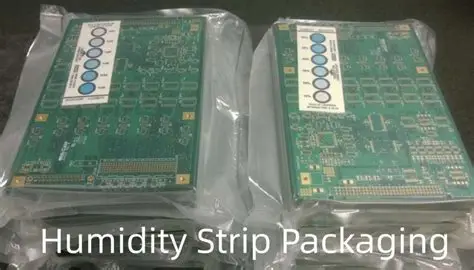
Regular rotation follows first-in-first-out principles to utilize oldest stock first. For long-term storage exceeding six months, consider periodic inspection for discoloration or adhesion loss. These PCB storage guidelines ensure ENEPIG boards remain assembly-ready, minimizing baking requirements before reflow.
Handling Practices to Preserve ENEPIG Integrity
Handling ENEPIG-finished PCBs demands protocols to avoid contamination and electrostatic discharge (ESD). Always use clean, lint-free gloves and ESD-safe workstations to prevent ionic residues that could initiate corrosion. Avoid touching solder pads directly, as skin oils accelerate oxidation despite the protective layers. Transport in original packaging or rigid carriers to minimize flexing, which risks microcracks in the finish.
During inspection, employ non-contact methods like optical microscopy to assess pad uniformity without introducing artifacts. If baking is needed to remove absorbed moisture, follow ramped profiles to prevent thermal shock. Post-handling, reseal promptly to maintain the controlled microenvironment. These practices complement ENEPIG's inherent robustness, ensuring factory throughput remains high.
Integration with IPC-J-STD-003 solderability testing verifies handling efficacy before assembly. Engineers should document chain-of-custody to trace any anomalies back to storage or handling steps.
Monitoring ENEPIG Shelf Life and Troubleshooting Common Issues
Engineers can monitor ENEPIG shelf life through visual checks for gold discoloration, which signals oxidation onset, and wettability tests using flux-dipped solder beads. Humidity data loggers in storage areas provide trend analysis for proactive adjustments. If humidity exceeds thresholds, bake boards at controlled temperatures to desorb moisture without damaging the finish.
Common issues like minor tarnish often resolve with mild cleaning, but persistent problems indicate improper initial storage. Factory insights recommend baseline solderability verification upon receipt, setting benchmarks for ongoing evaluation. This systematic approach sustains ENEPIG's advantages throughout the supply chain.
Conclusion
ENEPIG excels in extending PCB shelf life through its advanced barrier layers, offering robust defense against oxidation and humidity effects. Adhering to precise ENEPIG storage conditions, including temperature and humidity control, alongside meticulous handling, aligns with IPC standards for optimal results. Electric engineers gain confidence in inventory management, reducing risks in assembly processes. Implementing these PCB storage guidelines ensures high yields and reliability in demanding applications. Prioritize factory-driven protocols to leverage ENEPIG's full potential.
FAQs
Q1: What are the ideal ENEPIG storage conditions for maximum shelf life?
A1: Optimal ENEPIG storage conditions include temperatures from 15°C to 30°C and relative humidity between 40% and 65%, as outlined in IPC-1601. Use moisture barrier bags with desiccants to block contaminants and oxygen. Avoid stacking without separators to prevent pad damage. Regular monitoring with humidity indicators ensures compliance, preserving solderability for extended periods.
Q2: How does ENEPIG prevent oxidation compared to other finishes?
A2: ENEPIG's palladium layer serves as a diffusion barrier, blocking nickel phosphide migration and oxygen penetration that cause oxidation in ENIG. This structure maintains gold integrity under humidity exposure. Factory tests confirm superior corrosion resistance, supporting longer ENEPIG shelf life without black pad defects.
Q3: What PCB storage guidelines apply specifically to ENEPIG humidity control?
A3: ENEPIG humidity control requires sealed environments below 65% RH to prevent moisture-induced degradation. IPC-1601 recommends MBBs and desiccants for all finishes, but ENEPIG benefits most due to its stability. Rotate stock and inspect periodically to catch excursions early.
Q4: Can ENEPIG boards be baked to extend shelf life after exposure?
A4: Yes, low-level baking removes absorbed moisture, restoring usability if no oxidation has occurred. Follow controlled profiles to avoid stressing layers. This aligns with handling standards, making ENEPIG suitable for variable storage scenarios.
References
IPC-1601 — Printed Board Handling and Storage Guidelines. IPC
IPC-J-STD-003 — Solderability Tests for Printed Boards. IPC
IPC-4556 — Specification for Electroless Nickel/Electroless Palladium/Immersion Gold (ENEPIG) Plating. IPC