ALLPCB


In the world of electronics manufacturing, efficient component distribution and allocation are key to optimizing automated printed circuit board assembly. By leveraging modular placement machines in PCB assembly lines, manufacturers can achieve faster production cycles, reduced costs, and improved accuracy. This blog post dives deep into the process of component allocation, the role of modular placement machines, and best practices for streamlining assembly lines. Whether you're an engineer or a production manager, you'll find actionable insights to enhance your PCB assembly process.
What Is Component Distribution and Allocation in PCB Assembly?
Component distribution and allocation refer to the strategic placement of electronic components on a printed circuit board (PCB) during the assembly process. This involves determining which components go where on the board and assigning specific tasks to machines or modules in the production line. The goal is to minimize production time, reduce errors, and ensure that each component is placed with precision.
In automated printed circuit board assembly, this process becomes even more critical. Automation relies on advanced machinery, like modular placement machines, to handle high-speed and high-volume production. These machines are designed to pick and place components with incredible accuracy, often at rates of tens of thousands of components per hour. Effective allocation ensures that the right machine handles the right components, avoiding bottlenecks in PCB assembly lines.
The Importance of Modular Placement Machines in PCB Assembly
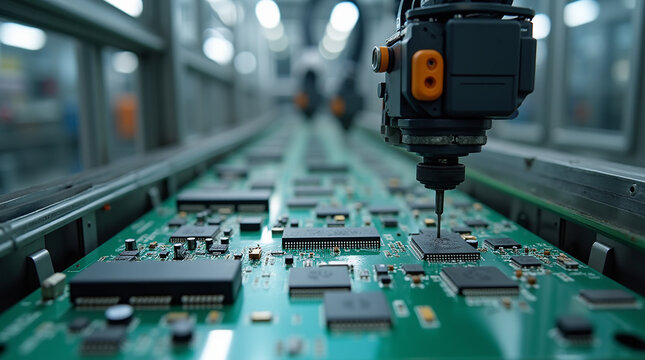
Modular placement machines are the backbone of modern PCB assembly lines. Unlike traditional single-purpose machines, these systems are built with interchangeable modules that can be reconfigured based on the specific needs of a production run. This flexibility allows manufacturers to adapt quickly to different board designs or component types without significant downtime.
For instance, a modular machine might have separate heads for placing small surface-mount devices (SMDs) like resistors and capacitors at a rate of 100,000 components per hour, while another module handles larger components like connectors or ICs at a slower but more precise pace. By allocating tasks to the appropriate module, manufacturers can balance speed and accuracy, ensuring optimal performance across the assembly line.
How Component Allocation Works with Modular Placement Machines
Component allocation in automated printed circuit board assembly involves several steps. When paired with modular placement machines, the process becomes highly efficient. Here's how it typically works:
1. Design Data Input
The process starts with the PCB design data, usually in the form of a Bill of Materials (BOM) and layout files. These files specify the type, quantity, and placement location of each component on the board. Software tools analyze this data to create a placement program for the machines in the PCB assembly lines.
2. Component Grouping
Components are grouped based on their type, size, and placement requirements. For example, small SMD components might be assigned to high-speed placement modules, while larger or more delicate components are allocated to slower, precision-focused modules. This grouping minimizes machine reconfiguration and maximizes throughput.
3. Machine Configuration
Modular placement machines are configured to handle specific component groups. Each module is equipped with the necessary tools, such as nozzles or grippers, to pick and place components accurately. Configuration also involves setting up feeder systems to supply components to the machine without interruption.
4. Placement Execution
Once configured, the machines execute the placement program. High-speed cameras and sensors ensure that components are placed with precision, often within tolerances of 0.01 mm. Real-time monitoring systems detect errors, such as misaligned components, and make adjustments on the fly.

Benefits of Using Modular Placement Machines for Component Allocation
Integrating modular placement machines into PCB assembly lines offers several advantages for component distribution and allocation. Here are some key benefits:
- Flexibility: Modular systems can adapt to a wide range of PCB designs and component types, making them ideal for small-batch or high-mix production runs.
- Speed: By allocating tasks to specialized modules, these machines achieve placement rates of up to 200,000 components per hour, significantly reducing production time.
- Accuracy: Advanced vision systems and precision tools ensure placement accuracy, reducing defects and rework costs.
- Cost Efficiency: Modular machines minimize downtime during reconfiguration, allowing manufacturers to save on labor and operational costs.
Challenges in Component Allocation and How to Overcome Them
While automated printed circuit board assembly with modular machines offers many benefits, it also comes with challenges. Addressing these issues can further optimize the process.
1. Complex Board Designs
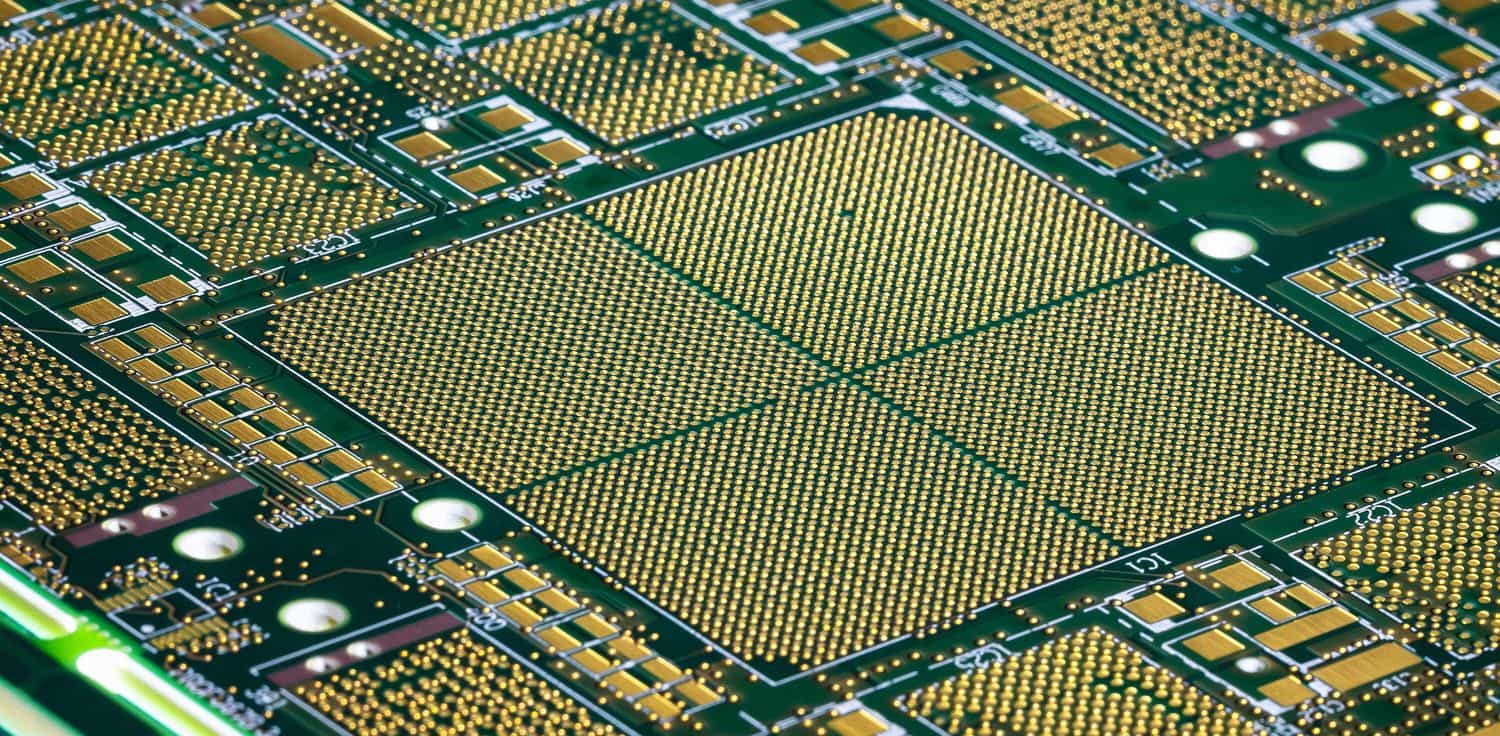
Modern PCBs often feature densely packed components with varying sizes and shapes. Allocating these components to the right machine module can be tricky. To tackle this, manufacturers can use advanced software to simulate placement scenarios and identify the best allocation strategy before production begins.
2. Feeder Setup Delays
Setting up feeders to supply components to the machine can cause delays, especially for high-mix production. Using quick-change feeder systems or pre-loading feeders during downtime can minimize disruptions in PCB assembly lines.
3. Machine Downtime During Reconfiguration
Although modular machines are designed for flexibility, reconfiguring them for different jobs still takes time. Planning production schedules to group similar board designs together can reduce the frequency of reconfiguration, improving overall efficiency.
Best Practices for Optimizing Component Allocation in PCB Assembly
To maximize the efficiency of component allocation using modular placement machines, consider these best practices:
1. Use Simulation Software
Before running production, use simulation tools to test different allocation strategies. These tools can predict potential bottlenecks and suggest optimal machine configurations, saving time and resources.
2. Prioritize Component Clustering
Group similar components together on the board layout when possible. This reduces the need for frequent tool changes or module reconfiguration, speeding up the assembly process.
3. Maintain Feeder Organization
Keep feeders well-organized and stocked with components to avoid interruptions during production. Label feeders clearly and use automated feeder management systems to track inventory in real-time.
4. Monitor and Adjust in Real-Time
Use data from machine sensors and vision systems to monitor placement accuracy and machine performance. If issues arise, make adjustments immediately to prevent defects from piling up.
The Role of Automation in Modern PCB Assembly Lines
Automation is transforming the way PCB assembly lines operate, and component allocation is at the heart of this revolution. Automated printed circuit board assembly relies on intelligent systems to distribute tasks across machines, ensuring that production runs smoothly even for complex designs.
For example, automated systems can dynamically allocate components to different modules based on real-time data. If one module is overloaded, the system can reroute tasks to another module with available capacity. This level of adaptability is only possible with advanced automation and modular placement machines.
Moreover, automation reduces human error by taking over repetitive tasks like component placement and inspection. With placement accuracy rates often exceeding 99.8%, automated systems ensure that even the smallest components are positioned correctly, meeting the stringent demands of modern electronics.
Future Trends in Component Allocation and PCB Assembly
As technology continues to evolve, so does the field of automated printed circuit board assembly. Here are some emerging trends that could shape the future of component allocation with modular placement machines:
- Artificial Intelligence (AI): AI algorithms are being integrated into assembly systems to predict optimal component allocation strategies and detect potential issues before they occur.
- Internet of Things (IoT): IoT-enabled machines can communicate with each other in real-time, allowing for seamless task distribution across PCB assembly lines.
- Smaller Batch Sizes: As demand for customized electronics grows, modular machines will play a bigger role in handling small-batch production with frequent design changes.
Conclusion: Streamlining PCB Assembly with Modular Placement Machines
Component distribution and allocation are critical to the success of automated printed circuit board assembly. By utilizing modular placement machines, manufacturers can achieve unparalleled flexibility, speed, and accuracy in their PCB assembly lines. From optimizing machine configurations to overcoming challenges like complex designs and feeder delays, the right strategies can make all the difference in production efficiency.