ALLPCB


Definition
Acoustic radiation pressure describes the steady forward pressure exerted on an obstacle when an acoustic wave propagating through a fluid medium is incident on it. Unlike the oscillatory acoustic pressure, this steady pressure arises from nonlinear effects in the fluid. When deriving the equations for wave propagation, second-order small terms are often neglected; these second-order terms are what generate acoustic radiation pressure.
Principle of tactile feedback
Acoustic radiation pressure is used to create a haptic feedback system that interacts with sounds outside the audible range, typically ultrasound. Arrays of transducers emit focused ultrasonic waves that create local differences in pressure density at target positions. In simple terms, intersecting ultrasonic beams can produce localized pressure sufficient to deform the air and create the sensation of a shape or force; this perceived pressure is proportional to the acoustic energy density. In effect, the system can simulate a virtual shape and force.
Analogy and tracking integration
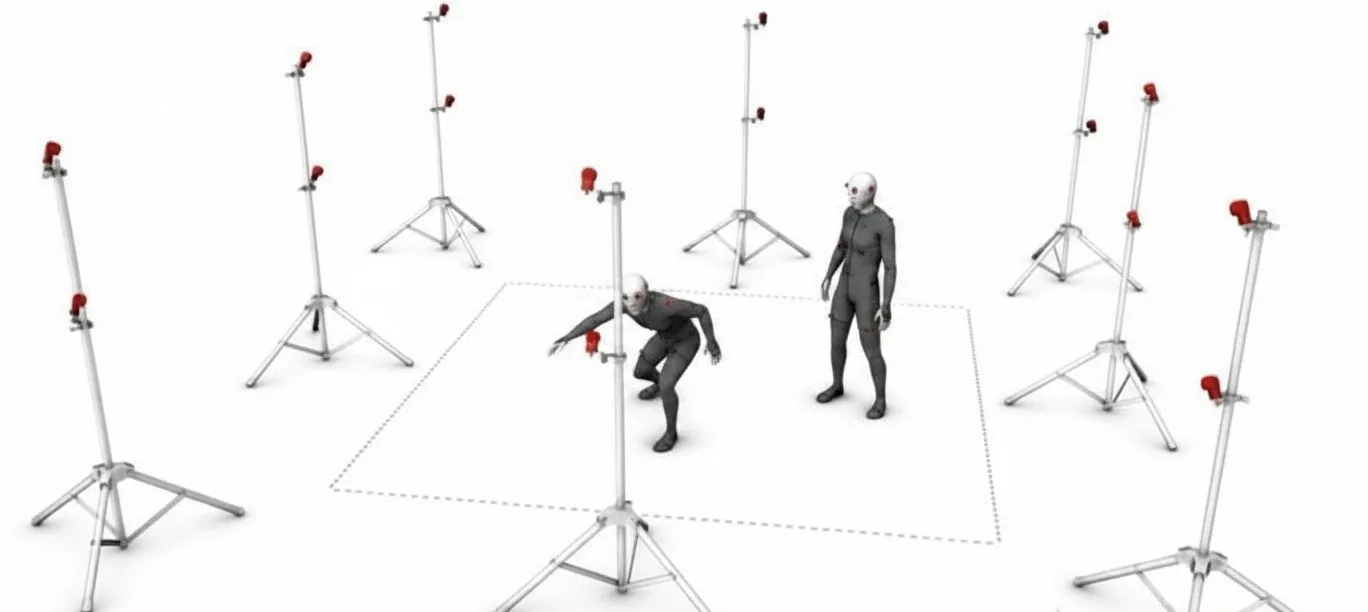
A useful analogy is laser-generated bubbles on glass: a single beam is insufficient to affect the glass, but intersecting beams combine their energy to produce visible bubbles. Intersecting ultrasound beams behave similarly. When combined with hand-tracking technologies such as Intel RealSense, focused acoustic beams can generate the illusion of resistance or surface texture at specific points in mid-air.
Early research
Work on airborne ultrasonic haptics dates back to 2009. Researchers at the University of Tokyo demonstrated an Airborne Ultrasound Tactile Display that used focused ultrasound to produce touchable volumetric sensations. One researcher noted that although holographic images can appear to float visually, they lack tactile feedback; adding tactile stimuli often requires contact or hardware that can degrade the visual hologram. The airborne ultrasonic approach produces tactile sensations on the user’s hand without direct contact and without degrading the visual appearance of the hologram.
Developments and implementations
Several groups have developed systems that transmit tactile sensations to users via ultrasound so that users can perceive buttons or interact with virtual objects without touching any surfaces or wearing devices. Commercial and research systems aim to provide mid-air haptic sensations by controlling phase and amplitude across transducer arrays to form focused pressure points in 3D space.
Potential applications
- Automotive: gesture-based controls could reduce reliance on physical buttons and simplify complex control interfaces for drivers.
- Home appliances: touchless controls could enable users to manage kitchen appliances, refrigerators, or ovens through simple hand gestures without physical contact.
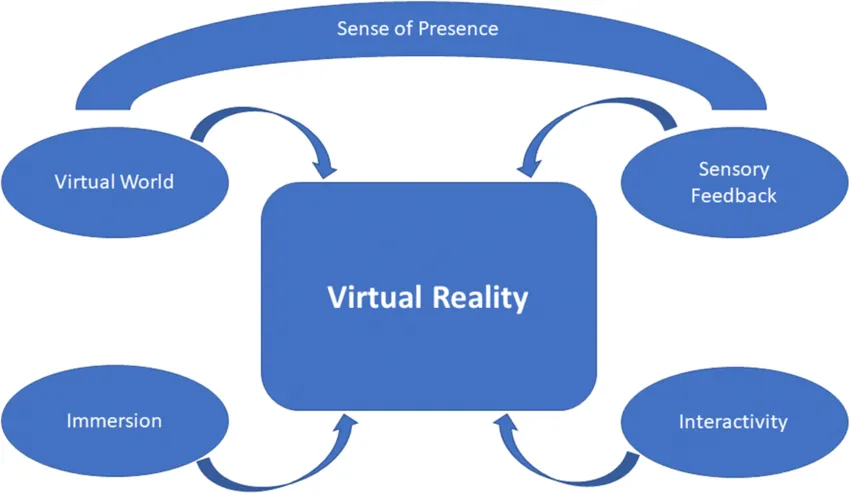
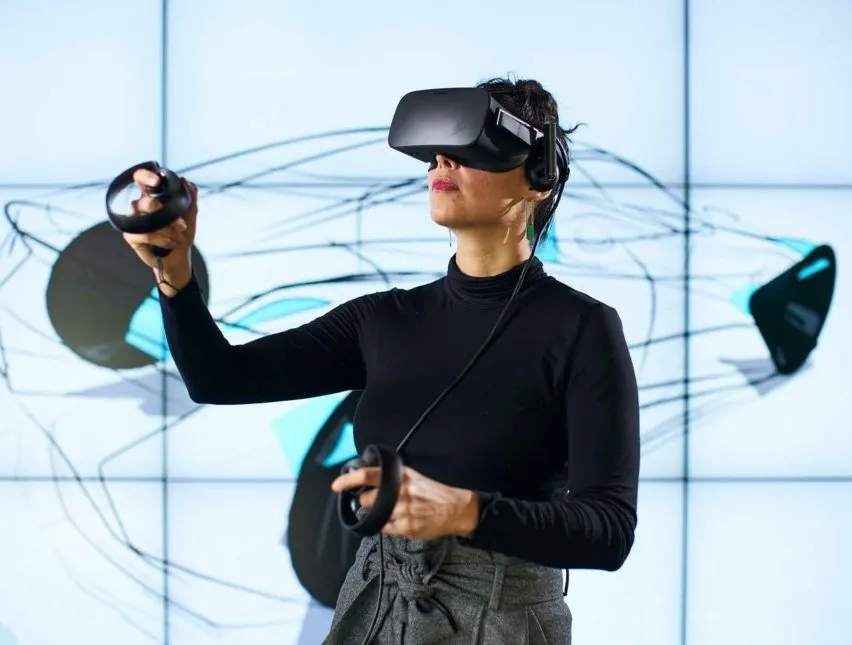
- Gaming and computing: mid-air haptics could extend interaction modalities in games and virtual environments, enabling users to reach out and feel virtual objects for more immersive 3D interactions.
- Consumer electronics: connected-home interfaces could use mid-air gestures to control lighting, entertainment systems, and thermostats without physical touch.
Outlook
Acoustic radiation pressure and airborne ultrasonic haptics offer a non-contact approach to delivering localized tactile sensations in free space. Especially in virtual reality and related interactive systems, this approach can augment or replace wearable haptics and traditional controllers for certain interactions. Ongoing research will determine practical limits such as spatial resolution, force magnitude, power consumption, safety, and integration with hand-tracking and optical displays.