ALLPCB


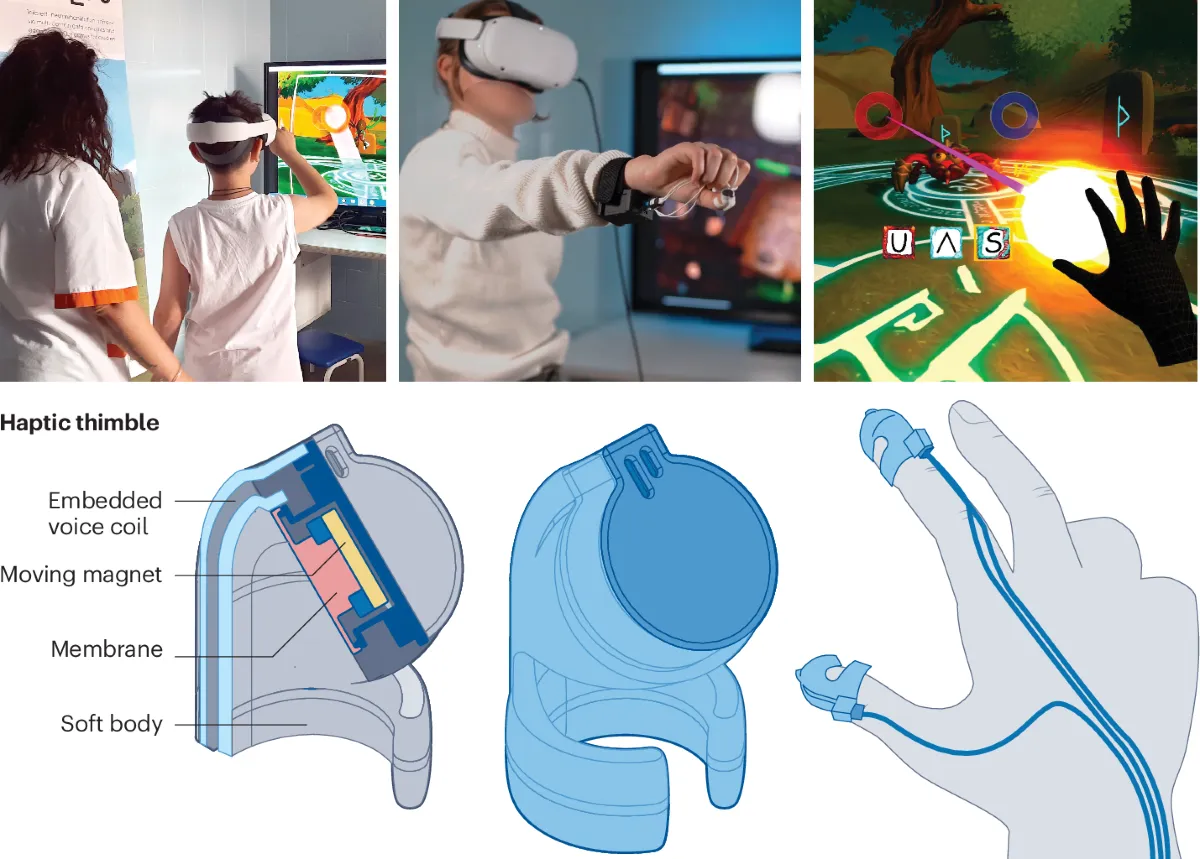
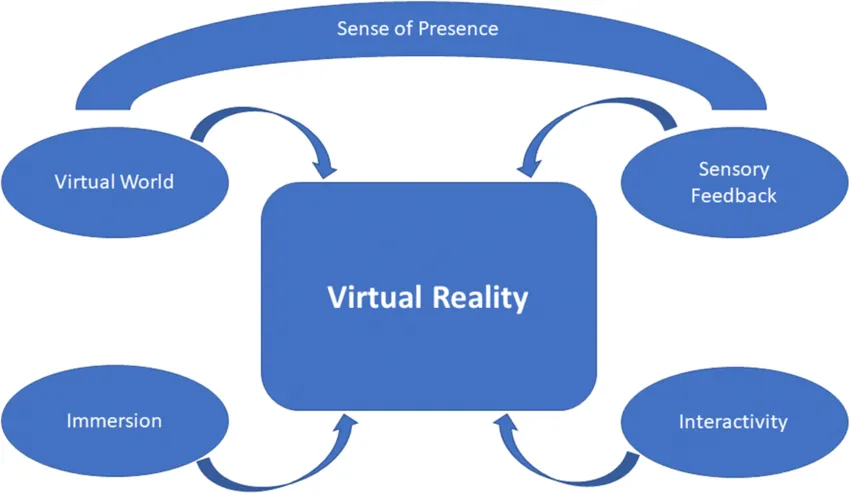
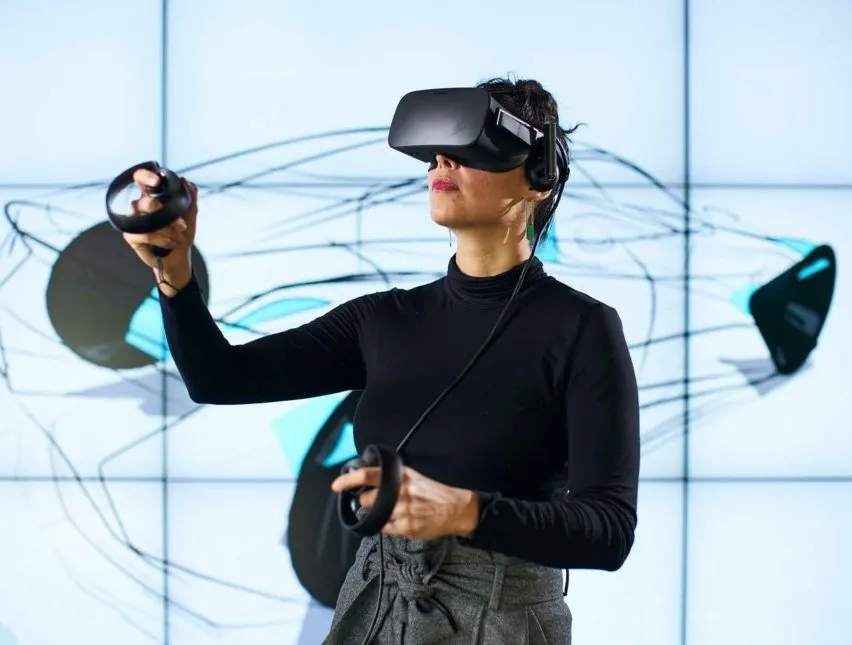
Virtual reality systems mainly include simulation environments, perception, natural interaction, and sensing devices. These systems generate virtual worlds by computer, enabling users to interact across vision, hearing, touch, force, smell, and taste. When available computing performance cannot fully meet the demands of virtual reality, the underlying technologies become especially important. To generate a 3D scene and render images that change in real time with viewpoint, hardware alone is not sufficient; corresponding technical theories are also required.
3D Modeling Techniques
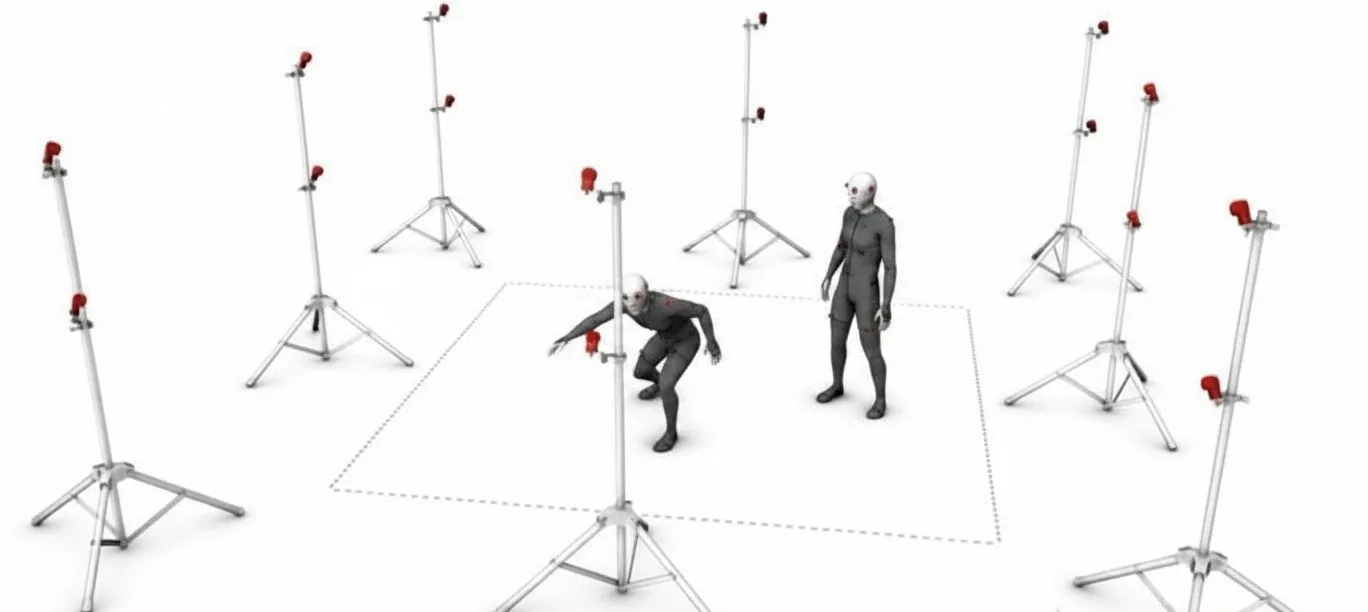
The goal of virtual environment modeling is to obtain 3D data of a real environment and, according to application needs, build an appropriate virtual environment model from that data. Only models that accurately reflect the subject of study provide credibility for a virtual reality system.
Virtual environments in a VR system can include the following cases:
- Simulation of real-world environments (system simulation).
- Environments subjectively constructed by humans.
- Environments that mimic real-world phenomena not visible to humans (scientific visualization).
3D modeling generally focuses on visual modeling. Visual modeling can be divided into geometric modeling, physical modeling, and behavioral modeling.
Stereoscopic Display Techniques
Stereoscopic display is one of the key technologies for virtual reality because it enhances user immersion. Introducing stereoscopic displays can make various simulators more realistic. It is therefore necessary to study stereoscopic imaging techniques and, using existing computer platforms and appropriate hardware and software, present stereoscopic views on flat displays. Currently, stereoscopic displays are mainly viewed using auxiliary devices such as stereoscopic glasses. As viewing expectations increase, the development trend is shifting from non-autostereoscopic approaches toward autostereoscopic technologies. Representative technologies include color-separation, polarization/spectral methods, time-sequential techniques, parallax barrier (raster) techniques, and holographic displays.
Realistic Real-Time Rendering
Stereoscopic display alone is not sufficient for virtual reality. VR also requires realism and real-time performance. In other words, the virtual world must not only provide stereoscopic perception but also be generated in real time, which requires realistic real-time rendering techniques.
Realistic real-time rendering is an approach to produce photorealistic images within time constraints imposed by current graphics algorithms and hardware. "Realism" includes geometric realism, behavioral realism, and lighting realism. Geometric realism means objects have geometric appearance close to those in the real world; behavioral realism means modeled objects behave in ways that appear genuine to the observer; lighting realism means interactions between model objects and light sources produce brightness and shading consistent with the real world. "Real-time" means computing positions and orientations of moving objects and dynamically rendering them, updating frames without perceptible flicker, and the system responding immediately to user input with synchronized scene updates and events. The graphics update rate must track viewpoint changes to avoid perceptible lag.
3D Virtual Audio Implementation
3D virtual audio enables users to accurately localize sound sources within a virtual scene, matching real-world auditory perception. Virtual surround technologies can use two speakers to simulate surround sound; while not equivalent to a full home theater, acceptable results are possible at an optimal listening position. A limitation is that such systems often require a narrow sweet spot for best effect.
Human-Computer Interaction Techniques
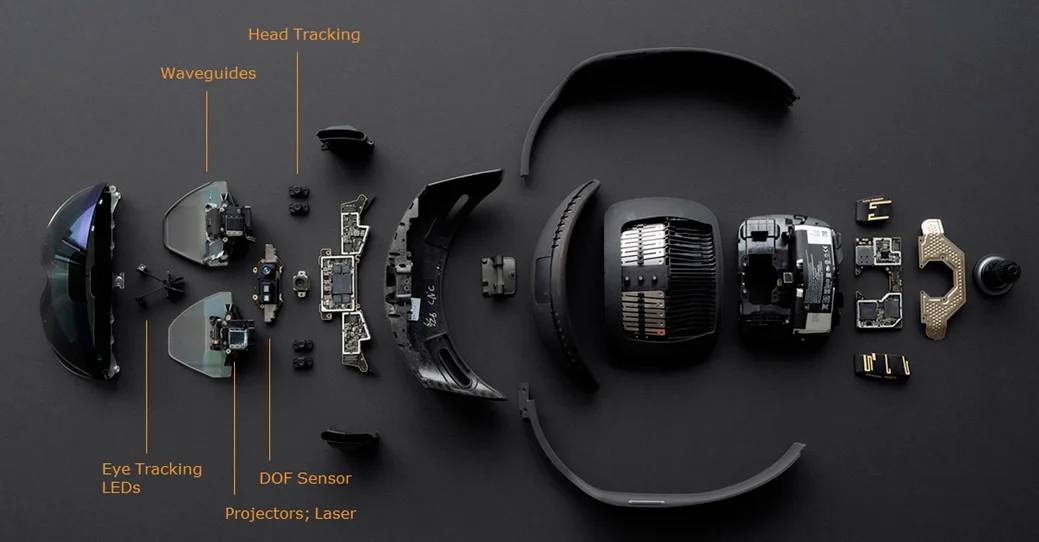
Within a computer-provided virtual space, users can interact directly using the eyes, ears, skin, gestures, and voice. These are natural interaction techniques in virtual environments. Research on olfactory and gustatory technologies is still exploratory, although smell and taste are fundamental human senses. With the proliferation of mobile devices and continued development of sensory interfaces, olfactory delivery technologies may find practical applications. Common interaction techniques used in virtual reality include gesture recognition, facial expression recognition, eye tracking, and speech recognition.
Collision Detection Techniques
Collision detection is used to determine whether object A interacts with object B. In virtual worlds, due to user interaction and object motion, collisions occur frequently. To maintain realism, a VR system must detect collisions, generate appropriate collision responses, and update the scene output in a timely manner; otherwise interpenetration will occur. Collision detection prevents unrealistic situations such as characters passing through walls and preserves the sense of realism in the virtual world. The system must first detect that a collision has occurred and the collision location, then compute the post-collision response.
Virtual scenes often contain large numbers of objects with complex shapes, making collision detection computationally intensive. Because VR systems require high real-time performance, collision detection must be completed within a short time (for example, 30-50 ms), which makes it a bottleneck for VR and other real-time simulation systems. Collision detection is therefore an important research area in virtual reality.