ALLPCB


Water treatment systems are vital for ensuring clean and safe water in industrial plants, municipalities, and even homes. At the heart of these systems are control printed circuit boards (PCBs) that manage processes like filtration, chemical dosing, and monitoring. However, when these PCBs encounter issues, it can disrupt the entire system. If you're searching for solutions to water treatment PCB repair, PCB fault diagnosis in water systems, or troubleshooting PCB errors in water treatment, this guide offers practical steps to identify and resolve common problems. In this comprehensive handbook, we'll dive into the most frequent issues with water treatment control PCBs, their causes, and actionable repair and maintenance strategies to keep your systems running smoothly.
Why Water Treatment Control PCBs Are Critical
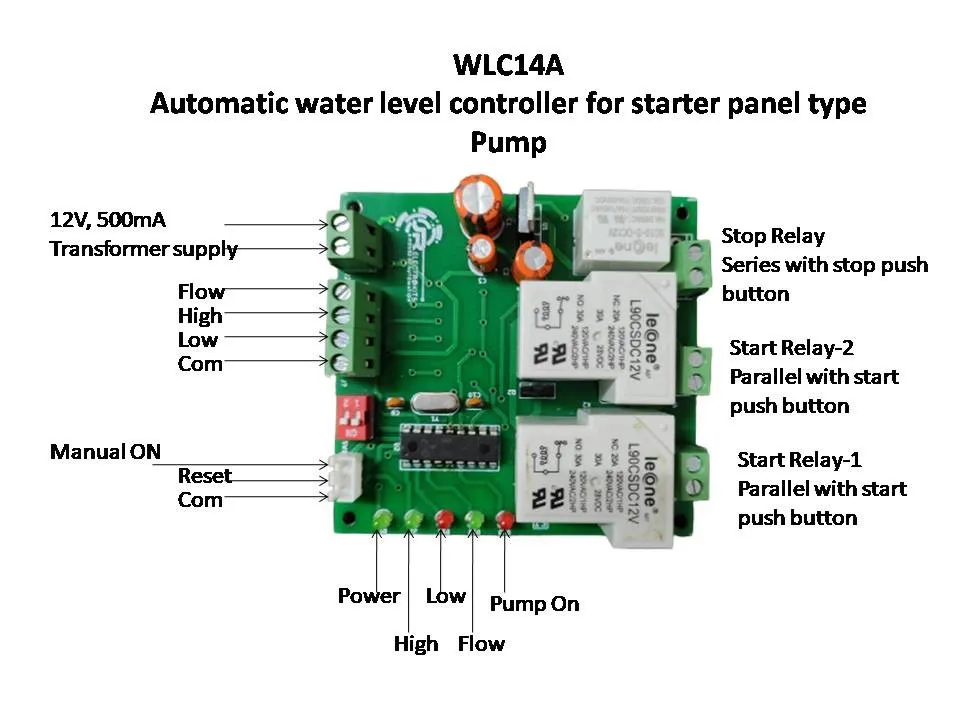
Control PCBs in water treatment systems act as the brain of the operation. They regulate pumps, valves, sensors, and other components to ensure processes like pH balancing, chlorine dosing, and filtration occur without hiccups. A single fault in the PCB can lead to inaccurate readings, equipment failure, or even complete system shutdowns, resulting in costly downtime or compromised water quality. Understanding how to troubleshoot and maintain these boards is essential for engineers and technicians working in water plants.
Common Issues in Water Treatment Control PCBs
PCBs in water treatment systems are exposed to harsh environments, including humidity, temperature fluctuations, and chemical exposure, which can lead to various failures. Below, we outline the most common problems and their symptoms to aid in PCB fault diagnosis in water systems.
1. Component Failure Due to Environmental Stress
Water treatment plants often have high humidity levels and corrosive atmospheres due to chemicals like chlorine. These conditions can cause PCB component failure in water treatment systems. Components such as capacitors, resistors, and integrated circuits may corrode or degrade over time, leading to erratic behavior or complete failure.
Symptoms:
- Erratic sensor readings (e.g., pH or turbidity sensors showing inconsistent values).
- Failure of relays to activate pumps or valves.
- Burnt or visibly corroded components on the PCB.
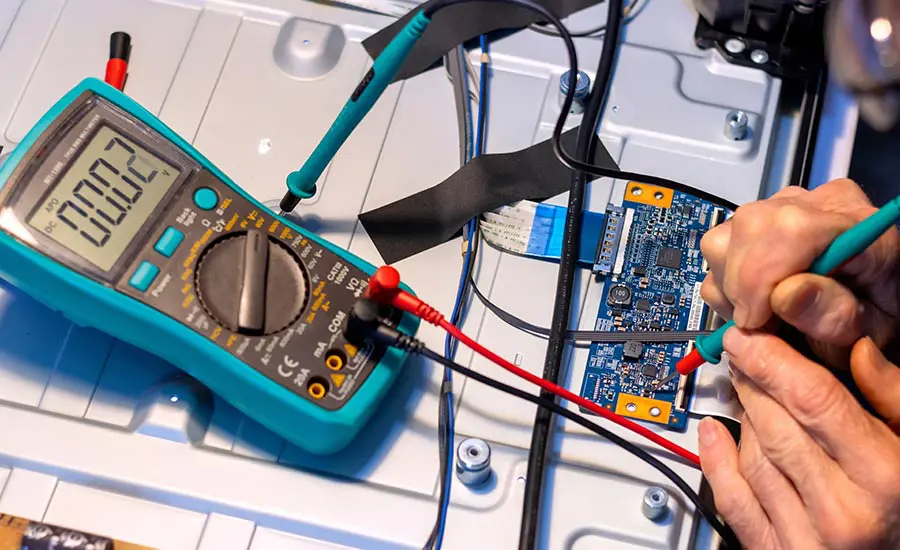
Solution: Inspect the PCB for visible signs of corrosion or damage. Use a multimeter to test components like capacitors for proper capacitance (e.g., a typical electrolytic capacitor might have a value of 10 μF, and readings far below this indicate failure). Replace damaged components with ones rated for harsh environments, such as those with conformal coatings for moisture resistance.
2. Power Supply Issues
Power surges or unstable voltage can damage the PCB or cause it to malfunction. Many water treatment systems operate on 24V DC or 230V AC, and fluctuations outside the acceptable range (e.g., ±10% of rated voltage) can stress components like voltage regulators or diodes.
Symptoms:
- System randomly shutting down or restarting.
- LED indicators on the PCB failing to light up.
- Burnt smell or visible damage near power input areas.
Solution: Measure the input voltage using a multimeter to ensure it matches the PCB's specifications (e.g., 24V DC should not drop below 21.6V or exceed 26.4V). Install surge protectors or voltage stabilizers to prevent future issues. If the power supply circuitry on the PCB is damaged, replace faulty components like fuses or regulators.
3. Signal Integrity Problems
PCBs in water treatment systems rely on precise signals from sensors and to actuators. Interference, poor grounding, or damaged traces can disrupt signal integrity, leading to errors in data transmission. For instance, a typical analog sensor signal might operate at 4-20 mA, and deviations can cause incorrect readings.
Symptoms:
- Inaccurate data from sensors (e.g., a pH sensor reading 7.0 when the actual value is 6.5).
- Intermittent communication with control systems.
- Noise or static in signal outputs.
Solution: Check for damaged traces or solder joints on the PCB using a magnifying glass or microscope. Test signal lines with an oscilloscope to identify noise or irregular waveforms (e.g., a clean signal should show a steady 4-20 mA current loop). Re-solder loose connections and ensure proper grounding to minimize interference. Shielded cables for signal lines can also help.
4. Overheating and Thermal Stress
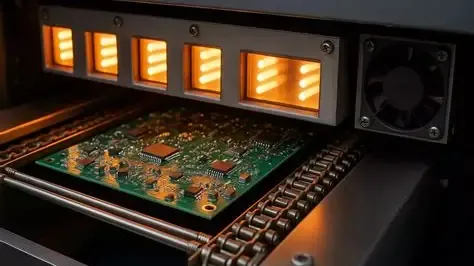
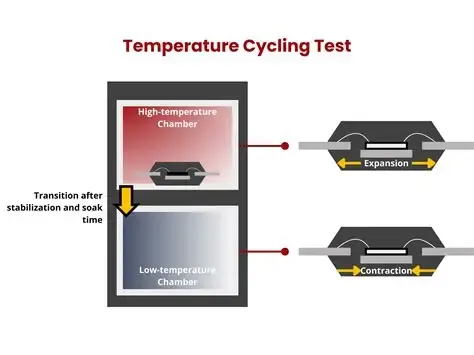
PCBs in water treatment control systems often operate in confined spaces with limited ventilation. Overheating can degrade components or cause solder joints to crack, especially if the ambient temperature exceeds the PCB's rating (commonly 85°C for industrial boards).
Symptoms:
- System failures during peak operation hours.
- Discoloration or warping of the PCB material.
- Components like ICs feeling excessively hot to the touch.
Solution: Use an infrared thermometer to measure component temperatures (e.g., an IC should not exceed 100°C under load). Improve ventilation by adding fans or heat sinks to the enclosure. If overheating persists, consider redesigning the PCB layout to space out heat-generating components or upgrade to higher-rated parts.
5. Firmware or Software Errors
Many water treatment PCBs rely on microcontrollers with embedded firmware to process data and control operations. Bugs, corrupted firmware, or improper updates can cause the system to behave unpredictably, contributing to troubleshooting PCB errors in water treatment.
Symptoms:
- System not responding to input commands.
- Unexpected resets or error codes on display panels.
- Inconsistent operation despite correct hardware setup.
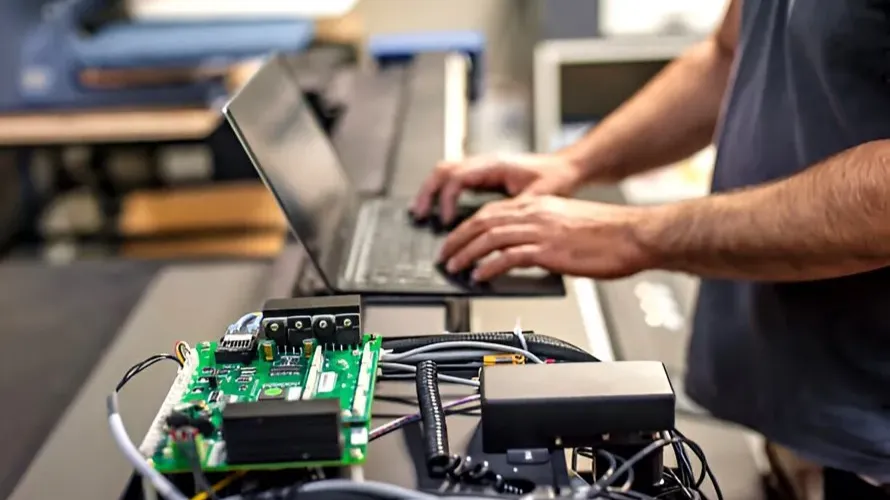
Solution: Connect the PCB to a computer via a serial interface or programming port to check for error logs or diagnostic messages. Re-flash the firmware using the manufacturer’s recommended software and ensure the version matches the system requirements. Always back up the existing firmware before updates to avoid data loss.
Step-by-Step Guide to Troubleshooting PCB Errors in Water Treatment
For effective troubleshooting PCB errors in water treatment, follow this systematic approach to diagnose and resolve issues efficiently. This process minimizes downtime and ensures accurate fault identification.
- Visual Inspection: Start by examining the PCB for obvious signs of damage, such as burnt components, cracked solder joints, or corrosion. Use adequate lighting and magnification tools if needed.
- Power Check: Verify the input voltage and current using a multimeter. Ensure values are within the specified range (e.g., 24V DC ±10%).
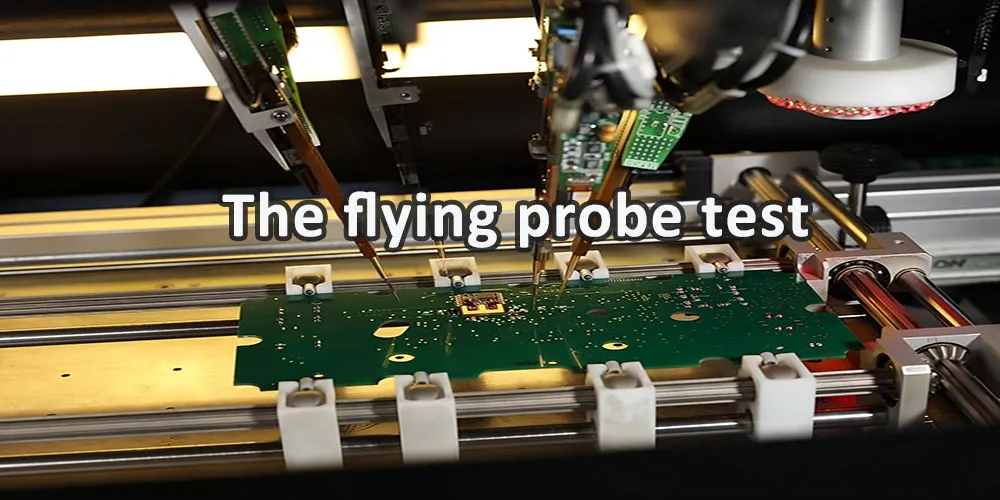
- Component Testing: Test individual components like resistors (check for correct ohm values, e.g., a 1kΩ resistor should read close to 1000 ohms), capacitors, and diodes for continuity or failure.
- Signal Analysis: Use an oscilloscope to monitor signal lines for noise or interruptions. Confirm that analog signals like 4-20 mA loops are stable.
- Firmware Verification: Check for software issues by reviewing error logs or re-flashing the firmware if necessary.
- Environmental Assessment: Evaluate the operating environment for factors like humidity or temperature that could contribute to failures. Use a hygrometer to measure relative humidity (ideal range: 40-60%).
Document each step and finding to create a reference for future troubleshooting. This methodical process ensures no potential issue is overlooked.
Repair Strategies for Water Treatment PCB Issues
Once you've identified the problem through PCB fault diagnosis in water systems, the next step is repair. Here are practical strategies for water treatment PCB repair to restore functionality.
1. Replacing Faulty Components
If specific components like capacitors or ICs are defective, replace them with equivalents that match the original specifications (e.g., voltage rating, capacitance, or pin configuration). Use a soldering iron with a fine tip (e.g., 25W) and lead-free solder for precision. Always wear an anti-static wrist strap to prevent electrostatic discharge (ESD) damage.
2. Repairing Damaged Traces
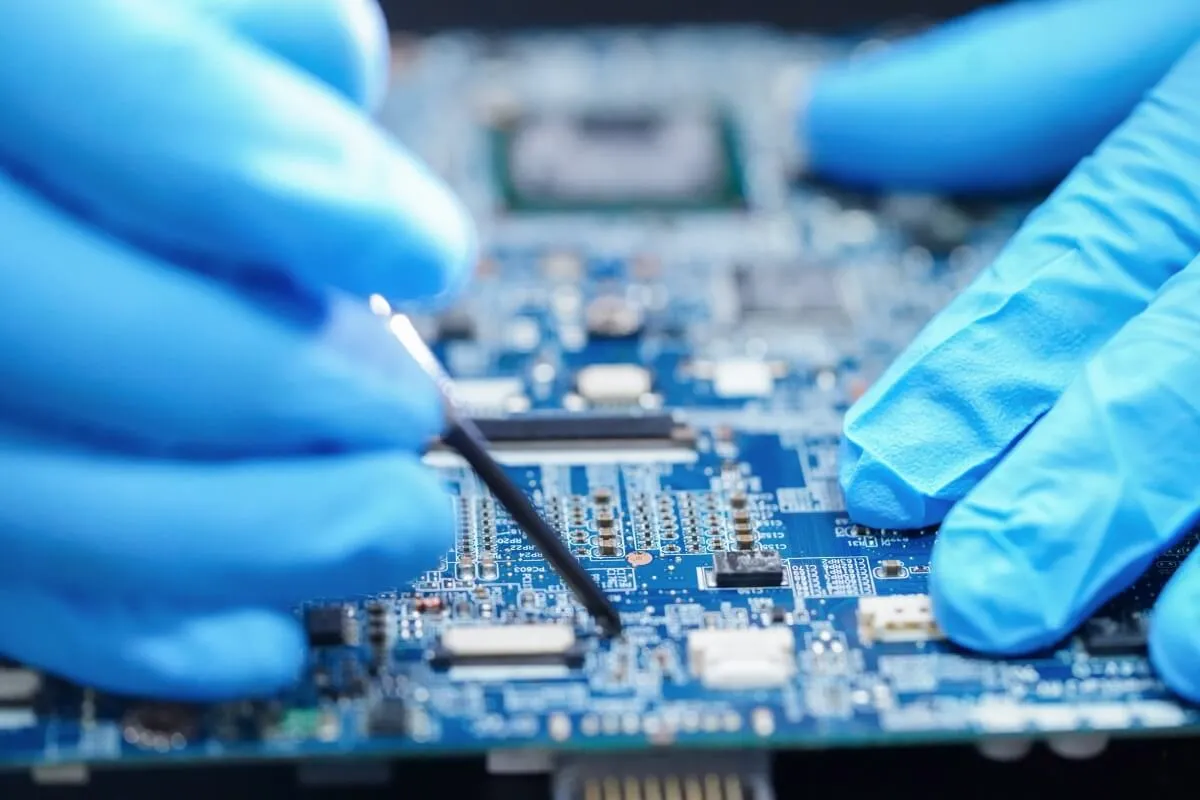
For broken or cracked traces, use a conductive pen or thin wire to bridge the gap. Apply a small amount of solder to secure the connection, ensuring no short circuits are created with nearby traces.
3. Applying Protective Coatings
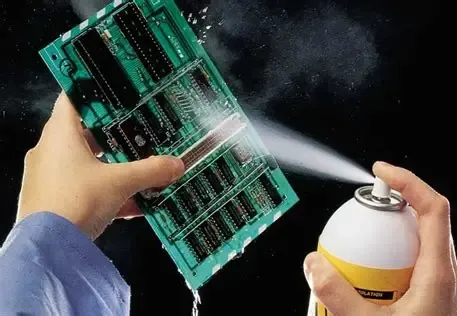
After repairs, apply a conformal coating to protect the PCB from moisture and chemicals. This is especially important in water treatment environments where humidity levels can reach 80% or higher. Use a brush or spray to cover the board evenly, avoiding connectors and switches.
Preventive Maintenance for Long-Term Reliability
Regular PCB maintenance in water plants can prevent many issues from arising. Implementing these practices reduces the risk of sudden failures and extends the lifespan of your control boards.
- Scheduled Inspections: Conduct monthly visual checks for signs of wear, corrosion, or overheating. Use a checklist to ensure all critical areas are reviewed.
- Environmental Control: Maintain optimal conditions by installing dehumidifiers (target humidity below 60%) and cooling systems to keep temperatures under 40°C in control cabinets.
- Cleaning: Use compressed air or a soft brush to remove dust and debris from the PCB. Avoid liquid cleaners unless specified by the manufacturer, as they can damage components.
- Backup Systems: Keep spare PCBs or critical components on hand to minimize downtime during failures. Ensure spares are stored in a dry, static-free environment.
Challenges in PCB Maintenance for Water Plants
Maintaining PCBs in water treatment plants comes with unique challenges due to the operating environment. High moisture levels, chemical exposure, and continuous operation demand robust designs and proactive care. For instance, a study of industrial control systems found that nearly 30% of PCB failures in harsh environments are due to corrosion alone. Addressing these challenges requires a combination of protective measures, regular maintenance, and quick response to failures.
Conclusion: Mastering Water Treatment PCB Troubleshooting
Troubleshooting and maintaining control PCBs in water treatment systems is a critical skill for ensuring uninterrupted operation and high water quality. By understanding common issues like PCB component failure in water treatment, power supply problems, and signal integrity errors, you can quickly diagnose and resolve faults. Following a structured approach to troubleshooting PCB errors in water treatment and implementing preventive PCB maintenance in water plants will minimize downtime and extend the life of your equipment. Whether you're performing a water treatment PCB repair or conducting routine checks, the strategies outlined in this handbook provide a solid foundation for success. Keep this guide handy as a reference for tackling any PCB-related challenges in your water treatment system.